
Earning Money Under Your Own Name
Original title (JP): 自分の名前でお金を稼ぐ #医師 #automobile #肋間筋 #日本医療 #美容 #靭帯断裂 #疼痛治療は評価が9割 #雑学 #治し方 #病院

Supervised by
Shogo Fujii
Physiotherapist (PT) · Founder of the SHOGO FUJII® FASCIA METHOD
View profile →Clinical Article · 6 min read
The landscape of physical therapy and manual therapy is undergoing a significant transformation. No longer are practitioners solely confined to traditional hospital or insurance-based models; a new era emphasizes individual skill and reputation. For clinicians and informed patients alike, understanding the power of a **personalized fascia release approach** is key to both professional growth and effective treatment outcomes. This shift empowers therapists to define their own value and build a thriving practice based on their unique expertise.
Embracing a Personalized Fascia Release Approach in Modern Practice
The traditional model of healthcare, where physical therapists work in hospitals and other specialists in specific clinics, is evolving. Today, the focus is increasingly on the individual practitioner's value and market worth, particularly within the realm of private practice and cash-based services [1]. This paradigm shift encourages therapists to elevate their unique skills, moving beyond organizational dependence to establish a personal brand that attracts and retains clients.
In this new environment, your ability to provide a distinctive and effective **personalized fascia release approach** becomes your most valuable asset. It's about earning recognition and compensation based on your unique abilities and the tangible results you deliver, rather than solely relying on institutional affiliations or insurance frameworks. This independence fosters a deeper connection with patients and allows for more tailored, holistic physiotherapy techniques.
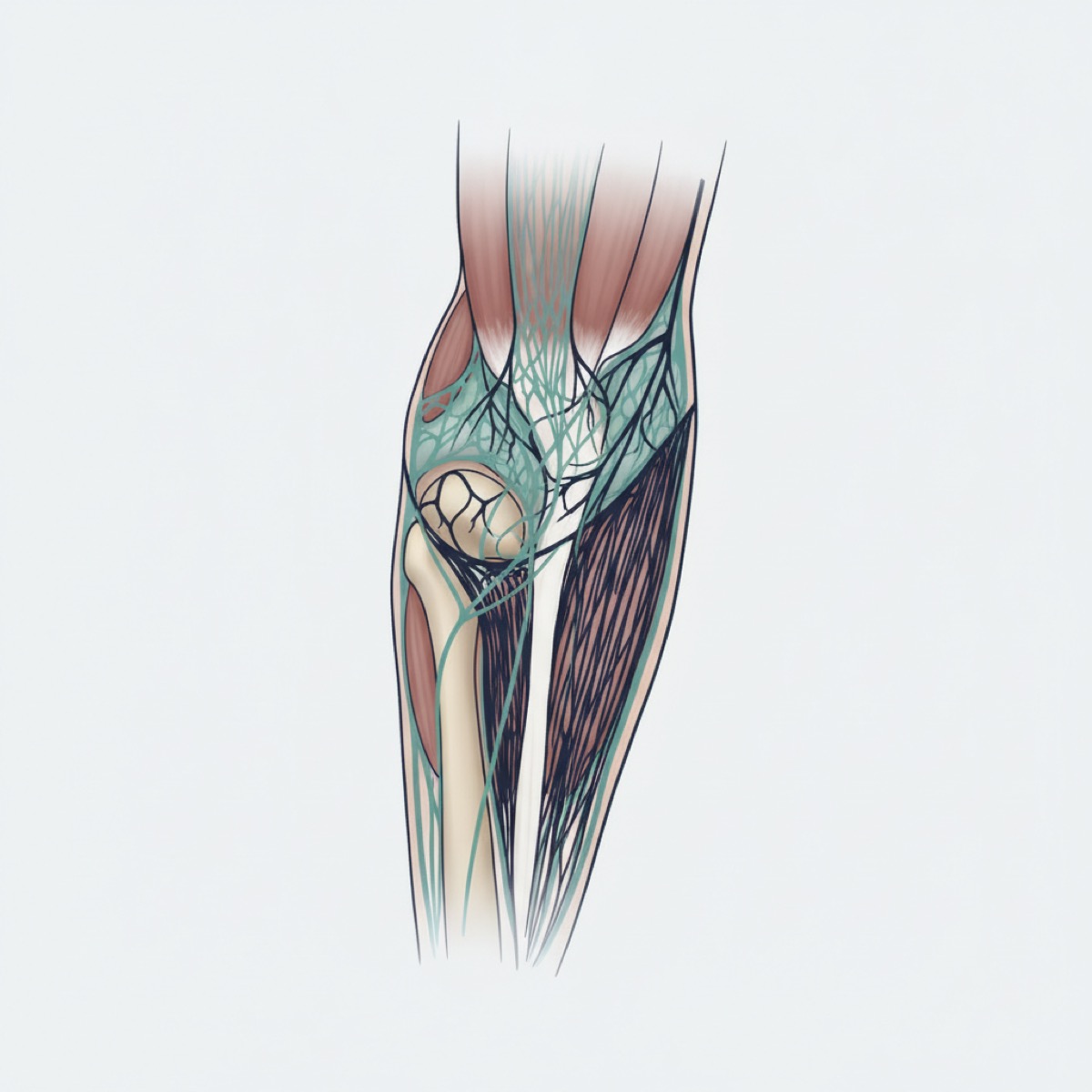
Why Your Unique Skillset Outweighs Institutional Reliance
While organizational structures provide a foundational learning environment, true professional longevity and success often stem from cultivating a skillset that transcends any single institution. Relying solely on a hospital or clinic's reputation means your perceived value might diminish the moment you step outside that organization. Your techniques, however effective within that specific setting, may not translate into independent success if they are not recognized as uniquely yours [2].
The challenge for every therapist is to ask: can you command a fair fee, say 5000 JPY (approximately $35-40 USD) per hour, based purely on your name and skill? Can you inspire patients to return for follow-up sessions because of *your* specific expertise? This self-assessment is crucial for **therapist professional development** and for understanding your true market value in the broader landscape of manual therapy private practice.
Cultivating Your Value: Practical Steps for Therapists
To truly understand your worth and build a practice based on a **personalized fascia release approach**, it's essential to step outside conventional frameworks. A practical exercise is to offer your services, even at a nominal fee, to friends or acquaintances. For instance, try charging 1000 JPY (around $7-8 USD) for a session. This seemingly small act can provide profound insights into your actual capabilities and the perceived value of your hands-on work [3].
By doing this, you'll gain clarity on your effectiveness and what clients are truly willing to pay for your unique contributions. This direct feedback, detached from insurance billing or institutional rates, reveals your authentic impact and helps you refine your techniques and client communication. It's a powerful way to gauge your readiness for independent practice and to develop a strong personal brand [4].
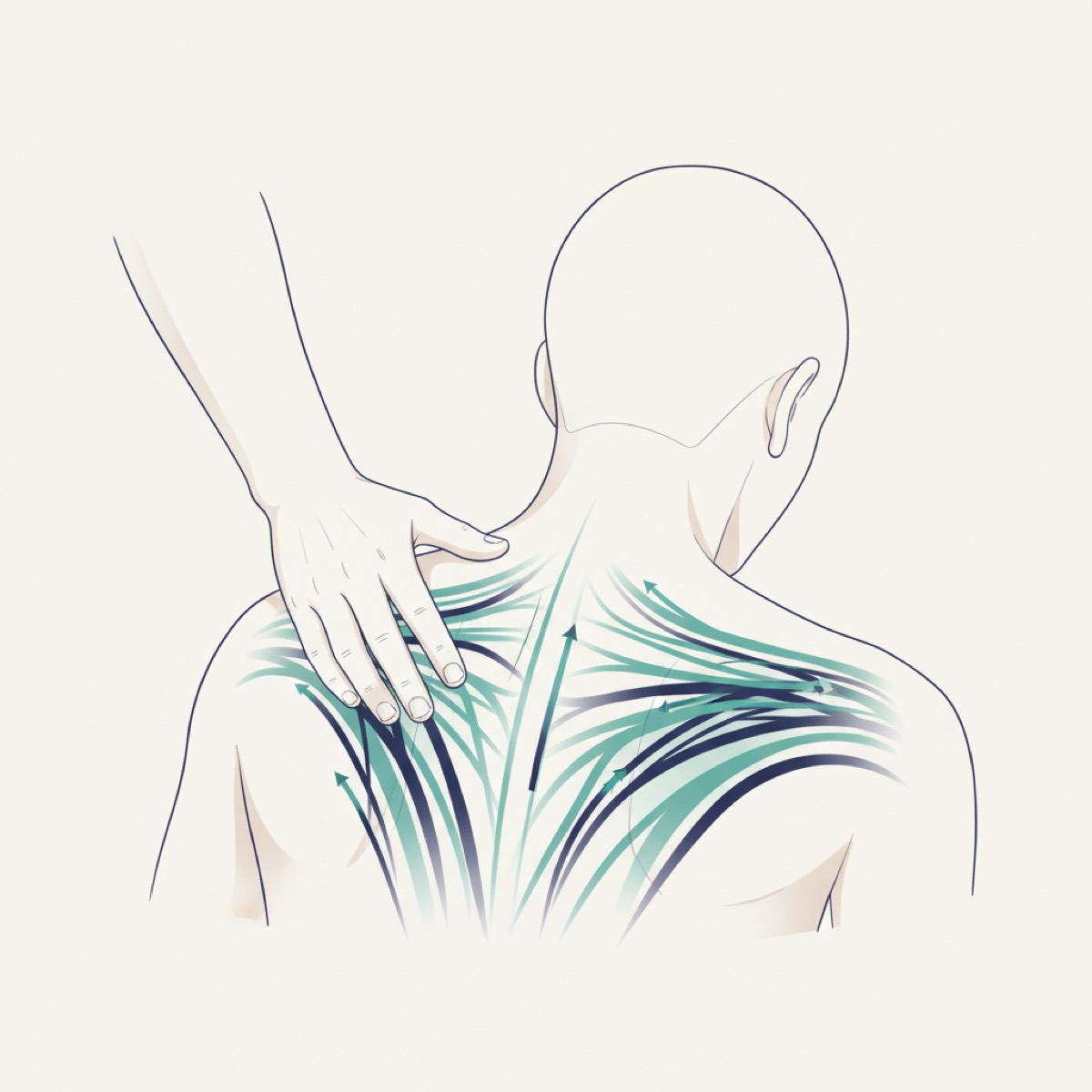
The Future of Manual Therapy: Autonomy and Impact
Embracing this philosophy of personal value and skill development is not just about earning more; it's about building a sustainable and impactful career. Therapists who cultivate a strong individual brand and master specialized techniques, like a **personalized fascia release approach**, are better positioned to adapt to changing healthcare landscapes and maintain professional longevity for decades [5].
This path, focused on continuous learning and self-assessment, allows you to become a sought-after expert whose name is synonymous with effective, individualized care. It’s a journey that prioritizes your autonomy, fosters deeper patient relationships, and ultimately allows you to make a more significant and lasting impact on the health and well-being of your community [6].

Frequently asked questions
Is a personalized fascia release approach suitable for all patients? — A personalized fascia release approach involves tailoring techniques to individual patient needs and conditions, making it highly adaptable. However, suitability always depends on a thorough assessment by a qualified practitioner to ensure it aligns with the patient's specific health goals and medical history.
How long does it take to see results from specialized manual therapy? — The timeline for seeing results from specialized manual therapy, including a personalized fascia release approach, varies widely depending on the individual's condition, its chronicity, and their body's response to treatment. Some patients may experience immediate relief, while others require a series of sessions to achieve significant and lasting improvements.
What qualifications should I look for in a therapist offering advanced manual therapy? — When seeking a therapist for advanced manual therapy, look for licensed professionals such as physiotherapists, osteopaths, or massage therapists who have completed specialized training and certifications in fascia therapy or other manual techniques. Experience, continuing education, and a patient-centered approach are also key indicators of a highly skilled practitioner.
References
- [1]Ajimsha MS, Al-Mudahka NR, Al-Madzhar JA. Effectiveness of myofascial release: a systematic review of randomized controlled trials. J Bodyw Mov Ther. 2015;19(1):102–112.
- [2]Tozzi P, Bongiorno D, Vitturini C. Fascial release effects on patients with non-specific cervical or lumbar pain. J Bodyw Mov Ther. 2011;15(4):405–416.
- [3]Zügel M, Maganaris CN, Wilke J, et al. Fascial tissue research in sports medicine: from molecules to tissue adaptation, injury and diagnostics: consensus statement. Br J Sports Med. 2018;52(23):1497.
- [4]Klingler W, Velders M, Hoppe K, Pedro M, Schleip R. Clinical relevance of fascial tissue and dysfunctions. Curr Pain Headache Rep. 2014;18(8):439.
- [5]Wilke J, Vogt L, Niederer D, Banzer W. Is remote stretching based on myofascial chains as effective as local exercise? A randomised-controlled trial. J Sports Sci. 2017;35(20):2021–2027.
- [6]Palomeque-del-Cerro L, Arráez-Aybar LA, Rodríguez-Blanco C, et al. A systematic review of the soft-tissue connections between neck muscles and dura mater: the myodural bridge. Spine. 2017;42(1):49–54.


