A Therapist Who Won't Take Risks Is Killing Their Patients
Original title (JP): 挑戦しない治療家”は、患者を殺してるのと同じだ #医師 #治し方 #日本医療 #肋間筋 #疼痛治療は評価が9割 #病院 #社長

Supervised by
Shogo Fujii
Physiotherapist (PT) · Founder of the SHOGO FUJII® FASCIA METHOD
View profile →Clinical Article · 6 min read
In the dynamic world of rehabilitation, the importance of continuous learning in physiotherapy cannot be overstated. While foundational techniques are crucial, relying solely on conventional, unchanging approaches can significantly hinder patient progress and even lead to prolonged suffering. This article explores why therapists, regardless of their experience level, must embrace ongoing professional development to meet the diverse and evolving needs of their patients, ensuring optimal patient outcomes in physical therapy and preventing clinical stagnation.
The Peril of Stagnant Practice: Why Therapists Must Innovate
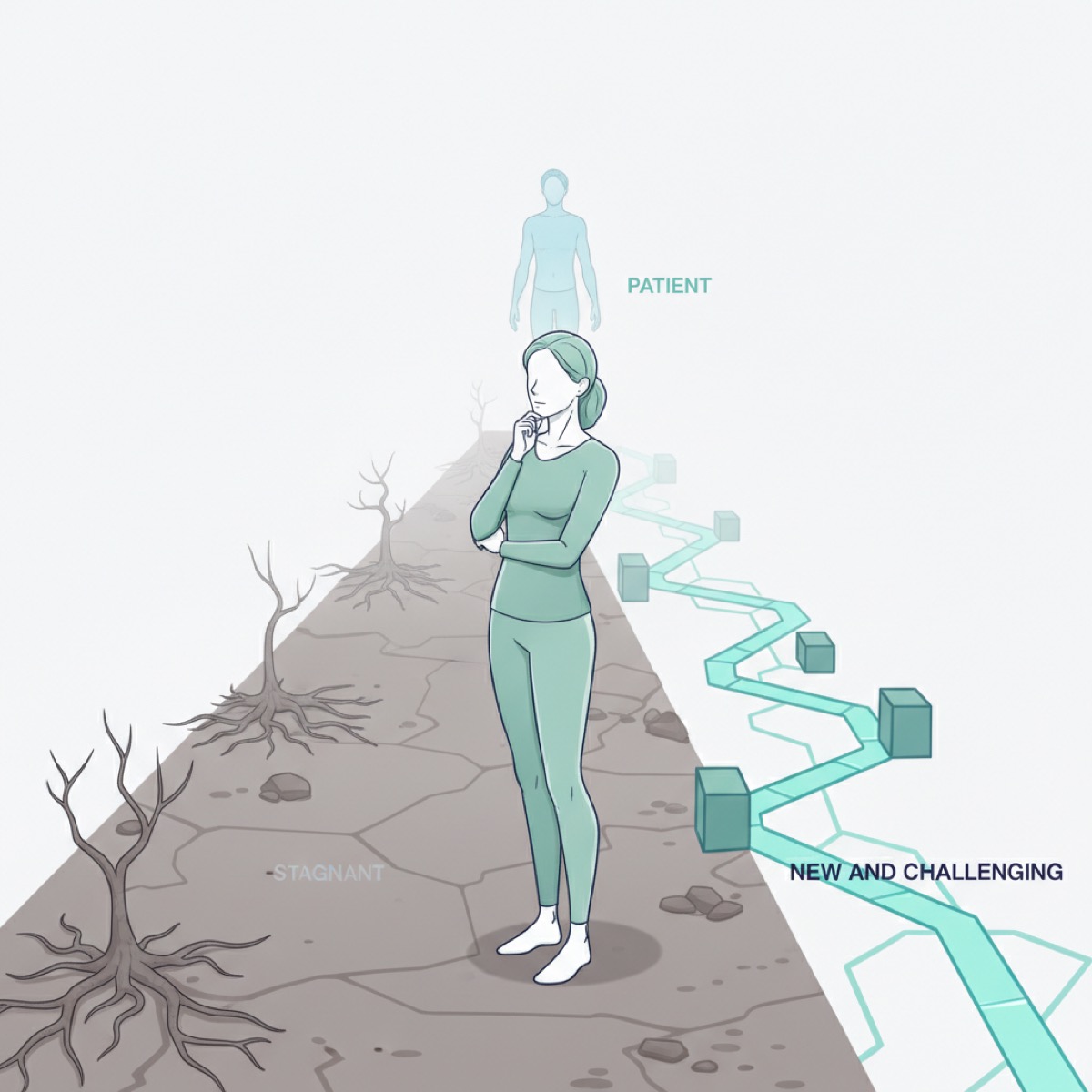
A powerful adage in the therapeutic community states that 'a therapist who doesn't adapt is akin to one harming their patients.' This sentiment underscores a critical truth in clinical practice: not all patients respond to the same treatment protocols. While some individuals may achieve satisfactory results with standard, insurance-approved methods, many others find themselves stuck in a cycle of ineffective care.
The challenge is that even highly experienced therapists, with decades of practice, can fall into the trap of repeating the same interventions without critical evaluation. This adherence to routine, often driven by comfort or systemic pressures, overlooks the unique complexities of each patient's condition. The core importance of continuous learning in physiotherapy is to break this cycle, ensuring every patient receives the most appropriate and effective care available.
Why Do Therapists Become Complacent in Their Practice?
Several factors can contribute to a therapist's stagnation. Over time, the initial passion for clinical work can wane, replaced by a sense of routine or even burnout. The demands of personal life can also shift priorities, leading to a reduced focus on professional development. For some, a belief that their current knowledge is sufficient, or that 'what worked before will always work,' can set in.
This complacency can lead to a profound disconnect: the therapist may cease to truly 'hear' the patient's ongoing complaints or lack of progress. When the cries of 'I'm not getting better' no longer resonate with a practitioner, it signals a significant problem in the therapeutic relationship and the quality of care being provided. Such a state is not only detrimental to the patient but can also signify a professional 'death' for the therapist, losing their edge and purpose in the clinical field.
What Happens When Therapy Stalls? The Devastating Impact on Patients and Trust
Patients place immense trust in their healthcare providers. When they commit to a course of physiotherapy, they do so with the expectation of improvement. If repeated, unchanged approaches consistently fail to yield results, this trust erodes. Patients can experience prolonged pain, worsening conditions, and a profound sense of hopelessness. In severe cases, this stagnation can contribute to irreversible physical deterioration, impacting their quality of life and even their overall life trajectory [1].
The emotional and physical toll on patients whose conditions remain unresolved is immense. They may feel unheard, dismissed, and ultimately abandoned by the very professionals they relied upon for healing. This highlights the critical role of robust therapist professional development in safeguarding patient well-being and maintaining the integrity of the therapeutic relationship [2].

How Can Therapists Ensure Effective Patient Outcomes Through Continuous Growth?
The antidote to complacency is a steadfast commitment to continuous challenge and learning. Therapists must actively seek out new knowledge, embrace emerging techniques, and integrate novel approaches into their practice. This isn't a linear path; it involves rigorous investigation, validation, facing setbacks, learning from failures, and sometimes, even receiving constructive criticism or complaints from patients. It is through this dynamic process that true mastery and improved evidence-based practice evolution occur [3].
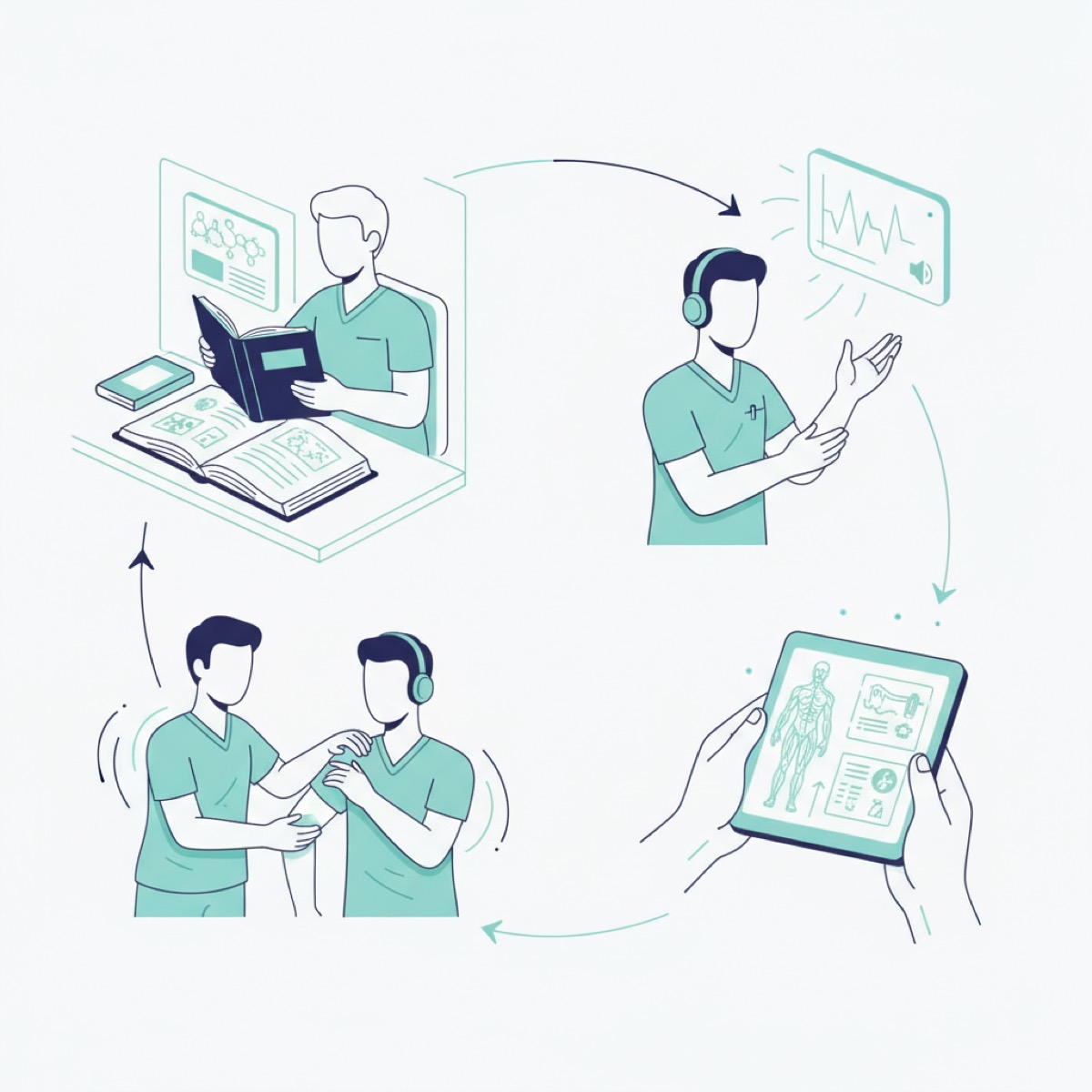
Furthermore, true professional growth demands an open mind. While licensed medical professionals often dismiss practitioners outside conventional frameworks, it's crucial to acknowledge that valuable insights and effective solutions can emerge from diverse therapeutic perspectives [4]. Embracing this broad view and continuously engaging with new seminars, books, and online content is paramount. This unwavering dedication to learning is not merely an option but a fundamental responsibility for anyone committed to being a true professional in human body care [5].
Frequently asked questions
Is continuous learning only for new therapists? — No, continuous learning is crucial for therapists at all career stages. While new graduates have a foundation to build upon, experienced practitioners benefit from staying updated with the latest research, techniques, and evolving understanding of conditions, ensuring their skills remain sharp and relevant for diverse patient needs [6].
How does new knowledge translate to better patient outcomes? — New knowledge allows therapists to broaden their diagnostic tools and therapeutic interventions, moving beyond a 'one-size-fits-all' approach. By understanding a wider array of techniques, including specialized areas like fascia therapy, therapists can tailor treatments more precisely, leading to more effective and personalized care plans for each individual [1].
What role does fascia therapy play in this evolving landscape? — Fascia therapy represents one such area of evolving understanding in musculoskeletal health. As research into the fascial system progresses, therapists who embrace continuous learning are better equipped to integrate these insights into their practice. This allows for a more holistic approach to pain and dysfunction, offering new avenues for relief where traditional methods may have fallen short [2].
References
- [1]Woolf CJ. Central sensitization: implications for the diagnosis and treatment of pain. Pain. 2011;152(3 Suppl):S2–S15.
- [2]Tracey KJ. The inflammatory reflex. Nature. 2002;420(6917):853–859.
- [3]Mayer EA. Gut feelings: the emerging biology of gut–brain communication. Nat Rev Neurosci. 2011;12(8):453–466.
- [4]Cryan JF, Dinan TG. Mind-altering microorganisms: the impact of the gut microbiota on brain and behaviour. Nat Rev Neurosci. 2012;13(10):701–712.
- [5]Guo R, Chen LH, Xing C, Liu T. Pain regulation by gut microbiota: molecular mechanisms and therapeutic potential. Br J Anaesth. 2019;123(5):637–654.
- [6]Ricciotti E, FitzGerald GA. Prostaglandins and inflammation. Arterioscler Thromb Vasc Biol. 2011;31(5):986–1000.
Related videos

How a Fujii-juku Student Hit ¥2.65 Million in Monthly Revenue
0:59
While You Play Critic, Your Patients Are Breaking Down One by One
1:32