While You Play Critic, Your Patients Are Breaking Down One by One
Original title (JP): 評論家ぶってる暇に、患者は一人ずつ壊れていってる #医師 #料理 #治し方 #日本医療 #美容 #靭帯断裂 #疼痛治療は評価が9割 #肋間筋 #病院

Supervised by
Shogo Fujii
Physiotherapist (PT) · Founder of the SHOGO FUJII® FASCIA METHOD
View profile →Clinical Article · 6 min read
In an increasingly complex healthcare landscape, clinicians face patients presenting with multifaceted pain and persistent symptoms, often exacerbated by factors like post-COVID conditions. The traditional approach of debating specific techniques may no longer suffice. Instead, a profound emphasis on developing advanced manual therapy skills for complex pain, rooted in tactile sensitivity, is becoming paramount to truly address patient deterioration and improve outcomes for those suffering from chronic and intricate conditions.
Why Are Patients Presenting with More Complex Pain?
Clinicians today are encountering patients who are, in the words of Shogo Fujii, 'breaking down' in unprecedented ways. The COVID-19 pandemic has introduced what some refer to as an 'immune debt,' where individuals experience prolonged and complicated symptoms that extend far beyond typical musculoskeletal pain [1]. What might have once been a straightforward orthopedic complaint now frequently presents with neurological overlays, persistent numbness, or intractable pain, making diagnosis and treatment significantly more challenging [2].
This shift means that what was once considered routine pain management often falls short. Patients are suffering from complex conditions where their body's regulatory systems are compromised, leading to a mosaic of symptoms that demand a more nuanced and adaptive approach than ever before. Understanding these underlying complexities is the first step in applying effective advanced manual therapy skills for complex pain.
Is Debating 'Best Techniques' Still Relevant?
Shogo Fujii urges clinicians to move beyond the endless debate of 'which treatment is best' or 'which academic conference to attend.' He argues that there is simply no time for such theoretical discussions when patients are actively deteriorating. The focus should shift from technique-centric thinking to patient-centric action, recognizing that each individual's presentation is unique and requires a tailored, responsive approach [3].
Relying solely on routine, insurance-driven protocols, or performing the same procedures out of habit, can be detrimental to patients who require sophisticated intervention. This mindset, Fujii suggests, can become a 'nuisance' rather than a benefit. The true measure of a therapist's value lies not in adhering to a rigid method, but in their ability to adapt and achieve tangible results for even the most severe cases.
How Can Therapists Develop True Healing Touch?
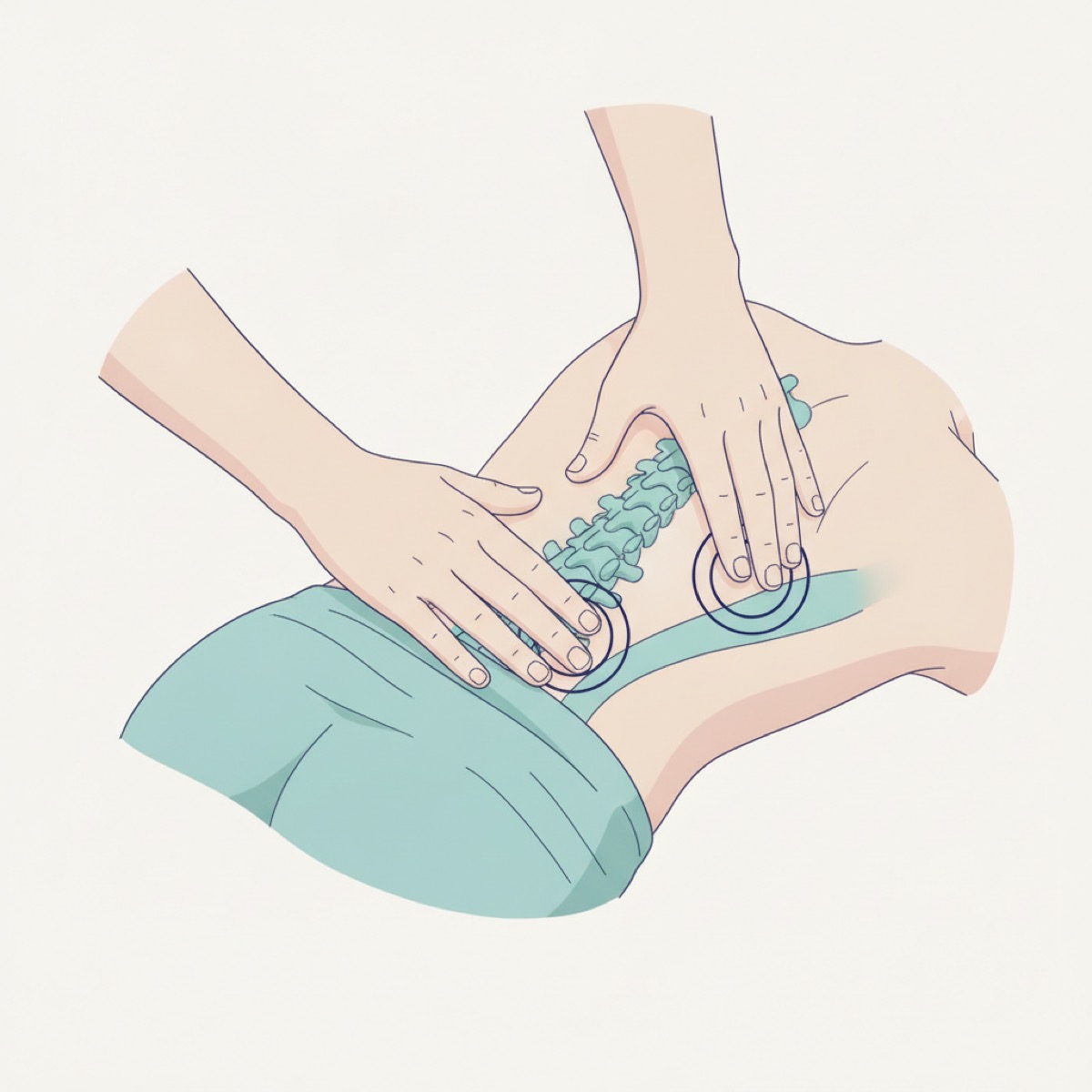
The core of effective therapy, according to Fujii, is not the technique itself, but the 'hand sensation' — the refined tactile sensitivity that allows a clinician to truly understand and respond to the patient's tissues. This 'hand sensation is life' for a therapist, enabling them to perceive subtle tissue changes, restrictions, and dysfunctions that might be missed by less experienced hands [4].
Developing this level of tactile mastery requires continuous learning and dedication, pushing beyond a basic competency. It means striving to reach a point where you genuinely feel, 'I can heal this person.' Without this deep sensory engagement, a therapist risks merely 'listening to the patient's story' without being able to effect profound change, especially in those challenging cases that defy standard protocols. This emphasis on tactile sensitivity in manual therapy is what separates good therapists from exceptional ones.
Elevating Your Practice for the Most Challenging Cases
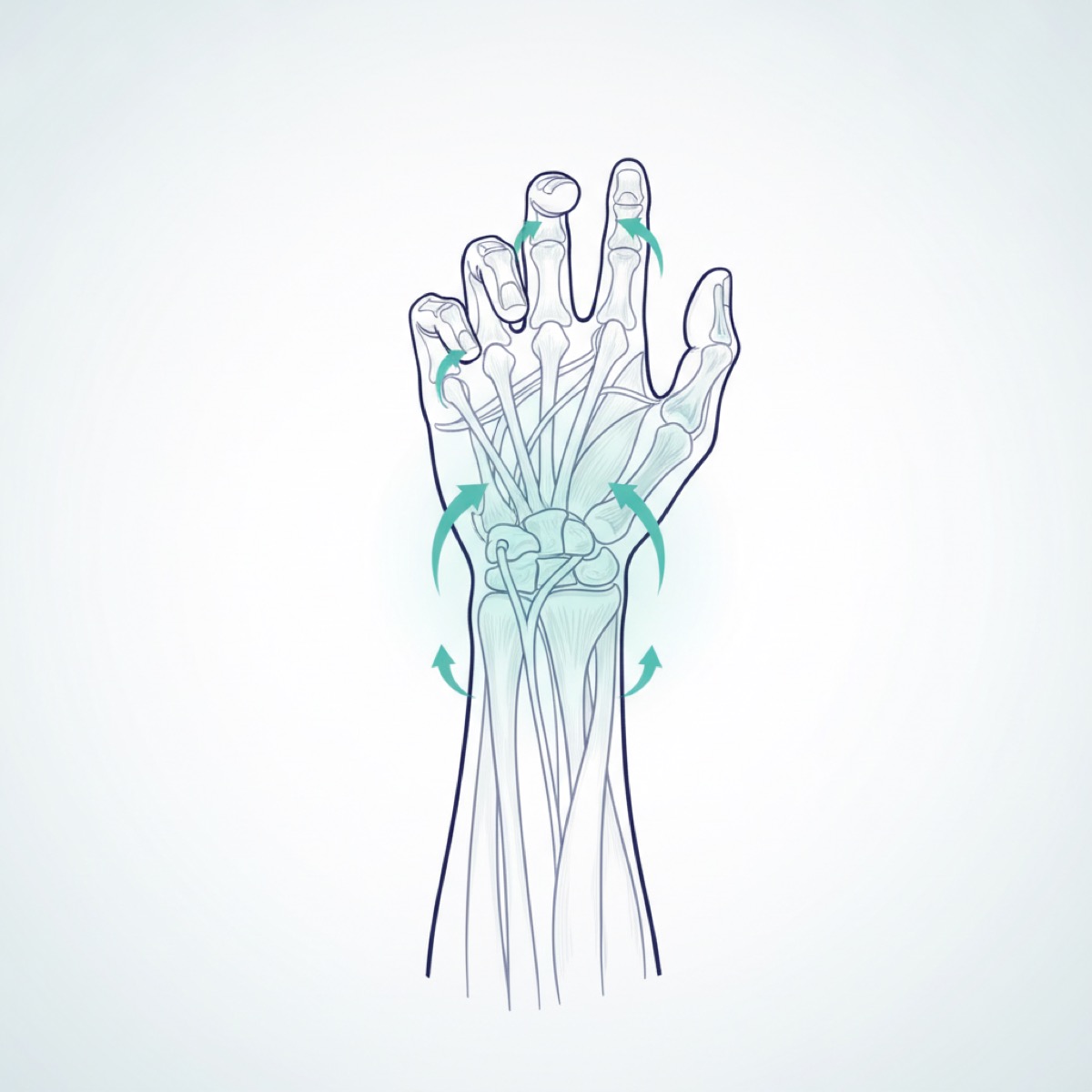
Consider a patient who, post-COVID vaccination, develops persistent pain and numbness, diagnosed with tendonitis but with severe hand immobility and loss of grip strength. Fujii challenges therapists: 'What do you do when such a patient comes in? You can't do anything, right?' This stark question highlights the inadequacy of routine practice when faced with complex, multifactorial conditions like post-COVID musculoskeletal pain.
The call to action is clear: therapists must constantly look 'upwards,' striving to elevate their skills and the value of their treatment. This includes considering models where the therapist's expertise is recognized through self-pay options, allowing for the time and specialized care these complex cases demand [5]. By embracing continuous growth and aiming for mastery, individual therapists can collectively enhance the quality of healthcare for all, transforming the landscape of chronic pain management strategies in the process [6].
Frequently asked questions
Is manual therapy safe for complex pain? — Manual therapy, when performed by a skilled and knowledgeable practitioner, is generally considered safe for many types of complex pain. A thorough assessment is crucial to ensure the techniques applied are appropriate for the individual's specific condition and overall health status.
Can manual therapy help with post-COVID pain? — Yes, manual therapy can be a valuable component in managing post-COVID musculoskeletal pain and associated symptoms like persistent numbness or weakness. By addressing tissue restrictions, improving circulation, and modulating the nervous system, skilled manual therapy can help alleviate symptoms and improve functional capacity.
How do therapists improve their tactile skills? — Improving tactile skills in manual therapy involves dedicated practice, mentorship, and continuous education. It requires focused attention on palpation, a deep understanding of anatomy and physiology, and a commitment to refining one's sensitivity to subtle tissue changes through hands-on experience with diverse patient presentations.
References
- [1]Ajimsha MS, Al-Mudahka NR, Al-Madzhar JA. Effectiveness of myofascial release: a systematic review of randomized controlled trials. J Bodyw Mov Ther. 2015;19(1):102–112.
- [2]Tozzi P, Bongiorno D, Vitturini C. Fascial release effects on patients with non-specific cervical or lumbar pain. J Bodyw Mov Ther. 2011;15(4):405–416.
- [3]Zügel M, Maganaris CN, Wilke J, et al. Fascial tissue research in sports medicine: from molecules to tissue adaptation, injury and diagnostics: consensus statement. Br J Sports Med. 2018;52(23):1497.
- [4]Klingler W, Velders M, Hoppe K, Pedro M, Schleip R. Clinical relevance of fascial tissue and dysfunctions. Curr Pain Headache Rep. 2014;18(8):439.
- [5]Wilke J, Vogt L, Niederer D, Banzer W. Is remote stretching based on myofascial chains as effective as local exercise? A randomised-controlled trial. J Sports Sci. 2017;35(20):2021–2027.
- [6]Palomeque-del-Cerro L, Arráez-Aybar LA, Rodríguez-Blanco C, et al. A systematic review of the soft-tissue connections between neck muscles and dura mater: the myodural bridge. Spine. 2017;42(1):49–54.