Achieving Monthly Sales of 2.65 Million Yen at Fujii Juku
Original title (JP): 藤井塾で月商265万達成!by藤井翔悟 #藤井翔悟 #美容 #靭帯断裂 #医師 #治し方
Supervised by
Shogo Fujii
Physiotherapist (PT) · Founder of the SHOGO FUJII® FASCIA METHOD
View profile →Clinical Article · 5 min read
Are you curious about how effective fascia therapy techniques can transform your practice? Shogo Fujii's approach to achieving impressive sales at Fujii Juku offers valuable insights. By focusing on educating staff and overcoming sales resistance, Fujii has created a thriving business model that others can learn from.
How can fascia therapy boost your clinic's success?
Fascia therapy has been gaining popularity for its potential to enhance patient outcomes and clinic profitability. Shogo Fujii, a leading practitioner, has successfully implemented strategies that have led to monthly sales of 2.65 million yen. His approach emphasizes the importance of overcoming resistance to selling treatment packages, which can significantly benefit both patients and practitioners.
By educating staff and fostering a culture where high-value packages are the norm, clinics can see substantial growth. Fujii's experience shows that when staff are well-trained and confident in their offerings, the fear of selling diminishes, leading to increased patient satisfaction and revenue.
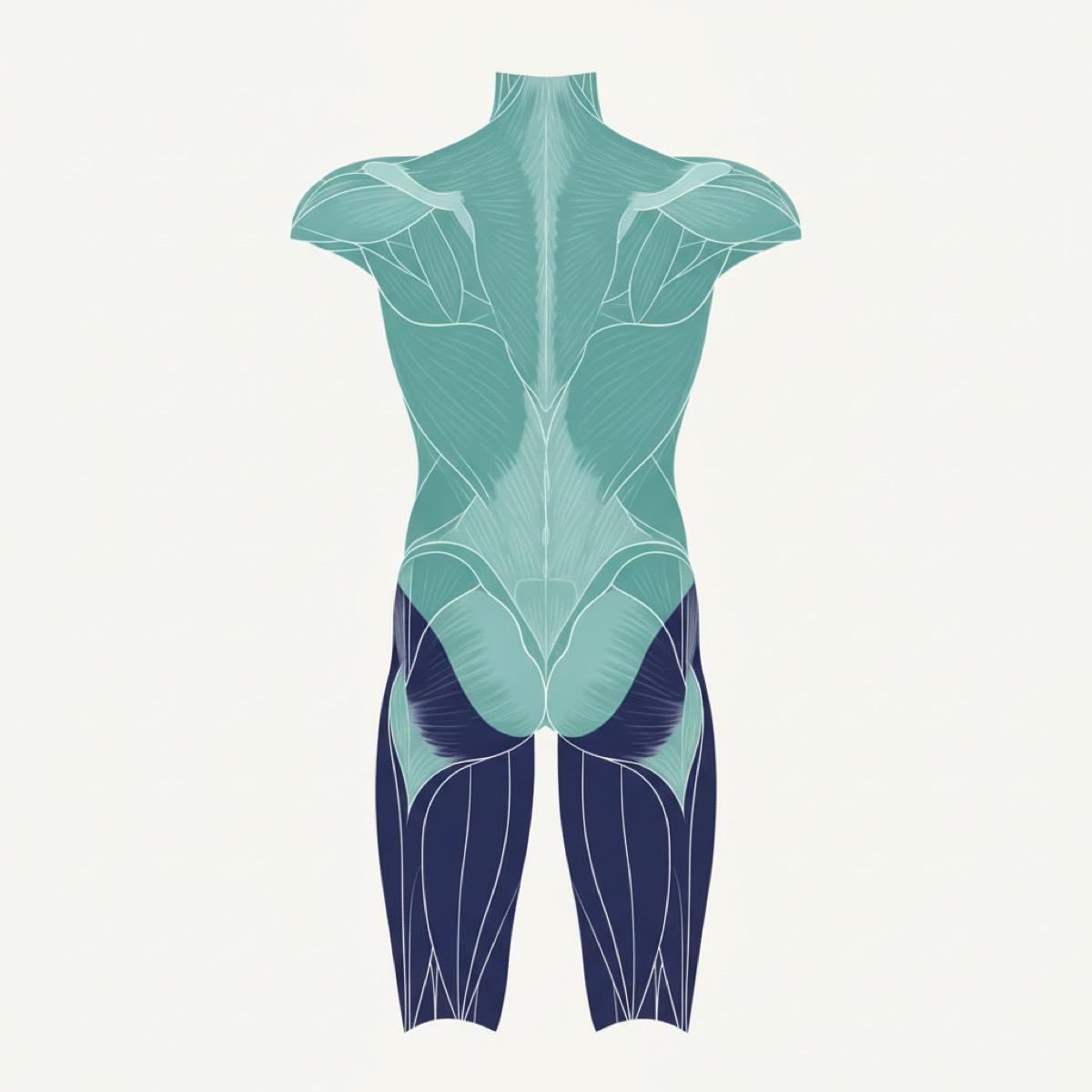
What are the key challenges in fascia therapy practice?
One of the main challenges in fascia therapy practice is the initial resistance to selling comprehensive treatment packages. Many practitioners fear that high prices might deter patients. However, Fujii's experience demonstrates that when the value of the treatment is clearly communicated, patients are more likely to commit to ongoing care.
Another challenge is ensuring consistent quality across different locations as clinics expand. Fujii plans to open additional branches while maintaining the same level of service. This involves training staff to uphold the clinic's standards and deliver effective fascia therapy consistently.
Why is staff education crucial in fascia therapy?
Educating staff is a cornerstone of Shogo Fujii's success with fascia therapy. By investing in training, Fujii ensures that his team is equipped with the knowledge and confidence to deliver exceptional care. This not only improves patient outcomes but also builds trust and loyalty.
Staff education also empowers therapists to recommend appropriate treatment packages without hesitation. As a result, patients receive the full benefits of fascia therapy, and clinics see an increase in repeat visits and referrals.

What are the future goals for fascia therapy practices?
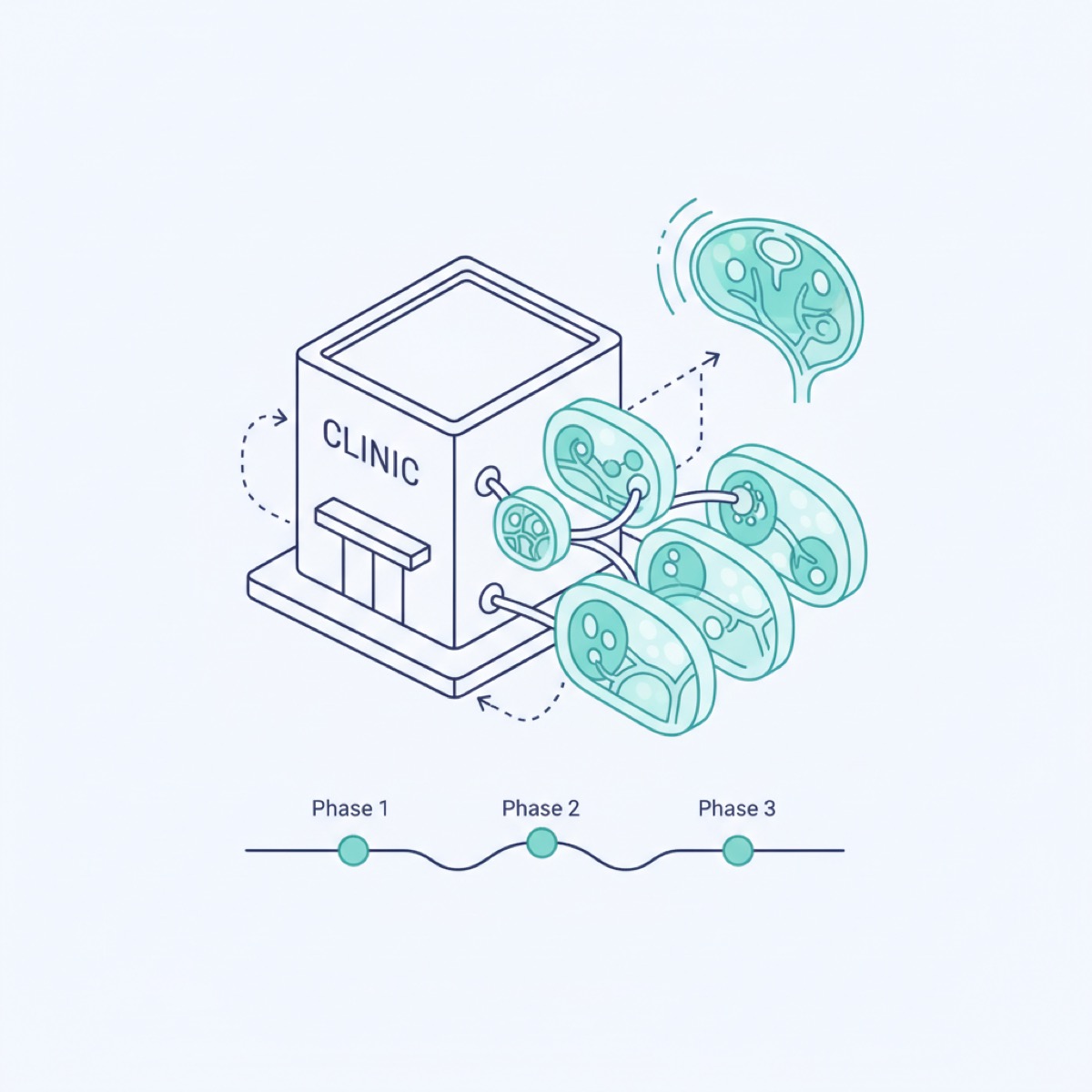
Looking ahead, Shogo Fujii aims to expand his fascia therapy practice by opening more locations. His goal is to replicate the success of his current clinic while maintaining the same level of care and service. This involves strategic staff training and ensuring that each new branch operates with the same principles that have proven successful.
Fujii's experience highlights the importance of perseverance and adaptability in achieving these goals. By continuously evaluating and improving his business model, he sets a benchmark for other practitioners seeking to grow their fascia therapy practices.
Frequently asked questions
Is fascia therapy safe? — Fascia therapy is generally considered safe when performed by trained professionals. It is important for patients to communicate openly with their therapists about any concerns or discomfort during sessions.
How long does it take to see results from fascia therapy? — Results can vary depending on the individual's condition and the frequency of sessions. Some patients report improvements after a few sessions, while others may require ongoing treatment for optimal results.
Can fascia therapy be combined with other treatments? — Yes, fascia therapy can be effectively combined with other treatments such as physical therapy or chiropractic care. It is advisable to discuss any combined treatment plans with your healthcare provider to ensure a coordinated approach.
References
- [1]Stecco C, Stern R, Porzionato A, et al. Hyaluronan within fascia in the etiology of myofascial pain. Surg Radiol Anat. 2011;33(10):891–896.
- [2]Ajimsha MS, Al-Mudahka NR, Al-Madzhar JA. Effectiveness of myofascial release: a systematic review of randomized controlled trials. J Bodyw Mov Ther. 2015;19(1):102–112.
- [3]Tozzi P, Bongiorno D, Vitturini C. Fascial release effects on patients with non-specific cervical or lumbar pain. J Bodyw Mov Ther. 2011;15(4):405–416.
- [4]Zügel M, Maganaris CN, Wilke J, et al. Fascial tissue research in sports medicine: from molecules to tissue adaptation, injury and diagnostics: consensus statement. Br J Sports Med. 2018;52(23):1497.
- [5]Klingler W, Velders M, Hoppe K, Pedro M, Schleip R. Clinical relevance of fascial tissue and dysfunctions. Curr Pain Headache Rep. 2014;18(8):439.
- [6]Wilke J, Vogt L, Niederer D, Banzer W. Is remote stretching based on myofascial chains as effective as local exercise? A randomised-controlled trial. J Sports Sci. 2017;35(20):2021–2027.