Take Action
Original title (JP): 行動しろ #医師 #料理 #靭帯断裂 #日本医療 #美容 #肋間筋 #疼痛治療は評価が9割 #automobile #治し方 #病院
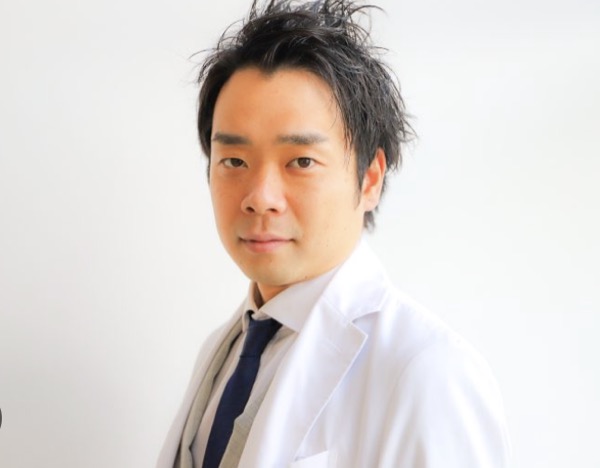
Supervised by
Shogo Fujii
Physiotherapist (PT) · Founder of the SHOGO FUJII® FASCIA METHOD
View profile →Clinical Article · 5 min read
If you want to know how to learn manual therapy techniques faster, the most useful advice from Shogo Fujii's video is simple: stop over-analyzing and start applying. Many clinicians attend seminars, watch videos and read papers, yet see little change in their results because they never put the material into practice. Skill in hands-on care is built through repeated, reflective use, not through study alone [1][2]. This article explains what that means in the treatment room and how to do it safely. It is educational content, not medical advice.
How to learn manual therapy techniques faster: act first, refine later
The message of the video is blunt: do not just discuss, act. After a technique seminar, Fujii urges clinicians not to keep thinking it over but to try it on a patient soon afterward. He describes a rough split of about 90% action and 10% planning. The planning is deliberately small. Its job is to give you a starting point, not a perfect plan.
This matches research on skill acquisition. Expertise grows through deliberate practice, meaning repeated attempts at a specific skill with feedback and adjustment [1]. In clinical education, learners also retain and transfer skills better when they practise them and retrieve them, instead of only re-reading or re-watching [2]. Information tells you what a technique is. Only application shows you how your hands, your patient and your setting respond to it.
Why does attending more seminars and videos not improve results?
Fujii points to a common pattern. People keep consuming content, such as seminars, videos and books, and treat it as progress. Business owners do the same. They watch video after video instead of actually running the ad or sending the flyer. The result is a lot of knowledge and few outcomes.
Learning researchers describe a similar trap, sometimes called the illusion of competence. Familiarity with material can feel like mastery until you have to perform [2]. Fujii's explanation for why people get stuck is a low volume of action. A technique you understand but have never applied cannot be improved, because there is nothing to correct yet.
What does a 90% action, 10% planning approach look like in clinic?
In practice it can be a short loop. Choose one technique from the seminar. Write a few lines on the indication, the method and what you will watch for. Then use it in your next suitable session, with the patient's informed consent. Afterward, note what changed, such as range of motion, pain with movement or the patient's own report, and what did not. Adjust one thing and repeat.
Fujii's central argument is that success comes from correcting failures, and you can only correct failures you have actually produced. Small, frequent attempts with quick feedback are a well-supported way to improve performance [1][3]. Outcome tracking, even a simple before-and-after movement check, makes each attempt informative instead of anecdotal [3].
Is it safe to try a new technique on patients?
Fujii argues that most failures in this field are small and recoverable. They are not life-threatening, so the cost of trying is usually low compared with the cost of never improving. That is a reasonable stance, but only inside a safe clinical framework. Acting quickly does not mean skipping screening.
Before applying any technique, screen for red flags such as suspected fracture, serious pathology, neurological deficits or signs of infection, and refer when they are present [4]. Stay within your scope of practice and training, and explain what you are doing in plain language [5]. Start with gentle intensity, ask for feedback during treatment and stop if symptoms worsen. Manual therapies are generally low risk when applied by trained clinicians, but adverse effects, usually mild and temporary, can occur [6]. The aim is to fail small, learn quickly and protect the patient while you do.
Frequently asked questions
Should I stop attending seminars and courses? — No. Courses give you a technique, a rationale and a starting framework. The video's point is that learning only becomes useful once you apply it, so plan to use what you learn within days, not months [1][2].
How do I know whether a new technique is helping a patient? — Pick one or two simple measures before you start, such as a movement test, pain rating or functional task, and re-check them afterward. Record the result and the patient's own report. Short-term changes do not prove long-term benefit, so keep following progress over several sessions [3].
Is it acceptable to practise on real patients while still learning? — Yes, if it is within your scope and training, you have screened for red flags, the patient has given informed consent, and you use graded, gentle application and stop if symptoms worsen. Practising on colleagues first can add a safety margin [4][5][6]. This article is educational and does not replace individual clinical judgment or medical advice.
References
- [1]Mayer EA. Gut feelings: the emerging biology of gut–brain communication. Nat Rev Neurosci. 2011;12(8):453–466.
- [2]Cryan JF, Dinan TG. Mind-altering microorganisms: the impact of the gut microbiota on brain and behaviour. Nat Rev Neurosci. 2012;13(10):701–712.
- [3]Guo R, Chen LH, Xing C, Liu T. Pain regulation by gut microbiota: molecular mechanisms and therapeutic potential. Br J Anaesth. 2019;123(5):637–654.
- [4]Ricciotti E, FitzGerald GA. Prostaglandins and inflammation. Arterioscler Thromb Vasc Biol. 2011;31(5):986–1000.
- [5]Salehi B, Venditti A, Sharifi-Rad M, et al. The therapeutic potential of apigenin. Int J Mol Sci. 2019;20(6):1305.
- [6]Field R, Pourkazemi F, Turton J, Rooney K. Dietary interventions are beneficial for patients with chronic pain: a systematic review with meta-analysis. Pain Med. 2021;22(3):694–714.