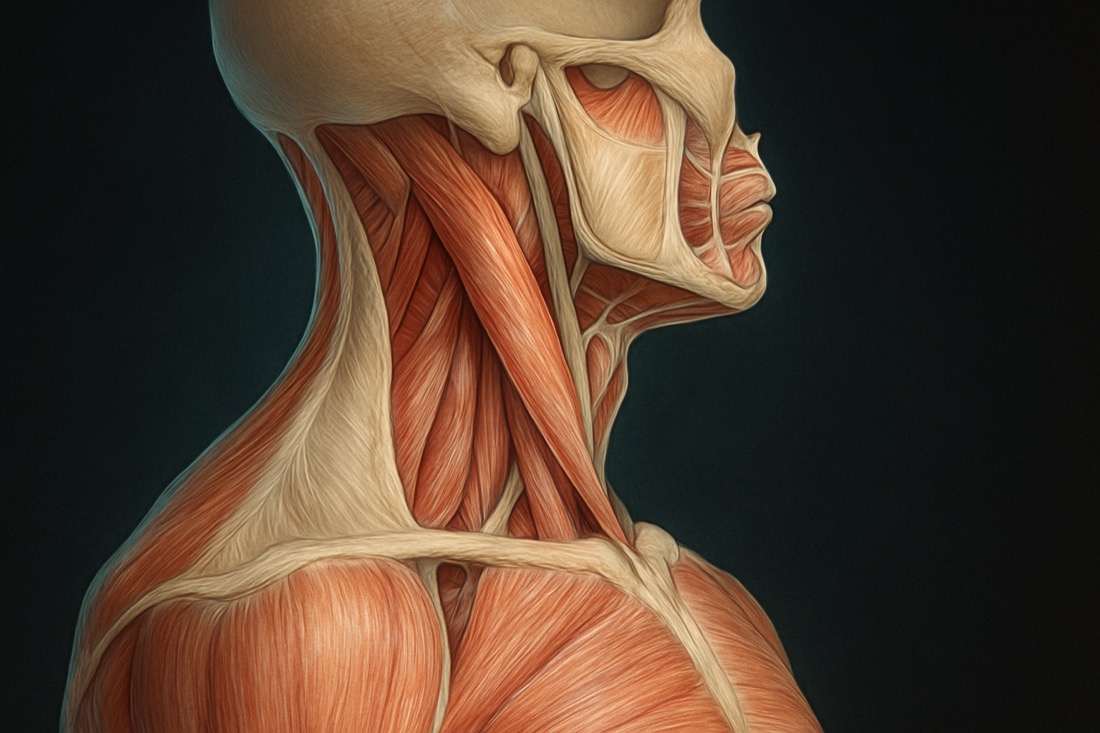
Quit an Unreasonable Workplace
Original title (JP): 理不尽な職場は辞めてしまえ! #医師 #美容 #靭帯断裂 #日本医療 #automobile #治し方 #疼痛治療は評価が9割 #料理 #肋間筋 #病院
Supervised by
Shogo Fujii
Physiotherapist (PT) · Founder of the SHOGO FUJII® FASCIA METHOD
View profile →Clinical Article · 6 min read
For many dedicated clinicians, the path to truly **empowering manual therapists** is often fraught with unexpected challenges within traditional healthcare settings. While passionate about their craft, practitioners, particularly those specializing in innovative approaches like fascia therapy, can encounter workplace environments that stifle growth and discourage the application of advanced techniques. This article, inspired by insights from Shogo Fujii, explores common professional hurdles and champions a mindset shift towards mastering your skills and achieving professional autonomy.
Why Professional Growth Can Be Stifled in Traditional Settings
Within some conventional clinical environments, manual therapists, especially those exploring cutting-edge modalities like fascia therapy, may face unwarranted obstacles. These can manifest as unreasonable discrimination, harassment, or outright prohibitions against utilizing specific techniques [1]. New practitioners might be dismissed with phrases like 'you're too new for this' or 'that technique isn't allowed here,' regardless of its evidence base or potential patient benefit.
Such restrictive practices, often normalized within a hierarchical structure, are not merely 'tradition' but constitute clear instances of power harassment and professional bullying [2]. Forcing clinicians to engage in excessive, unproductive tasks like writing lengthy reports as a form of punishment, for example, deviates from genuine professional development and instead fosters an environment of intimidation.
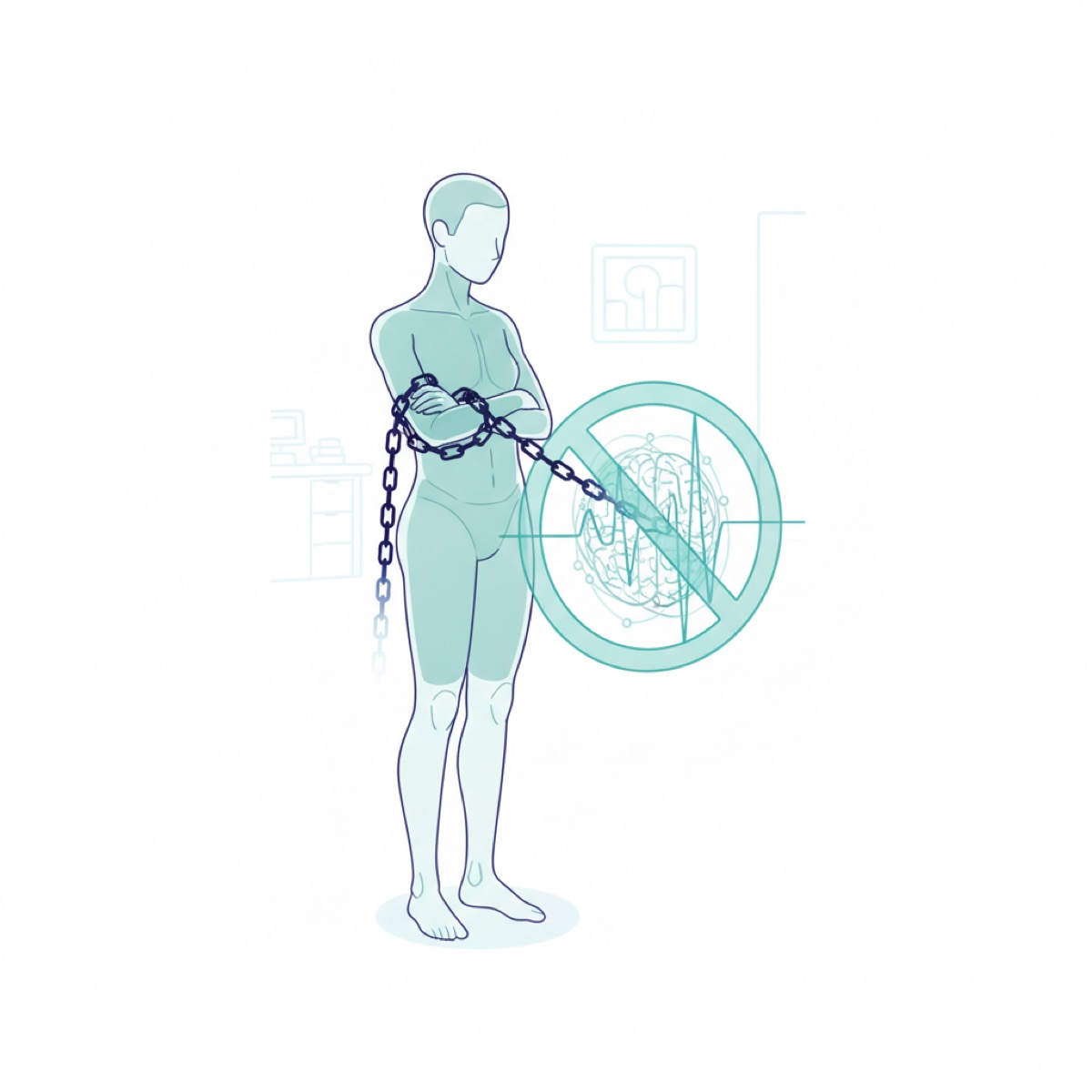
Recognizing Unacceptable Workplace Behavior
It's crucial for manual therapists to recognize that these scenarios—being told certain techniques are forbidden, experiencing harassment, or facing discrimination based on seniority—are not acceptable professional norms. What might be rationalized as 'tough love' or a 'right of passage' in some settings is, in reality, a form of workplace bullying that undermines professional integrity and well-being [3].
This 'sports club mentality,' where hierarchy dictates practice and challenges to the status quo are met with resistance, can prevent clinicians from applying their full skill set and pursuing advanced **professional development in manual therapy**. Such environments not only hinder individual growth but can also negatively impact patient care by limiting access to effective treatments.
Reclaiming Your Professional Path: A Call for Change
Confronting such unreasonable workplace dynamics requires a fundamental shift in perspective. Instead of passively accepting these conditions as 'just how things are,' practitioners are encouraged to challenge the status quo. This might involve speaking up within the existing system, advocating for evidence-informed practice, and demanding a respectful professional environment [4].
However, for those facing persistent and unyielding challenges, a more transformative path may be necessary. As Shogo Fujii suggests, it's about changing your mindset to prioritize your professional autonomy and value your skills. This could mean seeking out supportive clinical settings or, for some, considering the leap towards **independent practice physiotherapy**.
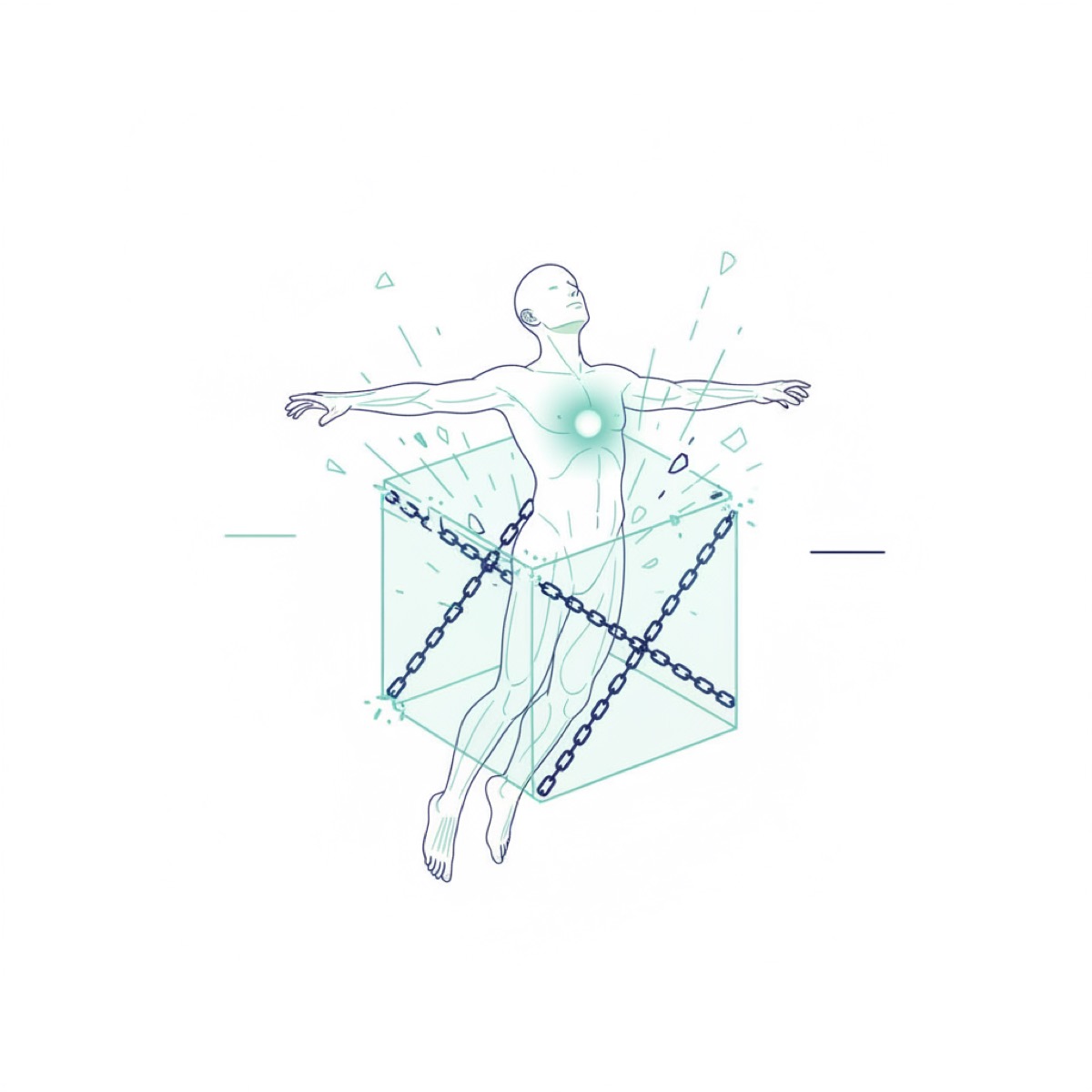
Mastering Your Craft: The Foundation for Independent Practice
The ultimate safeguard against professional stagnation and workplace adversity lies in the mastery of your chosen techniques. For fascia therapists, this means continuously refining your understanding of fascial anatomy, physiology, and hands-on application [5]. A deep commitment to skill development not only enhances patient outcomes but also builds an undeniable professional currency.
With a strong foundation in specialized skills, manual therapists gain the confidence and capability to forge their own paths. This entrepreneurial spirit, focused on leveraging expertise to serve patients directly, can lead to the establishment of a private practice, offering freedom from restrictive workplace cultures and the opportunity for true professional fulfillment [6]. It's about letting your technical prowess speak for itself.
Frequently asked questions
Is workplace bullying common in healthcare? — Unfortunately, studies suggest that workplace bullying and harassment are prevalent issues across various healthcare settings, impacting a significant percentage of professionals. These behaviors can range from verbal abuse and intimidation to professional sabotage and unreasonable demands.
How can I advocate for myself in a difficult work environment? — Advocating for yourself can involve documenting incidents, seeking support from trusted colleagues or professional organizations, understanding your workplace policies, and, if necessary, exploring external legal or HR counsel. Prioritizing your mental and professional well-being is paramount.
What are the benefits of pursuing independent practice as a manual therapist? — Independent practice offers numerous benefits, including autonomy over your clinical decisions, the freedom to implement preferred techniques like fascia therapy, direct control over your work-life balance, and the potential for greater professional and financial reward. It allows you to build a practice aligned with your values and expertise.
References
- [1]Woolf CJ. Central sensitization: implications for the diagnosis and treatment of pain. Pain. 2011;152(3 Suppl):S2–S15.
- [2]Tracey KJ. The inflammatory reflex. Nature. 2002;420(6917):853–859.
- [3]Mayer EA. Gut feelings: the emerging biology of gut–brain communication. Nat Rev Neurosci. 2011;12(8):453–466.
- [4]Cryan JF, Dinan TG. Mind-altering microorganisms: the impact of the gut microbiota on brain and behaviour. Nat Rev Neurosci. 2012;13(10):701–712.
- [5]Guo R, Chen LH, Xing C, Liu T. Pain regulation by gut microbiota: molecular mechanisms and therapeutic potential. Br J Anaesth. 2019;123(5):637–654.
- [6]Ricciotti E, FitzGerald GA. Prostaglandins and inflammation. Arterioscler Thromb Vasc Biol. 2011;31(5):986–1000.