Forget Asset Management — Just Quit It
Original title (JP): 資産運用なんて、辞めちまえ! #医師 #美容 #肋間筋 #日本医療 #料理 #靭帯断裂 #疼痛治療は評価が9割 #受験 #治し方 #病院

Supervised by
Shogo Fujii
Physiotherapist (PT) · Founder of the SHOGO FUJII® FASCIA METHOD
View profile →Clinical Article · 7 min read
In a world where quick fixes and passive solutions often dominate the narrative around health, it's easy to feel like you're wasting time on treatments that don't deliver lasting relief. Just as true fulfillment isn't found in mere asset management, genuine physical well-being extends beyond superficial symptom control. For those seeking a deeper, more profound approach to chronic pain, understanding and applying **effective fascia release techniques** can be a game-changer, shifting your focus from temporary fixes to true, sustainable healing.
Why Are Effective Fascia Release Techniques Crucial for Lasting Relief?
Many individuals spend countless hours and resources on pain management strategies that offer only fleeting comfort, much like investing in financial schemes without a deeper understanding of true value. This cycle of temporary relief can leave you feeling frustrated and as if you're continually wasting time, never addressing the root cause of your discomfort [1].
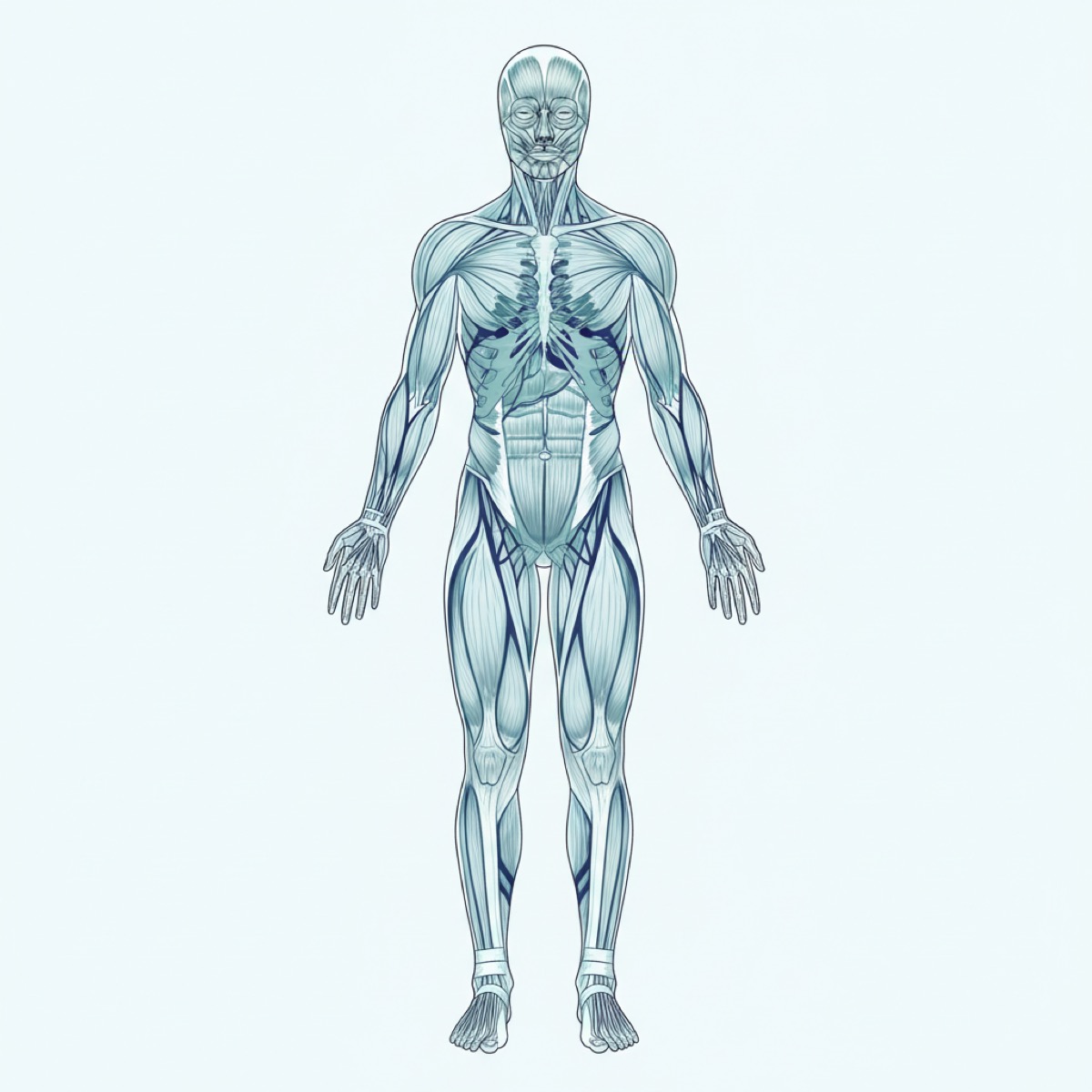
Often, the overlooked culprit is the fascia, a complex web of connective tissue that envelops muscles, organs, and bones throughout your entire body. When fascia becomes tight, restricted, or adhered due to injury, stress, or poor posture, it can exert immense pressure on pain-sensitive structures, leading to chronic pain and limited mobility [2].
This is where **effective fascia release techniques** come into play. Instead of merely treating symptoms, these specialized approaches target the fascial system directly, aiming to restore its natural elasticity and fluidity. By releasing these restrictions, we can unlock profound and lasting relief, empowering your body to move with greater freedom and less pain [3].
Beyond Symptom Management: Finding Meaning in Movement
Just as true life satisfaction comes from meaningful engagement rather than passive accumulation, genuine physical well-being isn't just about the absence of pain. It’s about the joy of movement, the ability to participate fully in life, and the profound sense of value derived from a body that functions optimally [4].
When your fascial system is healthy, it supports efficient movement, enhances athletic performance, and contributes to overall bodily harmony. Conversely, fascial dysfunction can hinder these vital functions, diminishing your quality of life and limiting your capacity to engage in activities you love [2].
A holistic approach to fascia therapy recognizes that treating the body is not merely a clinical task but an opportunity to restore a patient's connection to their physical self, fostering a sense of empowerment and purpose in their journey toward health. It's about enabling you to live a life where movement is a source of pleasure, not pain [5].
How Does Fascia Release Work to Unlock Your Body's Potential?
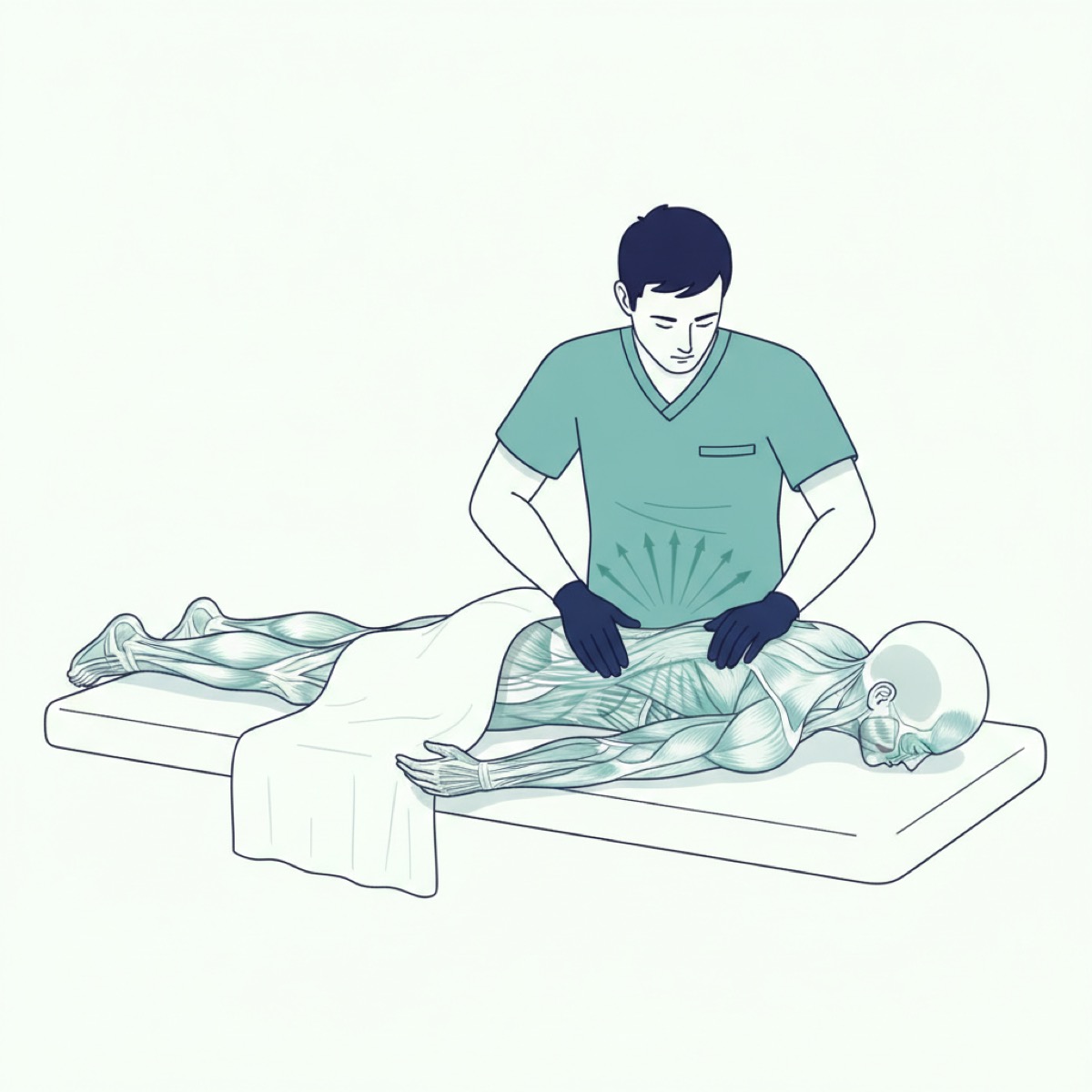
Fascia release involves a range of hands-on techniques designed to apply sustained pressure and stretch to restricted fascial tissues. Unlike traditional massage that focuses primarily on muscles, fascia release specifically targets the dense, web-like connective tissue that can become rigid and inflexible [3].
Therapists use their hands, elbows, or specialized tools to gently, yet firmly, stretch and mobilize the fascia. This sustained pressure encourages the viscous ground substance within the fascia to become more fluid, allowing the tight, cross-linked fibers to release and lengthen. This process can reduce pressure on nerves and muscles, alleviate pain, and improve range of motion [6].
The goal is not just temporary relief but to facilitate a fundamental change in the tissue's structure, promoting long-term flexibility and reducing the likelihood of recurrence. It's an active partnership between therapist and patient, much like building a robust business requires ongoing effort and strategic engagement, not just passive investment.
What to Expect from a Comprehensive Fascia Release Approach
Embarking on a fascia release journey is a commitment to your body's long-term health, much like dedicating yourself to a fulfilling career rather than seeking early retirement. Your initial session will typically involve a thorough assessment to identify areas of fascial restriction and understand your unique pain patterns and movement limitations [1].
Treatment sessions often involve a combination of manual techniques, education on self-care, and prescribed therapeutic exercises. You might experience a sensation of deep stretch, warmth, or even some temporary tenderness as the tissues release. However, this is generally followed by a feeling of lightness and increased mobility [4].
The path to optimal fascial health is rarely a one-time fix; it’s a progressive process. Consistent engagement with your treatment plan and integrating new movement patterns into your daily life are key to achieving and maintaining lasting results. This active participation empowers you to take control of your well-being, fostering resilience and sustained physical freedom [5].
Frequently asked questions
Is fascia release painful? — While some areas of fascial restriction may feel tender or intensely stretched during treatment, it is generally not described as painful in an injurious way. Therapists work within your comfort level, and any discomfort is typically a sign of tissue release, often followed by significant relief and improved mobility.
How many sessions are typically needed? — The number of sessions varies widely depending on the individual's condition, the chronicity of their pain, and their response to treatment. Some individuals experience significant relief in just a few sessions, while others with long-standing issues may benefit from a more extended course of therapy. Your therapist will develop a personalized treatment plan during your initial assessment.
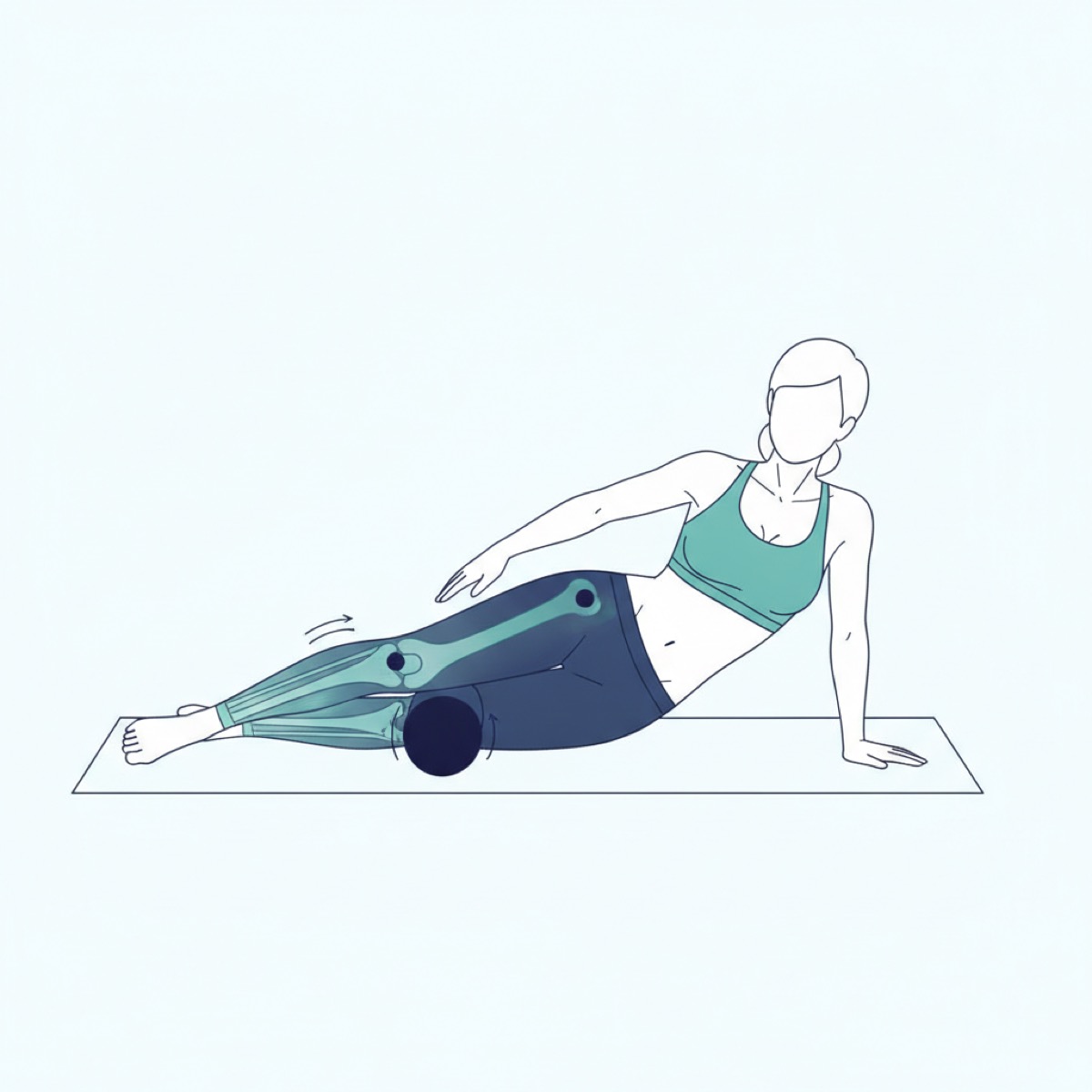
Can I perform fascia release on myself? — Yes, many self-fascia release techniques can be effectively performed at home using tools like foam rollers, massage balls, or even your own hands. However, it's crucial to receive guidance from a qualified therapist first to ensure proper technique, identify appropriate areas to target, and avoid potential injury. Self-care is an excellent complement to professional treatment.
References
- [1]Woolf CJ. Central sensitization: implications for the diagnosis and treatment of pain. Pain. 2011;152(3 Suppl):S2–S15.
- [2]Tracey KJ. The inflammatory reflex. Nature. 2002;420(6917):853–859.
- [3]Mayer EA. Gut feelings: the emerging biology of gut–brain communication. Nat Rev Neurosci. 2011;12(8):453–466.
- [4]Cryan JF, Dinan TG. Mind-altering microorganisms: the impact of the gut microbiota on brain and behaviour. Nat Rev Neurosci. 2012;13(10):701–712.
- [5]Guo R, Chen LH, Xing C, Liu T. Pain regulation by gut microbiota: molecular mechanisms and therapeutic potential. Br J Anaesth. 2019;123(5):637–654.
- [6]Ricciotti E, FitzGerald GA. Prostaglandins and inflammation. Arterioscler Thromb Vasc Biol. 2011;31(5):986–1000.