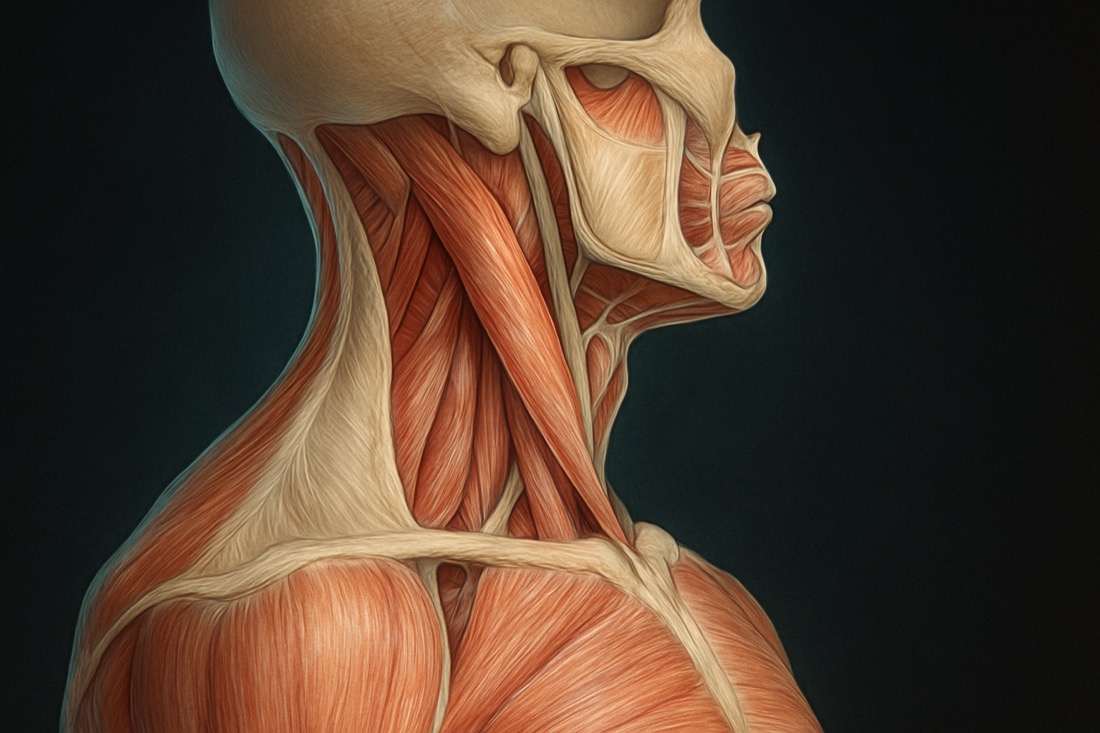
Quit the Job That's Crushing Your Potential
Original title (JP): 君の可能性を潰す職場はやめとけ #医師 #美容 #肋間筋 #日本医療 #料理 #靭帯断裂 #疼痛治療は評価が9割 #受験 #治し方 #病院
Supervised by
Shogo Fujii
Physiotherapist (PT) · Founder of the SHOGO FUJII® FASCIA METHOD
View profile →Clinical Article · 10 min read
In today's dynamic healthcare landscape, many therapists find themselves seeking avenues for greater professional fulfillment and impact beyond the confines of traditional roles. While conventional clinical settings offer invaluable experience, true career acceleration and profound patient results often stem from developing highly specialized skills that truly set a practitioner apart. This is precisely where Empowering Your Practice with Advanced Fascia Therapy becomes a transformative force, offering a clear pathway to not only enhance patient outcomes dramatically but also unlock unprecedented clinical independence and cultivate significant market value.
Why Embracing Advanced Fascia Therapy is Crucial for Career Growth
For many dedicated physical therapists, occupational therapists, and other manual therapy practitioners, the confines of conventional workplaces can sometimes feel limiting, hindering the full expression of their skills, clinical autonomy, and professional potential. Clinging to environments that don't actively foster continuous professional growth or adequately support the application of specialized, advanced techniques can ultimately stifle innovation and diminish a therapist's overall impact [1]. Recognizing this pervasive challenge, an increasing number of clinicians are now proactively exploring ways to differentiate themselves and provide truly unique, high-value care.
The therapy profession, particularly for those who have cultivated exceptional skills in manual techniques, possesses remarkable fluidity and adaptability. Unlike some other healthcare roles that are tightly bound to institutional structures, the potential for establishing a thriving independent practice is genuinely within reach for those who commit to cultivating superior expertise. Empowering Your Practice with Advanced Fascia Therapy means acquiring a highly refined and specialized skillset that demonstrably transcends standard care, enabling you to achieve profound, lasting results that might be unattainable in more conventional, time-constrained settings [2]. This crucial distinction in clinical efficacy forms the bedrock of true professional independence and market recognition.
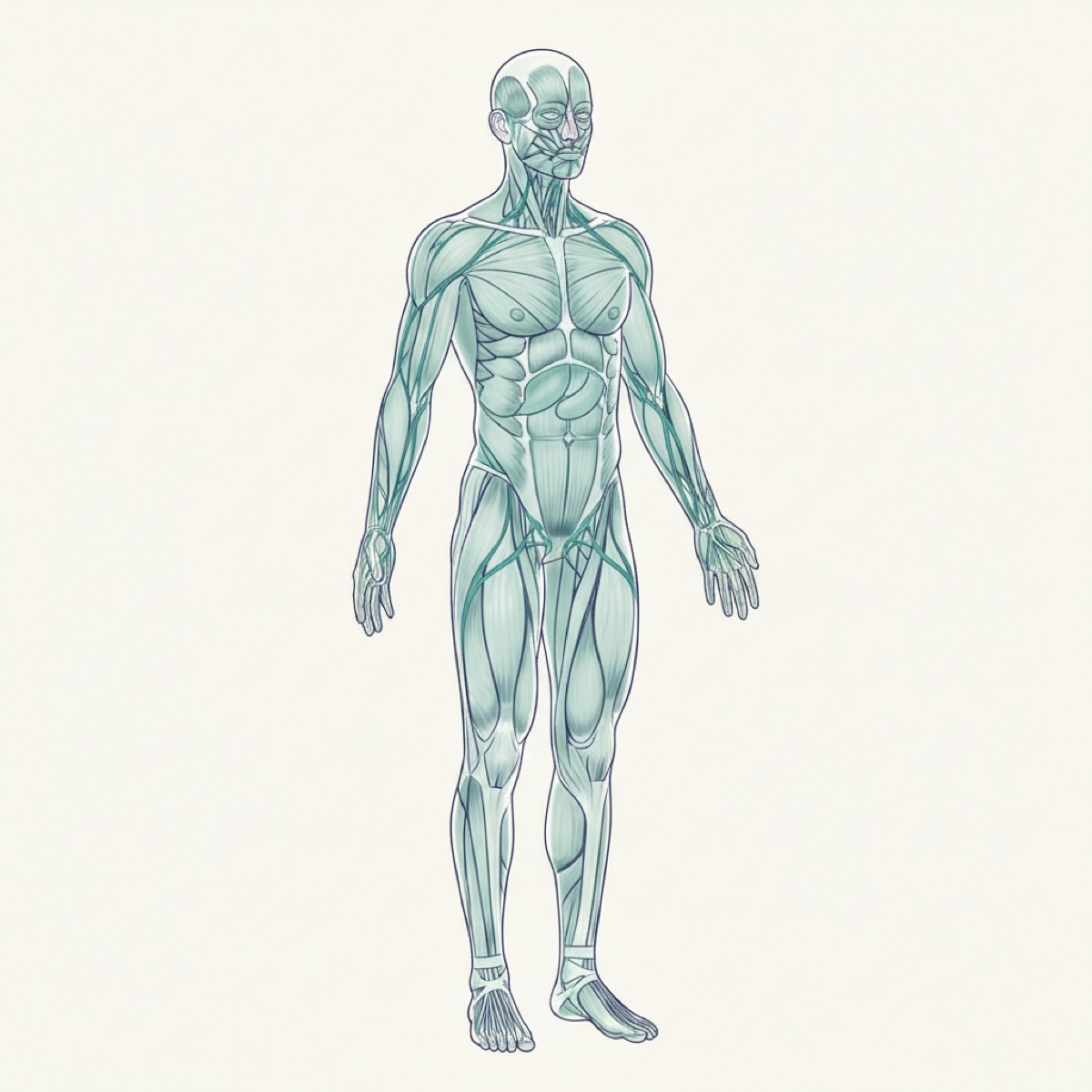
How Can Specialized Skills Elevate Your Clinical Impact and Market Value?
The true measure of a therapist's value and influence often lies in their unique ability to effectively address complex patient problems that have proven resistant to more generalized or standard interventions. By focusing intensely on mastering advanced manual therapy techniques, such as those within the specialized domain of fascia therapy, you develop an unparalleled capacity to deliver superior and often transformative patient outcomes. This elevated level of expertise naturally creates a significantly higher market value, as patients actively seek out practitioners who possess the specific skills to provide effective solutions to their persistent and challenging issues [3].
Consider the profound personal and professional satisfaction of being able to resolve chronic pain conditions, restore significant mobility limitations, or facilitate recovery where standard treatments have repeatedly fallen short. Such impactful results not only build an irrefutable reputation for excellence but also empower therapists to envision and build a practice where their unique contributions are fully recognized, deeply appreciated, and appropriately compensated. This mastery in specialized therapy is a direct, empowering path to greater professional autonomy, enhanced job satisfaction, and the ability to operate effectively beyond the often-restrictive constraints of a fixed salary or rigid institutional protocols.
Cultivating High-Value Fascia Therapy Expertise for Lasting Success
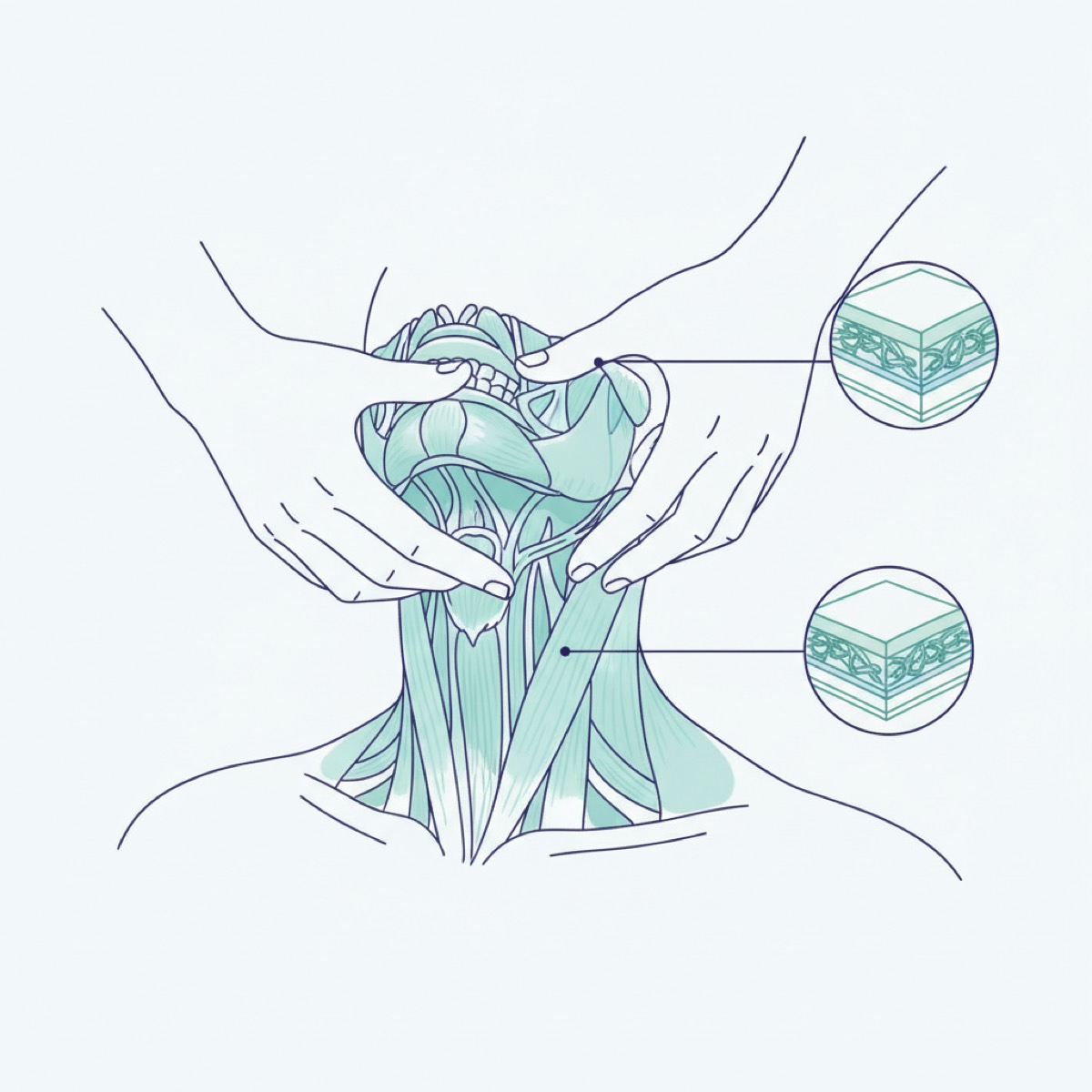
Developing truly advanced fascia therapy skills requires a profound and dedicated effort, involving continuous learning and rigorous practice that extends well beyond initial academic qualifications. It necessitates a deep, comprehensive dive into intricate fascial anatomy, sophisticated biomechanics, and the nuanced, precise application of various manual techniques designed to effectively identify, assess, and release restrictions and dysfunctions within the fascial system [4]. This unwavering commitment to mastery allows therapists to build a robust, versatile repertoire of skills that are both exceptionally effective in clinical application and highly sought after by patients seeking specialized care.
Shogo Fujii, a prominent and successful figure in the field of manual therapy, strongly emphasizes that intense, focused study and practical application during the early career years can lay an exceptionally strong foundation for significant future success and professional independence. By prioritizing practical application, continually refining your hands-on abilities, and developing a deep intuitive understanding of fascial dynamics, you can achieve a level of clinical proficiency that consistently delivers tangible, often profound and lasting, results for your patients. This focused, intentional development is absolutely key to becoming a recognized leader in specialized manual therapy and a trusted resource for complex cases.
Beyond the Title: Identifying and Meeting Unique Market Needs
A therapist's professional potential should never be viewed as limited solely by their initial national qualification, whether it be as a physical therapist, occupational therapist, or another allied health professional. The world is replete with individuals suffering from complex, often chronic, and unmet health needs, and wherever there's a persistent problem, there's inherently a market for a truly valuable and effective solution. The strategic goal for any ambitious therapist should be to become a practitioner who can consistently offer high-value, specialized solutions that go significantly beyond what is typically available in general practice, thereby actively creating your own demand and fulfilling a crucial, often underserved, role in patient care [5].
This forward-thinking, entrepreneurial mindset encourages therapists to look perceptively beyond traditional job descriptions and instead focus keenly on what unique, specialized value they can bring to the broader healthcare market. By consistently striving to become a "high-value self" — a professional whose specialized skills, clinical insights, and patient outcomes are genuinely unparalleled — you can build a thriving, independent practice that not only serves a specific, appreciative niche but also consistently provides exceptional patient care. This transformative journey towards clinical independence is ultimately about empowering yourself to serve patients more effectively, achieve superior results, and fully realize your deepest professional aspirations [6].

Frequently asked questions
Q1 — Is advanced fascia therapy widely recognized in the broader medical community? — While traditional medical settings may often prioritize conventional, evidence-based approaches, advanced fascia therapy is progressively gaining significant recognition among patients and a growing number of forward-thinking clinicians for its demonstrated effectiveness in addressing complex chronic pain, persistent mobility issues, and facilitating enhanced post-injury recovery. Its unique value is increasingly acknowledged within specialized manual therapy communities and by discerning patients actively seeking innovative alternatives or powerful complements to standard care.
Q2 — How long does it take to develop truly advanced fascia therapy skills? — Developing truly advanced skills in fascia therapy is an immersive, ongoing journey of continuous learning, dedicated practice, and profound experiential understanding. While foundational courses can certainly provide a strong initial framework, true mastery requires intensive, dedicated study, consistent hands-on experience with diverse patient populations, invaluable mentorship from seasoned practitioners, and an unwavering commitment to refining and adapting techniques over several years. The pace of development often depends significantly on individual dedication, access to high-quality education, and opportunities for practical application.
Q3 — Can any therapist realistically pursue clinical independence with advanced skills? — Yes, any dedicated therapist with the intrinsic drive to develop high-value, specialized skills can realistically pursue and achieve clinical independence. The fundamental key is to cultivate a level of expertise that consistently delivers exceptional, measurable patient outcomes, thereby creating a unique and compelling market value for your services. This empowering path requires not only profound clinical proficiency and continuous skill refinement but also a foundational understanding of business principles, effective marketing strategies, and an unwavering commitment to serving patient needs with unparalleled excellence.
References
- [1]Langevin HM. Connective tissue: a body-wide signaling network? Med Hypotheses. 2006;66(6):1074–1077.
- [2]Schleip R. Fascial plasticity — a new neurobiological explanation. J Bodyw Mov Ther. 2003;7(1):11–19.
- [3]Wilke J, Krause F, Vogt L, Banzer W. What Is Evidence-Based About Myofascial Chains? A Systematic Review. Arch Phys Med Rehabil. 2016;97(3):454–461.
- [4]Krause F, Wilke J, Vogt L, Banzer W. Intermuscular force transmission along myofascial chains: a systematic review. J Anat. 2016;228(6):910–918.
- [5]Stecco C, Stern R, Porzionato A, et al. Hyaluronan within fascia in the etiology of myofascial pain. Surg Radiol Anat. 2011;33(10):891–896.
- [6]Ajimsha MS, Al-Mudahka NR, Al-Madzhar JA. Effectiveness of myofascial release: a systematic review of randomized controlled trials. J Bodyw Mov Ther. 2015;19(1):102–112.