Could You Survive Without Your License?
Original title (JP): 君は資格なしで生きていけるか? #医師 #美容 #靭帯断裂 #日本医療 #恐怖 #肋間筋 #疼痛治療は評価が9割 #料理 #治し方 #病院
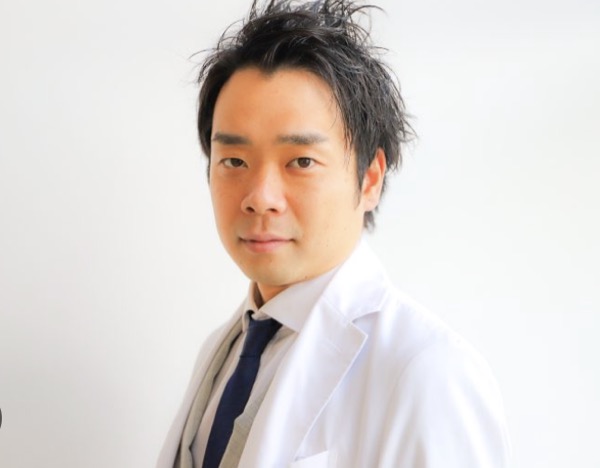
Supervised by
Shogo Fujii
Physiotherapist (PT) · Founder of the SHOGO FUJII® FASCIA METHOD
View profile →Clinical Article · 6 min read
For many healthcare professionals, the path to practice often seems inextricably linked to institutional settings and specific qualifications. However, as Shogo Fujii suggests, true professional autonomy and resilience in an evolving landscape demand a deeper cultivation of **independent manual therapy skills** [1]. This article explores how clinicians can build a robust professional identity and market value that extends beyond traditional employment structures, empowering them to thrive in any environment.
Why Cultivating Independent Manual Therapy Skills is Essential for Modern Clinicians
In an era of increasing uncertainty, relying solely on a hospital or a specific qualification for professional sustenance can limit a clinician's potential and autonomy. Shogo Fujii, a respected voice in physiotherapy, challenges healthcare professionals to look beyond institutional dependency and cultivate skills that stand alone [2]. This perspective encourages a shift from being employed *because* of a qualification to being employable *despite* or *in addition to* it.
The conventional model often places therapists within a hospital structure, where their role is defined by their license. However, true professional independence, or **professional autonomy in healthcare**, emerges when a practitioner's abilities are so distinct and valuable that they can operate effectively in any setting, free from the constraints of a single employer or a rigid system. This foundation is crucial for long-term career stability and personal fulfillment.
What Defines Your True Market Value as a Therapist?
Fujii emphasizes the concept of 'market value' or 'true ability' – a personal power that transcends mere certification. This isn't about discarding your qualifications, but rather building upon them to create a unique offering. It means developing expertise that is sought after, whether you're working within an established clinic or building your own **private practice manual therapy** service [3].
Many clinicians, especially those focused on musculoskeletal issues, risk becoming 'just an old guy who knows a lot about muscles' if they don't cultivate a specialized, high-value skill set. The goal is to possess a unique strength that allows you to compete and thrive in the private sector, offering services that clients actively seek out for their distinct benefits, such as specialized fascia therapy techniques [4].
How to Build Your Unique Professional Strength in Three Years
The journey to developing this level of professional independence is not an overnight process, but it is achievable. Fujii suggests that with focused effort, a clinician can cultivate this 'market value' within approximately three years. He cites his own experience, achieving this transformation between the ages of 22 and 25, which ultimately led him to establish his own independent practice.
This three-year period is dedicated to intentional skill acquisition and refinement. It involves identifying niche areas, mastering advanced techniques—perhaps in fascia therapy—and understanding how to effectively communicate and deliver value to clients outside of a hospital-dependent model. It's about proactive learning and strategic application to carve out a distinct professional identity [5].

Transitioning to Autonomy: Thriving in Private Practice and Beyond
For those working in institutional settings, the temptation is to rely solely on the scope of practice defined by their employer and qualification. However, true autonomy means possessing capabilities that are valuable in the 'free treatment field' (自由診療分野) – private practice, where clients directly choose and pay for your specialized services [6]. This is where the cultivation of **independent manual therapy skills** truly shines.
This transition requires a re-evaluation of one's strengths and a commitment to continuous development. It's about asking: 'Do I possess a unique power that can compete effectively in the private sector?' For fascia therapists, this might mean mastering advanced assessment and treatment protocols that offer unique solutions to complex conditions, attracting a clientele specifically seeking your expertise.

Frequently asked questions
**Is this approach only for physiotherapists?** — While the original context mentions physiotherapists and medical practitioners, the principles of cultivating independent skills and market value apply broadly to any healthcare professional seeking greater autonomy and resilience in their career, including manual therapists, chiropractors, and osteopaths.
**What kind of 'market value' skills are we talking about?** — 'Market value' refers to specialized abilities that are highly sought after by clients, allowing you to operate successfully outside of traditional employment. This could include advanced manual therapy techniques like fascia release, unique assessment methods, specialized rehabilitation protocols, or exceptional client communication and education skills.
**How can fascia therapy contribute to this independence?** — Fascia therapy, with its specialized techniques and holistic approach to pain and dysfunction, offers a distinct and often highly effective treatment modality. Mastering fascia therapy can be a significant component of developing unique **independent manual therapy skills**, attracting a niche clientele and establishing a strong reputation in the private sector.
References
- [1]Langevin HM. Connective tissue: a body-wide signaling network? Med Hypotheses. 2006;66(6):1074–1077.
- [2]Schleip R. Fascial plasticity — a new neurobiological explanation. J Bodyw Mov Ther. 2003;7(1):11–19.
- [3]Wilke J, Krause F, Vogt L, Banzer W. What Is Evidence-Based About Myofascial Chains? A Systematic Review. Arch Phys Med Rehabil. 2016;97(3):454–461.
- [4]Krause F, Wilke J, Vogt L, Banzer W. Intermuscular force transmission along myofascial chains: a systematic review. J Anat. 2016;228(6):910–918.
- [5]Stecco C, Stern R, Porzionato A, et al. Hyaluronan within fascia in the etiology of myofascial pain. Surg Radiol Anat. 2011;33(10):891–896.
- [6]Ajimsha MS, Al-Mudahka NR, Al-Madzhar JA. Effectiveness of myofascial release: a systematic review of randomized controlled trials. J Bodyw Mov Ther. 2015;19(1):102–112.