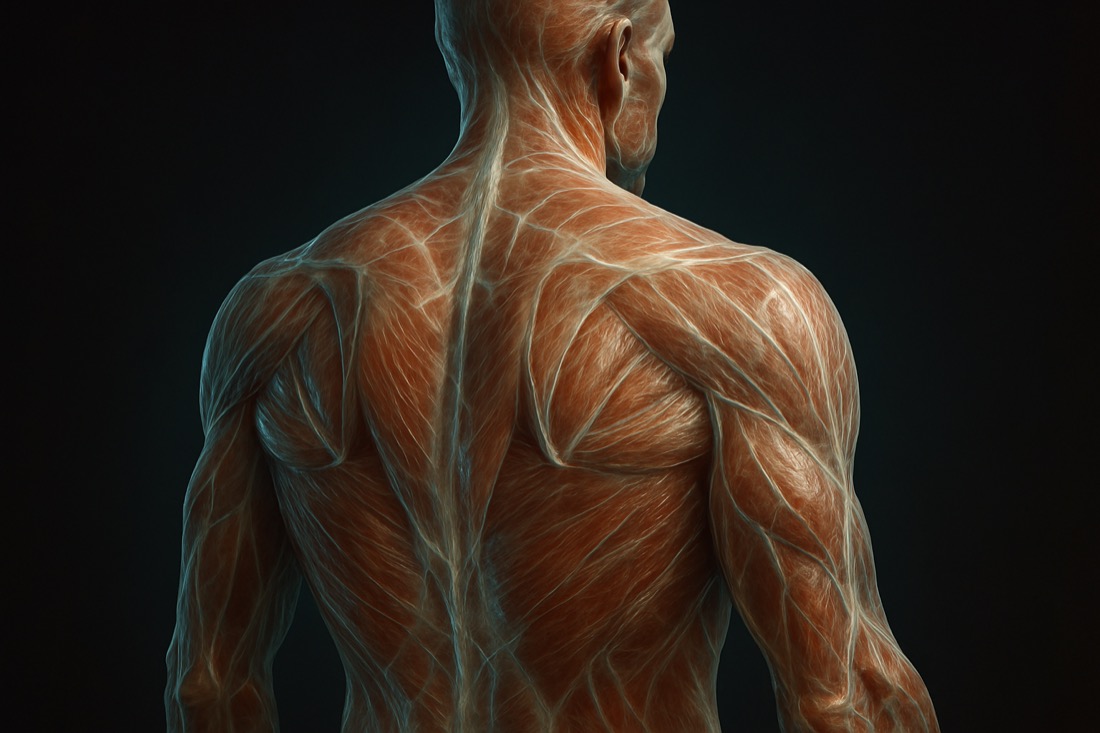
Your Future Looks Bleak
Original title (JP): 君の将来は暗い #医師 #automobile #靭帯断裂 #日本医療 #美容 #肋間筋 #疼痛治療は評価が9割 #www #治し方 #病院

Supervised by
Shogo Fujii
Physiotherapist (PT) · Founder of the SHOGO FUJII® FASCIA METHOD
View profile →Clinical Article · 7 min read
In the dynamic field of physiotherapy, mastering advanced fascia therapy techniques is becoming increasingly crucial for clinicians seeking to deliver exceptional patient outcomes and secure their professional future. Beyond simply applying manual skills, a holistic approach that values deep assessment and strategic practice empowers therapists to address complex pain patterns effectively. This perspective, championed by educators like Shogo Fujii, suggests that understanding the broader professional landscape can drive therapists to cultivate specialized expertise, ultimately benefiting their patients and their careers.
Why Advanced Fascia Therapy Techniques Are Essential in Modern Practice
The landscape of physiotherapy is continually evolving, demanding more from practitioners than ever before. While foundational skills are vital, the modern clinician, much like any professional striving for excellence, must consider how to offer unique and high-value services. As noted by experienced practitioners, relying solely on traditional models may not always provide the professional growth or financial recognition that dedicated therapists deserve [1]. This reality underscores the importance of specialization.
Advanced fascia therapy techniques represent a frontier in manual therapy, offering targeted solutions for persistent pain and movement dysfunctions that often elude conventional treatments. By delving into the intricate web of fascia – the connective tissue system that permeates the entire body – therapists can identify and release restrictions that contribute to chronic issues, providing relief and restoring function where other methods might fall short [2]. This specialization not only elevates patient care but also positions the therapist as an expert in a highly sought-after field.
Beyond the Surface: The Art of Fascial Assessment
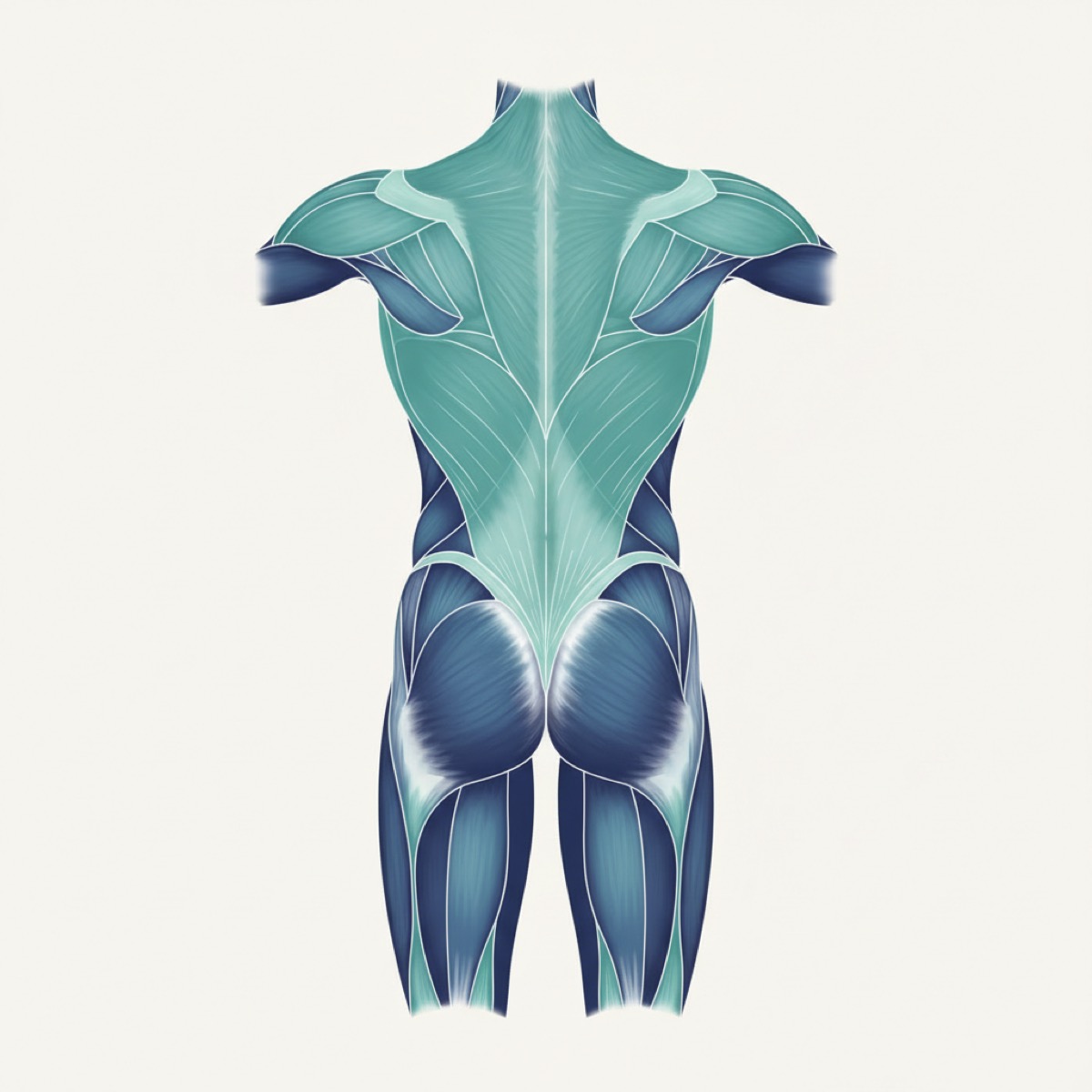
Effective pain treatment, particularly in fascia therapy, hinges on meticulous assessment. It's not enough to simply apply a technique; one must first understand the root cause of the dysfunction. This involves a comprehensive evaluation that goes beyond localized symptoms, considering the interconnectedness of the fascial system across the entire body [3]. Clinicians utilize skilled palpation, observing tissue texture, tension, and mobility, alongside detailed postural and movement analyses.
The 'importance of assessment' extends to identifying patterns of restriction that may be distant from the primary site of pain. For example, a restriction in the calf fascia could contribute to shoulder pain due to the continuous fascial lines. A therapist employing advanced fascia therapy techniques must develop a keen sense of touch and a deep understanding of fascial anatomy and biomechanics to accurately pinpoint these critical areas. This diagnostic precision is what transforms a general manual therapy approach into a truly impactful, specialized intervention.
Key Principles of Effective Fascia Release Techniques
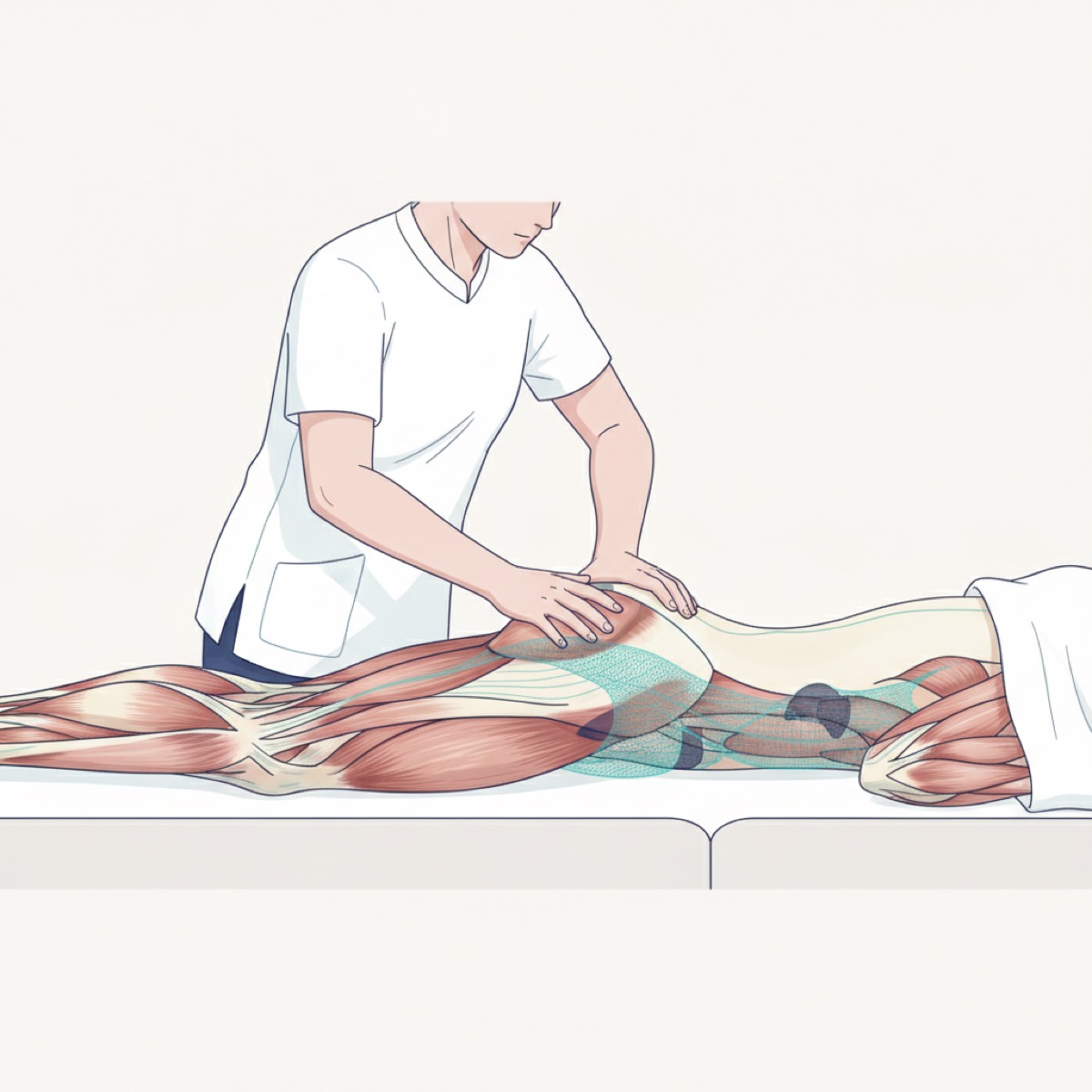
Once a thorough assessment has guided the therapist to specific fascial restrictions, the application of effective release techniques follows a set of core principles. These techniques are characterized by precision, sustained pressure, and an understanding of the viscoelastic properties of fascial tissue. Unlike superficial massage, fascia release aims to engage the deeper layers of connective tissue, encouraging elongation and remodeling.
Therapists often employ various approaches, including direct fascial release, where sustained pressure is applied into the barrier of restriction, and indirect techniques, which involve moving away from the barrier to facilitate release. The 'technique' is not merely mechanical; it requires a therapist's sensitivity to tissue feedback, adapting pressure and direction in response to the body's subtle cues. Patient education and active participation are also integral, empowering individuals to understand their body's responses and contribute to their healing process [4].
Empowering Your Practice: A Strategic Approach to Fascia Therapy
For clinicians, embracing specialized fields like advanced fascia therapy is more than just expanding a skill set; it's a strategic move towards professional empowerment. In an environment where traditional career paths may offer limited upward mobility, as highlighted by some educators, cultivating unique expertise allows therapists to create their own value proposition [5]. This can lead to greater professional satisfaction, better compensation, and the ability to serve a patient population actively seeking highly effective, specialized care.
By mastering advanced fascia therapy techniques and the art of comprehensive fascial assessment, therapists can differentiate their practice. This strategic approach enables them to build a reputation for solving complex pain problems, attracting a dedicated clientele, and fostering long-term patient relationships. Ultimately, investing in specialized knowledge and skills is a pathway to not only improving patient outcomes but also securing a rewarding and sustainable career in the evolving world of manual therapy [6].

Frequently asked questions
What is fascia therapy? — Fascia therapy is a specialized manual therapy approach that focuses on releasing restrictions within the fascial system, the body's intricate web of connective tissue. These techniques aim to alleviate pain, improve mobility, and restore proper function by addressing the underlying tension and adhesions in the fascia.
Is fascia therapy painful? — While some discomfort or intensity may be experienced during fascia therapy as restricted tissues are released, it is generally not intended to be painful. Therapists work within the patient's tolerance, using sustained pressure and gentle stretching to encourage tissue release. Communication with your therapist is key to ensuring a comfortable and effective session.
How long does it take for fascia therapy to work? — The time it takes for fascia therapy to show results varies greatly depending on the individual, the chronicity and severity of their condition, and their body's response to treatment. Some patients experience immediate relief, while others may require several sessions to achieve significant and lasting improvements. Consistency and adherence to any home exercises are important for optimal outcomes.
References
- [1]Taljanovic MS, Gimber LH, Becker GW, et al. Shear-wave elastography: basic physics and musculoskeletal applications. RadioGraphics. 2017;37(3):855–870.
- [2]Langevin HM. Connective tissue: a body-wide signaling network? Med Hypotheses. 2006;66(6):1074–1077.
- [3]Schleip R. Fascial plasticity — a new neurobiological explanation. J Bodyw Mov Ther. 2003;7(1):11–19.
- [4]Wilke J, Krause F, Vogt L, Banzer W. What Is Evidence-Based About Myofascial Chains? A Systematic Review. Arch Phys Med Rehabil. 2016;97(3):454–461.
- [5]Krause F, Wilke J, Vogt L, Banzer W. Intermuscular force transmission along myofascial chains: a systematic review. J Anat. 2016;228(6):910–918.
- [6]Stecco C, Stern R, Porzionato A, et al. Hyaluronan within fascia in the etiology of myofascial pain. Surg Radiol Anat. 2011;33(10):891–896.