Look at the World — Japan Is Too Small
Original title (JP): 世界を見ろ!日本は小さすぎる #医師 #肋間筋 #日本医療 #美容 #靭帯断裂 #疼痛治療は評価が9割 #社長 #治し方 #病院

Supervised by
Shogo Fujii
Physiotherapist (PT) · Founder of the SHOGO FUJII® FASCIA METHOD
View profile →Clinical Article · 7 min read
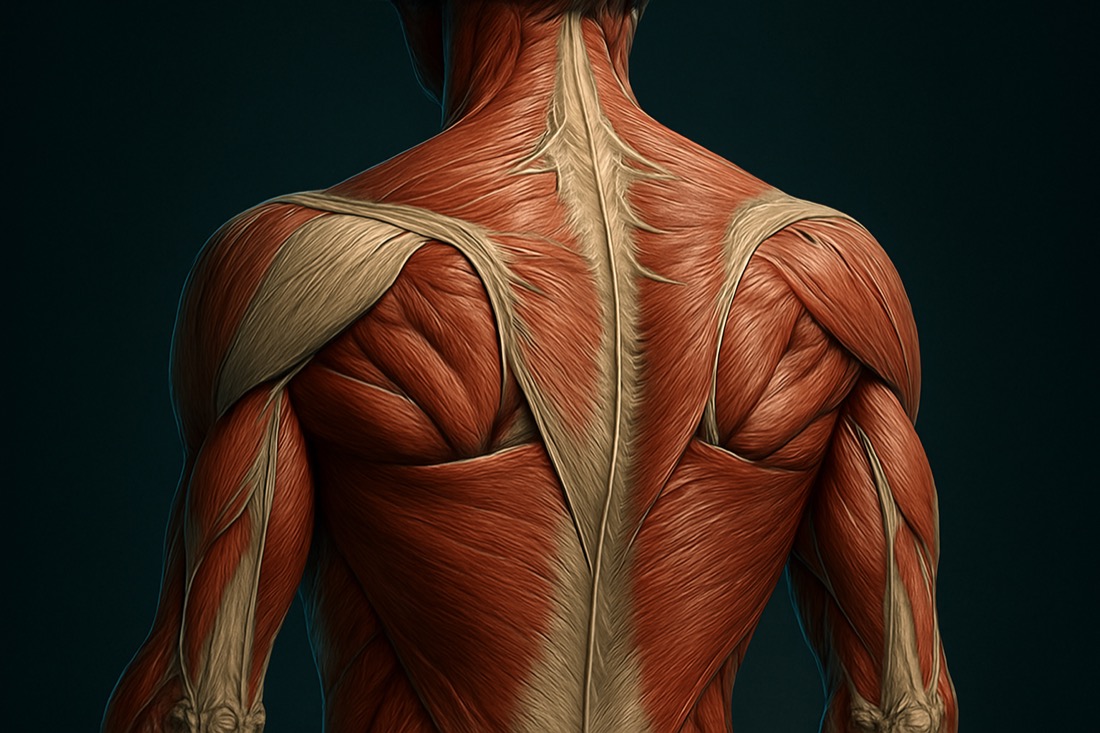
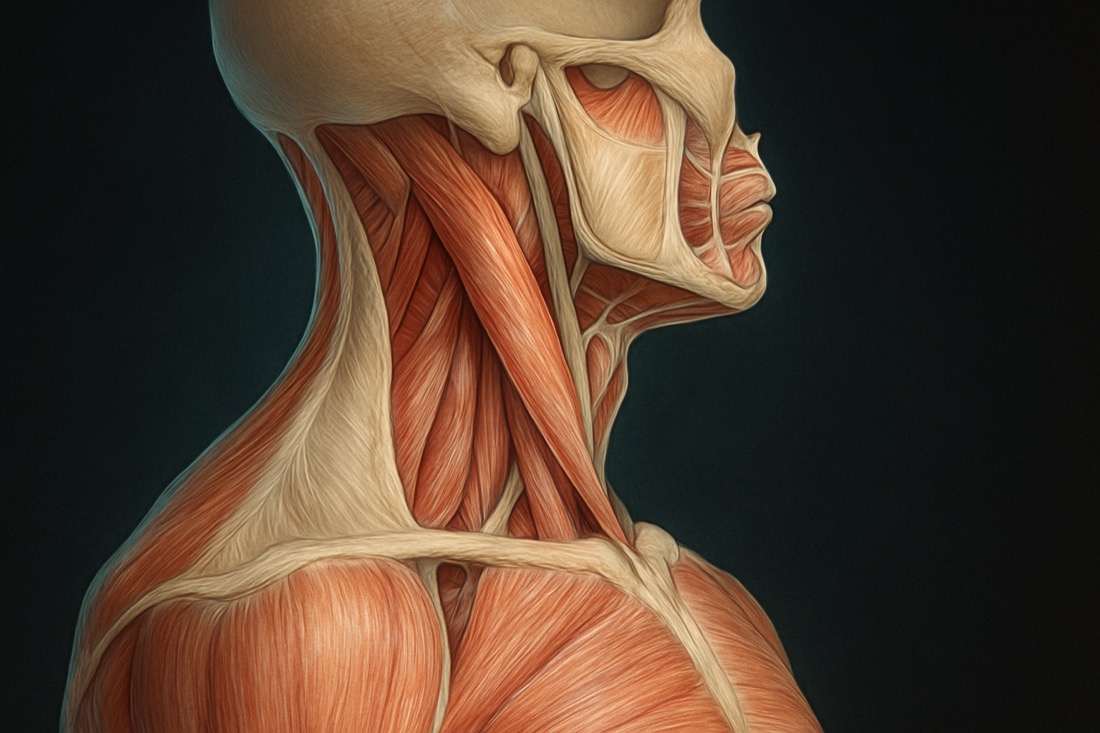
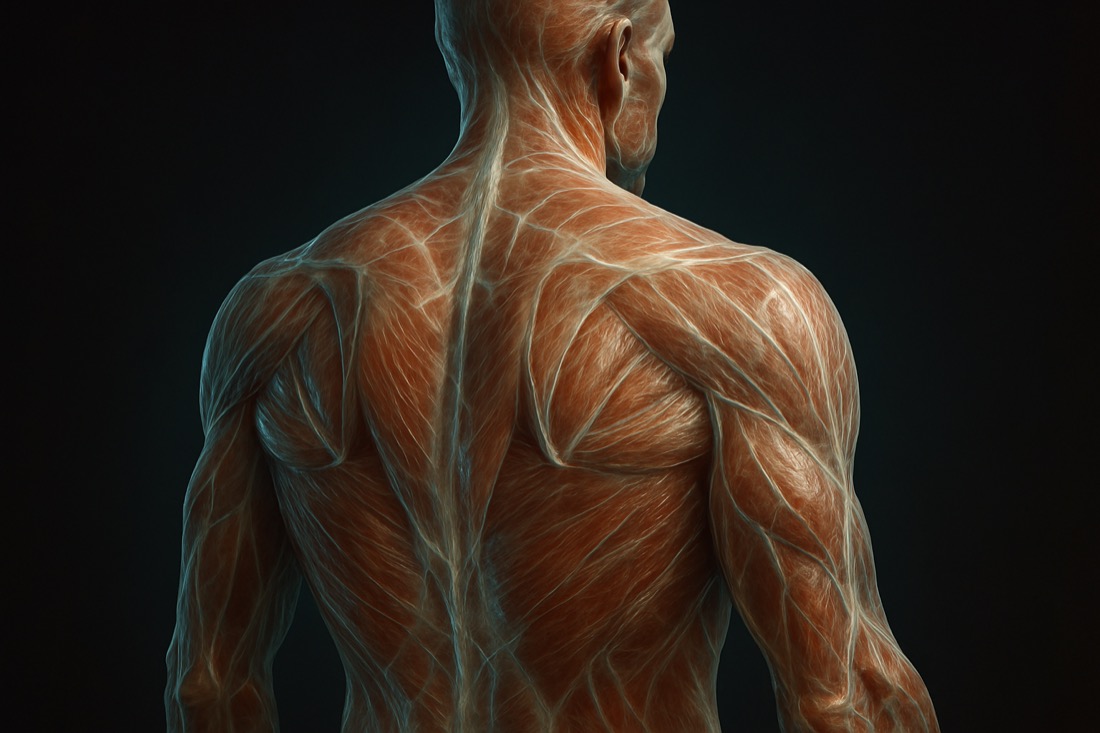
Fascia, the intricate web of connective tissue enveloping our muscles, organs, and bones, plays a pivotal role in movement, stability, and overall well-being. When this vital tissue becomes restricted, it can lead to pain, reduced mobility, and chronic discomfort. Addressing these issues effectively often requires looking beyond conventional approaches, embracing Global Perspectives in Fascia Treatment to unlock new possibilities for healing and recovery. This article delves into how an open, internationally-informed mindset can revolutionize our understanding and application of fascia therapy.
Embracing Innovation: Why Global Perspectives Matter in Fascia Treatment
In the dynamic field of physiotherapy and manual therapy, innovation is key to advancing patient care. Just as in any specialized domain, relying solely on localized knowledge can limit potential breakthroughs. Adopting Global Perspectives in Fascia Treatment means actively seeking out and integrating diverse research, clinical methodologies, and philosophical approaches from around the world [1]. This broadens our understanding of fascial anatomy, physiology, and its intricate connections throughout the body, fostering a more comprehensive and effective therapeutic strategy.
The commitment to continuous learning and exploration, as championed by leading practitioners, encourages clinicians to transcend geographical boundaries in their quest for knowledge. By doing so, we gain unique insights that might not emerge from a singular cultural or academic viewpoint, ultimately leading to more refined and impactful myofascial release techniques and holistic pain management strategies for our patients [2].

Understanding Fascia's Role in Holistic Pain Management
Fascia is far more than just packaging material; it is a sensory organ, rich in nerve endings, playing a crucial role in proprioception and pain perception [3]. Restrictions in the fascial system can alter biomechanics, transmit tension to distant parts of the body, and contribute to a wide array of musculoskeletal issues, including chronic pain, stiffness, and reduced athletic performance. A holistic approach recognizes these widespread effects, understanding that pain in one area might originate from a fascial restriction elsewhere.
Effective fascia treatment, therefore, requires a deep appreciation for the body's interconnectedness. It moves beyond symptomatic relief to address the root causes of dysfunction within the fascial matrix. By considering the entire fascial web and its influence on posture, movement patterns, and even emotional states, practitioners can develop more integrated and sustainable treatment plans that promote overall wellness [4].
Exploring Innovative Myofascial Release Techniques
The landscape of fascia therapy is constantly evolving, with new research and clinical experiences contributing to a growing repertoire of innovative fascia therapy techniques. These range from established methods like direct and indirect myofascial release to more specialized approaches incorporating movement, instrument-assisted techniques, and even neuro-fascial integration. Each technique offers a unique way to engage with the fascial system, aiming to restore its elasticity, fluidity, and optimal function.
A global perspective allows clinicians to learn from diverse schools of thought, integrating elements from various traditions to create a personalized treatment approach. This might involve combining insights from osteopathy, structural integration, and emerging fascial manipulation methods to address complex patient presentations. The goal is always to facilitate the body's natural healing processes, improve tissue mobility, and alleviate pain through gentle yet profound interventions [5].

The Clinician's Journey: Continuous Learning in Fascia Therapy
For clinicians dedicated to excellence in fascia therapy, the journey is one of perpetual learning and self-improvement. Just as successful leaders advocate for expanding one's horizons, a commitment to exploring Global Perspectives in Fascia Treatment is paramount. This involves not only attending workshops and seminars but also engaging with international research, collaborating with peers from different backgrounds, and critically evaluating one's own clinical practices.
Investing time in professional development, even amidst a busy schedule, is crucial for staying at the forefront of the field. By consistently seeking out new knowledge and challenging existing paradigms, therapists can refine their skills, enhance their diagnostic abilities, and offer the most effective and innovative fascia therapy solutions to their patients. This dedication to growth ensures that practitioners can continue to deliver high-quality, evidence-informed care [6].

Frequently asked questions
What is fascia and why is it important? — Fascia is a continuous web of connective tissue that surrounds and interpenetrates muscles, bones, organs, and nerves throughout the entire body. It provides structural support, protection, and plays a crucial role in movement, posture, and pain transmission. Healthy fascia is pliable and able to glide, while restricted fascia can lead to stiffness, pain, and limited mobility.
How does fascia therapy differ from other treatments? — Fascia therapy, including myofascial release techniques, specifically targets the fascial system. Unlike some treatments that focus primarily on muscles or joints, fascia therapy addresses the underlying fascial restrictions that can impact these structures. It often involves sustained, gentle pressure and stretching to release tension, improve tissue mobility, and restore proper biomechanics, often providing a more holistic approach to pain and dysfunction.
Is fascia treatment painful? — While some discomfort or intensity may be experienced during fascia treatment, it is generally not intended to be painful. Therapists work within the patient's tolerance, applying sustained pressure to allow the fascial tissue to release. Sensations can range from a deep stretch or warmth to a mild ache, often followed by a sense of relief and increased freedom of movement. Communication with your therapist about your comfort level is key.
References
- [1]Tracey KJ. The inflammatory reflex. Nature. 2002;420(6917):853–859.
- [2]Mayer EA. Gut feelings: the emerging biology of gut–brain communication. Nat Rev Neurosci. 2011;12(8):453–466.
- [3]Cryan JF, Dinan TG. Mind-altering microorganisms: the impact of the gut microbiota on brain and behaviour. Nat Rev Neurosci. 2012;13(10):701–712.
- [4]Guo R, Chen LH, Xing C, Liu T. Pain regulation by gut microbiota: molecular mechanisms and therapeutic potential. Br J Anaesth. 2019;123(5):637–654.
- [5]Ricciotti E, FitzGerald GA. Prostaglandins and inflammation. Arterioscler Thromb Vasc Biol. 2011;31(5):986–1000.
- [6]Salehi B, Venditti A, Sharifi-Rad M, et al. The therapeutic potential of apigenin. Int J Mol Sci. 2019;20(6):1305.