
Shogo Fujii's Morning Routine: Celery
Original title (JP): 藤井翔悟の朝のルーティン セロリ #医師 #美容 #靭帯断裂 #日本医療 #恐怖 #肋間筋 #疼痛治療は評価が9割 #料理 #治し方 #病院

Supervised by
Shogo Fujii
Physiotherapist (PT) · Founder of the SHOGO FUJII® FASCIA METHOD
View profile →Clinical Article · 5 min read
In the realm of holistic wellness, understanding the intricate connection between our diet and the health of our connective tissues is paramount. Shogo Fujii, a renowned expert, highlights how a mindful morning routine can significantly contribute to overall vitality. This article delves into the critical role of nutritional support for fascia health, exploring how anti-inflammatory and antioxidant-rich foods can foster cellular resilience and support the body's natural healing mechanisms.
Why is Nutritional Support for Fascia Health Important?
Fascia, the intricate web of connective tissue enveloping muscles, organs, and bones, plays a crucial role in movement, stability, and overall bodily function. When fascia becomes stiff, dehydrated, or inflamed, it can contribute to pain, restricted movement, and reduced athletic performance [1].
While manual therapies often address fascial restrictions directly, the underlying cellular environment is heavily influenced by diet. Providing your body with the right nutrients can help reduce systemic inflammation and oxidative stress, both of which are detrimental to fascial health and elasticity [2].

Understanding the Link: Nutrition, Inflammation, and Fascia
Inflammation is a natural bodily response, but chronic inflammation can lead to tissue damage and dysfunction. For fascia, this can mean reduced glide between layers, increased stiffness, and persistent discomfort. An anti-inflammatory diet, rich in fruits, vegetables, and healthy fats, can help mitigate this process.
Antioxidants, abundant in many plant-based foods, combat oxidative stress caused by free radicals. This cellular damage can impact the integrity of collagen and elastin fibers within the fascia, leading to a loss of flexibility and resilience [3]. By prioritizing antioxidant-rich foods, we can help protect these vital structures.
Shogo Fujii's Morning Elixir: A Recipe for Cellular Vitality
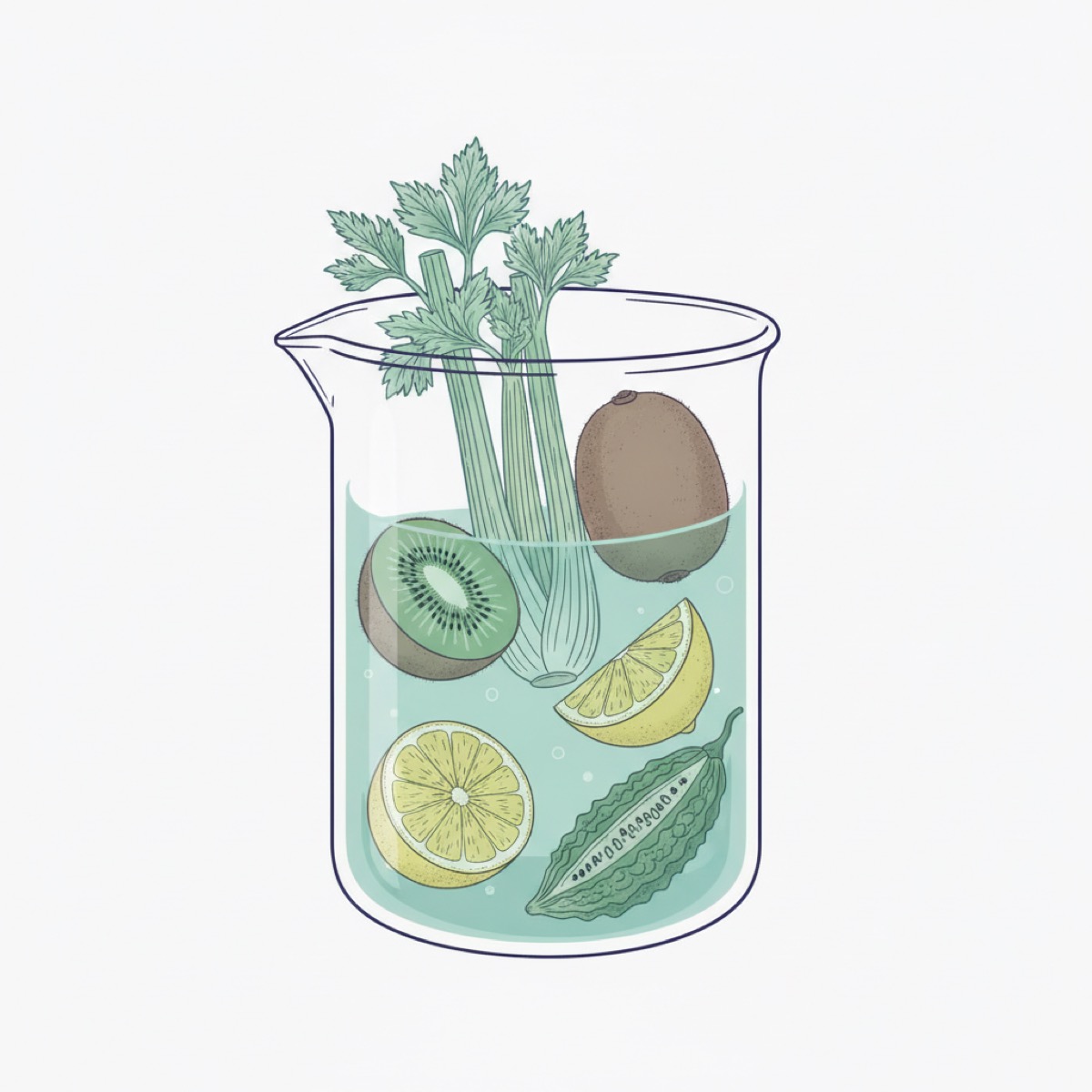
Shogo Fujii emphasizes a proactive approach to health, starting with a powerful morning routine. His personal practice involves blending fresh celery, three kiwis, and three lemons into a potent juice. Occasionally, bitter melon (goya) is also included for its unique health benefits. This combination is a powerhouse of vitamins, minerals, and antioxidants [4].
Celery is known for its anti-inflammatory properties and high water content, supporting hydration. Kiwis are packed with Vitamin C, a crucial component for collagen synthesis, while lemons offer detoxifying properties and further antioxidant support. This daily ritual, as Fujii suggests, is a deliberate act of self-care, creating an internal environment conducive to health and anti-aging.
Beyond the Blender: Cultivating Self-Care for Long-Term Wellness
Fujii's philosophy extends beyond the specific ingredients, highlighting the importance of personal responsibility for one's health. He notes that such a dedicated approach to nutrition and self-care is rarely found in supplements or commercial eateries, underscoring the unique power of homemade wellness.
He also mentions incorporating quinoa as a healthy alternative to white rice, further demonstrating a commitment to nutrient-dense choices. This holistic perspective, focusing on anti-oxidation, anti-inflammation, and anti-aging, suggests that consistent self-care empowers individuals to achieve a state of robust health, potentially reducing reliance on external medical interventions [5, 6].

Frequently asked questions
Can diet alone address all fascia issues? — While nutritional support for fascia health is crucial for creating an optimal internal environment, it's generally most effective when combined with other strategies like regular movement, hydration, proper posture, and targeted manual therapies. Diet supports the body's ability to heal and maintain healthy tissue, but it may not resolve all existing fascial restrictions or injuries on its own.
What role does hydration play in fascia health? — Hydration is fundamental for healthy fascia. Fascia relies on water to maintain its elasticity, glide smoothly, and transmit forces efficiently. Dehydrated fascia can become stiff, sticky, and prone to restriction. Incorporating water-rich foods, like celery and other fruits, alongside adequate plain water intake, is essential for keeping fascia supple.
Are there other lifestyle factors important for fascia? — Absolutely. Beyond diet and hydration, regular movement and stretching (like yoga or Pilates), sufficient sleep, stress management, and avoiding prolonged static postures are all vital for maintaining healthy fascia. A holistic approach that integrates these elements offers the most comprehensive support for fascial well-being.
References
- [1]Stecco C, Stern R, Porzionato A, et al. Hyaluronan within fascia in the etiology of myofascial pain. Surg Radiol Anat. 2011;33(10):891–896.
- [2]Ajimsha MS, Al-Mudahka NR, Al-Madzhar JA. Effectiveness of myofascial release: a systematic review of randomized controlled trials. J Bodyw Mov Ther. 2015;19(1):102–112.
- [3]Tozzi P, Bongiorno D, Vitturini C. Fascial release effects on patients with non-specific cervical or lumbar pain. J Bodyw Mov Ther. 2011;15(4):405–416.
- [4]Zügel M, Maganaris CN, Wilke J, et al. Fascial tissue research in sports medicine: from molecules to tissue adaptation, injury and diagnostics: consensus statement. Br J Sports Med. 2018;52(23):1497.
- [5]Klingler W, Velders M, Hoppe K, Pedro M, Schleip R. Clinical relevance of fascial tissue and dysfunctions. Curr Pain Headache Rep. 2014;18(8):439.
- [6]Wilke J, Vogt L, Niederer D, Banzer W. Is remote stretching based on myofascial chains as effective as local exercise? A randomised-controlled trial. J Sports Sci. 2017;35(20):2021–2027.


