I'm Talking to a Lawyer
Original title (JP): 弁護士に相談します #医師 #美容 #肋間筋 #日本医療 #automobile #靭帯断裂 #疼痛治療は評価が9割 #料理 #治し方 #病院

Supervised by
Shogo Fujii
Physiotherapist (PT) · Founder of the SHOGO FUJII® FASCIA METHOD
View profile →Clinical Article · 7 min read
In the rapidly evolving digital landscape, maintaining trust and verifying information are paramount, especially when it comes to health and wellness. A growing concern is the rise of online impersonation scams targeting health professionals, which can mislead patients and undermine professional integrity. Renowned practitioner Shogo Fujii recently issued a stark warning to his followers about individuals using his name to solicit investments on social media, highlighting a critical issue that impacts the entire healthcare community. This incident underscores the urgent need for both clinicians and patients to understand how to navigate online interactions safely and identify authentic communications.
Understanding the Threat of Online Impersonation Scams Targeting Health Professionals
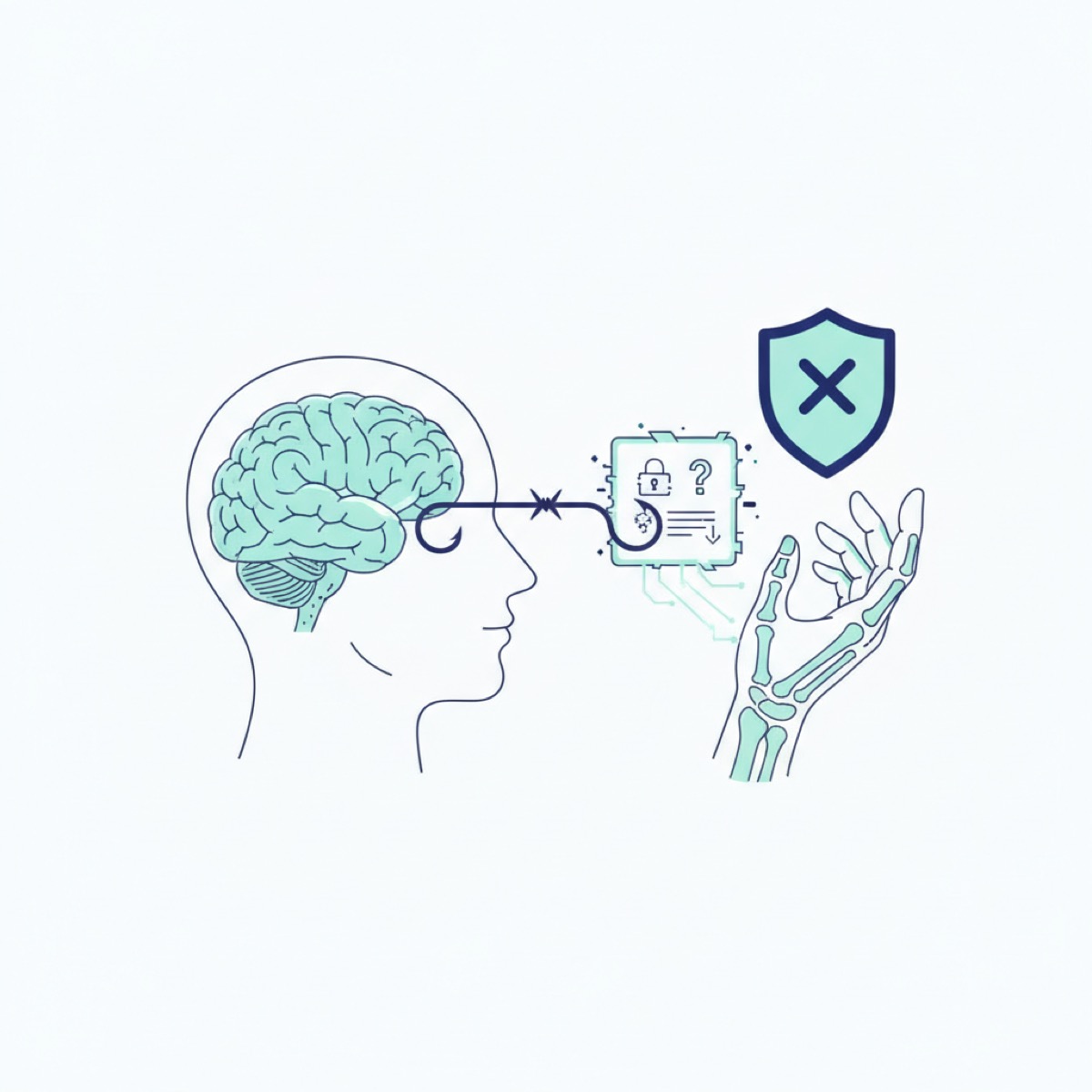
The digital realm has revolutionized how patients access health information and connect with practitioners. While offering unprecedented convenience, this connectivity also creates vulnerabilities, making it fertile ground for deceptive practices [1]. Online impersonation scams, where fraudsters pose as trusted health professionals, exploit this environment by preying on the established trust between clinicians and their communities. Such scams not only risk financial loss for victims but also erode public confidence in legitimate healthcare providers and the valuable information they share [2].
Shogo Fujii's recent public warning serves as a crucial reminder of this pervasive threat. He cautioned his followers against individuals using his identity on platforms like Instagram to initiate contact and promote fraudulent investment schemes. This direct experience illustrates how easily a professional's reputation can be leveraged for illicit activities, underscoring the critical importance of vigilance for everyone involved in the healthcare ecosystem [3].
How to Identify Authentic Professional Communications
A key takeaway from Fujii's warning is the importance of understanding a professional's legitimate communication channels. He explicitly stated that he does not send direct messages (DMs) via social media platforms like Facebook or Instagram for personal or business solicitations. Instead, official communications from his practice would typically originate from his company's secretary or administrative office, often via email [4]. This distinction is vital for patients and followers to recognize.
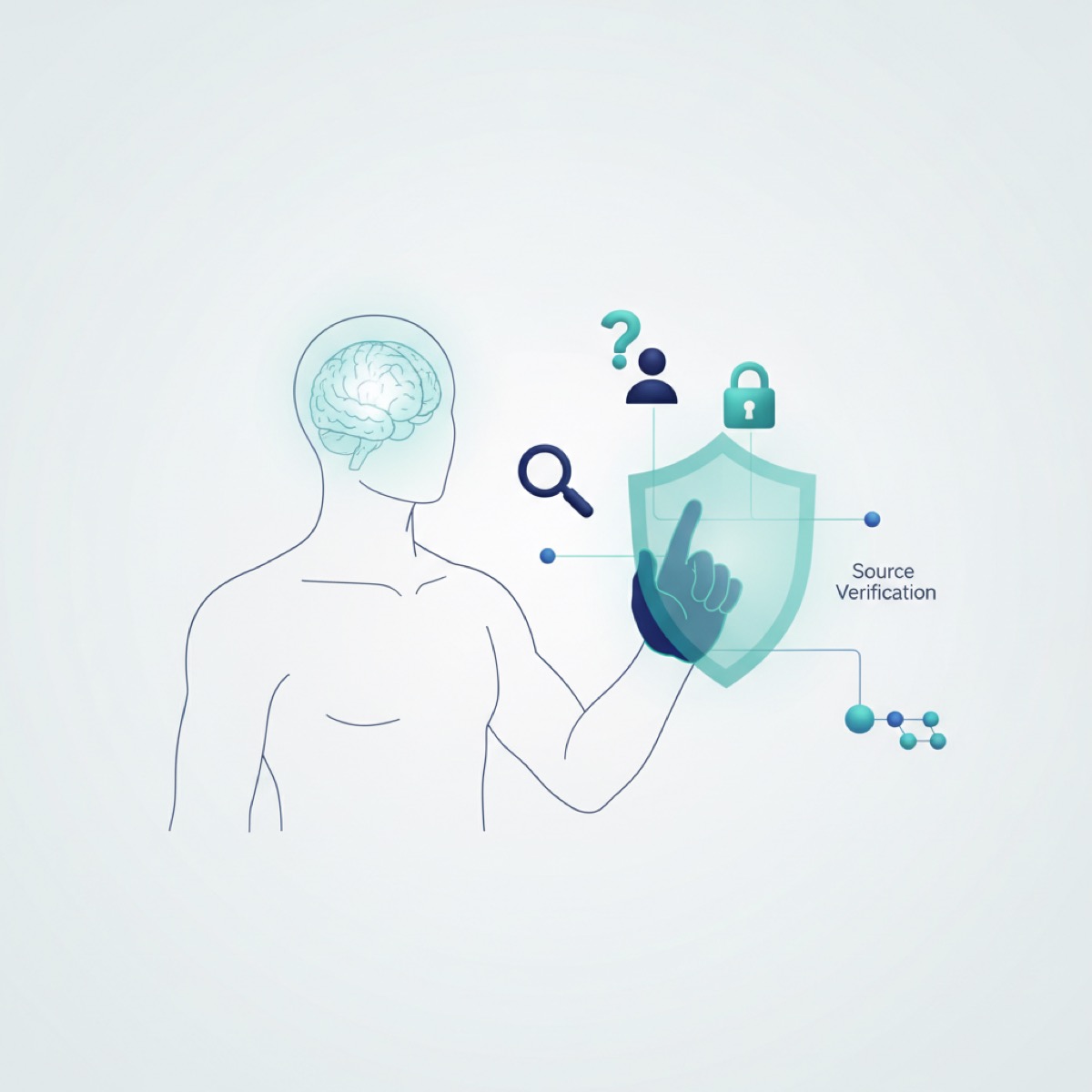
When interacting online with any health professional, always exercise caution. Be suspicious of unsolicited direct messages, especially those promoting investment opportunities, asking for personal financial details, or making unusual requests. Legitimate practitioners generally communicate through official channels, their verified social media accounts (which usually have a blue checkmark), or established professional platforms. If in doubt, cross-reference information with their official website or contact their known office directly through publicly available contact details, not through links provided in suspicious messages [5].
Protecting Professional Identity and Patient Trust Online
For clinicians, proactively protecting your professional identity online is paramount. This involves clearly communicating your official channels to patients, educating them about potential scams, and regularly monitoring your online presence for any unauthorized use of your name or likeness. Establishing clear guidelines for online interactions helps set expectations and provides a framework for patients to identify legitimate communications [6]. By taking these steps, professionals can safeguard their reputation and maintain the vital trust patients place in them.
Shogo Fujii's decision to consult a lawyer underscores the serious nature of such impersonation and the necessary steps professionals must take to combat it. This legal recourse is not just about personal protection but also about upholding the integrity of the profession and ensuring patient safety. Patients, too, play a role by reporting any suspicious activity directly to the professional's official channels and the relevant social media platforms, helping to curb the spread of fraudulent schemes.
Navigating Legal Perspectives on Online Impersonation
The legal implications of online impersonation are significant, extending beyond mere inconvenience to potential criminal fraud. When a professional's identity is used to solicit funds or engage in other deceptive practices, it constitutes a serious legal offense. Shogo Fujii's proactive stance in involving legal counsel highlights that professionals have avenues for recourse against those who exploit their names and reputations. This can involve cease and desist orders, defamation lawsuits, or working with law enforcement to pursue criminal charges against the perpetrators.
For both healthcare providers and patients, understanding these legal dimensions is crucial. Professionals need to be aware of their rights and the steps they can take to protect their intellectual property and identity. Patients should know that reporting these scams not only protects them but also assists in building a case against fraudsters, contributing to a safer online environment for everyone seeking legitimate health advice and services.

Frequently asked questions
Why are online scams targeting health professionals a growing concern? — Online scams leveraging the names of health professionals are increasing due to the pervasive nature of digital communication and the trust patients place in their providers, creating a fertile ground for fraudsters to exploit [1]. These scams undermine professional integrity and can lead to financial loss or misinformation for unsuspecting individuals.
What specific actions should I take if I receive a suspicious message claiming to be from a health professional? — If you receive an unsolicited message, especially on social media, promoting investments or making unusual requests, treat it with extreme caution. Verify the sender by checking their official website or contacting their known office through publicly available, verified contact information, as legitimate professionals like Shogo Fujii state they do not send such direct messages [4]. Do not click on suspicious links or provide personal financial details.
Can health professionals take legal action against individuals who impersonate them online? — Yes, as demonstrated by Shogo Fujii's intent to consult a lawyer, health professionals can and often should pursue legal action against online impersonation and fraud. This can involve working with legal counsel to issue cease and desist orders, pursue civil litigation for damages, or collaborate with law enforcement to address criminal offenses, protecting both their reputation and public safety [6].
References
- [1]Woolf CJ. Central sensitization: implications for the diagnosis and treatment of pain. Pain. 2011;152(3 Suppl):S2–S15.
- [2]Tracey KJ. The inflammatory reflex. Nature. 2002;420(6917):853–859.
- [3]Mayer EA. Gut feelings: the emerging biology of gut–brain communication. Nat Rev Neurosci. 2011;12(8):453–466.
- [4]Cryan JF, Dinan TG. Mind-altering microorganisms: the impact of the gut microbiota on brain and behaviour. Nat Rev Neurosci. 2012;13(10):701–712.
- [5]Guo R, Chen LH, Xing C, Liu T. Pain regulation by gut microbiota: molecular mechanisms and therapeutic potential. Br J Anaesth. 2019;123(5):637–654.
- [6]Ricciotti E, FitzGerald GA. Prostaglandins and inflammation. Arterioscler Thromb Vasc Biol. 2011;31(5):986–1000.