If You Have Time to Blame Your Workplace, Go Touch a Patient
Original title (JP): “職場が悪い”とか言ってる暇があったら、患者触れ #医師 #肋間筋 #日本医療 #美容 #靭帯断裂 #疼痛治療は評価が9割 #社長 #治し方 #病院
Supervised by
Shogo Fujii
Physiotherapist (PT) · Founder of the SHOGO FUJII® FASCIA METHOD
View profile →Clinical Article · 6 min read
In the demanding world of clinical practice, therapists often face constraints, from heavy caseloads to limited resources. It's easy to feel overwhelmed or blame external factors for perceived limitations in patient care. However, as physiotherapist Shogo Fujii emphasizes, true clinical growth and impact stem from an internal shift: focusing intensely on what we *can* control – our hands and our approach to touch. This article explores the profound benefits of developing advanced palpation skills, transforming every patient interaction into an opportunity for deeper insight and more effective treatment.
Why Focus on Developing Advanced Palpation Skills in Clinical Practice?
Many clinicians, much like Fujii's own experience, recount periods of feeling restricted, unsupported, or unable to implement desired techniques within their workplace. The frustration of being observed, directed, or working long hours without recognition can lead to a sense of powerlessness. Yet, Fujii argues, these challenges should not deter a therapist from their core mission: understanding and helping the patient.
Instead of dwelling on external limitations, the focus should pivot to the therapist's most direct and powerful tool: their hands. Developing advanced palpation skills allows clinicians to gather crucial information directly from the patient's body, independent of equipment or external approval. This internal locus of control empowers therapists to find breakthroughs even in the most challenging environments, laying the groundwork for precise fascial assessment and targeted interventions [1].
Beyond the Obvious: The Nuance of Therapeutic Touch
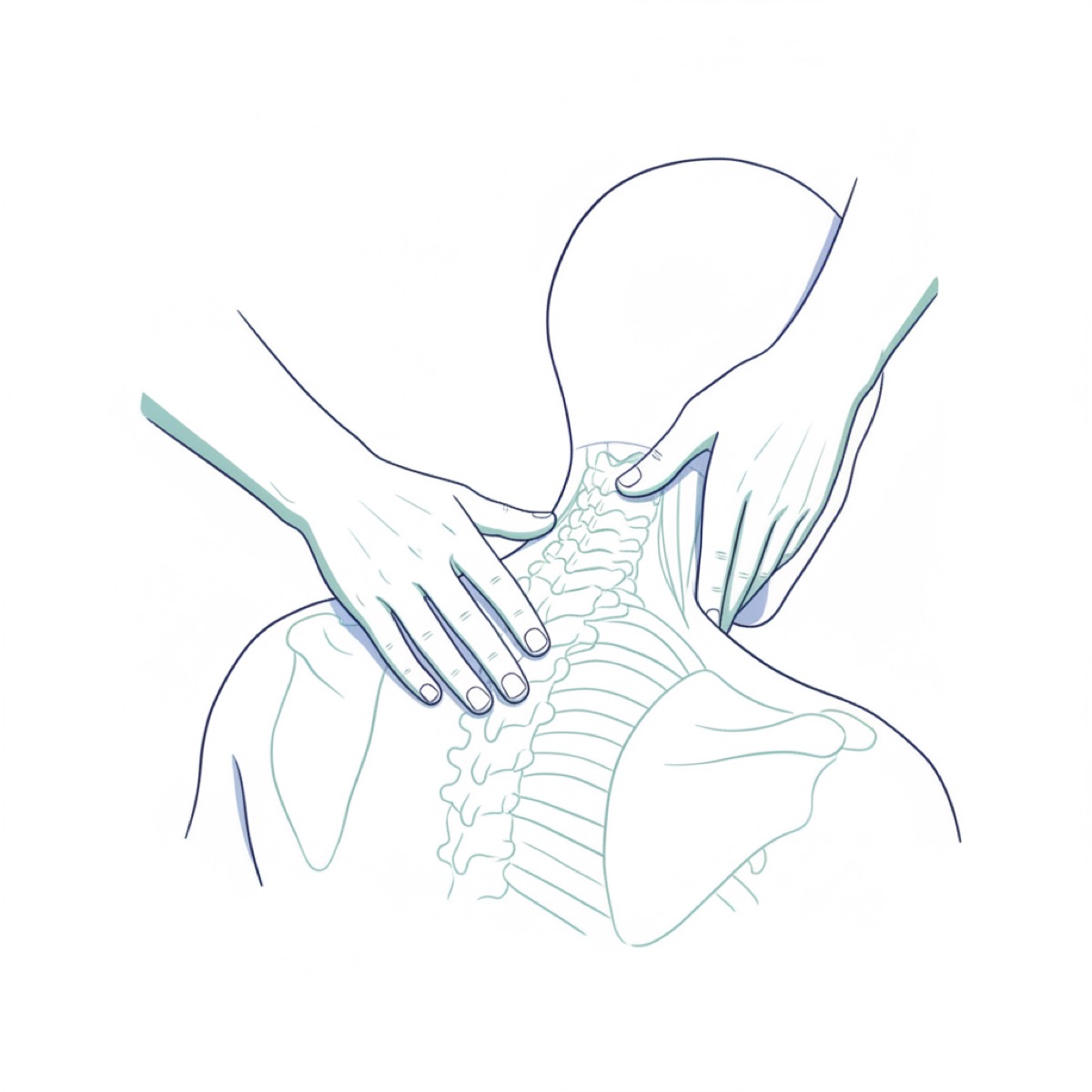
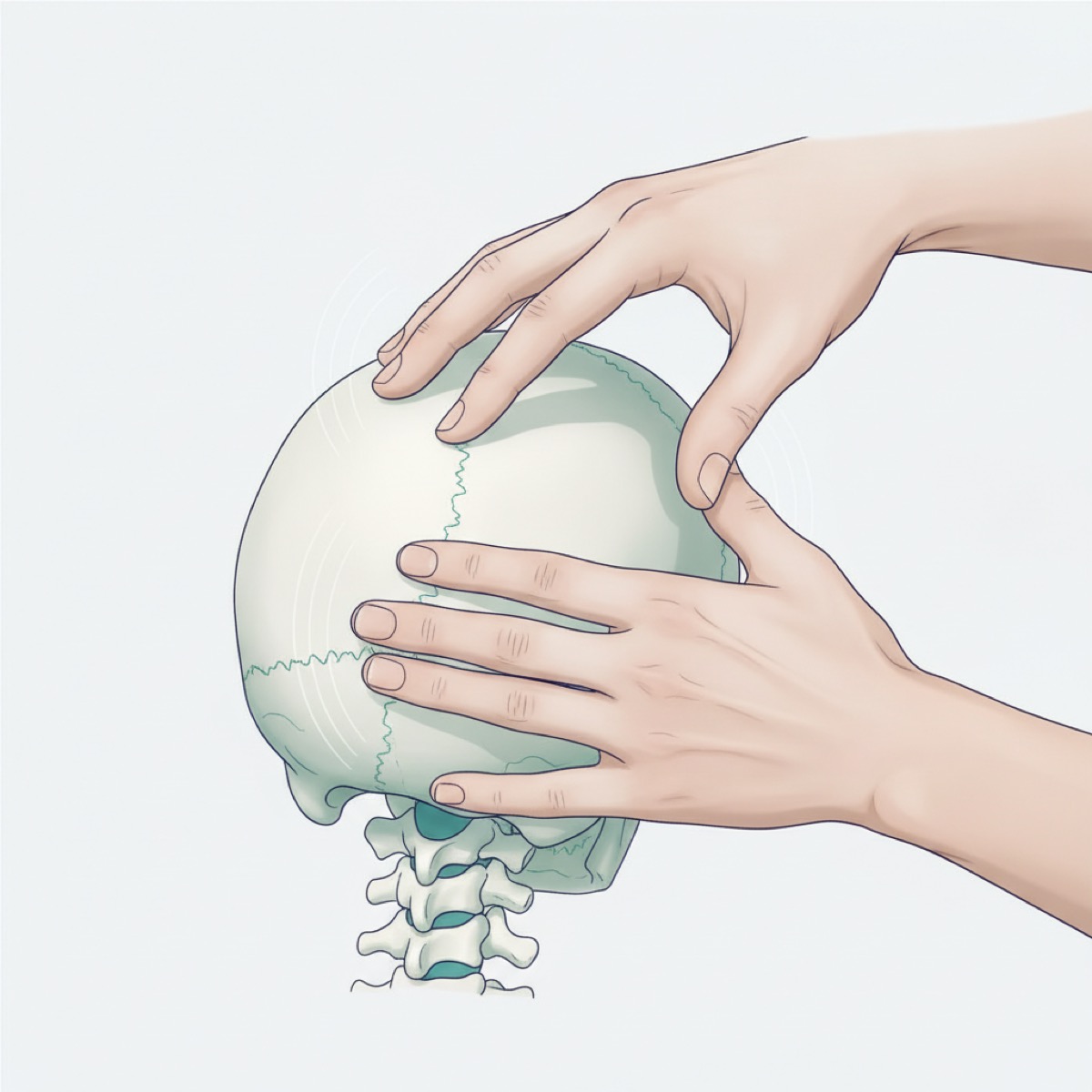
What does it mean to truly 'touch' a human body? Fujii highlights that even amidst a busy hospital setting, observing subtle phenomena like the cranial rhythmic impulse (primary respiration) or sacral mobility through gentle contact is possible across numerous cases. This isn't about superficial contact; it's about cultivating a deep sensitivity to the body's intrinsic movements and tissue characteristics.
This level of therapeutic touch goes beyond identifying gross anatomical landmarks or muscle tension. It involves sensing the subtle rhythms, restrictions, and fluid dynamics within the tissues, including the intricate fascial network. Such nuanced palpation requires focused attention and a cultivated awareness, allowing the therapist to perceive information that might otherwise be missed through visual assessment or standard orthopedic tests alone [2].
Purposeful Palpation: Transforming Touch into Insight
Fujii stresses that touch without purpose is merely a waste of time. To truly benefit, touch must be imbued with conscious intention and a clear objective. This 'purposeful palpation' transforms simple contact into a powerful diagnostic and therapeutic tool. Before placing hands on a patient, a therapist should have a question in mind: What am I looking for? What am I trying to understand about this tissue, this joint, or this fascial layer?
This intentionality guides the hands to explore specific areas, assess tissue texture, tension, temperature, and mobility, and interpret the feedback received. By approaching each touch with a hypothesis, therapists can refine their understanding of fascial restrictions, their impact on movement patterns, and their potential contribution to symptoms [3]. This iterative process of touching, sensing, and interpreting is fundamental to effective hands-on therapy.
The Path to Mastery: Embracing Every Clinical Opportunity
True mastery in palpation, according to Fujii, doesn't come from ideal conditions but from the sheer volume of cases encountered and the consistent, purposeful practice applied. Therapists should view every patient interaction, regardless of the setting or perceived limitations, as a valuable opportunity to refine their skills. Instead of complaining about circumstances, the time is better spent engaging with the patient through touch.
The more opportunities a therapist takes to purposefully touch, assess, and re-assess, the more their tactile sensitivity and clinical intuition will grow. This dedication to continuous learning and practical application, even in less-than-ideal environments, is what truly expands a therapist's capabilities and pathway in patient care [4, 5]. It's a mindset shift from passive frustration to active, hands-on development.
Frequently asked questions
Is advanced palpation only for specific therapies like craniosacral? — No, advanced palpation skills are foundational and beneficial across a wide range of manual therapies and physical rehabilitation disciplines, including myofascial release, osteopathy, chiropractic, and even general physiotherapy. While specific techniques like craniosacral therapy rely heavily on subtle palpation, the ability to discern tissue characteristics and subtle movements enhances assessment and treatment for any hands-on practitioner.
How can I integrate purposeful touch into a busy schedule? — Integrating purposeful touch into a busy schedule involves making every touch count. Even brief, focused moments of palpation during assessment or treatment can yield valuable insights. Instead of a hurried, generalized touch, dedicate a few seconds to consciously feel for specific tissue qualities, restrictions, or rhythms. This intentionality, rather than added time, is key to transforming routine contact into meaningful clinical data.
What are the benefits of refining palpation skills for patient outcomes? — Refining palpation skills leads to more accurate diagnostic insights, allowing for highly targeted and effective interventions. It enhances a therapist's ability to identify the root causes of dysfunction, track progress more precisely, and adapt treatment plans in real-time. This improved precision often translates to better patient engagement, reduced discomfort, and ultimately, more favorable outcomes, fostering greater trust and therapeutic alliance [6].
References
- [1]Ricciotti E, FitzGerald GA. Prostaglandins and inflammation. Arterioscler Thromb Vasc Biol. 2011;31(5):986–1000.
- [2]Salehi B, Venditti A, Sharifi-Rad M, et al. The therapeutic potential of apigenin. Int J Mol Sci. 2019;20(6):1305.
- [3]Field R, Pourkazemi F, Turton J, Rooney K. Dietary interventions are beneficial for patients with chronic pain: a systematic review with meta-analysis. Pain Med. 2021;22(3):694–714.
- [4]Taljanovic MS, Gimber LH, Becker GW, et al. Shear-wave elastography: basic physics and musculoskeletal applications. RadioGraphics. 2017;37(3):855–870.
- [5]Langevin HM. Connective tissue: a body-wide signaling network? Med Hypotheses. 2006;66(6):1074–1077.
- [6]Schleip R. Fascial plasticity — a new neurobiological explanation. J Bodyw Mov Ther. 2003;7(1):11–19.