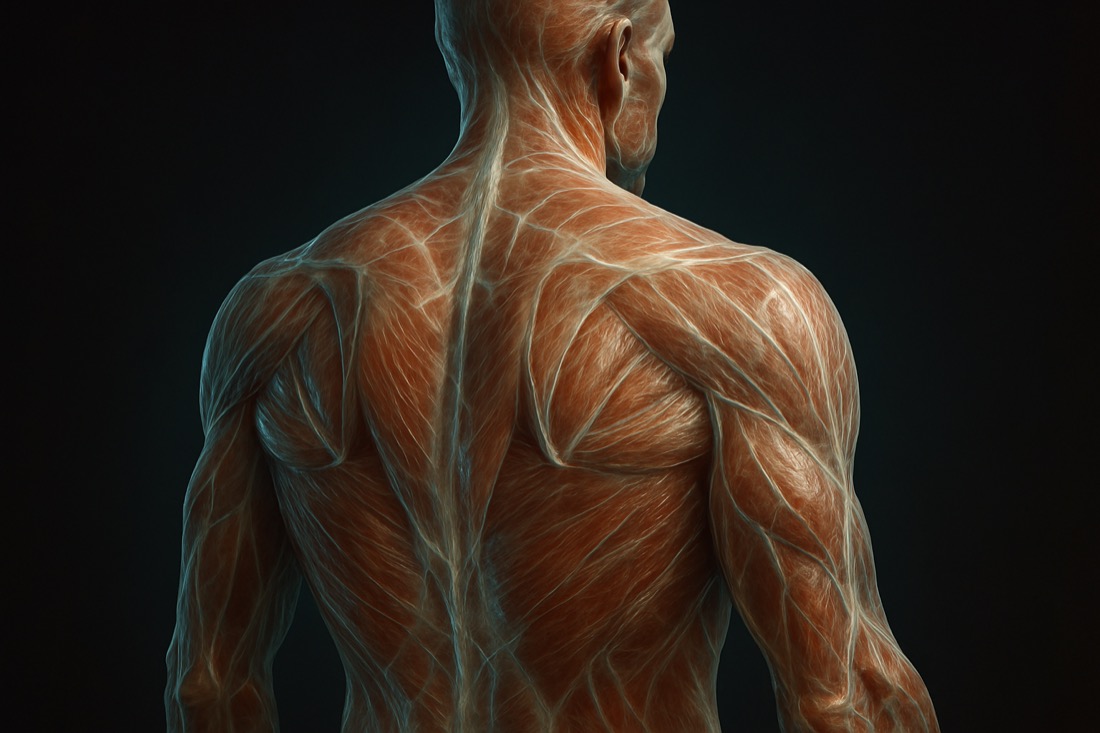
Trauma
Original title (JP): トラウマ #医師 #美容 #肋間筋 #日本医療 #恐怖 #靭帯断裂 #疼痛治療は評価が9割 #food #治し方 #病院

Supervised by
Shogo Fujii
Physiotherapist (PT) · Founder of the SHOGO FUJII® FASCIA METHOD
View profile →Clinical Article · 6 min read
Chronic pain often extends beyond purely physical causes, deeply intertwined with our emotional experiences and past traumas. For many, understanding this profound mind-body connection is the first step towards lasting relief and resilience. This article delves into **Trauma-Informed Pain Management Strategies**, exploring how past adversities can paradoxically forge inner strength, and how acknowledging these emotional layers is crucial for effective physiotherapy and holistic healing.
How Does Emotional Trauma Impact Physical Pain?
The human body is not merely a collection of muscles and bones; it's an intricate system profoundly influenced by our emotional landscape. Experiences of significant stress, adversity, or trauma, as described by Shogo Fujii, can leave lasting imprints not only on our psyche but also on our physical tissues [1]. This recognition is a core tenet of **Trauma-Informed Pain Management Strategies**, acknowledging that pain isn't always just a mechanical issue.
When we endure emotional distress, the body's protective mechanisms can activate, leading to persistent muscle tension, altered posture, and even restrictions within the fascial system [2]. This intricate web of connective tissue, encasing every muscle, organ, and nerve, can become stiff and less pliable under chronic stress, contributing to widespread or localized pain that traditional treatments might struggle to resolve. Acknowledging this link is vital for comprehensive care.
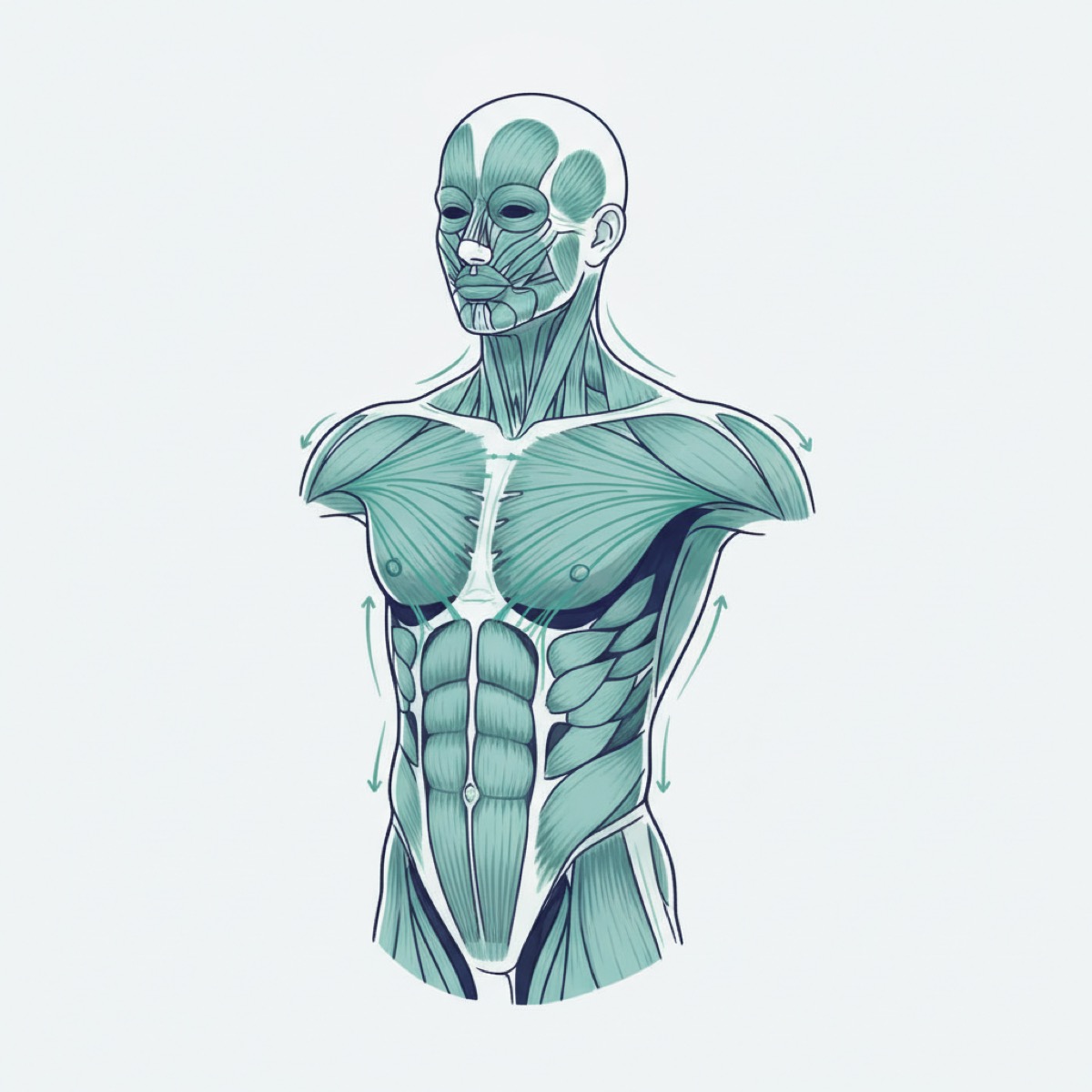
Cultivating Resilience: Transforming Adversity into Strength
Shogo Fujii’s personal journey highlights a powerful truth: humans often grow strongest when confronted with what they least want to remember—trauma and significant setbacks. His experience of being ostracized and facing immense challenges, rather than breaking him, fueled an unshakeable resolve to build and protect his future. This demonstrates how past difficulties, though painful, can become profound catalysts for personal growth and determination [3].
This concept of resilience in chronic pain recovery is crucial. It suggests that while we cannot erase past traumas, we can transform our relationship with them. By facing and processing these experiences, individuals can develop a deeper sense of inner strength and a renewed commitment to their well-being, paving the way for more effective engagement with their healing journey. It’s about using the drive to avoid a painful past as a powerful force forward.
Why a Holistic Approach is Essential for Lasting Relief
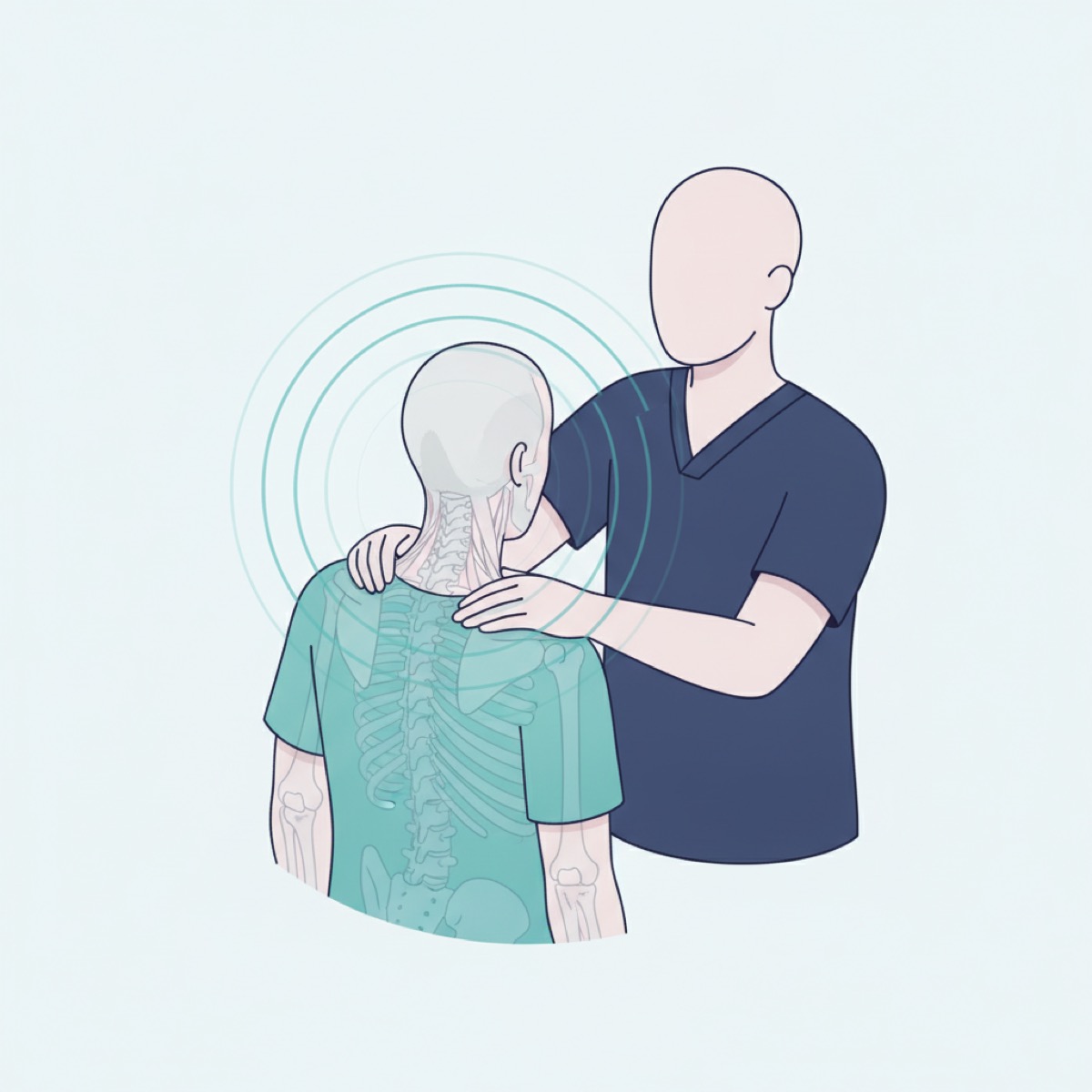
Focusing solely on physical symptoms often overlooks the profound interplay between mind and body in chronic pain. A holistic approach recognizes that true healing requires addressing the entire individual—their physical sensations, emotional history, and psychological well-being [4]. This is particularly relevant when considering how emotional trauma can manifest as physical pain and fascial restrictions.
Therapies integrating the mind-body connection, such as certain forms of physiotherapy and fascia release, can be instrumental. By gently addressing physical restrictions while also acknowledging the emotional context, practitioners can help release long-held tension patterns that may have originated from psychological stress or trauma. This integrated perspective offers a more comprehensive path to recovery, fostering not just physical ease but also emotional release and empowerment.
Embracing Setbacks: Fueling Your Recovery Journey
Fujii’s insight that 'humans become stronger faster if they experience many big failures' offers a powerful reframing of adversity. Instead of viewing setbacks as definitive failures, they can be seen as opportunities for learning and growth. This perspective is vital for anyone navigating chronic pain, where the path to recovery often involves plateaus, temporary regressions, and moments of frustration [5].
Cultivating a mindset that encourages rising again, rather than succumbing to discouragement, is a cornerstone of effective pain management. It means approaching challenges with determination, learning from difficult experiences, and consistently striving forward. This proactive engagement, coupled with appropriate therapeutic support, empowers individuals to navigate their healing journey with greater resilience and hope, reinforcing the principles of **Trauma-Informed Pain Management Strategies**.
Frequently asked questions
What is trauma-informed care in physiotherapy? — Trauma-informed care acknowledges and responds to trauma's impact on health. In physiotherapy, it means understanding how past emotional experiences influence current pain and movement, tailoring sensitive, safe, and empowering treatment to avoid re-traumatization [6].
Can emotional stress really affect my fascia? — Yes. Emotional stress and trauma can cause chronic muscle tension and fascial changes. The fascia, responsive to the nervous system, can tighten and restrict under prolonged psychological distress, contributing to pain, stiffness, and reduced mobility [2].
How can I build resilience when dealing with chronic pain? — Building resilience involves acknowledging emotional experiences, setting realistic goals, practicing mindfulness, seeking supportive communities, and engaging in purposeful activities. It also means reframing setbacks as learning opportunities and maintaining a proactive, hopeful attitude towards recovery, reflecting Fujii's philosophy.
References
- [1]Wilke J, Vogt L, Niederer D, Banzer W. Is remote stretching based on myofascial chains as effective as local exercise? A randomised-controlled trial. J Sports Sci. 2017;35(20):2021–2027.
- [2]Palomeque-del-Cerro L, Arráez-Aybar LA, Rodríguez-Blanco C, et al. A systematic review of the soft-tissue connections between neck muscles and dura mater: the myodural bridge. Spine. 2017;42(1):49–54.
- [3]Woolf CJ. Central sensitization: implications for the diagnosis and treatment of pain. Pain. 2011;152(3 Suppl):S2–S15.
- [4]Tracey KJ. The inflammatory reflex. Nature. 2002;420(6917):853–859.
- [5]Mayer EA. Gut feelings: the emerging biology of gut–brain communication. Nat Rev Neurosci. 2011;12(8):453–466.
- [6]Cryan JF, Dinan TG. Mind-altering microorganisms: the impact of the gut microbiota on brain and behaviour. Nat Rev Neurosci. 2012;13(10):701–712.