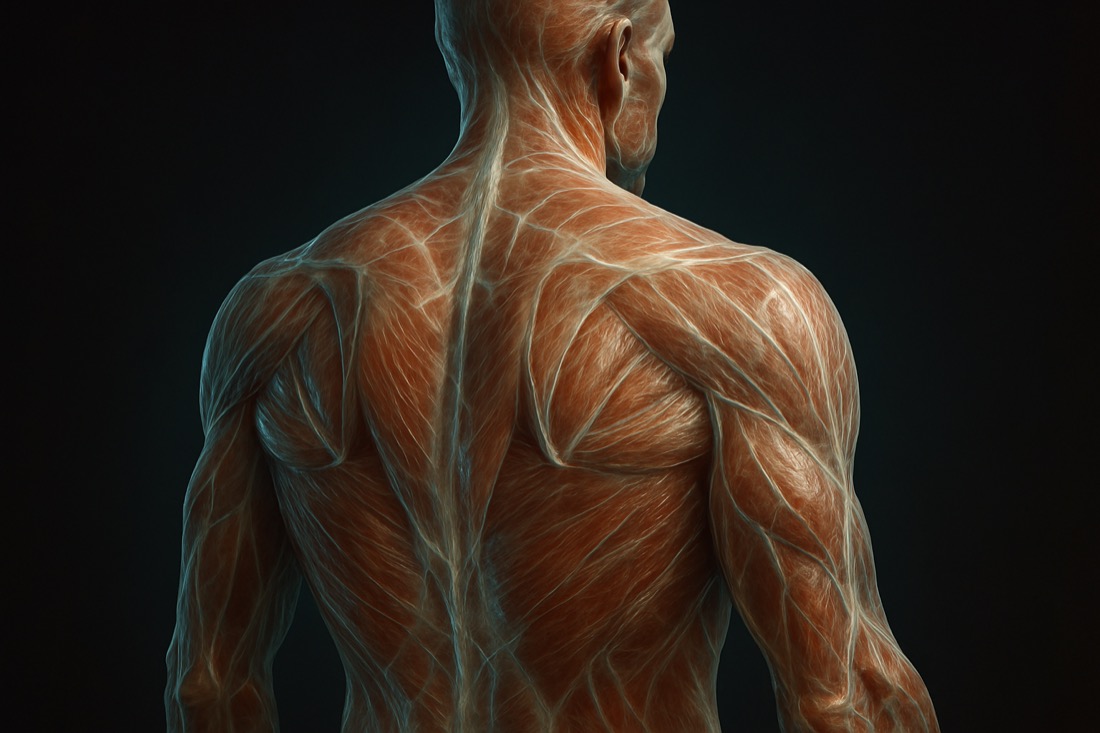
Those Who Only Read Papers Can't See the Miracles Happening on the Ground
Original title (JP): 「論文だけ読んでるやつに、“現場の奇跡”は見えない」 #医師 #automobile #肋間筋 #日本医療 #美容 #靭帯断裂 #疼痛治療は評価が9割 #料理 #治し方 #病院

Supervised by
Shogo Fujii
Physiotherapist (PT) · Founder of the SHOGO FUJII® FASCIA METHOD
View profile →Clinical Article · 6 min read
Many clinicians diligently study evidence-based medicine, yet often find that textbooks alone don't hold all the answers for complex patient presentations. Understanding the nuances of **clinical effectiveness in physiotherapy beyond research** is crucial for delivering optimal care, especially in specialized fields like fascia therapy. This article delves into why direct clinical experience often uncovers profound insights that precede formal research, highlighting the importance of practical application.
Why Do Textbook Answers Sometimes Fall Short in Real-World Physiotherapy?
As clinicians, we dedicate ourselves to mastering the principles of evidence-based practice (EBP) and textbook knowledge. However, as noted by experts like Shogo Fujii, there's a common experience where even extensive study of textbook solutions, such as those for 'frozen shoulder' (adhesive capsulitis), doesn't always translate to effective relief for every patient in the clinic.
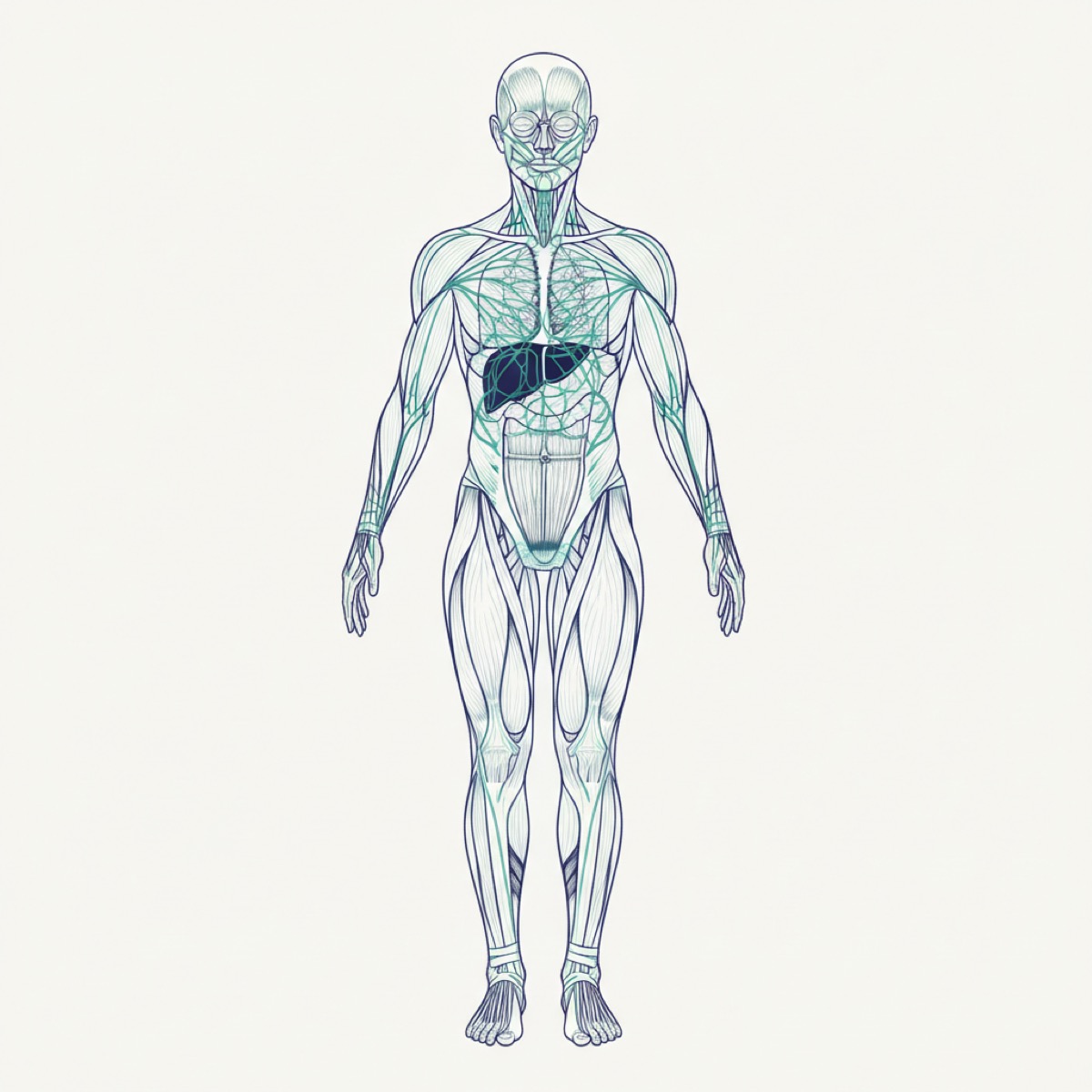
The reality is that each patient presents with a unique constellation of symptoms and underlying factors, especially when considering the intricate, interconnected network of fascia. While research provides valuable guidelines, the specific, individual responses to treatment often necessitate an approach that goes beyond generalized textbook protocols [1]. This gap highlights the need for therapists to integrate their clinical expertise with patient values and the best available evidence.
How Real-World Clinical Discoveries Drive Research, Not Just the Other Way Around
A common misconception is that all effective clinical practice must solely originate from published research. In truth, the relationship between clinical facts and academic papers can often be 'opposite,' as Fujii suggests. Rather than research dictating every clinical action, it often serves to document the novel, effective, or even 'strange' phenomena observed in practice.
Many groundbreaking research findings actually emerge from clinicians noticing consistent positive results or unusual occurrences with their patients. These 'anomalies' or 'deviations' from expected outcomes are then investigated, leading to new discoveries and a deeper understanding of conditions and treatments [2]. Research, in this sense, is often a formalization of what skilled practitioners have already observed to be effective.
Prioritizing Patient Outcomes: The Core of Effective Fascia Therapy
The true measure of a therapeutic approach lies in its ability to produce tangible results for the patient. Instead of rigidly adhering to research as the sole starting point, a more effective philosophy involves identifying methods that consistently yield positive outcomes in the clinic. These successful approaches can then be analyzed, perhaps through statistical methods, to develop a logical and evidence-informed framework.
This perspective emphasizes that the efficacy of treatments like fascia therapy is often first demonstrated through direct clinical application and careful observation of individual patient responses [3]. For conditions involving fascial restrictions, hands-on assessment and adaptive treatment based on immediate feedback are paramount to achieving meaningful **real-world patient outcomes** [4].
By focusing on what genuinely helps patients, we can build a robust body of practical knowledge that, over time, informs and expands the scope of formal research.
The Pitfalls of a 'Paper-Only' Approach in Physiotherapy
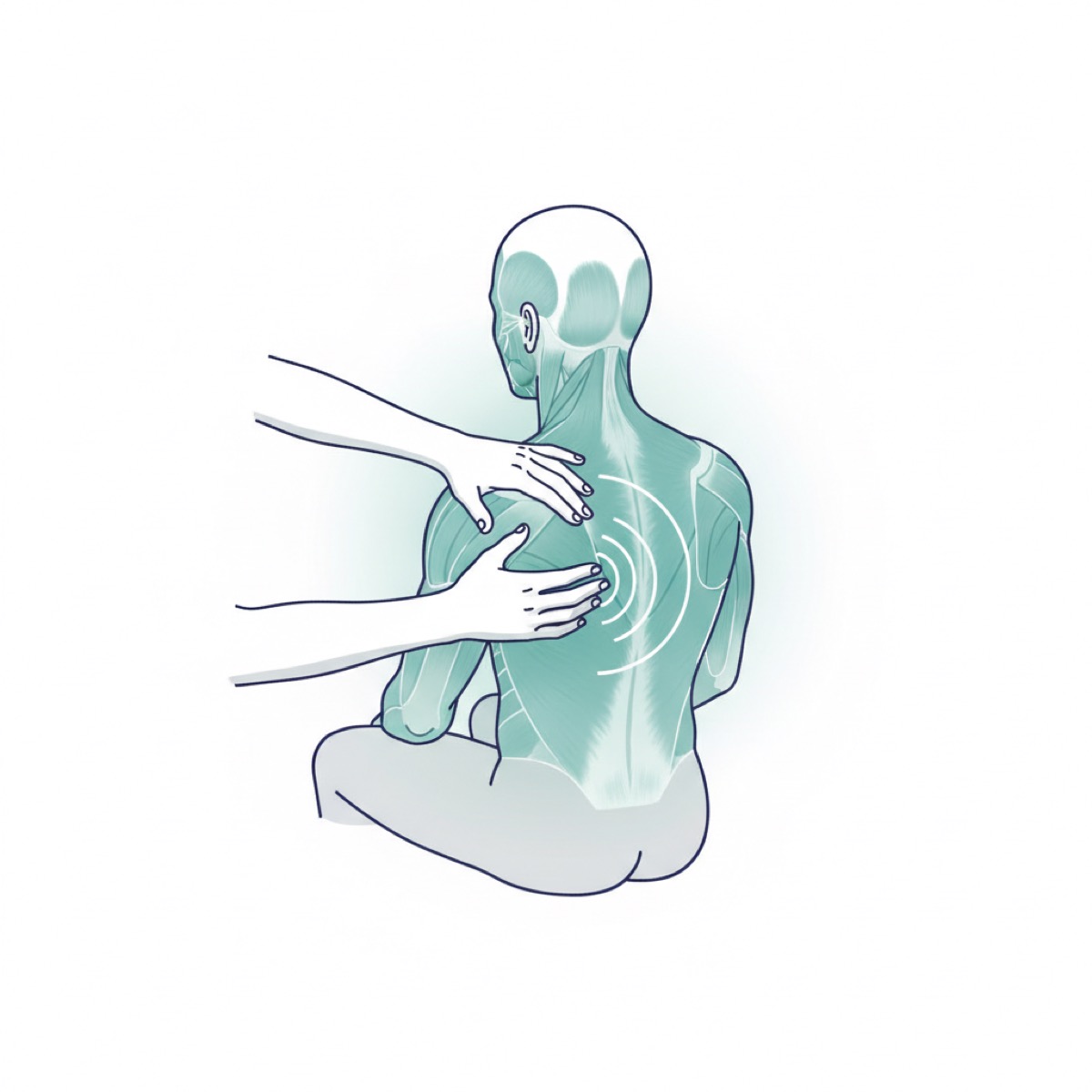
A critical observation, particularly relevant for aspiring and experienced practitioners, is that individuals who rely exclusively on reading research papers may struggle to effectively treat actual patients. They might be adept at discussing theoretical concepts but often lack the practical, hands-on clinical skills necessary to achieve **clinical effectiveness in physiotherapy beyond research**.
This imbalance highlights a potential flaw in how some therapists and physicians are educated, where theoretical knowledge overshadows the development of practical application and clinical reasoning [5]. True mastery in fields like fascia therapy requires a dynamic integration of theoretical understanding, keen observation, and the ability to adapt techniques in real-time based on patient needs and responses. Relying solely on theory can leave a significant gap in a clinician's ability to deliver impactful care.

Frequently asked questions
Is evidence-based practice (EBP) still important? — Absolutely. EBP is a vital framework that encourages the integration of the best available research evidence, a clinician's expertise, and the patient's values and circumstances. The key takeaway from this discussion is not to dismiss evidence, but to understand that clinical discovery and practical effectiveness can often precede and inform formal research, expanding the body of evidence rather than being solely constrained by it [6].
How does fascia therapy fit into this perspective? — Fascia therapy often involves highly individualized treatment, where a therapist's skilled palpation and ability to adapt techniques based on immediate patient feedback are crucial. Because the fascial system is so interconnected and unique to each person, its effectiveness frequently relies on these nuanced clinical skills, leading to profound results that may not yet be fully explained or captured by large-scale, generalized studies. It exemplifies how hands-on physiotherapy can lead to significant patient improvement.
What should patients look for in a therapist? — Patients seeking effective treatment should look for a therapist who demonstrates strong practical skills, listens attentively to their unique symptoms, and is capable of adapting treatment based on their individual response rather than adhering to a rigid, one-size-fits-all approach. A practitioner who prioritizes your personal progress and integrates both evidence and extensive clinical experience is often well-equipped to provide optimal care.
References
- [1]Mayer EA. Gut feelings: the emerging biology of gut–brain communication. Nat Rev Neurosci. 2011;12(8):453–466.
- [2]Cryan JF, Dinan TG. Mind-altering microorganisms: the impact of the gut microbiota on brain and behaviour. Nat Rev Neurosci. 2012;13(10):701–712.
- [3]Guo R, Chen LH, Xing C, Liu T. Pain regulation by gut microbiota: molecular mechanisms and therapeutic potential. Br J Anaesth. 2019;123(5):637–654.
- [4]Ricciotti E, FitzGerald GA. Prostaglandins and inflammation. Arterioscler Thromb Vasc Biol. 2011;31(5):986–1000.
- [5]Salehi B, Venditti A, Sharifi-Rad M, et al. The therapeutic potential of apigenin. Int J Mol Sci. 2019;20(6):1305.
- [6]Field R, Pourkazemi F, Turton J, Rooney K. Dietary interventions are beneficial for patients with chronic pain: a systematic review with meta-analysis. Pain Med. 2021;22(3):694–714.