Three Fascial Release Techniques to Alleviate Sciatica Pain
Original title (JP): 坐骨結節を触れて腰痛を治す3つの筋膜リリース!

Supervised by
Shogo Fujii
Physiotherapist (PT) · Founder of the SHOGO FUJII® FASCIA METHOD
View profile →Clinical Article · 5 min read
Fascia release for low back pain can be a transformative approach for those suffering from sciatica. Techniques targeting the hamstrings and related muscle groups may offer significant relief by improving the body's natural movement patterns. Understanding these connections and applying the right methods can help alleviate discomfort and improve overall mobility.
How does fascia release alleviate low back pain?
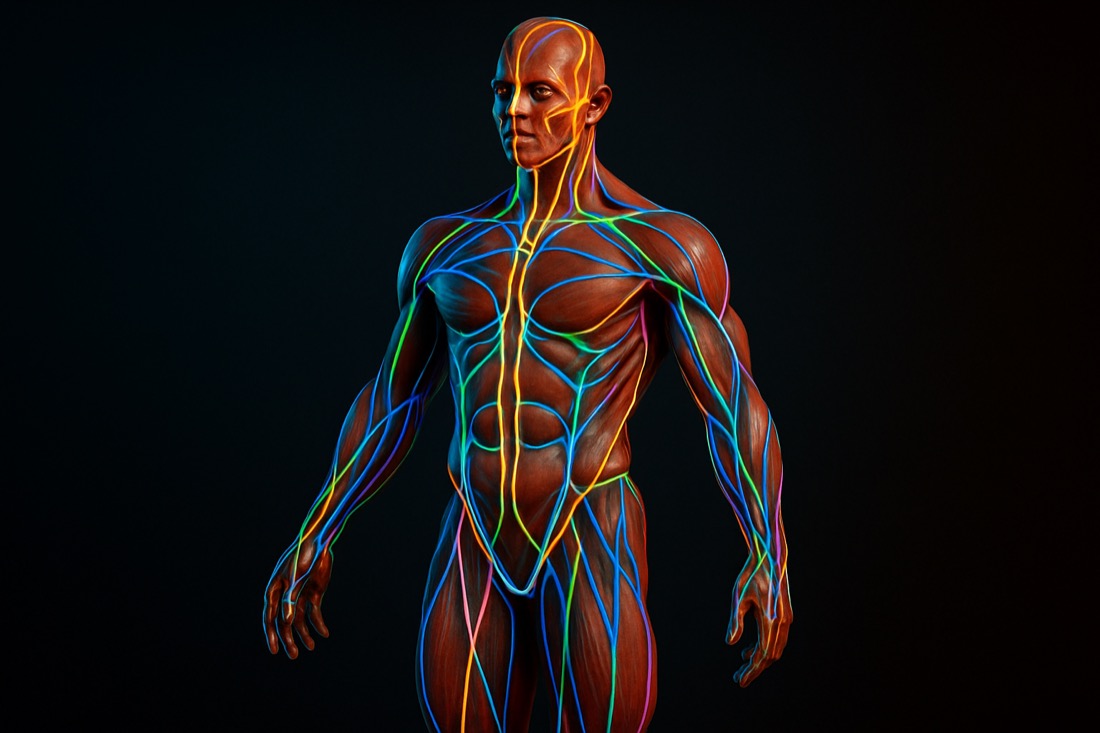
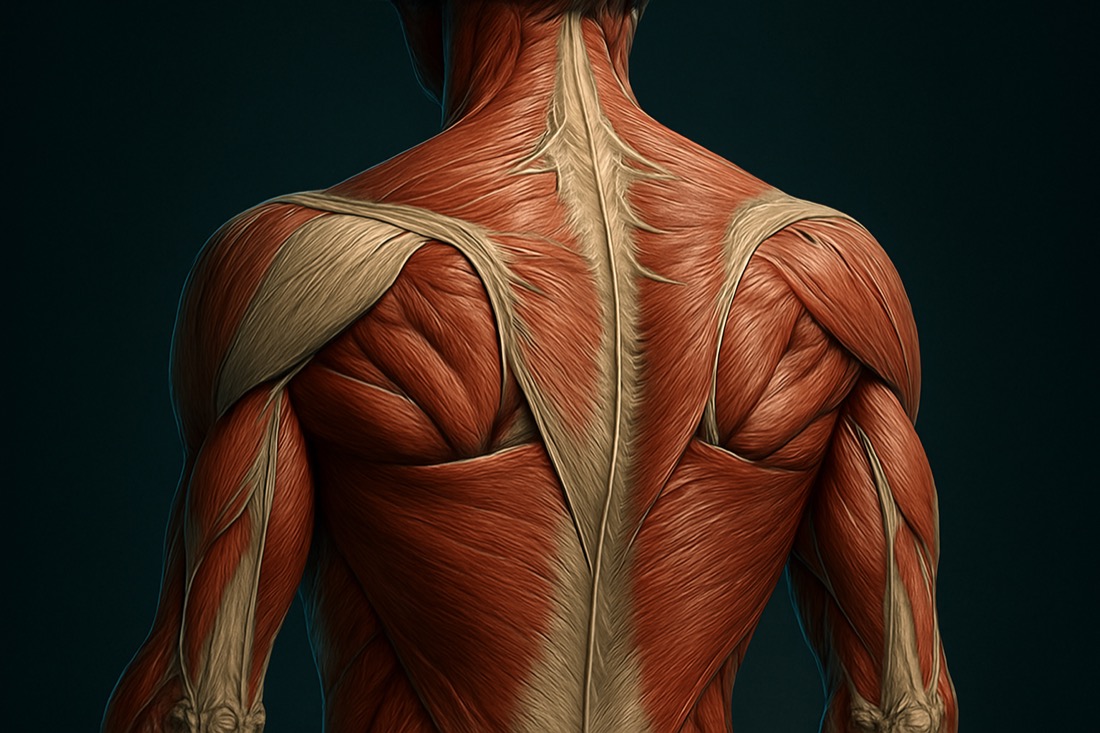
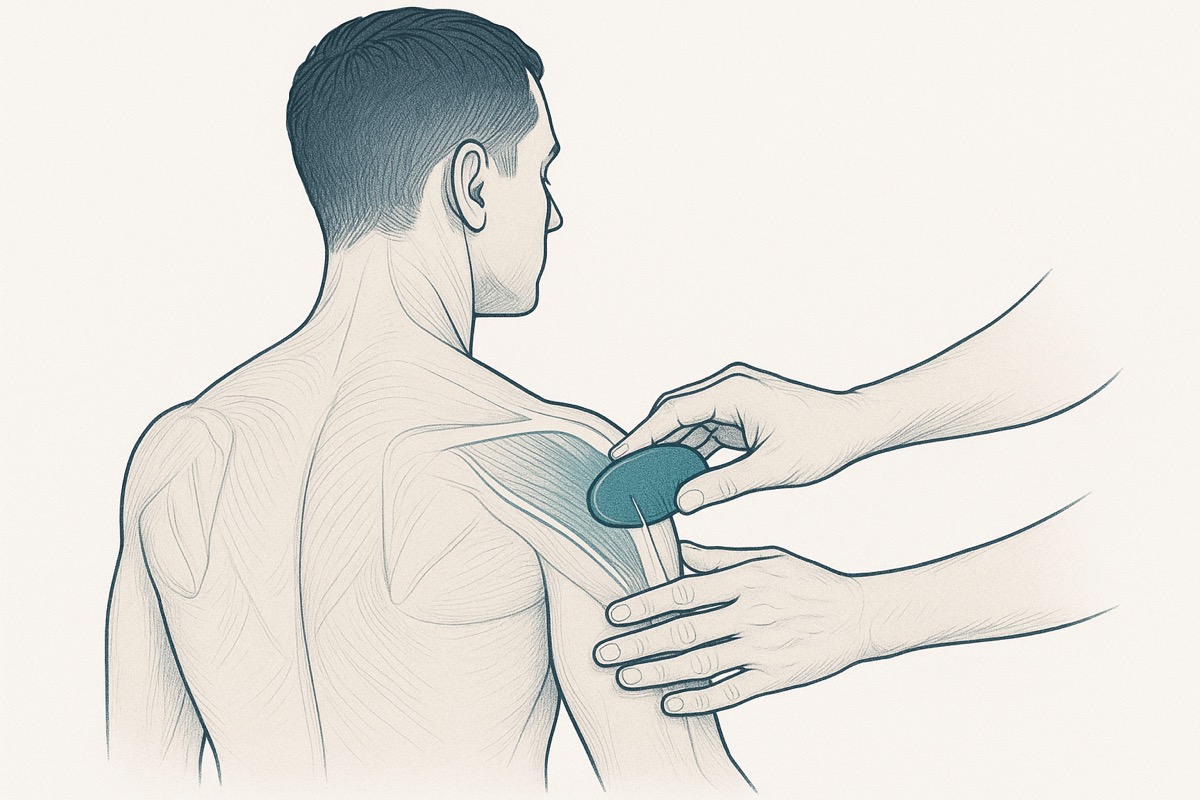
Fascia release focuses on loosening the connective tissues that bind and support muscles throughout the body. For low back pain, particularly sciatica, targeting the hamstrings is crucial. The hamstrings connect to the ischial tuberosity, extending down to the Achilles tendon. These muscles work in tandem with the body's core movements, making their flexibility integral to reducing pain.
By understanding the anatomical lines and targeting specific areas, such as the Achilles tendon and calf muscles, clinicians can promote better movement and reduce tension in the lower back. This approach is especially beneficial for individuals with postural imbalances, such as those with a swayback posture, which can exacerbate back and neck pain.
Why are the hamstrings important in treating sciatica?
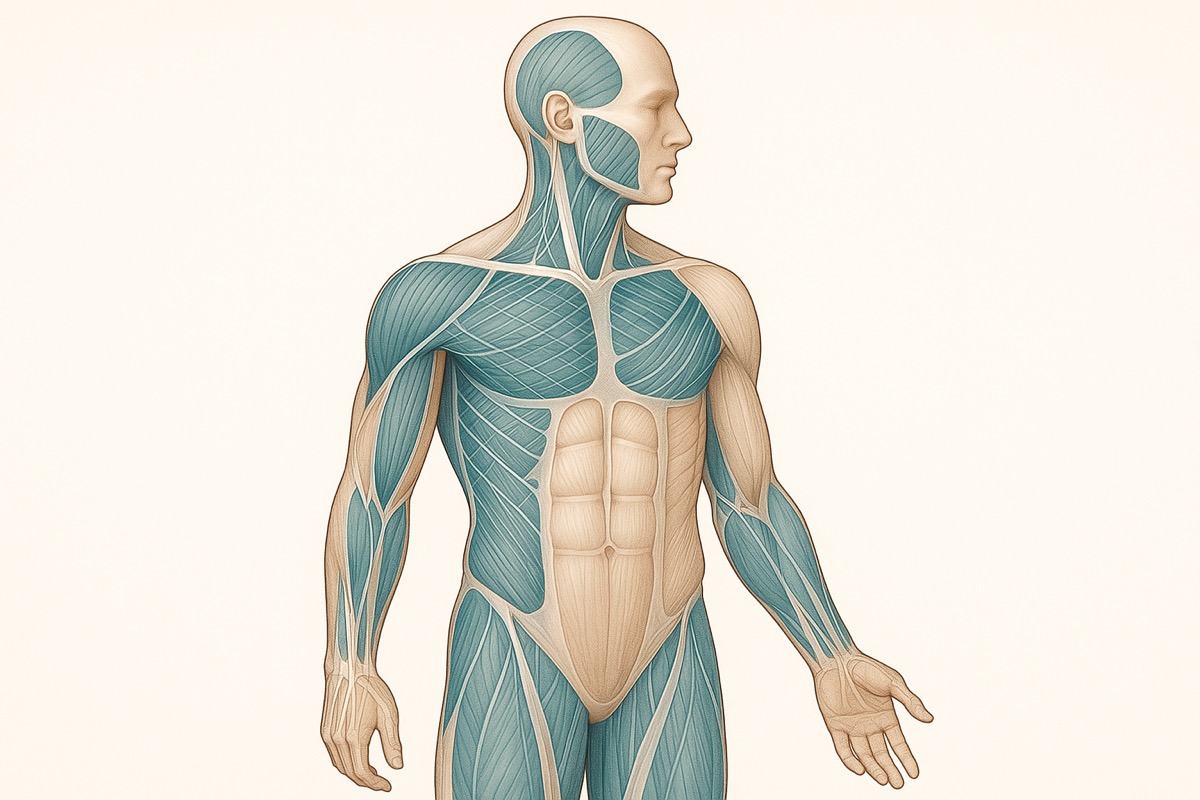
The hamstrings play a pivotal role in the body's movement and stability. Tightness in this muscle group can lead to compensation patterns, increasing strain on the lower back and contributing to sciatica. Releasing tension in the hamstrings can alleviate this strain, promoting better alignment and reducing pain.
To effectively release the hamstrings, it is essential to understand their anatomy, including the biceps femoris and semitendinosus. By addressing the tightness between these muscles, practitioners can help patients experience a significant reduction in low back pain symptoms.
What techniques aid in fascia release for low back pain?
One effective technique involves gently manipulating the space between the muscles, such as rolling between the hamstrings and quadriceps. This helps to release tension and improve flexibility. Another method includes applying pressure to specific points like the Achilles tendon, which can lead to a cascading release of tension along the back line.
These techniques do not require excessive force and can be performed with minimal discomfort. Regular practice can lead to gradual improvements in muscle elasticity and pain relief. However, it's crucial to approach these methods with care and to consult with a professional if you're unsure.
What improvements can be expected from fascia release?
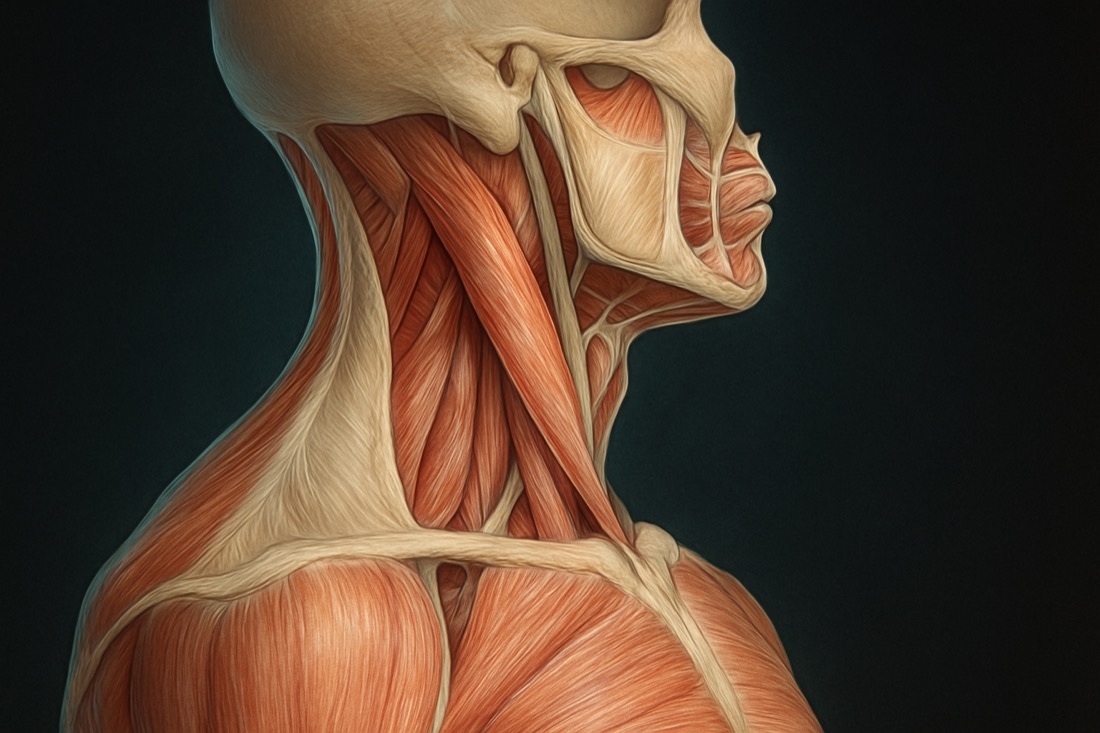
Patients often report a noticeable decrease in tension and pain following fascia release sessions. By targeting the interconnected muscle groups, such as the erector spinae and sternocleidomastoid muscles, individuals may experience improved posture and reduced neck pain.
It's important to note that while fascia release can provide significant relief, it should be part of a comprehensive treatment plan that includes lifestyle adjustments, such as adequate hydration, calcium intake, and vitamin D synthesis through sun exposure.
Frequently asked questions
Is fascia release safe? — Fascia release is generally safe when performed correctly by a trained professional. It is important to follow guidance to avoid injury.
How often should fascia release be performed? — The frequency of fascia release sessions depends on individual needs and should be determined by a healthcare provider.
Can fascia release cure sciatica? — While fascia release can significantly alleviate symptoms, it is not a guaranteed cure for sciatica. It should be part of a broader treatment plan.
References
- [1]Klingler W, Velders M, Hoppe K, Pedro M, Schleip R. Clinical relevance of fascial tissue and dysfunctions. Curr Pain Headache Rep. 2014;18(8):439.
- [2]Wilke J, Vogt L, Niederer D, Banzer W. Is remote stretching based on myofascial chains as effective as local exercise? A randomised-controlled trial. J Sports Sci. 2017;35(20):2021–2027.
- [3]Langevin HM. Connective tissue: a body-wide signaling network? Med Hypotheses. 2006;66(6):1074–1077.
- [4]Schleip R. Fascial plasticity — a new neurobiological explanation. J Bodyw Mov Ther. 2003;7(1):11–19.
- [5]Wilke J, Krause F, Vogt L, Banzer W. What Is Evidence-Based About Myofascial Chains? A Systematic Review. Arch Phys Med Rehabil. 2016;97(3):454–461.
- [6]Krause F, Wilke J, Vogt L, Banzer W. Intermuscular force transmission along myofascial chains: a systematic review. J Anat. 2016;228(6):910–918.