Applying Fascia Release Techniques for Sacroiliac Joint Treatment
Original title (JP): 筋膜リリースを応用した仙腸関節テクニック

Supervised by
Shogo Fujii
Physiotherapist (PT) · Founder of the SHOGO FUJII® FASCIA METHOD
View profile →Clinical Article · 5 min read
Fascia release for low back pain is an innovative technique gaining popularity among clinicians and patients seeking relief from discomfort. By understanding the intricate connections within the body, particularly around the sacroiliac joint, fascia release can offer significant improvements in mobility and pain reduction. This article explores the principles and applications of fascia release techniques, providing valuable insights for both practitioners and informed patients.
How does fascia release alleviate low back pain?
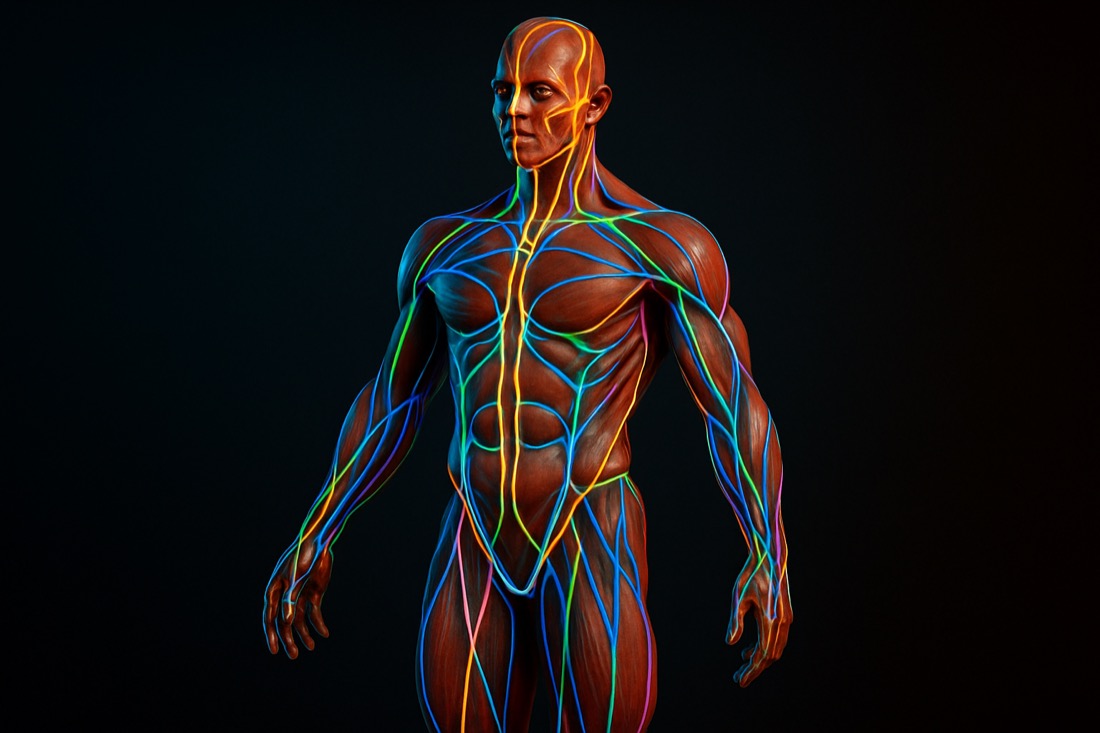
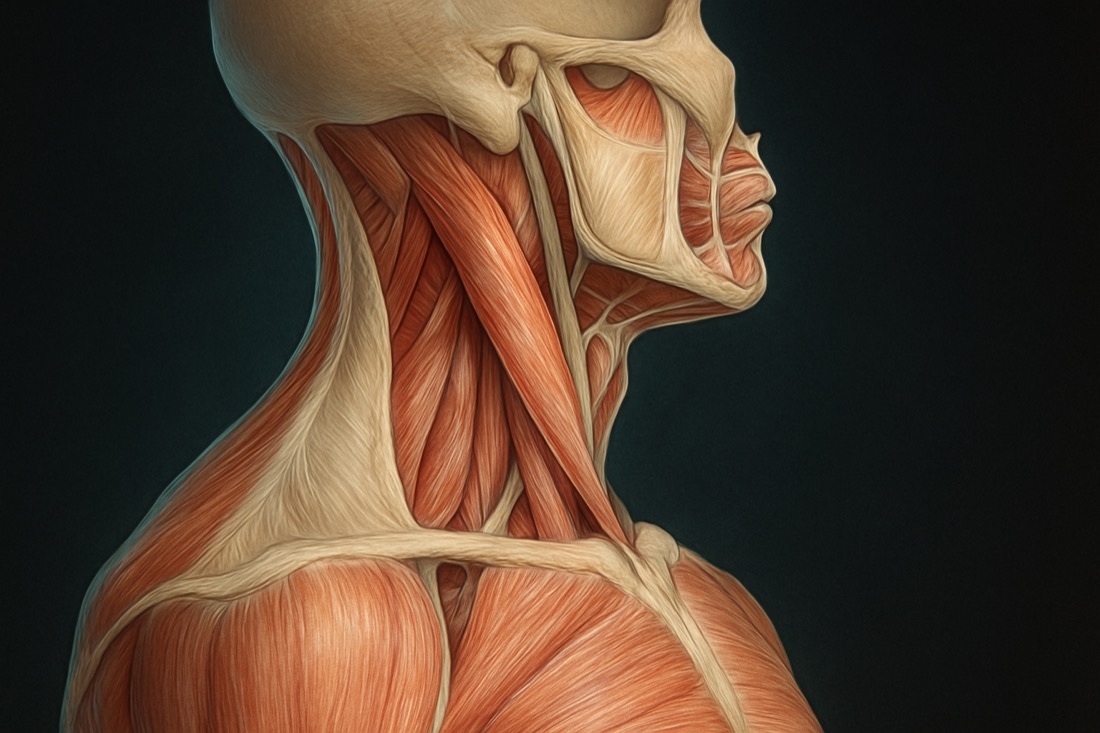
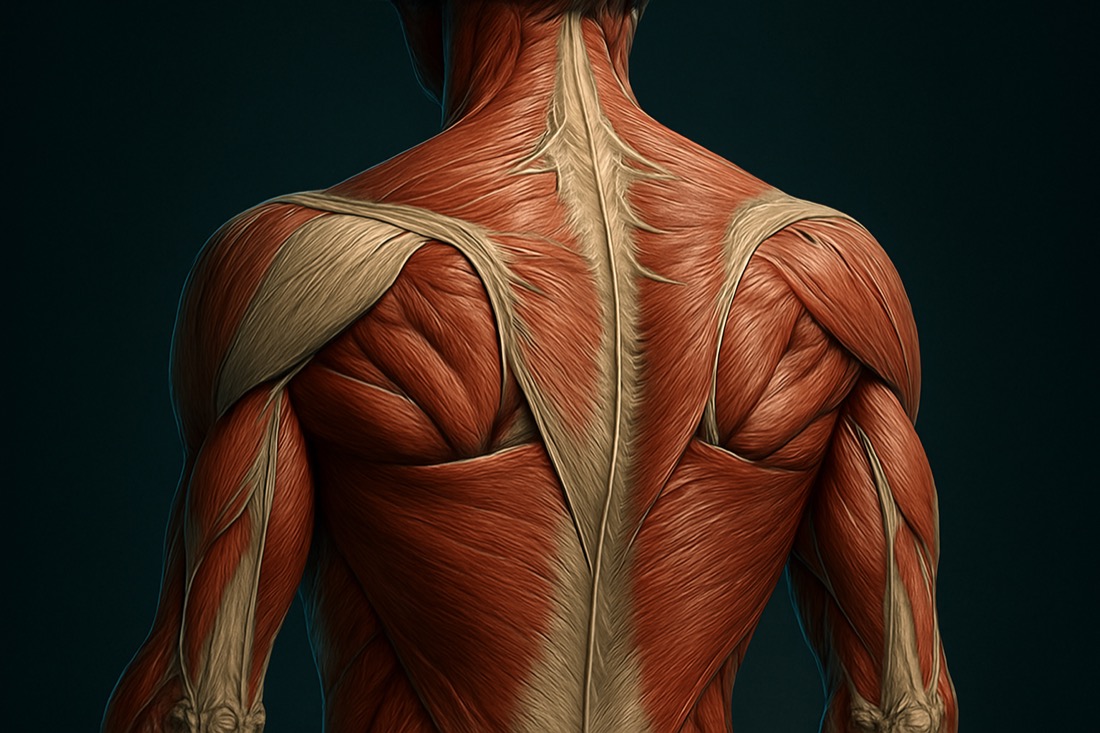
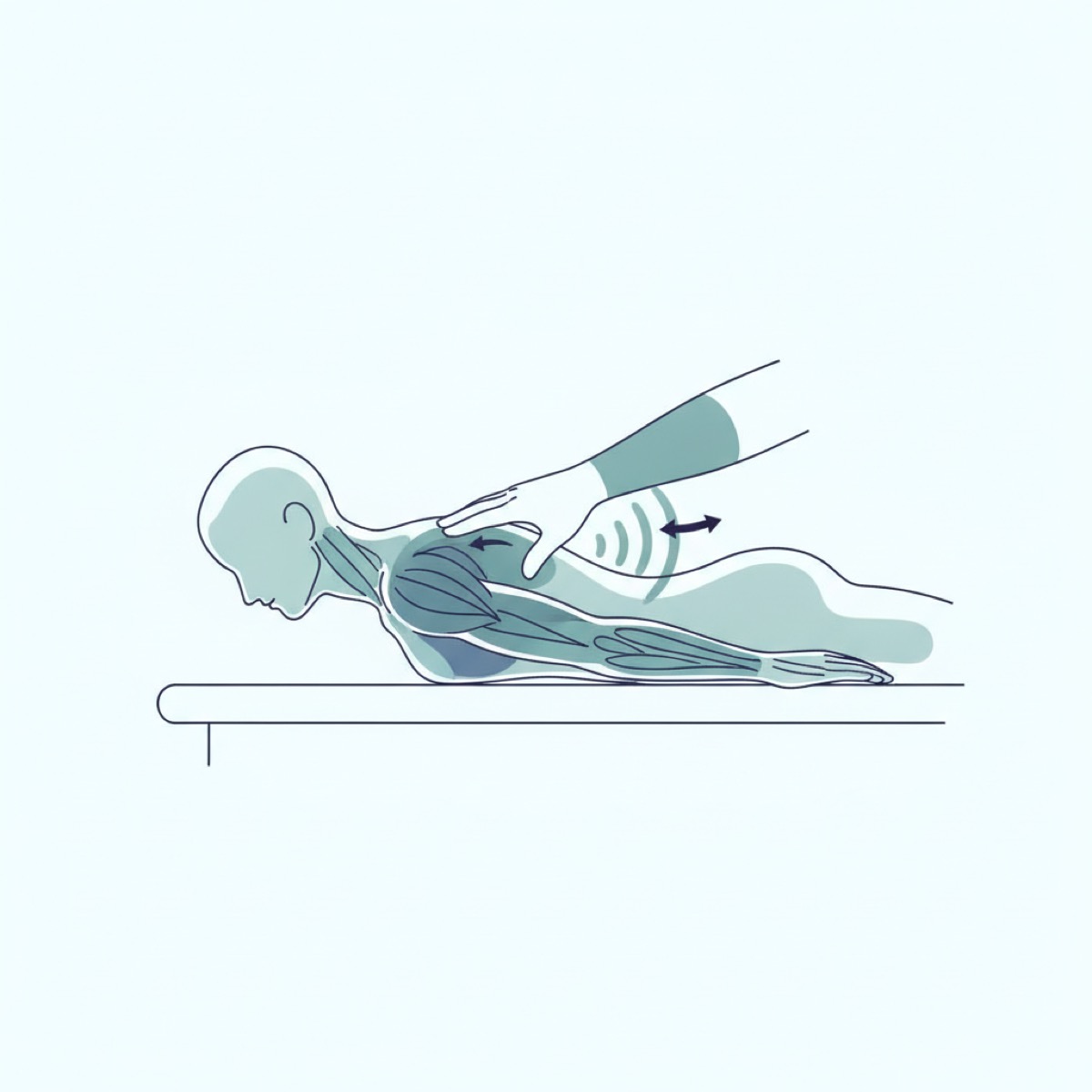
Fascia release techniques focus on manipulating the connective tissues that link muscles and bones, particularly in the pelvic and spinal regions. The sacroiliac joint, a critical area for maintaining body balance and posture, can significantly benefit from these techniques. By applying gentle pressure to the PSIS (posterior superior iliac spine) and other key points, tension is released throughout the fascia network, leading to a sensation of relaxation from head to toe.
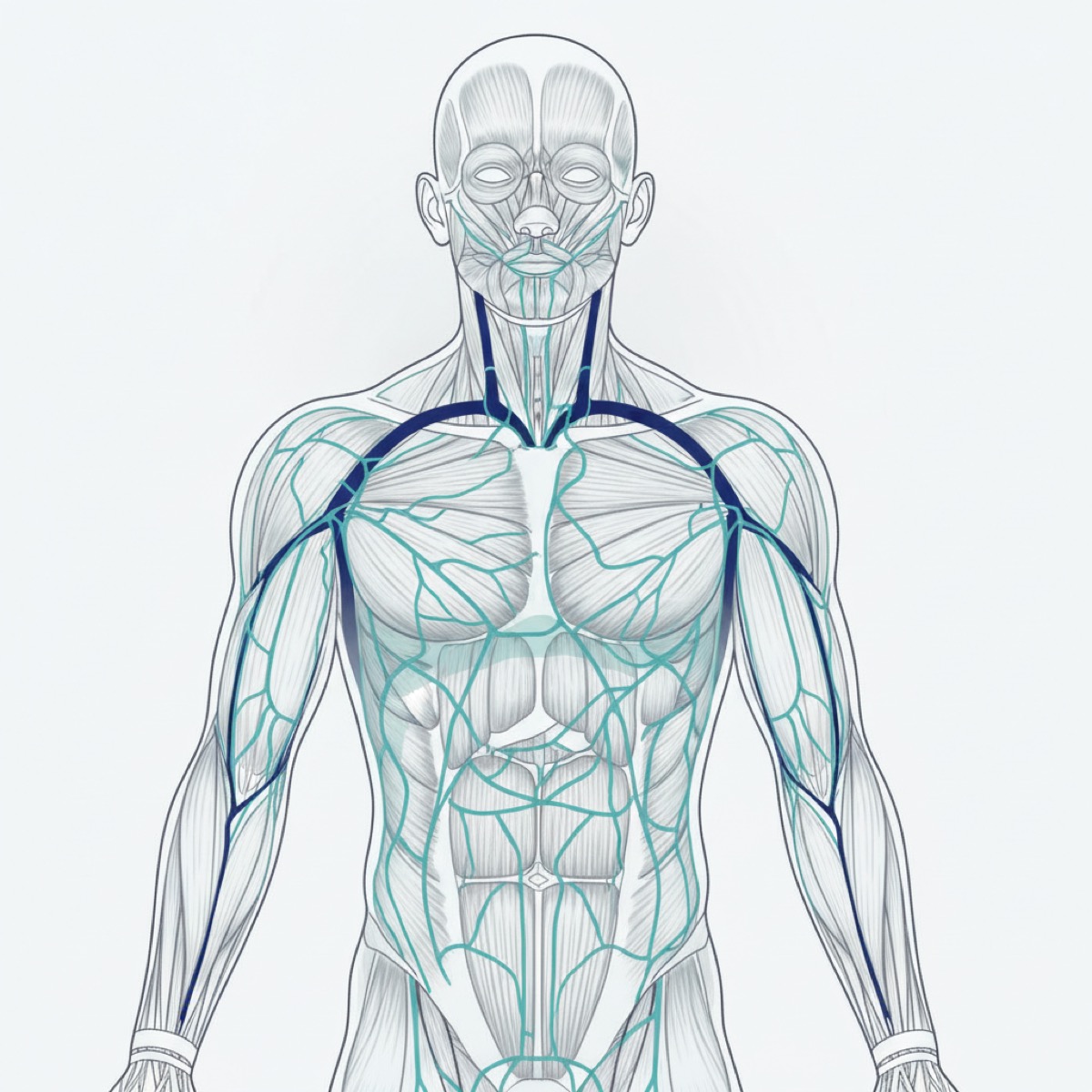
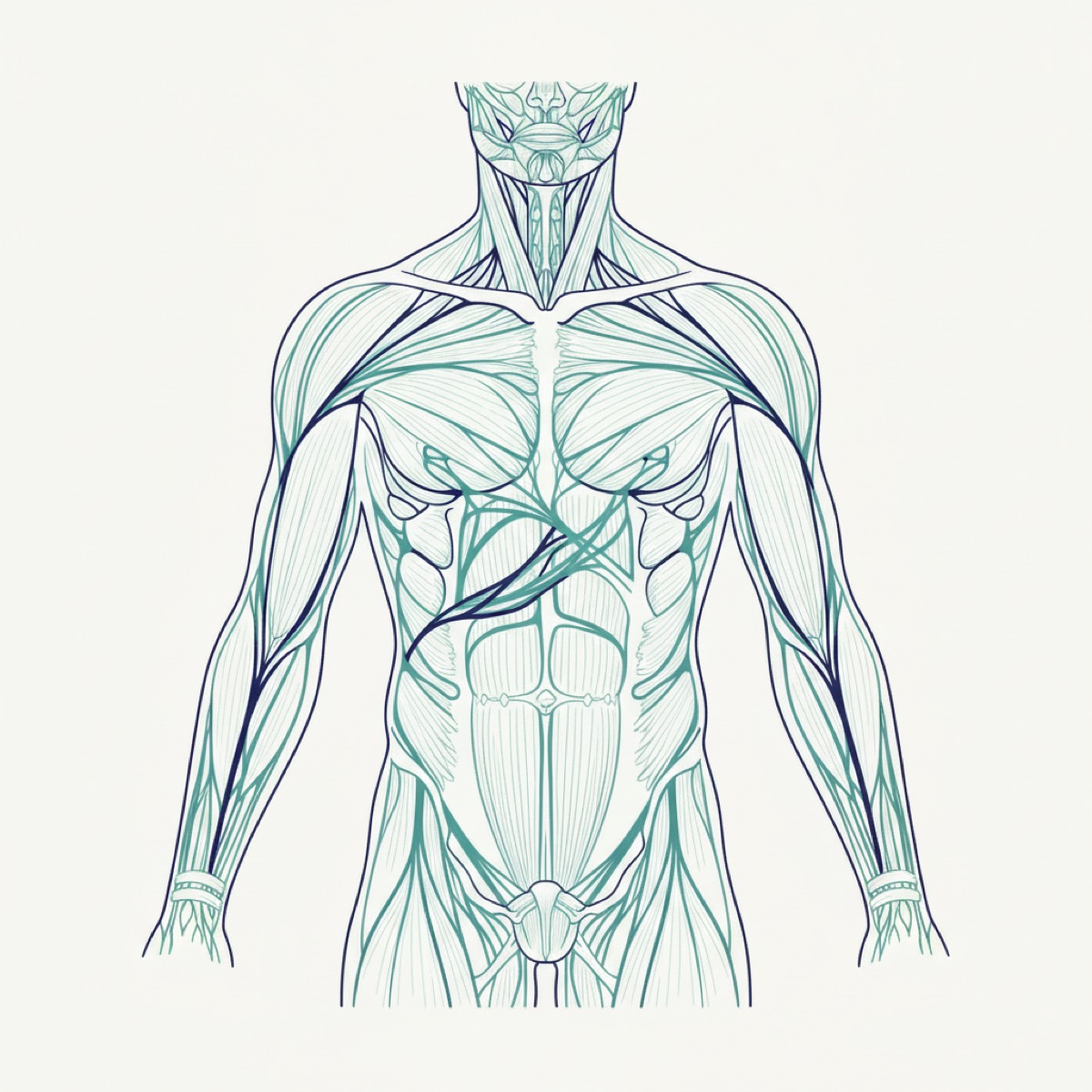
The interconnected nature of fascia means that addressing tension in the central areas, like the pelvis and spine, can lead to improvements in peripheral regions. This holistic approach allows for a more effective and comprehensive treatment, with many patients experiencing noticeable relief in various parts of the body after focusing on these central points.
Why target the sacroiliac joint?
The sacroiliac joint is a pivotal structure in the body, connecting the spine to the pelvis. Dysfunction or tension in this joint can lead to widespread pain, not just in the lower back but across the body. Fascia release techniques that focus on this area can help realign and stabilize the body's core, promoting better posture and reducing discomfort.
By improving the alignment and function of the sacroiliac joint, fascia release can also help alleviate secondary issues such as headaches, shoulder tension, and even knee pain. This is because the body's fascia network is deeply interconnected, meaning tension in one area can affect distant parts of the body.
What to expect from a fascia release session
During a fascia release session, practitioners will often begin by assessing the patient's posture and identifying areas of tension. They will then apply targeted pressure to specific points, such as the PSIS, lateral thigh muscles, and fibula, to release fascia tension. The process is typically gentle, requiring minimal force, and aims to promote a feeling of relaxation and increased mobility.
Patients may notice immediate changes, such as improved range of motion and reduced pain. However, the full benefits of fascia release may continue to develop over several sessions as the body adjusts to the realignment and reduced tension.
The benefits of central versus peripheral fascia treatment
Focusing on central areas like the pelvis and spine can yield faster and more comprehensive results compared to solely treating peripheral regions. By addressing the core structural issues, practitioners can indirectly alleviate symptoms in the extremities, often leading to quicker recovery times and more lasting relief.
This approach reduces the need for extensive treatment on peripheral areas, saving time and effort while still achieving significant therapeutic outcomes. It emphasizes the importance of understanding the body's interconnectedness and treating it as a whole rather than in isolated parts.
Frequently asked questions
Is fascia release safe? — Fascia release is generally considered safe when performed by trained professionals. It involves gentle manipulation that rarely causes adverse effects, though patients should always consult with their healthcare provider.
How many sessions are needed for results? — The number of sessions varies depending on the individual's condition and response to treatment. Some may experience relief after a single session, while others might require multiple visits to achieve optimal results.
Can fascia release help with other conditions? — Yes, fascia release can benefit various conditions beyond low back pain, such as tension headaches, shoulder pain, and knee discomfort, due to the interconnected nature of the fascia network.
References
- [1]Tozzi P, Bongiorno D, Vitturini C. Fascial release effects on patients with non-specific cervical or lumbar pain. J Bodyw Mov Ther. 2011;15(4):405–416.
- [2]Zügel M, Maganaris CN, Wilke J, et al. Fascial tissue research in sports medicine: from molecules to tissue adaptation, injury and diagnostics: consensus statement. Br J Sports Med. 2018;52(23):1497.
- [3]Klingler W, Velders M, Hoppe K, Pedro M, Schleip R. Clinical relevance of fascial tissue and dysfunctions. Curr Pain Headache Rep. 2014;18(8):439.
- [4]Wilke J, Vogt L, Niederer D, Banzer W. Is remote stretching based on myofascial chains as effective as local exercise? A randomised-controlled trial. J Sports Sci. 2017;35(20):2021–2027.
- [5]Palomeque-del-Cerro L, Arráez-Aybar LA, Rodríguez-Blanco C, et al. A systematic review of the soft-tissue connections between neck muscles and dura mater: the myodural bridge. Spine. 2017;42(1):49–54.
- [6]Woolf CJ. Central sensitization: implications for the diagnosis and treatment of pain. Pain. 2011;152(3 Suppl):S2–S15.