
Godly Technique: Instantly Fixing Ankle Pain
Original title (JP): 【神技】足首の痛みを一発で治す

Supervised by
Shogo Fujii
Physiotherapist (PT) · Founder of the SHOGO FUJII® FASCIA METHOD
View profile →Clinical Article · 5 min read
If you're searching for effective ankle pain relief techniques, understanding the role of the tibialis posterior muscle can be transformative. This often-overlooked muscle plays a crucial role in ankle stability and can significantly impact conditions like ankle sprains and knee pain. By exploring fascia therapy, clinicians and informed patients can find new ways to alleviate discomfort and improve mobility.
Why does ankle pain occur?
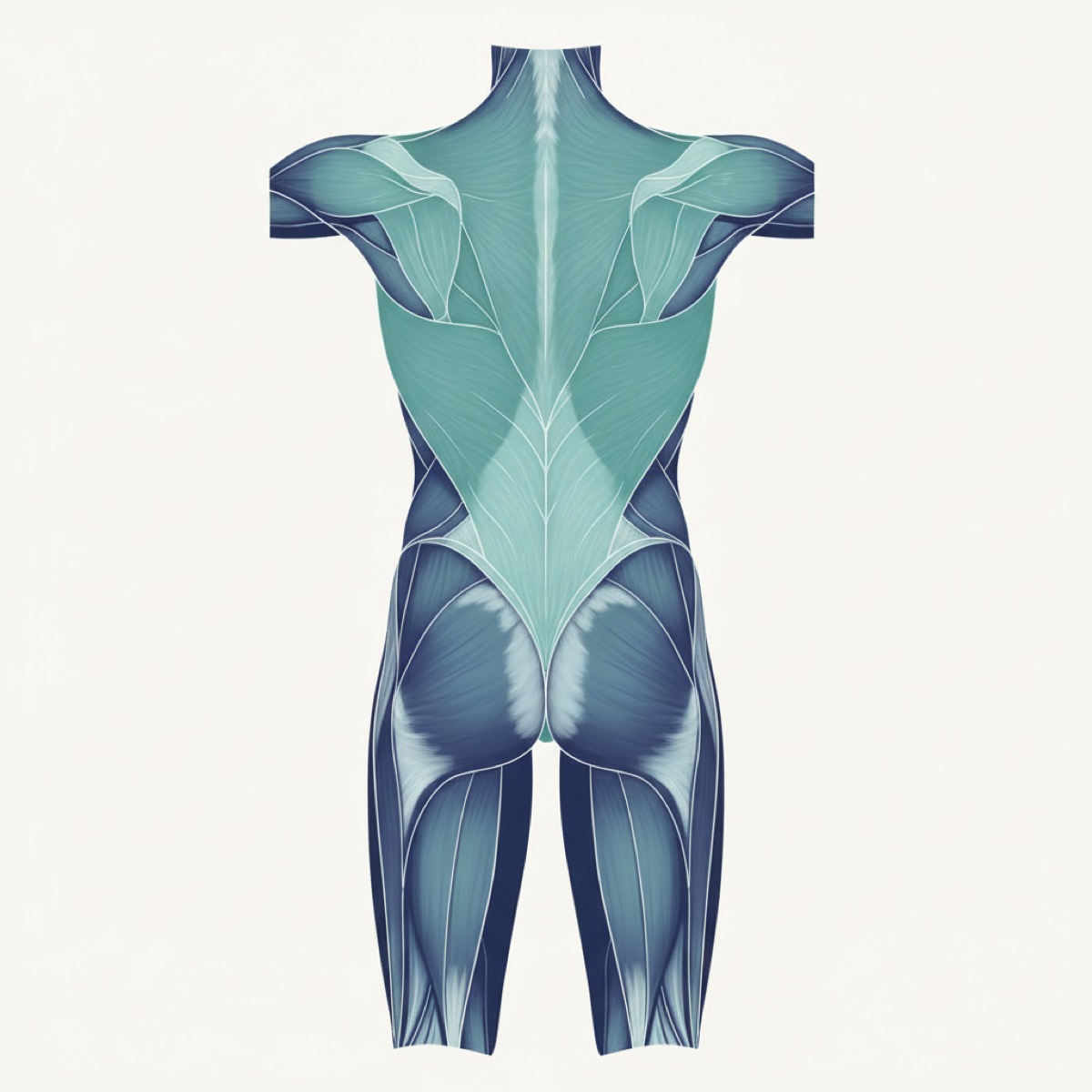
Ankle pain can arise from various factors, including muscle imbalances, ligament injuries, or chronic conditions like osteoarthritis. One muscle that significantly contributes to ankle stability and function is the tibialis posterior. This muscle originates from the interosseous membrane and attaches to several bones in the foot, playing a key role in movements such as plantarflexion and dorsiflexion. When the tibialis posterior is dysfunctional, it can lead to issues like ankle weakness and pain during activities like walking or squatting[1].
Understanding the anatomy and function of the tibialis posterior is essential for both clinicians and patients. This muscle not only supports the arch of the foot but also acts as a primary stabilizer during movement. By addressing dysfunction in this area, many patients experience relief from ankle pain and improved overall foot mechanics.
How does fascia therapy help with ankle pain?
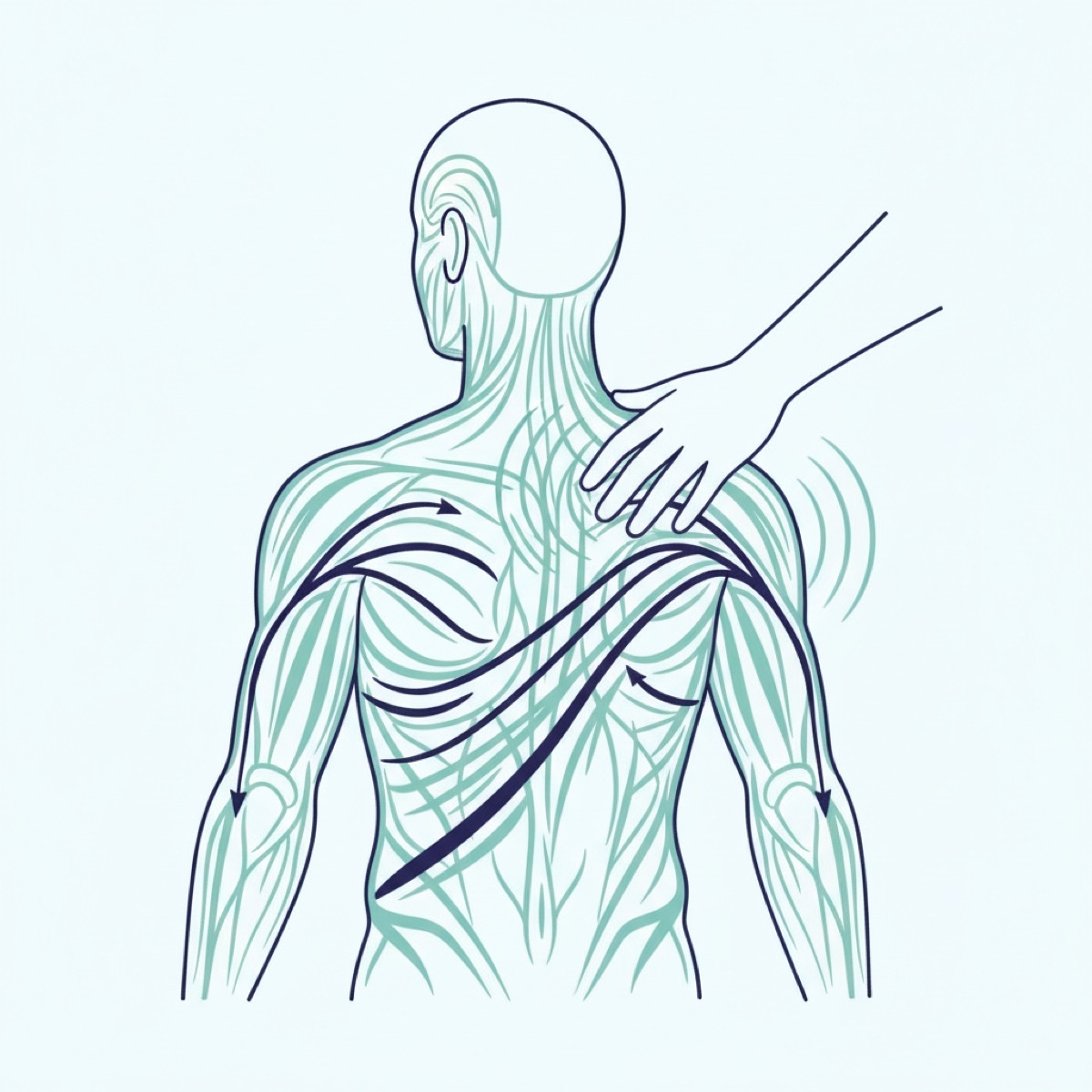
Fascia therapy focuses on releasing tension and improving the pliability of the connective tissue surrounding muscles and joints. In the context of ankle pain, targeting the fascia around the tibialis posterior can help alleviate discomfort and restore normal function. Techniques such as manual palpation and controlled stretching are often employed to assess and release tension in this area[2].
By incorporating fascia therapy into treatment plans, clinicians can address the underlying causes of ankle pain more effectively. This approach not only aids in immediate pain relief but also promotes long-term healing by improving circulation and reducing inflammation in the affected tissues.
What techniques improve ankle stability?
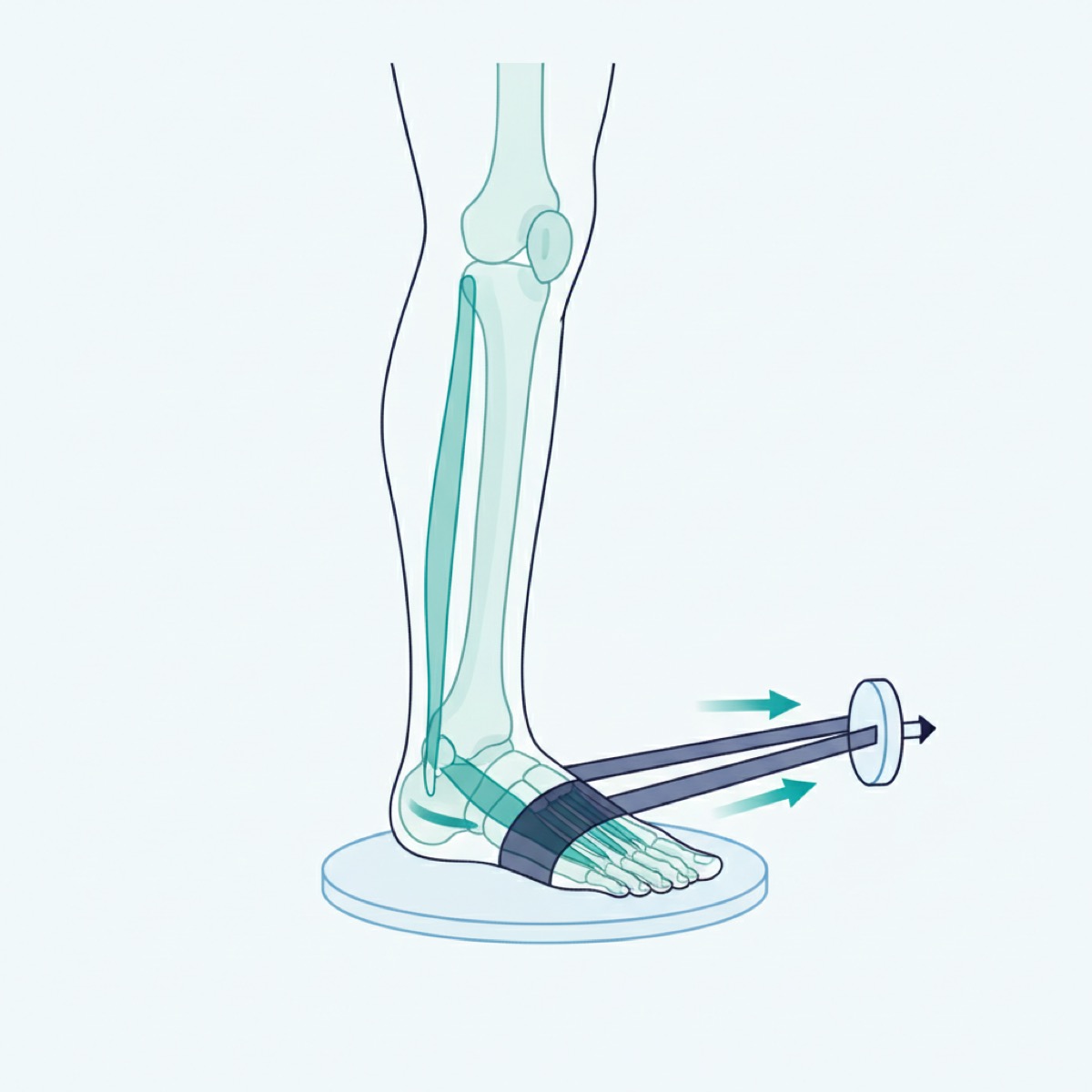
To enhance ankle stability, specific exercises and manual therapies targeting the tibialis posterior are recommended. Techniques include deep tissue massage to release tension and exercises such as heel raises and resistance band work to strengthen the muscle. These interventions help improve the muscle's function as both an agonist and antagonist during ankle movements[3].
Additionally, proprioceptive training, which involves exercises that improve balance and coordination, can significantly benefit individuals with a history of ankle instability. Such training helps reinforce the neural pathways that maintain joint stability, reducing the likelihood of future injuries.
What to expect during a fascia therapy session?
During a fascia therapy session for ankle pain, a clinician will first assess the range of motion and identify any areas of tension or weakness. The treatment may involve direct manipulation of the tibialis posterior and surrounding fascia to release tightness and improve mobility. Patients may feel a sense of relief and increased ease of movement immediately following the session[4].
It's important to note that while some individuals experience significant improvements after a single session, others may require ongoing treatment to achieve optimal results. The clinician will provide guidance on at-home exercises and self-care techniques to support the therapy's benefits.
Frequently asked questions
Is fascia therapy safe? — Yes, fascia therapy is generally safe when performed by a trained professional. It involves gentle manipulation of tissues and is non-invasive, making it a suitable option for many individuals seeking pain relief[5].
How long does it take to see results from fascia therapy? — Results can vary depending on the individual and the severity of the condition. Some people notice improvements after one session, while others may require multiple sessions over several weeks to experience significant changes[6].
Can fascia therapy help with chronic ankle sprains? — Fascia therapy can be beneficial for chronic ankle sprains by addressing underlying tissue tension and promoting healing. It is often used in conjunction with other treatments to enhance recovery and prevent future injuries.
References
- [1]Stecco C, Stern R, Porzionato A, et al. Hyaluronan within fascia in the etiology of myofascial pain. Surg Radiol Anat. 2011;33(10):891–896.
- [2]Ajimsha MS, Al-Mudahka NR, Al-Madzhar JA. Effectiveness of myofascial release: a systematic review of randomized controlled trials. J Bodyw Mov Ther. 2015;19(1):102–112.
- [3]Tozzi P, Bongiorno D, Vitturini C. Fascial release effects on patients with non-specific cervical or lumbar pain. J Bodyw Mov Ther. 2011;15(4):405–416.
- [4]Zügel M, Maganaris CN, Wilke J, et al. Fascial tissue research in sports medicine: from molecules to tissue adaptation, injury and diagnostics: consensus statement. Br J Sports Med. 2018;52(23):1497.
- [5]Klingler W, Velders M, Hoppe K, Pedro M, Schleip R. Clinical relevance of fascial tissue and dysfunctions. Curr Pain Headache Rep. 2014;18(8):439.
- [6]Wilke J, Vogt L, Niederer D, Banzer W. Is remote stretching based on myofascial chains as effective as local exercise? A randomised-controlled trial. J Sports Sci. 2017;35(20):2021–2027.
Related videos

Palpation X-Ray #84 | Is the Sacrum Really a Flat Plate? It's a Wedge, Wide at the Top and Narrowing Downward — Trace Down from the Lumbar Spine and Confirm at Gluteus Maximus
0:56
Dramatic Improvement in One Session: Manual Approach to the Pelvic Girdle, with Palpation of Anatomical Landmarks and Movement Assessment Before and After (Hands-On Demo)
5:48