Release Technique for Arm Nerve Plexus to Eliminate Numbness
Original title (JP): 【超有料級】しびれが消える!腕神経叢リリーステクニックで!

Supervised by
Shogo Fujii
Physiotherapist (PT) · Founder of the SHOGO FUJII® FASCIA METHOD
View profile →Clinical Article · 5 min read
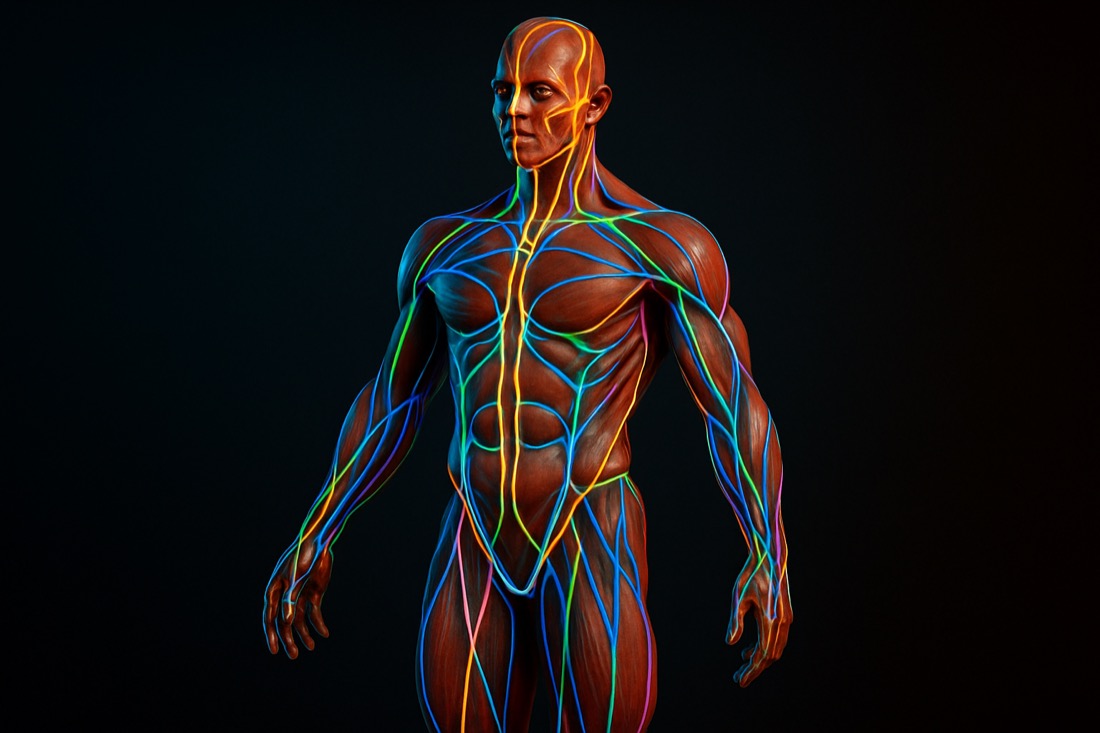
Are you experiencing persistent numbness in your arm that just won't go away? The solution might lie in understanding fascia release for the arm nerve plexus. This technique, rooted in anatomical insights, can help alleviate numbness by improving blood flow and reducing nerve compression [1][2]. Let's explore how this approach can transform discomfort into relief.
Why does numbness occur in the arm?
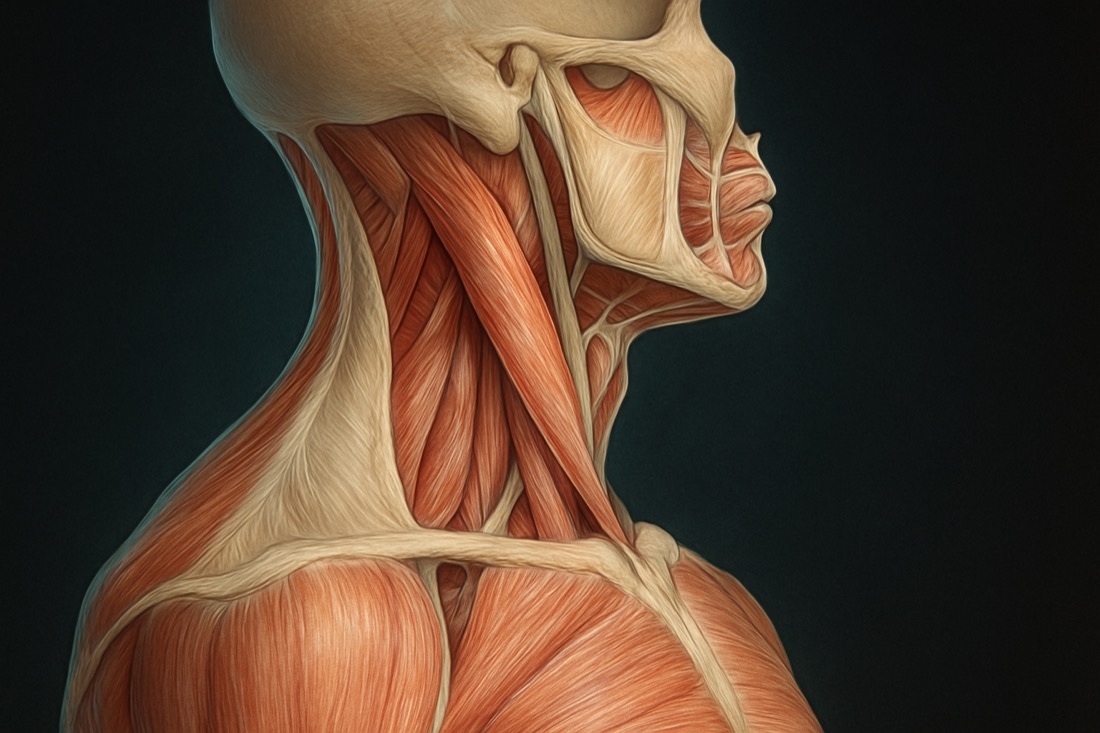
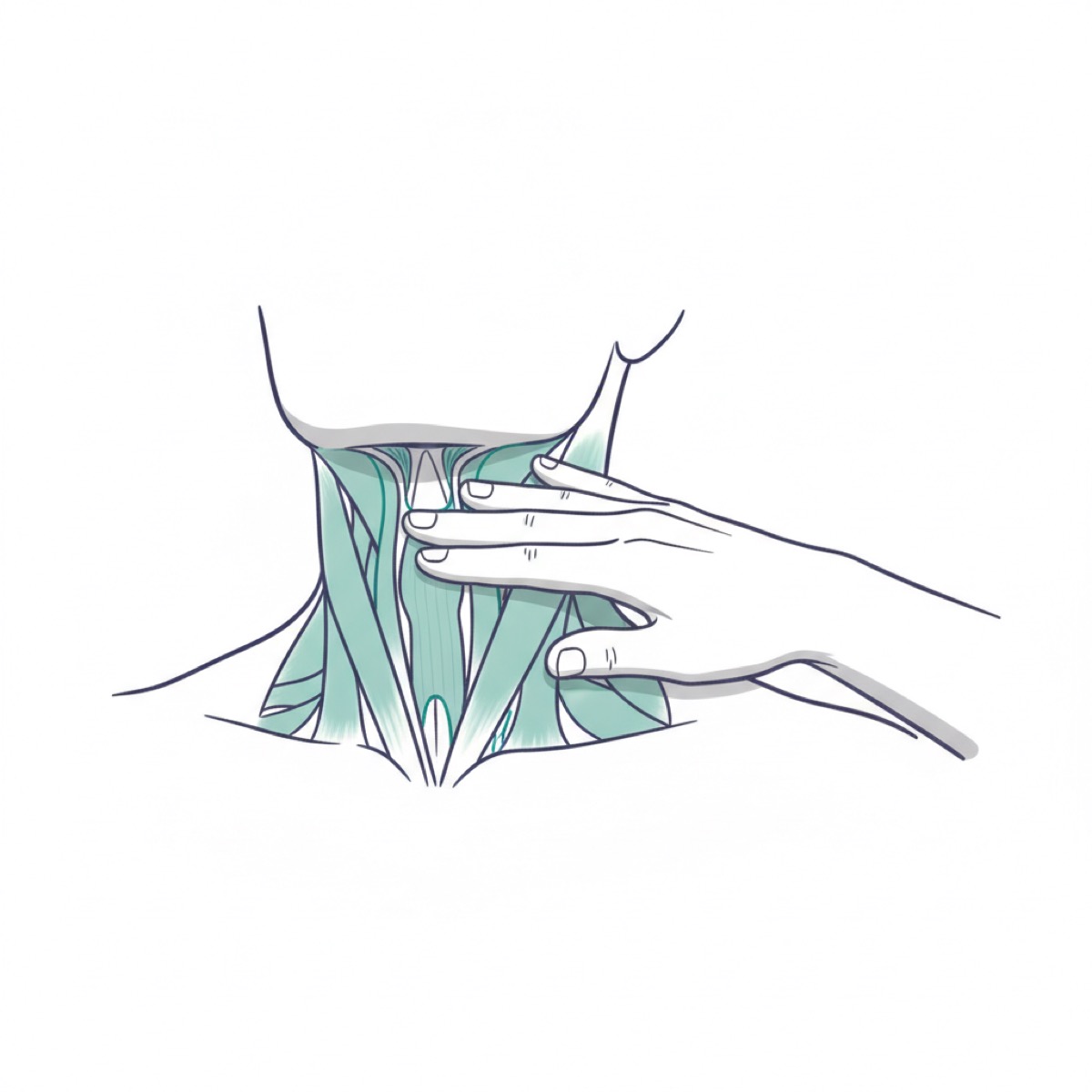
Numbness in the arm is often linked to nerve compression, particularly involving the brachial plexus. This intricate network of nerves can be affected by tight muscles, especially the scalene muscles in the neck, which can restrict blood flow and nerve function [3]. Understanding these anatomical relationships is crucial for addressing the root cause of numbness.
The scalene muscles are surrounded by major arteries, and when these muscles are tight, they can impede circulation, leading to symptoms like cold hands or tingling sensations. By targeting these muscles, fascia release techniques can help restore proper blood flow and alleviate nerve compression [4].
How fascia release works for the arm nerve plexus
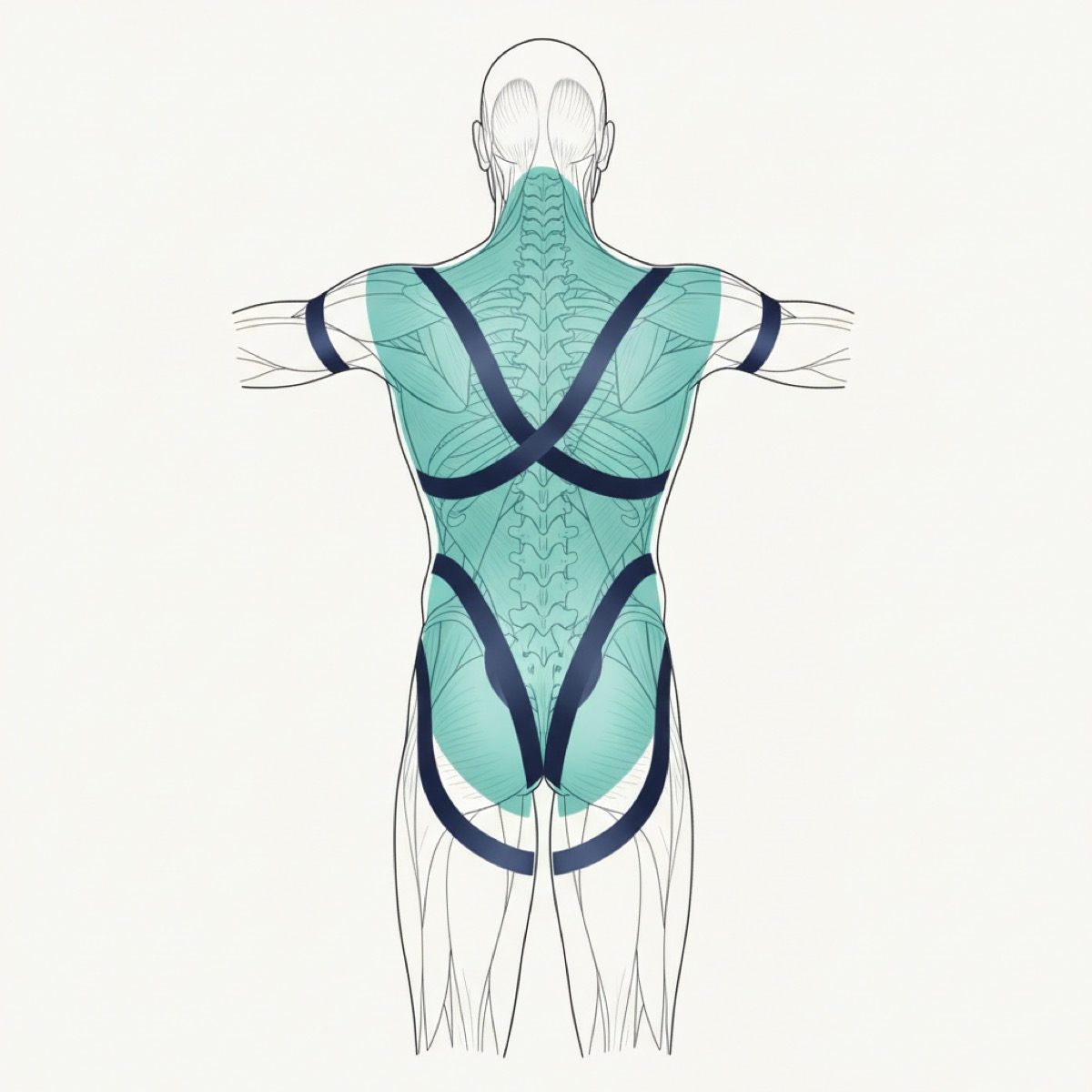
Fascia release focuses on easing the tension in the scalene muscles, which are key players in the brachial plexus region. By applying gentle pressure and specific movements, the fascia that encases these muscles can be loosened, improving flexibility and reducing nerve pressure [5].
This technique involves a methodical approach to identifying and relieving tension points. As the fascia relaxes, blood flow improves, and symptoms such as numbness and coldness in the hands are often reduced. This holistic approach not only targets the symptoms but also addresses the underlying anatomical issues.
What to expect during a fascia release session
During a fascia release session, the therapist will guide you through specific movements and breathing techniques. These are designed to maximize the release of tension in the scalene muscles and improve nerve function. The process is generally gentle, with a focus on gradual improvement rather than instant change.
As the session progresses, you might notice an increase in warmth and a decrease in numbness in your arm. These changes indicate improved circulation and nerve function. Remember, each session builds upon the last, gradually enhancing the overall health of the fascia and associated nerves [6].
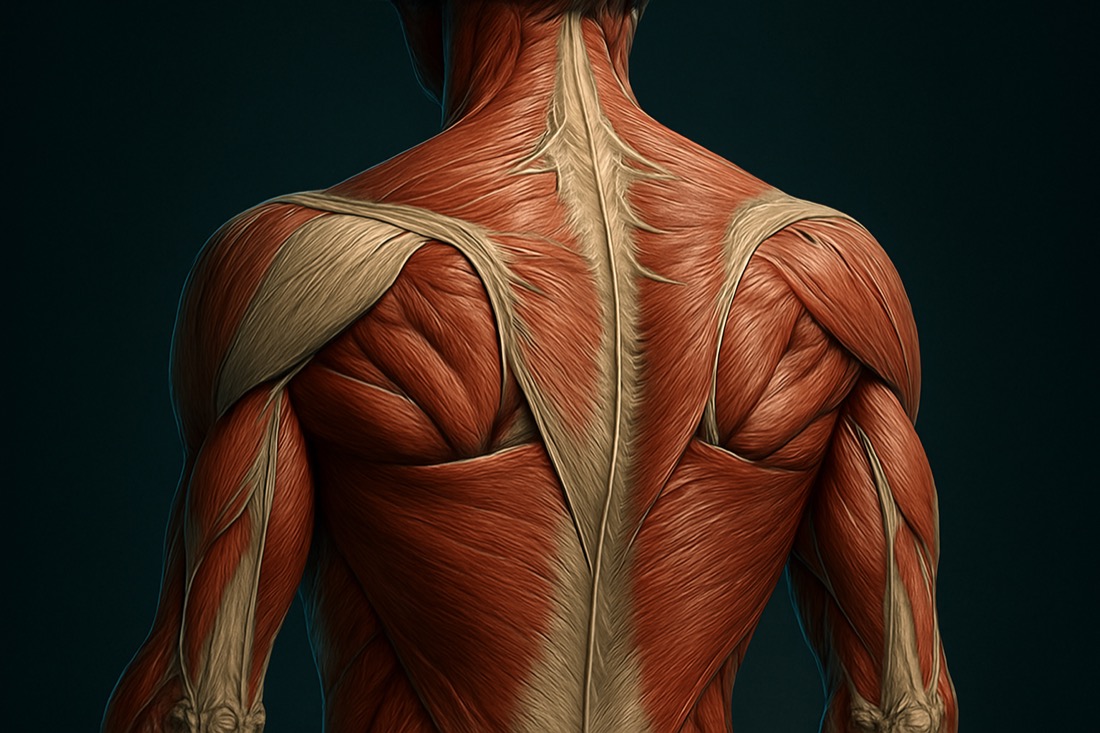
Benefits of fascia release for low-back pain
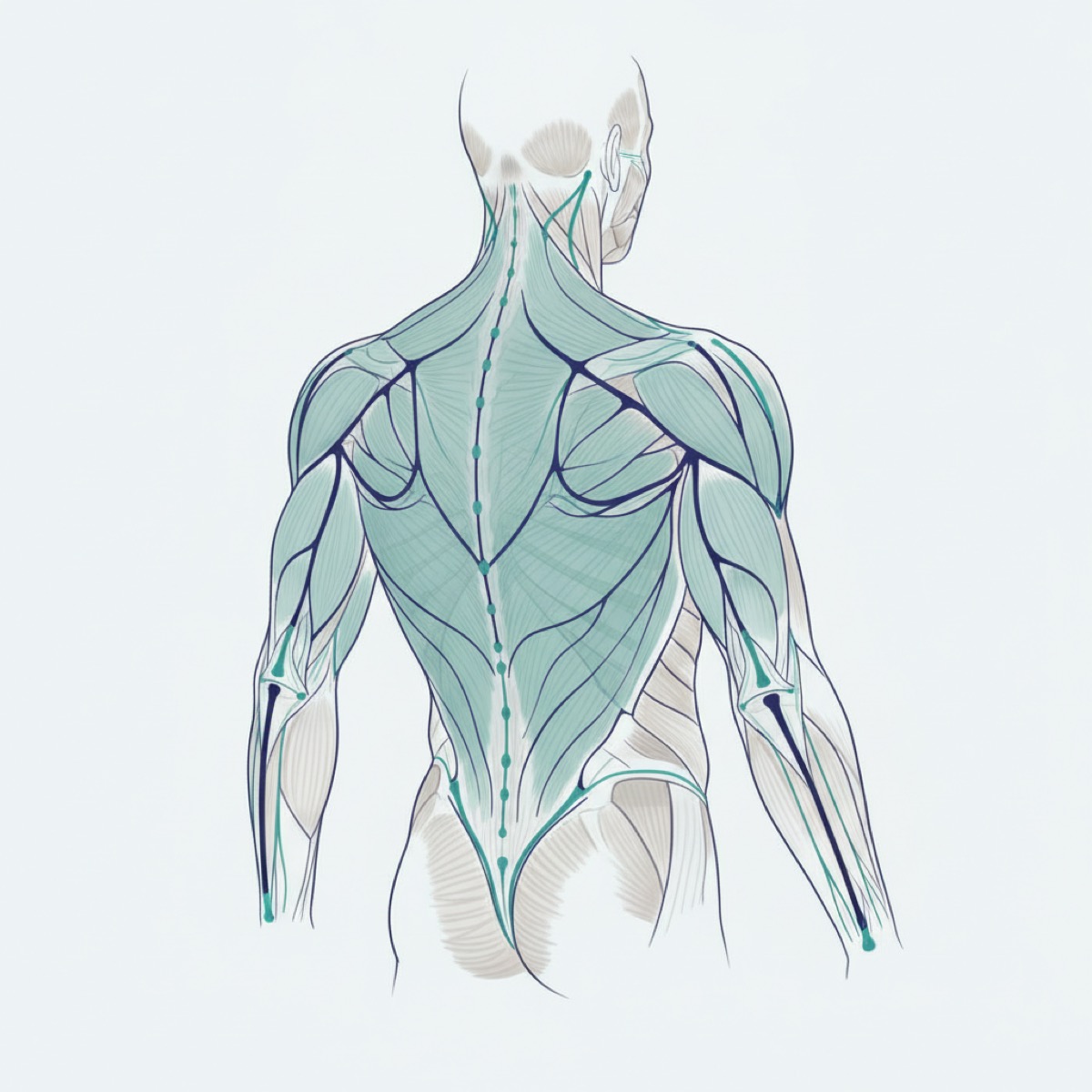
While primarily focused on arm numbness, fascia release techniques can also benefit those suffering from low-back pain. The interconnected nature of fascia means that releasing tension in one area can positively impact other regions of the body, including the lower back.
This is particularly relevant for individuals with conditions like thoracic outlet syndrome or cervical spine issues, where nerve compression can manifest as both arm numbness and low-back discomfort. By addressing the fascia's role in these conditions, a more comprehensive relief can be achieved.
Frequently asked questions
Is fascia release safe? — Yes, fascia release is generally considered a safe and non-invasive technique. It should be performed by trained professionals to ensure proper technique and minimize any potential risks.
How long does it take to see results? — Results can vary depending on the individual and the severity of their symptoms. Some may notice improvements after a single session, while others may require multiple sessions for optimal results.
Can fascia release help with other conditions? — Fascia release can potentially benefit other conditions related to muscle tension and nerve compression, such as headaches, neck pain, and even some forms of back pain.
References
- [1]Salehi B, Venditti A, Sharifi-Rad M, et al. The therapeutic potential of apigenin. Int J Mol Sci. 2019;20(6):1305.
- [2]Field R, Pourkazemi F, Turton J, Rooney K. Dietary interventions are beneficial for patients with chronic pain: a systematic review with meta-analysis. Pain Med. 2021;22(3):694–714.
- [3]Taljanovic MS, Gimber LH, Becker GW, et al. Shear-wave elastography: basic physics and musculoskeletal applications. RadioGraphics. 2017;37(3):855–870.
- [4]Langevin HM. Connective tissue: a body-wide signaling network? Med Hypotheses. 2006;66(6):1074–1077.
- [5]Schleip R. Fascial plasticity — a new neurobiological explanation. J Bodyw Mov Ther. 2003;7(1):11–19.
- [6]Wilke J, Krause F, Vogt L, Banzer W. What Is Evidence-Based About Myofascial Chains? A Systematic Review. Arch Phys Med Rehabil. 2016;97(3):454–461.