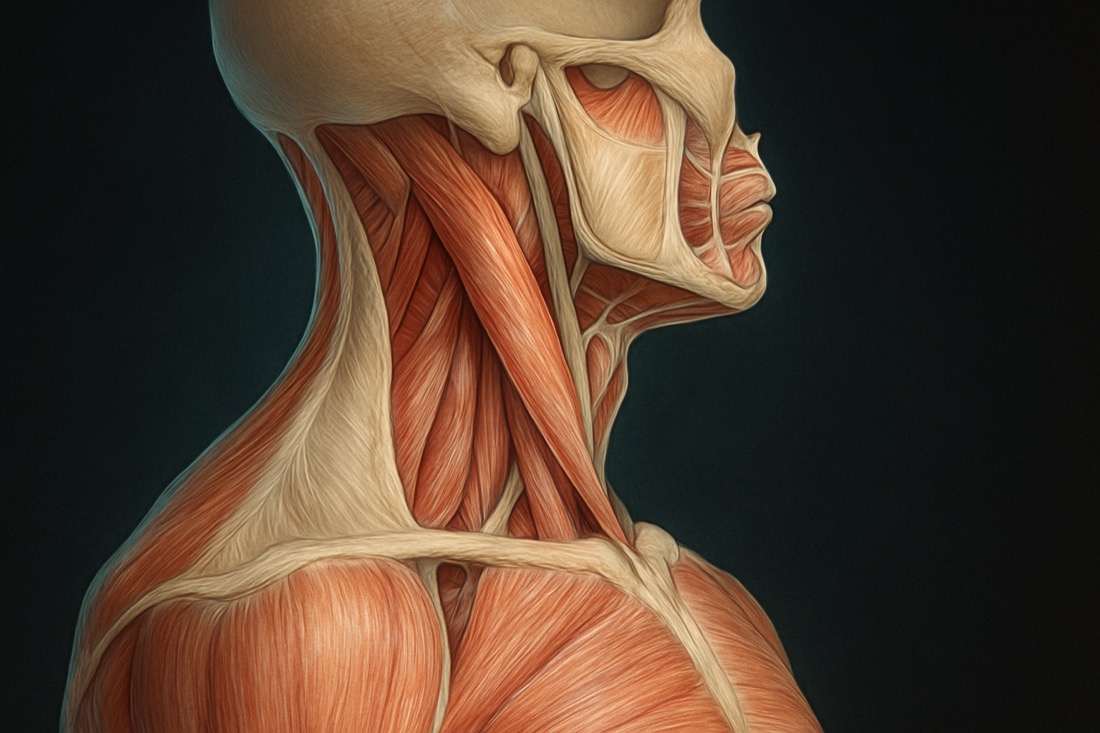
Instantly Fixing Elbow Pain
Original title (JP): 肘の痛みを一発で治す動画

Supervised by
Shogo Fujii
Physiotherapist (PT) · Founder of the SHOGO FUJII® FASCIA METHOD
View profile →Clinical Article · 5 min read
Are you struggling with persistent elbow pain and searching for effective solutions? While it might seem unrelated, fascia release for low back pain can surprisingly alleviate elbow discomfort. By understanding the interconnectedness of the body's fascia system, clinicians and informed patients can explore innovative approaches to pain relief.
Why does elbow pain persist despite treatment?
Many individuals suffer from chronic elbow pain, often diagnosed as lateral epicondylitis or golfer's elbow. However, traditional treatments focusing solely on the elbow might not provide relief. The key lies in understanding the interconnected nature of the fascia system, where issues in one part of the body, such as the low back, can manifest as pain in another area, like the elbow.
The fascia is a connective tissue network that envelops muscles, organs, and bones, maintaining structural integrity. When tension or adhesions develop in areas like the low back, they can impact distant regions, causing discomfort and limited mobility. By addressing these underlying fascial tensions, one can often find relief from persistent elbow pain.
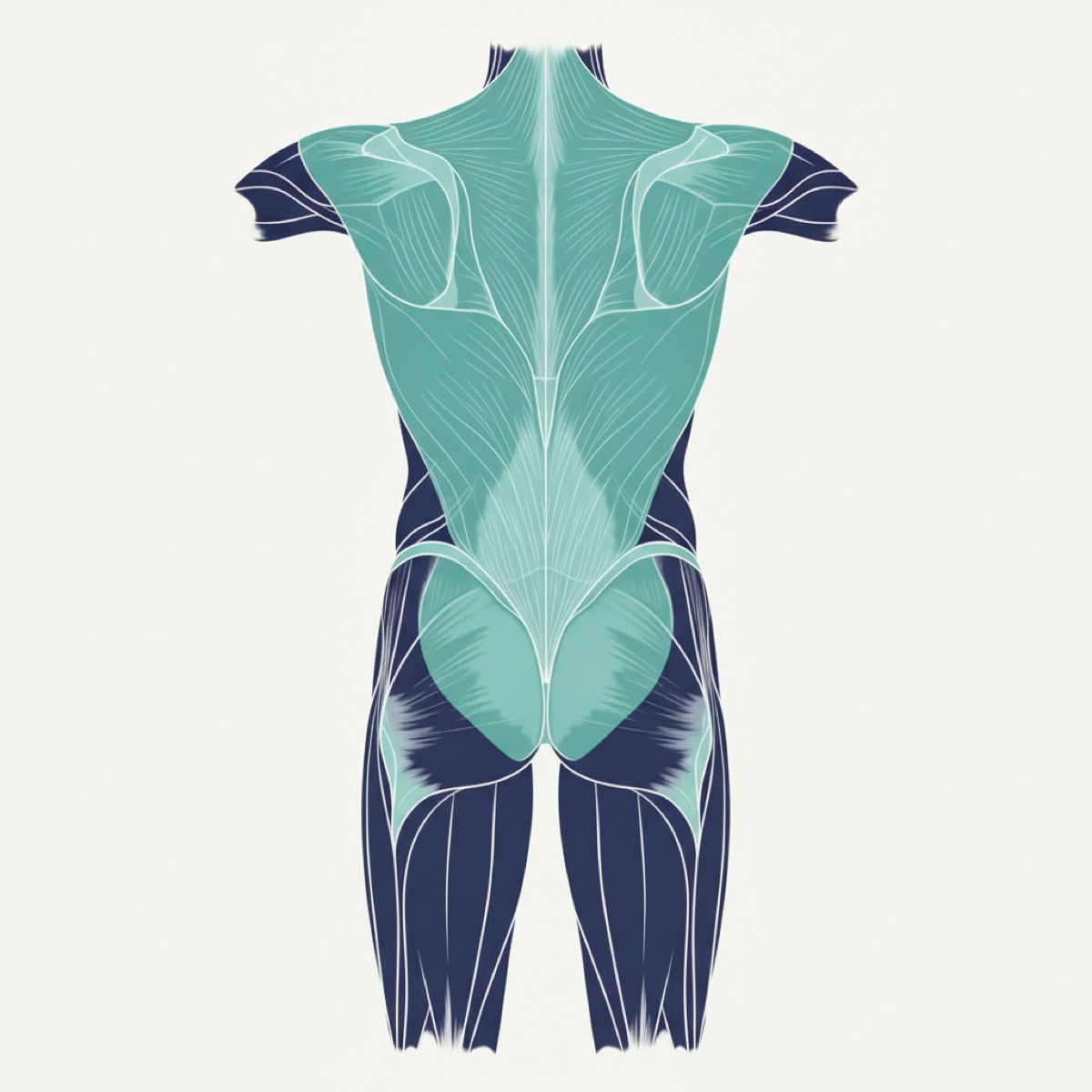
How fascia release for low back pain alleviates elbow discomfort
Fascia release techniques target adhesions and tension in the connective tissue, promoting better movement and reducing strain on affected areas. For instance, releasing tension in the pectoralis minor and subclavius muscles can improve shoulder and arm function, indirectly alleviating elbow pain.
Techniques involve gentle manipulation and stretching of the fascia, aiming to restore its natural elasticity and glide. This holistic approach considers the body's entire fascial network, rather than isolating treatment to the painful site alone, thus addressing the root cause of discomfort.
What to expect from fascia release therapy
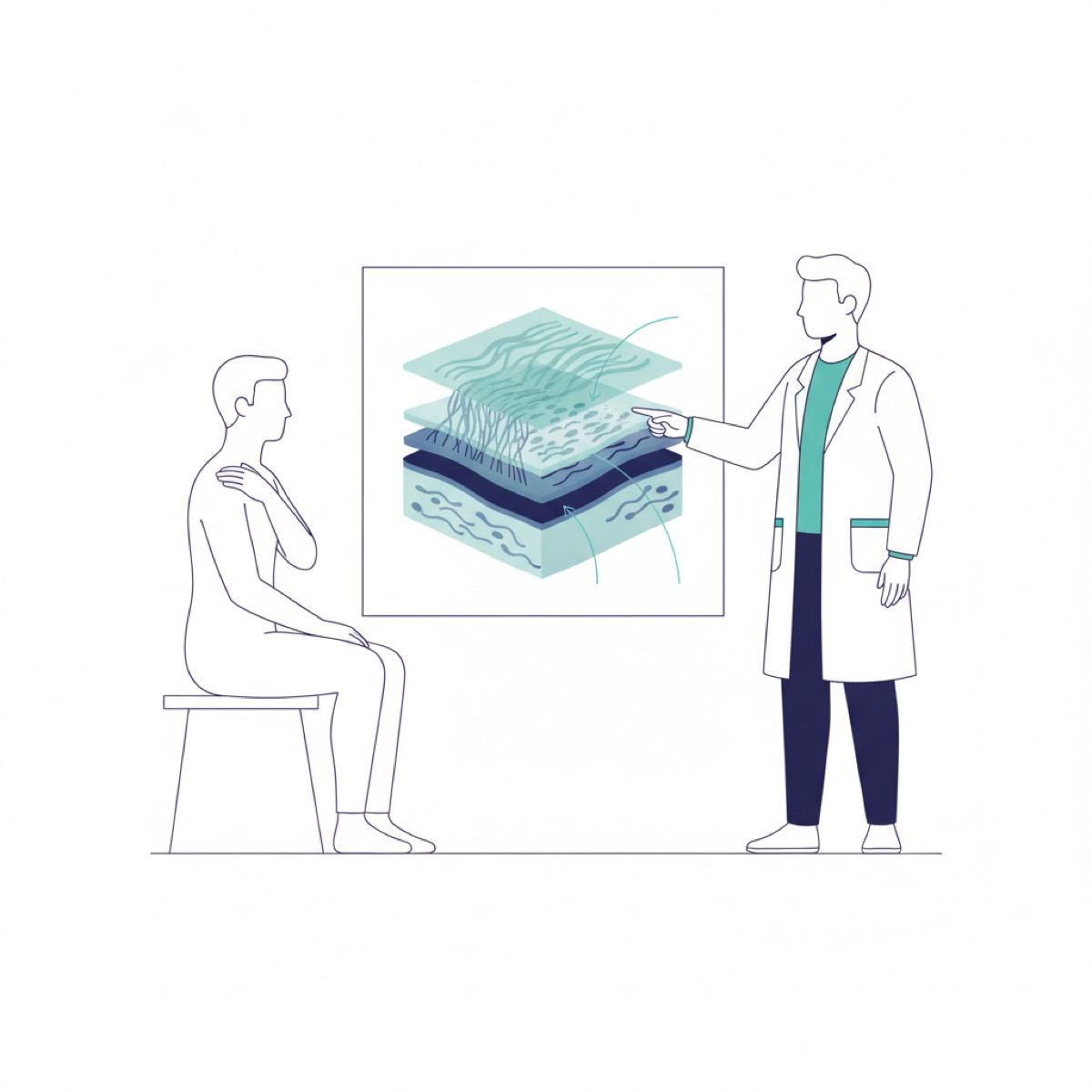
Patients undergoing fascia release therapy may experience immediate improvements in mobility and a reduction in pain. The therapist assesses the body’s fascial map, identifying tension points that may not be apparent through traditional diagnostics like X-rays.
Treatment sessions are typically brief but can have lasting effects. By targeting specific fascial adhesions, such as those found in the latissimus dorsi or teres minor, therapists can enhance overall function and well-being.
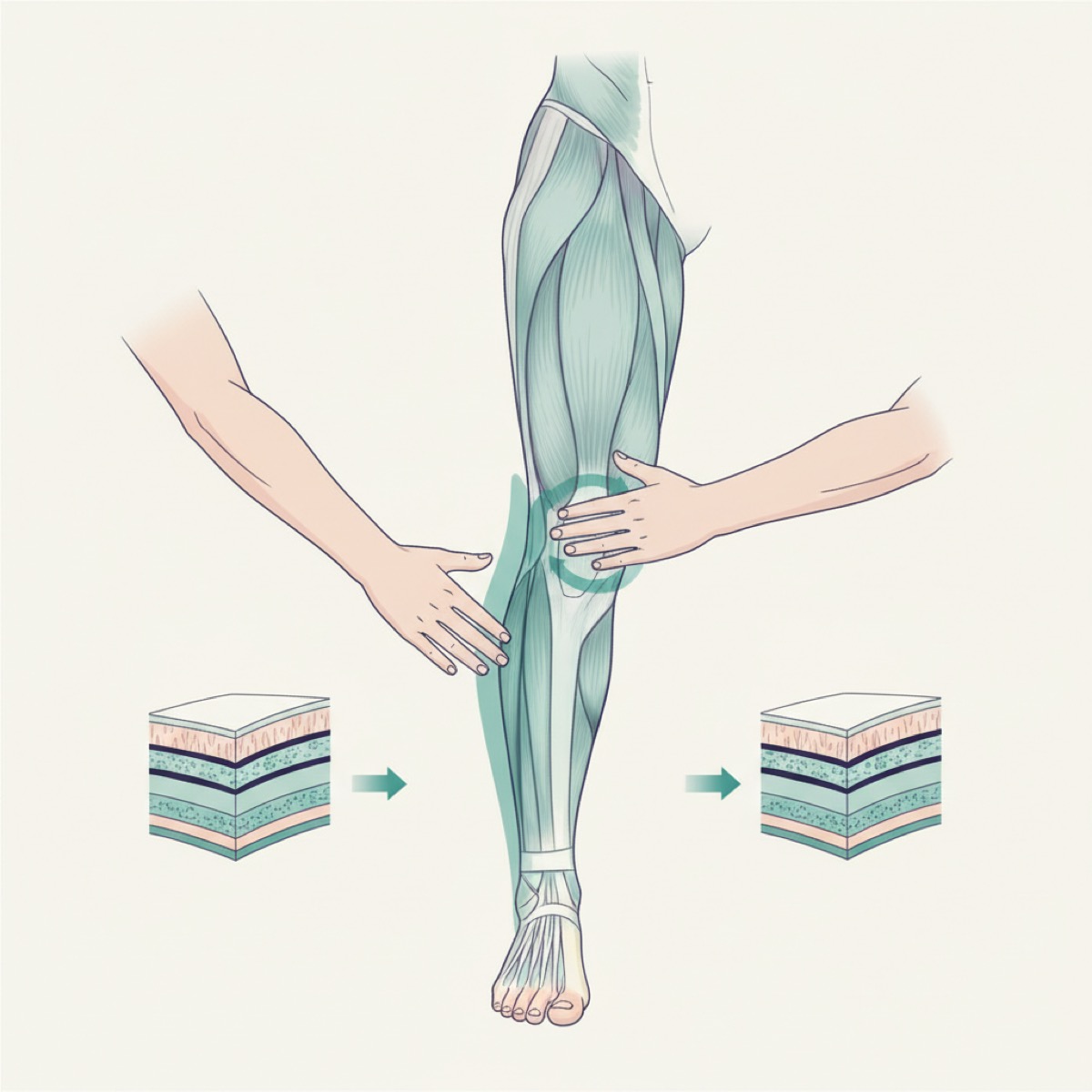
Benefits of addressing fascia in clinical practice
Incorporating fascia release into clinical practice offers a comprehensive approach to pain management. Clinicians can provide patients with alternative solutions when traditional methods fail to deliver results. This method emphasizes the importance of observing the body as an interconnected system.
By educating patients about the role of fascia in their pain, clinicians can empower them to take an active role in their recovery. This understanding fosters a collaborative therapeutic environment, leading to more sustainable outcomes.
Frequently asked questions
Is fascia release safe? — Yes, when performed by trained professionals, fascia release is considered safe. It involves gentle techniques designed to minimize discomfort and promote healing.
How long does it take to see results? — Many patients report noticeable improvements after just a few sessions. However, the duration and frequency of treatment depend on individual needs and the severity of fascial tension.
Can fascia release be combined with other treatments? — Absolutely. Fascia release can complement other therapeutic modalities such as physical therapy, acupuncture, or chiropractic care, enhancing overall treatment effectiveness.
References
- [1]Ricciotti E, FitzGerald GA. Prostaglandins and inflammation. Arterioscler Thromb Vasc Biol. 2011;31(5):986–1000.
- [2]Salehi B, Venditti A, Sharifi-Rad M, et al. The therapeutic potential of apigenin. Int J Mol Sci. 2019;20(6):1305.
- [3]Field R, Pourkazemi F, Turton J, Rooney K. Dietary interventions are beneficial for patients with chronic pain: a systematic review with meta-analysis. Pain Med. 2021;22(3):694–714.
- [4]Taljanovic MS, Gimber LH, Becker GW, et al. Shear-wave elastography: basic physics and musculoskeletal applications. RadioGraphics. 2017;37(3):855–870.
- [5]Langevin HM. Connective tissue: a body-wide signaling network? Med Hypotheses. 2006;66(6):1074–1077.
- [6]Schleip R. Fascial plasticity — a new neurobiological explanation. J Bodyw Mov Ther. 2003;7(1):11–19.
Related videos
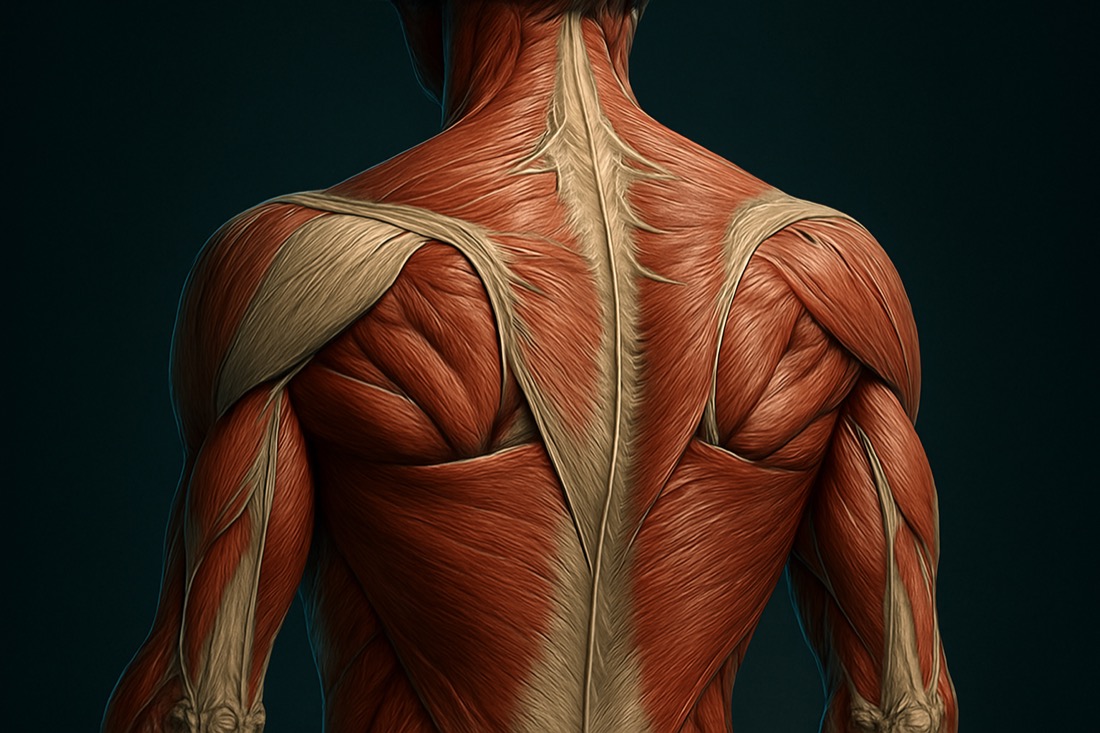
Palpation X-Ray #84 | Is the Sacrum Really a Flat Plate? It's a Wedge, Wide at the Top and Narrowing Downward — Trace Down from the Lumbar Spine and Confirm at Gluteus Maximus
0:56
Dramatic Improvement in One Session: Manual Approach to the Pelvic Girdle, with Palpation of Anatomical Landmarks and Movement Assessment Before and After (Hands-On Demo)
5:48