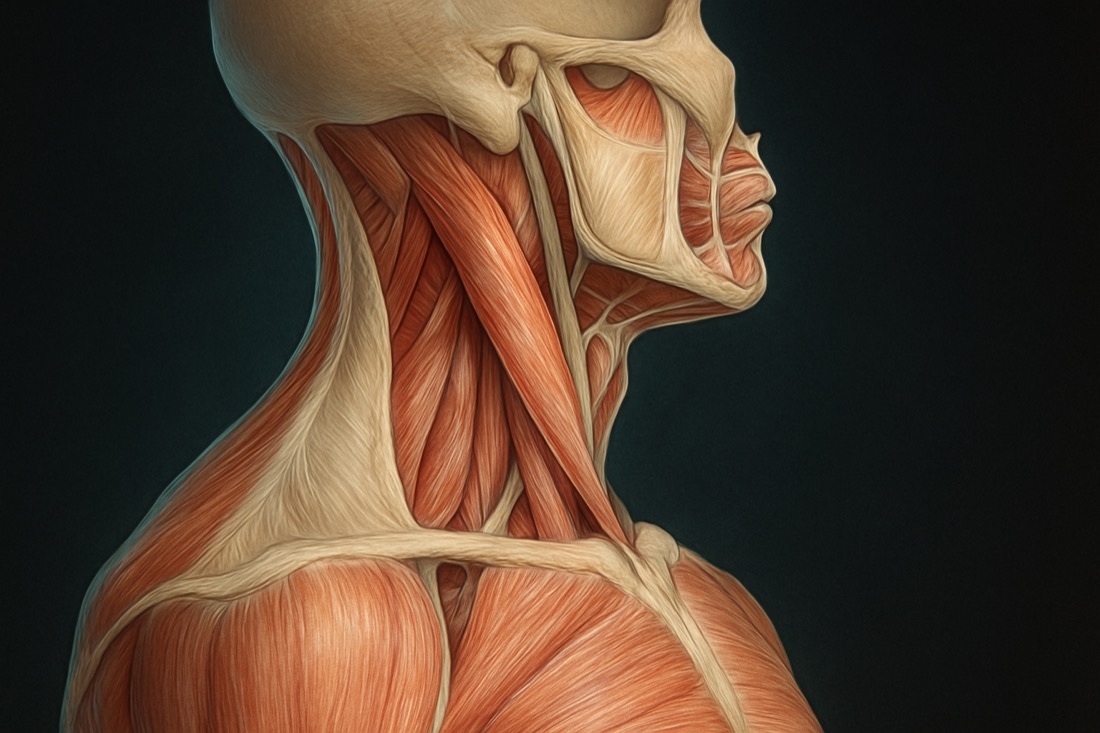
Effective Fascia Release Techniques for Acute Lower Back Pain
Original title (JP): ぎっくり腰に効果抜群の筋膜リリーステクニック!

Supervised by
Shogo Fujii
Physiotherapist (PT) · Founder of the SHOGO FUJII® FASCIA METHOD
View profile →Clinical Article · 5 min read
Fascia release for low back pain is a promising approach for those suffering from acute discomfort. By focusing on the gluteal muscles and trigger points, individuals can experience significant relief. This article explores techniques that can be easily practiced by clinicians and informed patients alike, offering a pathway to improved mobility and reduced pain.
Why does the gluteal muscle affect low back pain?
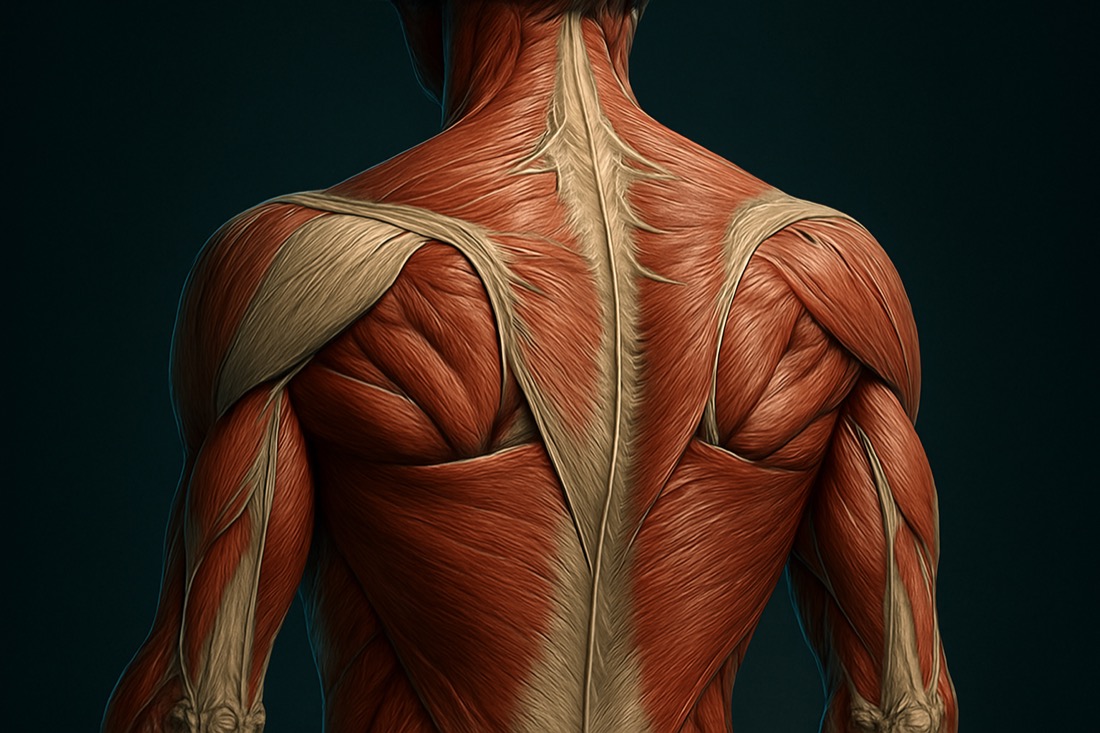
The gluteal muscles, particularly the gluteus maximus, play a crucial role in supporting the lower back. When these muscles develop trigger points, they can contribute significantly to low back pain. Identifying and releasing these points can lead to noticeable pain reduction, even for those new to fascia therapy.
The gluteal muscles can become tense due to various factors, including prolonged sitting, poor posture, or overuse. This tension can radiate to the lower back, exacerbating pain. By understanding the connection between these muscle groups, effective treatment plans can be developed.
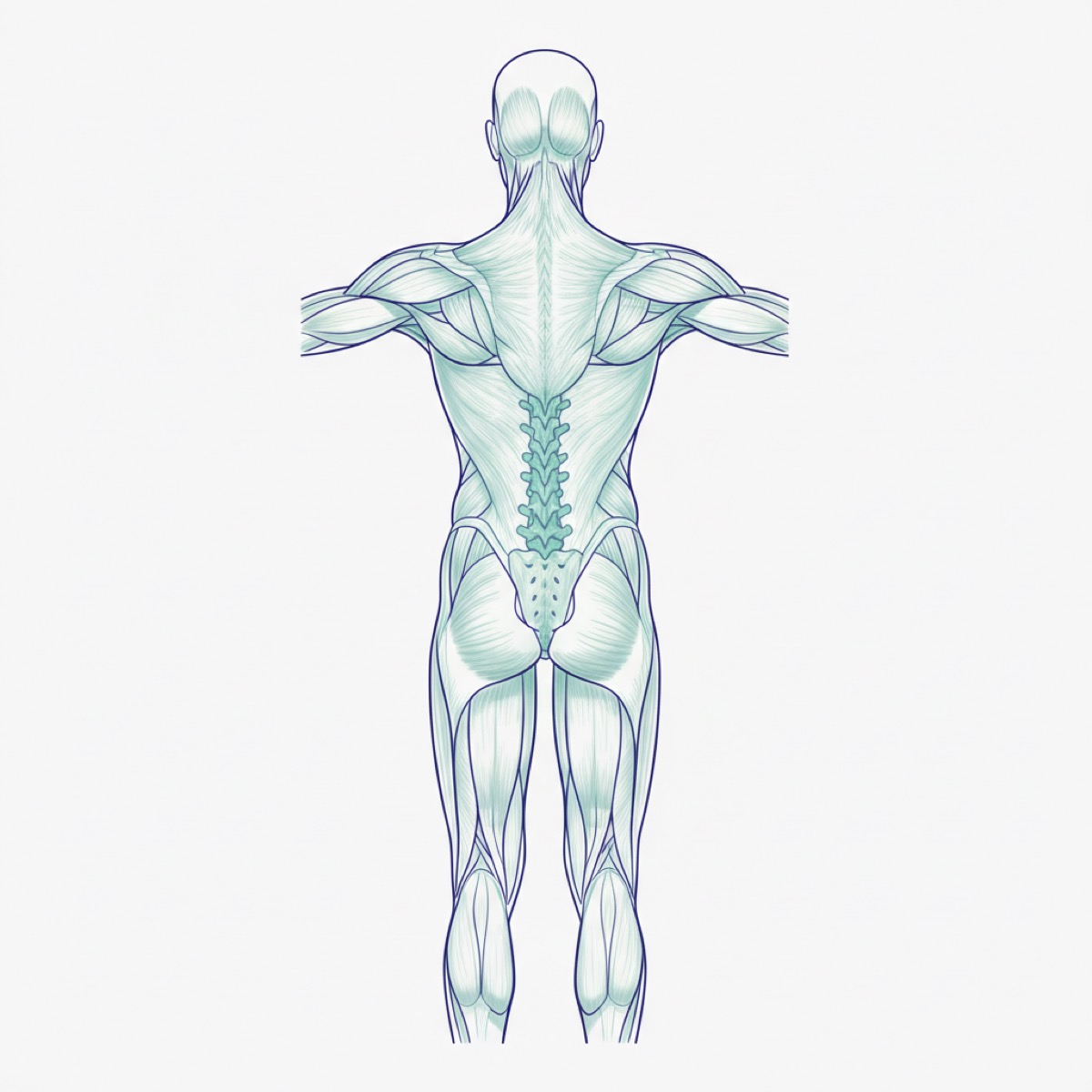
How fascia release works for lower back pain
Fascia release involves gentle manipulation of the connective tissues to alleviate tension and pain. Techniques such as the 'frog leg' position allow patients to actively participate in their treatment, ensuring a safe and controlled release of tension.
By applying gentle pressure to specific areas like the sacrum and tensor fasciae latae, therapists can encourage the fascia to relax. This process not only targets the back but also induces a calming effect throughout the body, optimizing the release process.
What to expect during a fascia release session
During a fascia release session, patients can expect to engage in movements that promote relaxation of tense muscles. It is essential to communicate any discomfort to the therapist to adjust techniques accordingly and prevent exacerbating the pain.
The session may involve light, rhythmic movements aimed at promoting a gentle oscillation through the body. This helps in distributing the effects of the release, ensuring a comprehensive approach to pain relief.

Precautions and considerations for fascia release
While fascia release is generally safe, it is crucial to approach it with caution, especially in acute pain cases. Patients should avoid forcing movements and should stop if any technique increases pain.
Staying hydrated and ensuring adequate rest are important adjuncts to fascia therapy. Chronic inflammation might require additional interventions, and patients should seek professional guidance for a tailored approach.

Frequently asked questions
Is fascia release safe? — Fascia release is considered safe for most individuals when performed correctly. It is crucial to work with a trained therapist and communicate any discomfort during the session.
How often should I undergo fascia release? — The frequency of fascia release sessions depends on individual needs and responses to treatment. Some may benefit from weekly sessions, while others might require less frequent visits.
Can fascia release help with chronic pain? — Fascia release can be beneficial for managing chronic pain by addressing underlying muscle tension and improving mobility. However, it should be part of a comprehensive treatment plan.
References
- [1]Mayer EA. Gut feelings: the emerging biology of gut–brain communication. Nat Rev Neurosci. 2011;12(8):453–466.
- [2]Cryan JF, Dinan TG. Mind-altering microorganisms: the impact of the gut microbiota on brain and behaviour. Nat Rev Neurosci. 2012;13(10):701–712.
- [3]Guo R, Chen LH, Xing C, Liu T. Pain regulation by gut microbiota: molecular mechanisms and therapeutic potential. Br J Anaesth. 2019;123(5):637–654.
- [4]Ricciotti E, FitzGerald GA. Prostaglandins and inflammation. Arterioscler Thromb Vasc Biol. 2011;31(5):986–1000.
- [5]Salehi B, Venditti A, Sharifi-Rad M, et al. The therapeutic potential of apigenin. Int J Mol Sci. 2019;20(6):1305.
- [6]Field R, Pourkazemi F, Turton J, Rooney K. Dietary interventions are beneficial for patients with chronic pain: a systematic review with meta-analysis. Pain Med. 2021;22(3):694–714.