
Instantly Fixing Lower Back Pain Using the Subscapularis
Original title (JP): 肩甲下筋を使って腰痛を一発で治す動画

Supervised by
Shogo Fujii
Physiotherapist (PT) · Founder of the SHOGO FUJII® FASCIA METHOD
View profile →Clinical Article · 5 min read
Fascia release for low back pain is gaining attention as an effective method to alleviate discomfort. By targeting the subscapularis muscle, which is closely linked to back pain, clinicians can offer relief without invasive procedures. This innovative approach emphasizes the interconnectedness of the body's fascia and musculoskeletal system, offering a holistic perspective on pain management.
Why does the subscapularis muscle affect low back pain?
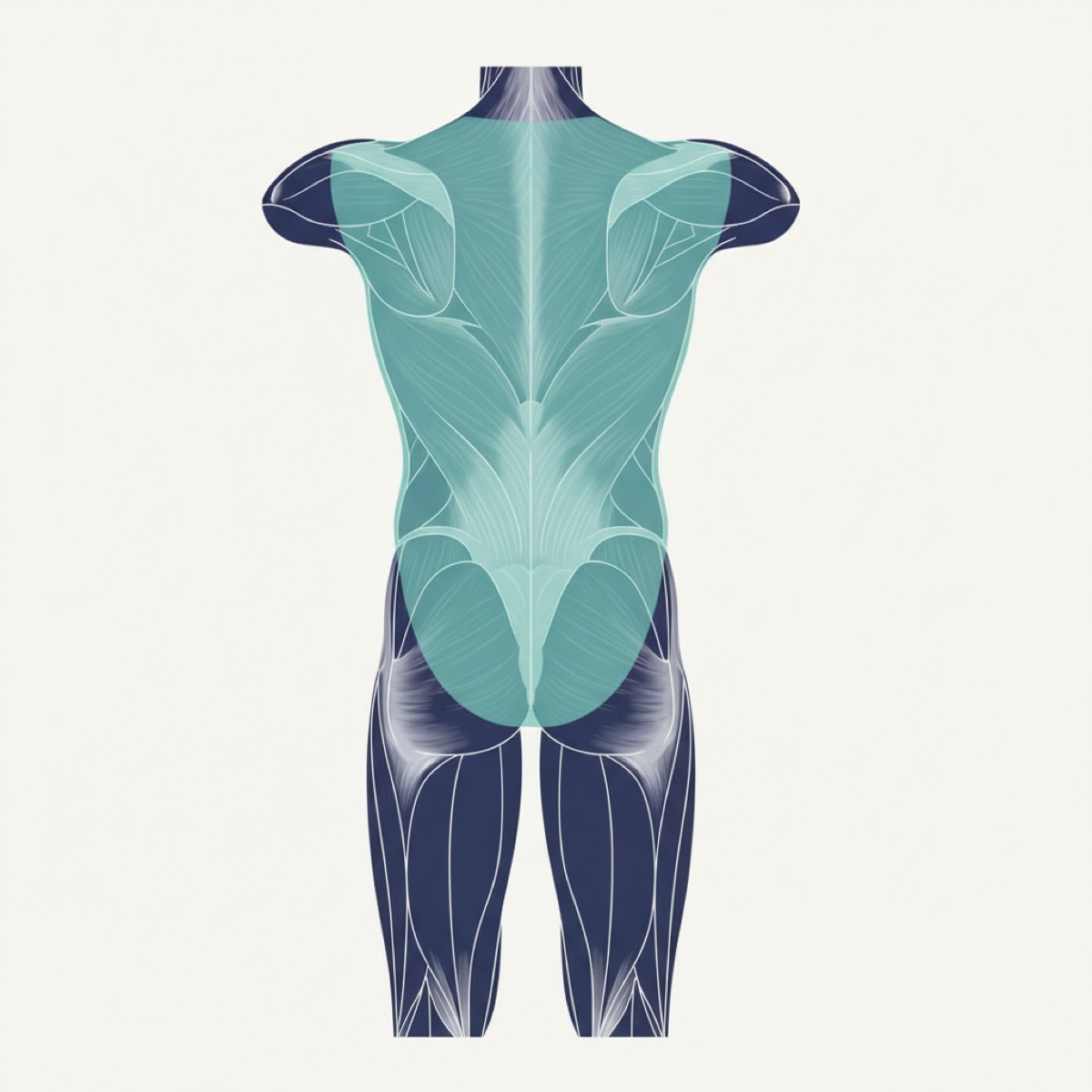
The subscapularis muscle, located beneath the shoulder blade, plays a crucial role in shoulder movement, particularly internal rotation. Its tightness or adhesion can impede the fascia's natural glide, affecting the entire musculoskeletal chain, including the lower back [1]. When the subscapularis is restricted, it can limit the body's overall mobility, leading to compensatory patterns and discomfort in the lower back area.
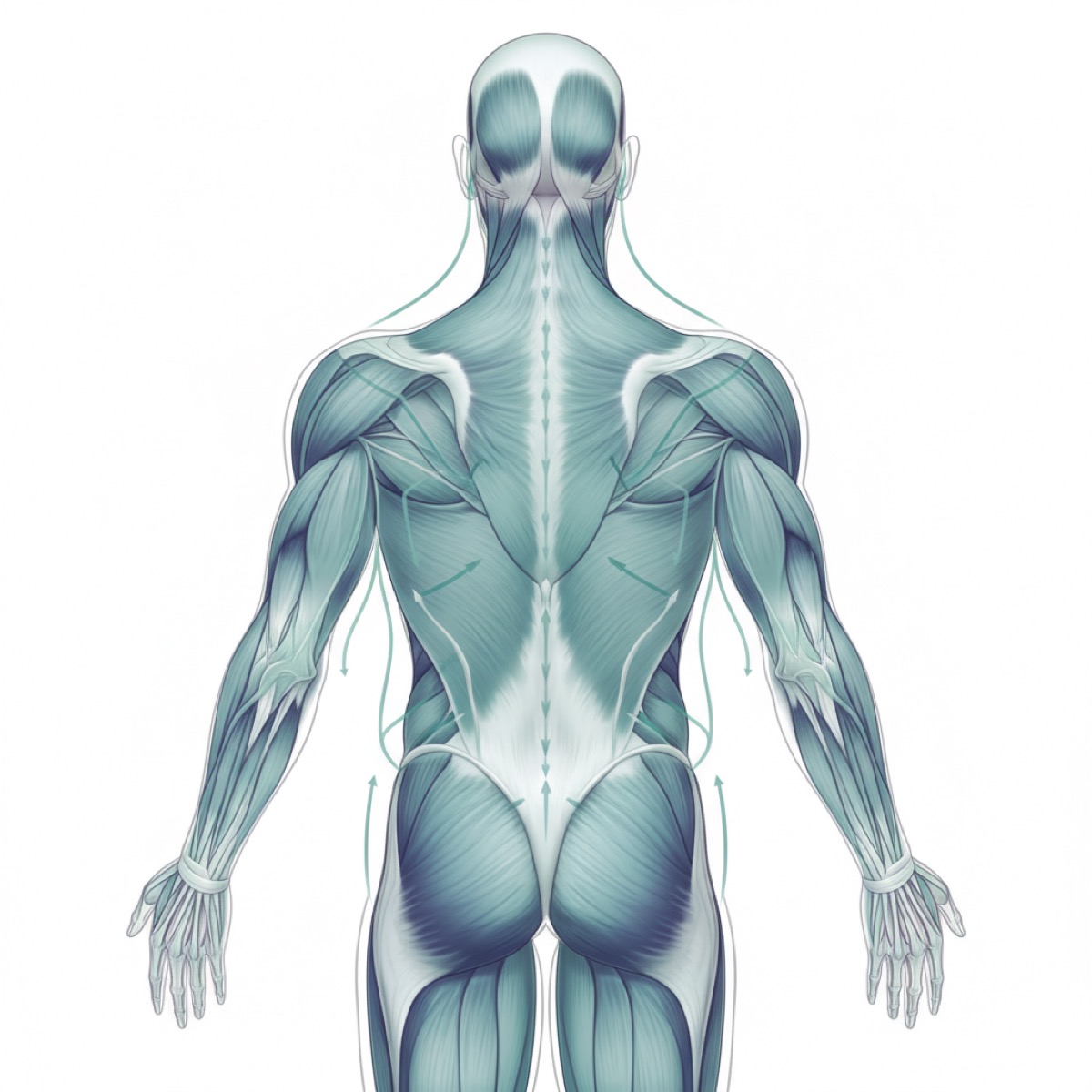
Fascia, the connective tissue surrounding muscles and organs, forms a continuous network throughout the body. When the subscapularis muscle is tight, it can cause a ripple effect, impacting the fascia and creating tension in distant areas, such as the lower back. By addressing the subscapularis, clinicians can help restore balance and alleviate pain [2].
How does fascia release work for back pain relief?
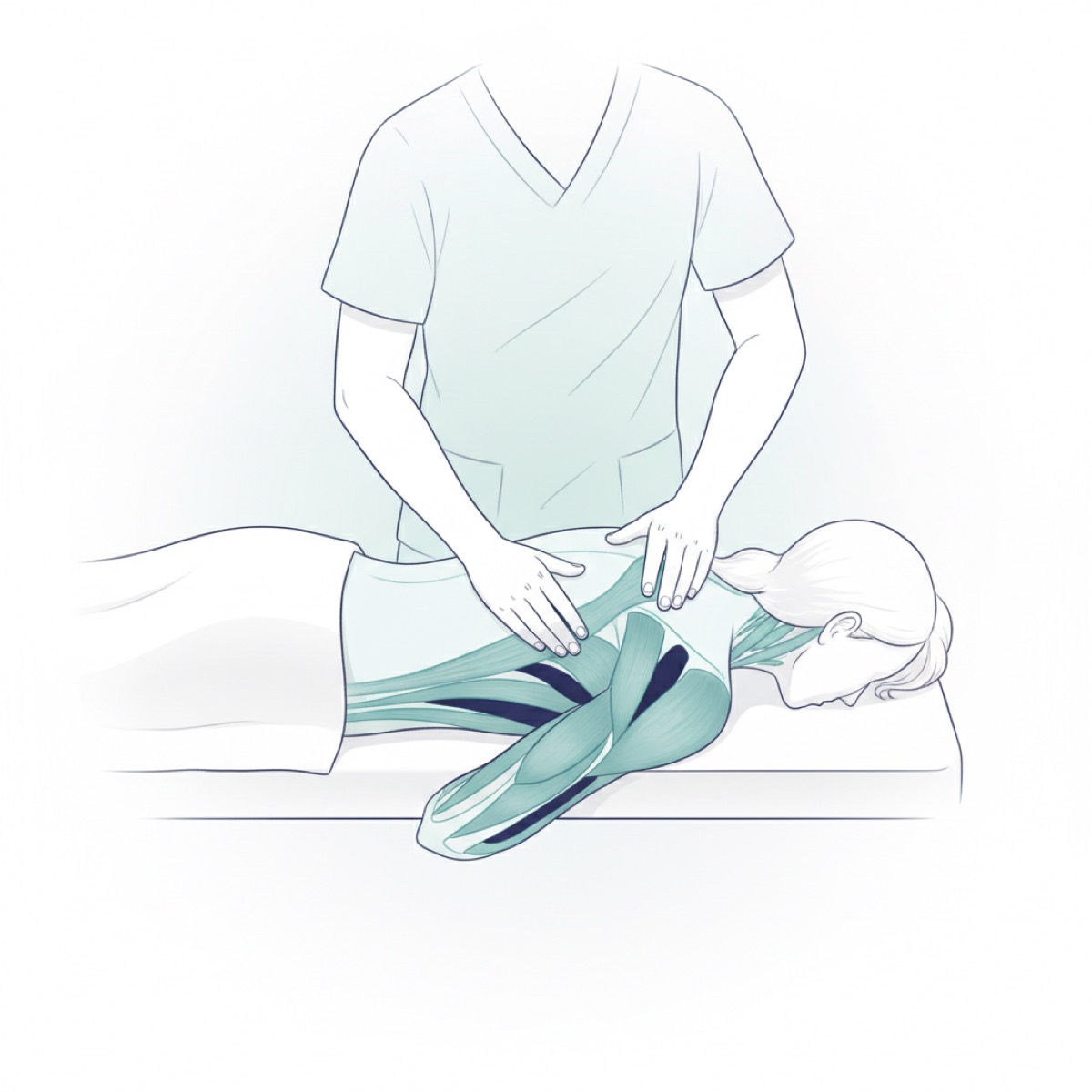
Fascia release involves applying targeted pressure to release adhesions and improve tissue glide. In the context of low back pain, releasing the subscapularis muscle can significantly enhance mobility and reduce pain. This method leverages the body's interconnected fascial network to address the root cause of discomfort rather than just symptoms [3].
Clinicians often use a combination of manual techniques, such as pressure and stretching, to facilitate fascia release. By focusing on areas with restricted movement, they can promote better circulation and reduce muscle tension, ultimately leading to improved function and pain relief [4].
What to expect during a fascia release session?
During a fascia release session, practitioners will assess the patient's posture and movement to identify areas of restriction. The treatment may involve gentle manipulation of the subscapularis muscle and related structures to release tension. Patients often report feeling a sense of relief and increased mobility immediately after the session [5].
The practitioner may also provide guidance on exercises or lifestyle modifications to maintain the benefits of the session. These might include hydration tips, specific stretches, or posture corrections to prevent future adhesions and ensure long-term relief from low back pain [6].
Benefits of targeting the subscapularis muscle
Targeting the subscapularis muscle for fascia release can provide numerous benefits, including improved shoulder mobility, reduced lower back pain, and enhanced overall body function. By releasing tension in this muscle, patients may experience a decrease in compensatory movements that often contribute to chronic pain conditions.
Additionally, focusing on the subscapularis can lead to better posture and alignment, further preventing the recurrence of pain. This approach not only addresses immediate discomfort but also aids in the prevention of future issues by promoting a balanced and functional musculoskeletal system.
Frequently asked questions
Is fascia release safe? — Fascia release is generally considered safe when performed by a trained professional. It is a non-invasive technique that focuses on promoting natural tissue movement and can be a valuable part of a comprehensive pain management plan.
How long does it take to feel relief? — Many patients report feeling relief immediately after a session, although the duration of relief can vary. Consistent treatment and following post-session recommendations can help maintain benefits over time.
Can fascia release help with other pain issues? — Yes, fascia release can be beneficial for various musculoskeletal pains beyond low back pain, as it addresses the underlying fascial restrictions that can contribute to discomfort in other areas of the body.
References
- [1]Ricciotti E, FitzGerald GA. Prostaglandins and inflammation. Arterioscler Thromb Vasc Biol. 2011;31(5):986–1000.
- [2]Salehi B, Venditti A, Sharifi-Rad M, et al. The therapeutic potential of apigenin. Int J Mol Sci. 2019;20(6):1305.
- [3]Field R, Pourkazemi F, Turton J, Rooney K. Dietary interventions are beneficial for patients with chronic pain: a systematic review with meta-analysis. Pain Med. 2021;22(3):694–714.
- [4]Taljanovic MS, Gimber LH, Becker GW, et al. Shear-wave elastography: basic physics and musculoskeletal applications. RadioGraphics. 2017;37(3):855–870.
- [5]Langevin HM. Connective tissue: a body-wide signaling network? Med Hypotheses. 2006;66(6):1074–1077.
- [6]Schleip R. Fascial plasticity — a new neurobiological explanation. J Bodyw Mov Ther. 2003;7(1):11–19.
Related videos

Palpation X-Ray #84 | Is the Sacrum Really a Flat Plate? It's a Wedge, Wide at the Top and Narrowing Downward — Trace Down from the Lumbar Spine and Confirm at Gluteus Maximus
0:56
Dramatic Improvement in One Session: Manual Approach to the Pelvic Girdle, with Palpation of Anatomical Landmarks and Movement Assessment Before and After (Hands-On Demo)
5:48