
Herniated Disc Basics: Anatomy, Pathology, and Fascia Release
Original title (JP): 【ヘルニア治す基礎】解剖学,病理学と筋膜リリース!

Supervised by
Shogo Fujii
Physiotherapist (PT) · Founder of the SHOGO FUJII® FASCIA METHOD
View profile →Clinical Article · 5 min read
Fascia release for low back pain is a pivotal approach in addressing hernia-related discomfort. Many individuals, whether clinicians or informed patients, are seeking non-surgical options to manage their pain effectively. This article delves into the anatomy and pathology of lumbar hernias, highlighting how fascia release can be an integral part of comprehensive care.
Why does low back pain occur with hernias?
Low back pain associated with hernias often stems from changes in the intervertebral discs, which are prone to degeneration over time. As the discs lose hydration and elasticity, the nucleus pulposus can protrude, causing a hernia. This protrusion may compress nearby nerves, leading to pain and discomfort [1]. Understanding the anatomy of the spine, particularly the lumbar region (L1 to L5), is crucial for identifying potential hernia sites.
The lumbar spine supports significant body weight, making it susceptible to injury. Hernias frequently occur in the lower lumbar vertebrae, especially between L3 and L5, due to their role in bearing load and allowing movement. Clinicians should be aware of these anatomical nuances when diagnosing and treating low back pain related to hernias.
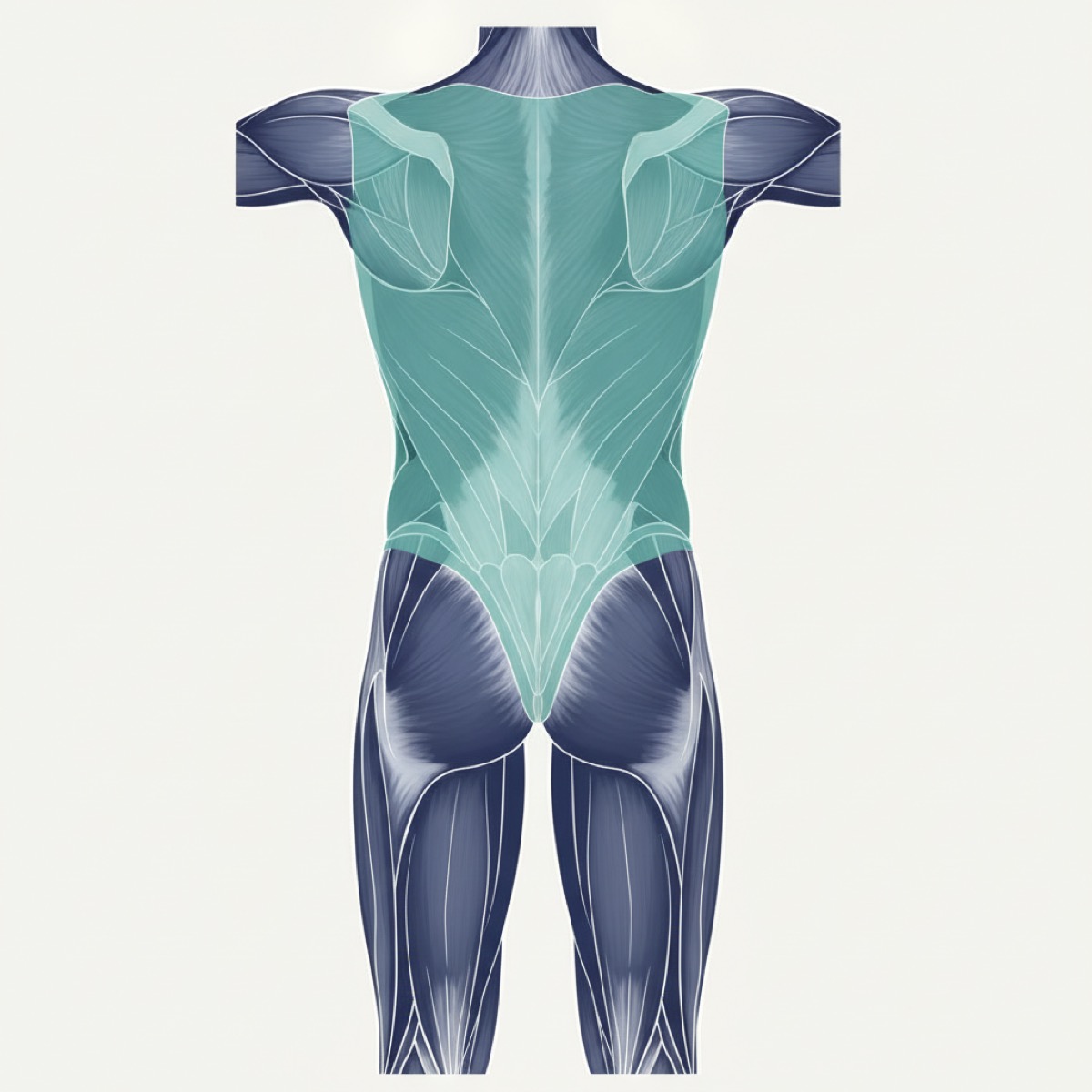
How does fascia release work for low back pain?
Fascia release techniques aim to alleviate tension and adhesions in the connective tissues surrounding muscles and organs. By targeting fascia, clinicians can reduce pressure on the lumbar spine and improve mobility. This approach can be particularly beneficial for those with hernias, as it addresses underlying issues contributing to the condition [2].
Manual therapy, including fascia release, can help restore normal tissue function and decrease pain. It involves applying pressure to specific areas to break down adhesions and improve circulation. This non-invasive method can complement other treatments like physical therapy and exercise, offering a holistic approach to managing low back pain.
What are the benefits of non-surgical hernia treatment?
Non-surgical treatments for hernias, such as fascia release, offer several benefits, including reduced risk of complications and quicker recovery times. These methods focus on enhancing the body's natural healing processes, making them suitable for many patients [3].
By avoiding surgery, patients can maintain their daily activities with minimal disruption. Fascia release can be particularly effective for athletes and active individuals, as it helps prevent recurrence by strengthening the core and improving posture. This proactive approach addresses the root causes of hernias rather than merely alleviating symptoms.
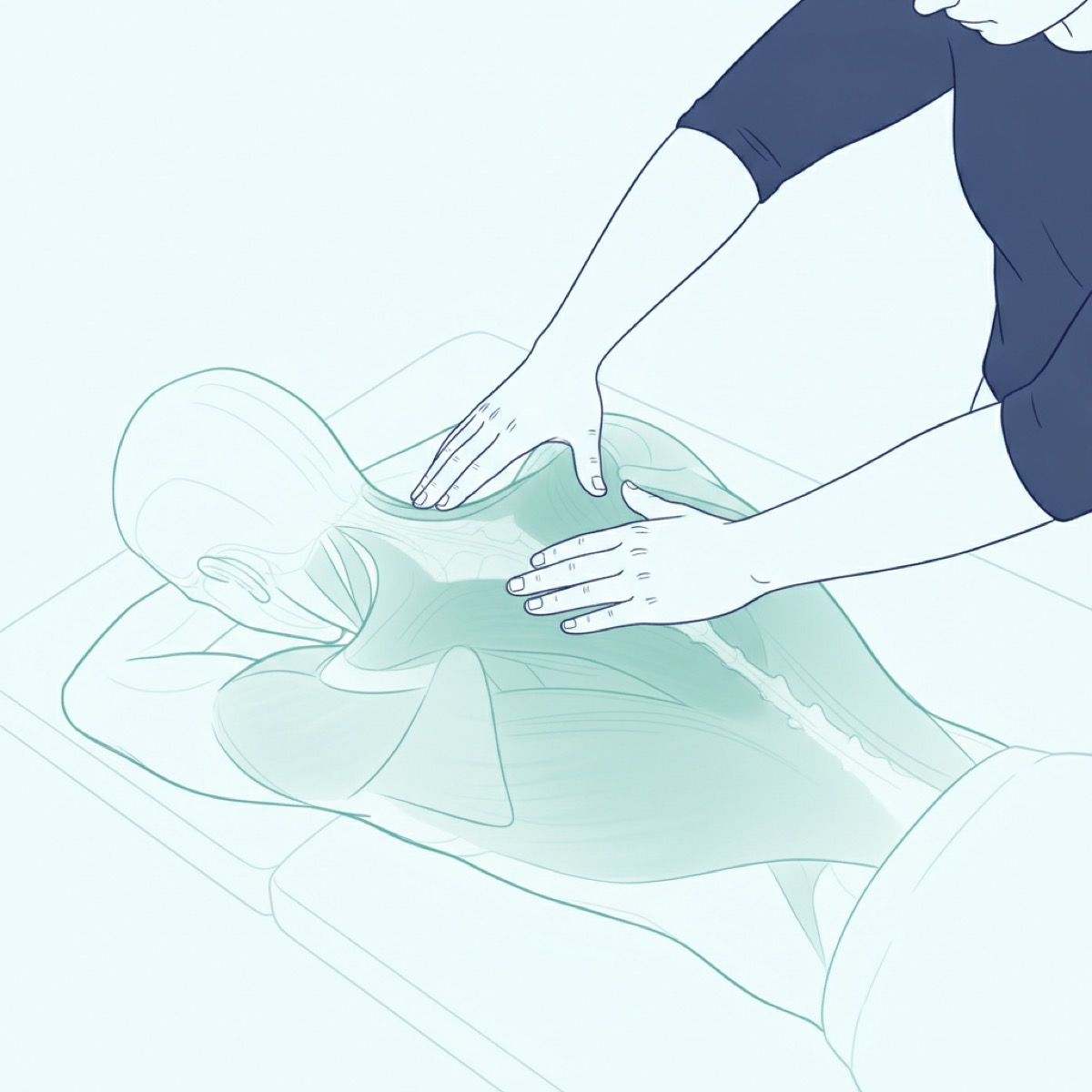
What role does posture play in hernia prevention?
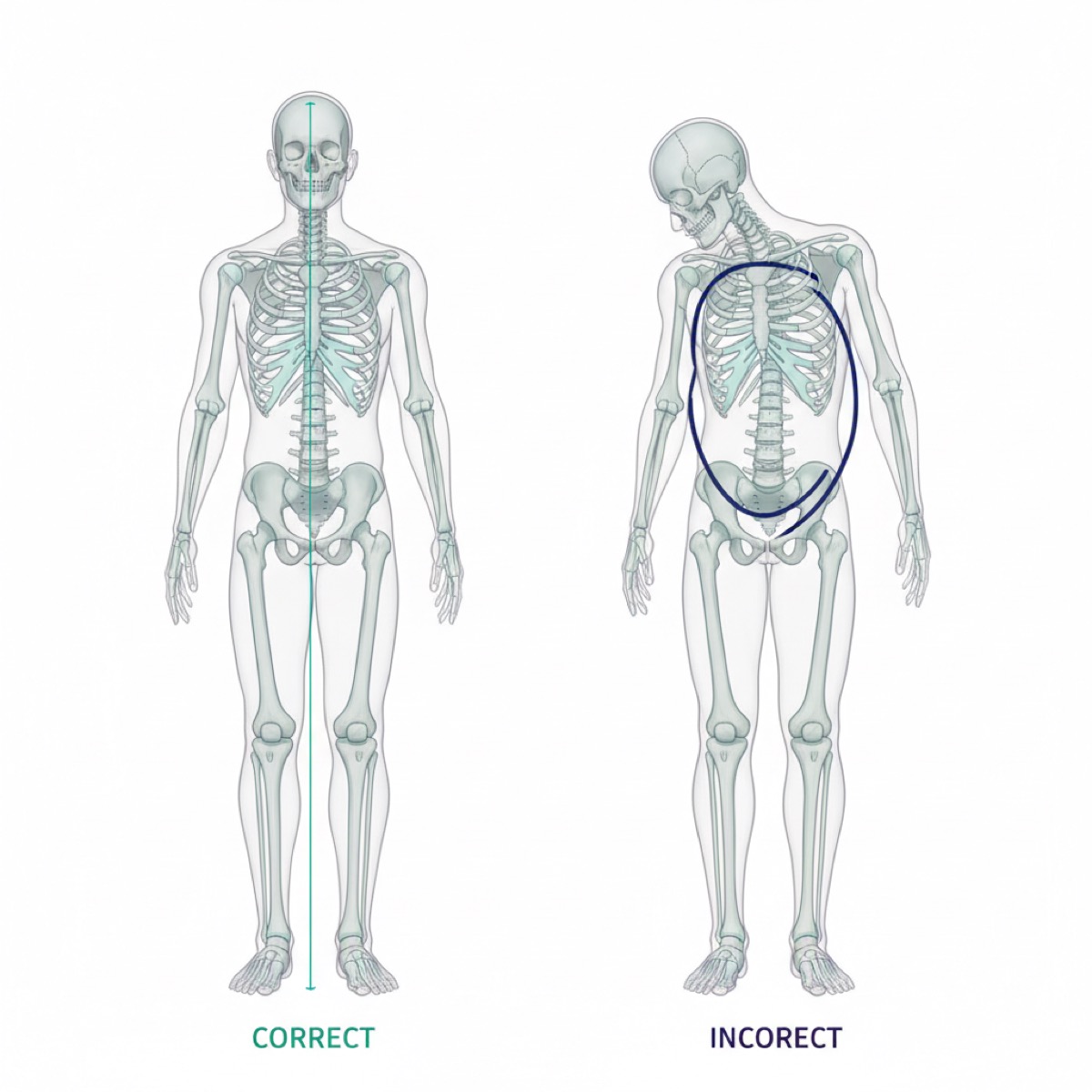
Posture plays a significant role in preventing hernias and managing low back pain. Poor posture can lead to increased stress on the lumbar discs, making them more susceptible to herniation. Maintaining a neutral spine position during activities helps distribute forces evenly across the spine, reducing the risk of injury [4].
Fascia release can assist in correcting postural imbalances by relaxing tight muscles and fascia. This correction is crucial for individuals who engage in sports or activities involving repetitive twisting motions, as these actions can exacerbate existing issues. Proper posture, combined with regular fascia work, can significantly lower the likelihood of developing hernias.
Frequently asked questions
Is fascia release safe? — Fascia release is generally considered safe when performed by a trained professional. It is a non-invasive technique that can provide relief from pain and improve mobility [5].
Can fascia release replace surgery for hernias? — While fascia release can be an effective part of a non-surgical treatment plan, it may not replace surgery in all cases. Severe hernias may still require surgical intervention, depending on individual circumstances [6].
How often should one undergo fascia release for low back pain? — The frequency of fascia release sessions varies based on the severity of the condition and individual response. A healthcare provider can recommend an appropriate treatment schedule tailored to the patient's needs.
References
- [1]Ricciotti E, FitzGerald GA. Prostaglandins and inflammation. Arterioscler Thromb Vasc Biol. 2011;31(5):986–1000.
- [2]Salehi B, Venditti A, Sharifi-Rad M, et al. The therapeutic potential of apigenin. Int J Mol Sci. 2019;20(6):1305.
- [3]Field R, Pourkazemi F, Turton J, Rooney K. Dietary interventions are beneficial for patients with chronic pain: a systematic review with meta-analysis. Pain Med. 2021;22(3):694–714.
- [4]Taljanovic MS, Gimber LH, Becker GW, et al. Shear-wave elastography: basic physics and musculoskeletal applications. RadioGraphics. 2017;37(3):855–870.
- [5]Langevin HM. Connective tissue: a body-wide signaling network? Med Hypotheses. 2006;66(6):1074–1077.
- [6]Schleip R. Fascial plasticity — a new neurobiological explanation. J Bodyw Mov Ther. 2003;7(1):11–19.
Related videos

Palpation X-Ray #84 | Is the Sacrum Really a Flat Plate? It's a Wedge, Wide at the Top and Narrowing Downward — Trace Down from the Lumbar Spine and Confirm at Gluteus Maximus
0:56
Dramatic Improvement in One Session: Manual Approach to the Pelvic Girdle, with Palpation of Anatomical Landmarks and Movement Assessment Before and After (Hands-On Demo)
5:48