The Secret Link Between Spinal Stenosis and the Pectoralis Minor
Original title (JP): 脊柱管狭窄と小胸筋の秘密

Supervised by
Shogo Fujii
Physiotherapist (PT) · Founder of the SHOGO FUJII® FASCIA METHOD
View profile →Clinical Article · 7 min read
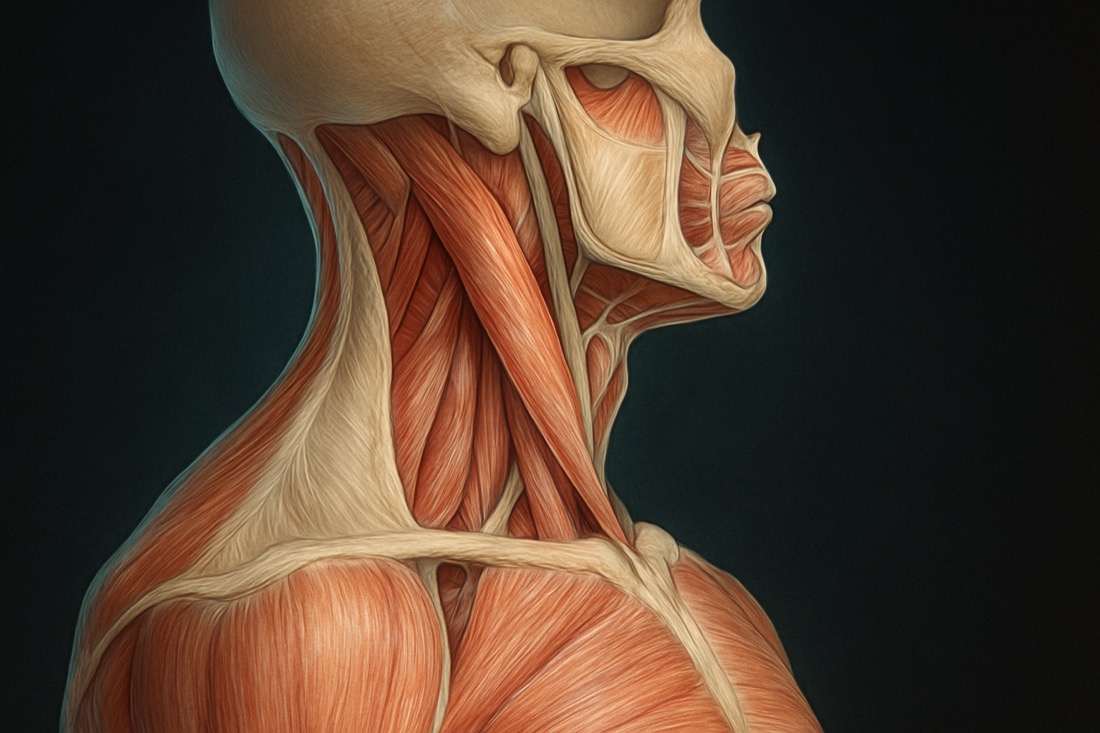
For many experiencing chronic low back pain, the connection between seemingly unrelated areas of the body can be a revelation. While spinal stenosis is often viewed as a localized issue, understanding its relationship with global postural patterns is crucial for effective management. This article explores the surprising link between the Pectoralis Minor and Spinal Stenosis, offering insights into how this often-overlooked muscle can contribute to lumbar spine issues and how targeted myofascial release techniques can provide significant relief.
What is Spinal Stenosis and Why Does it Cause Low Back Pain?
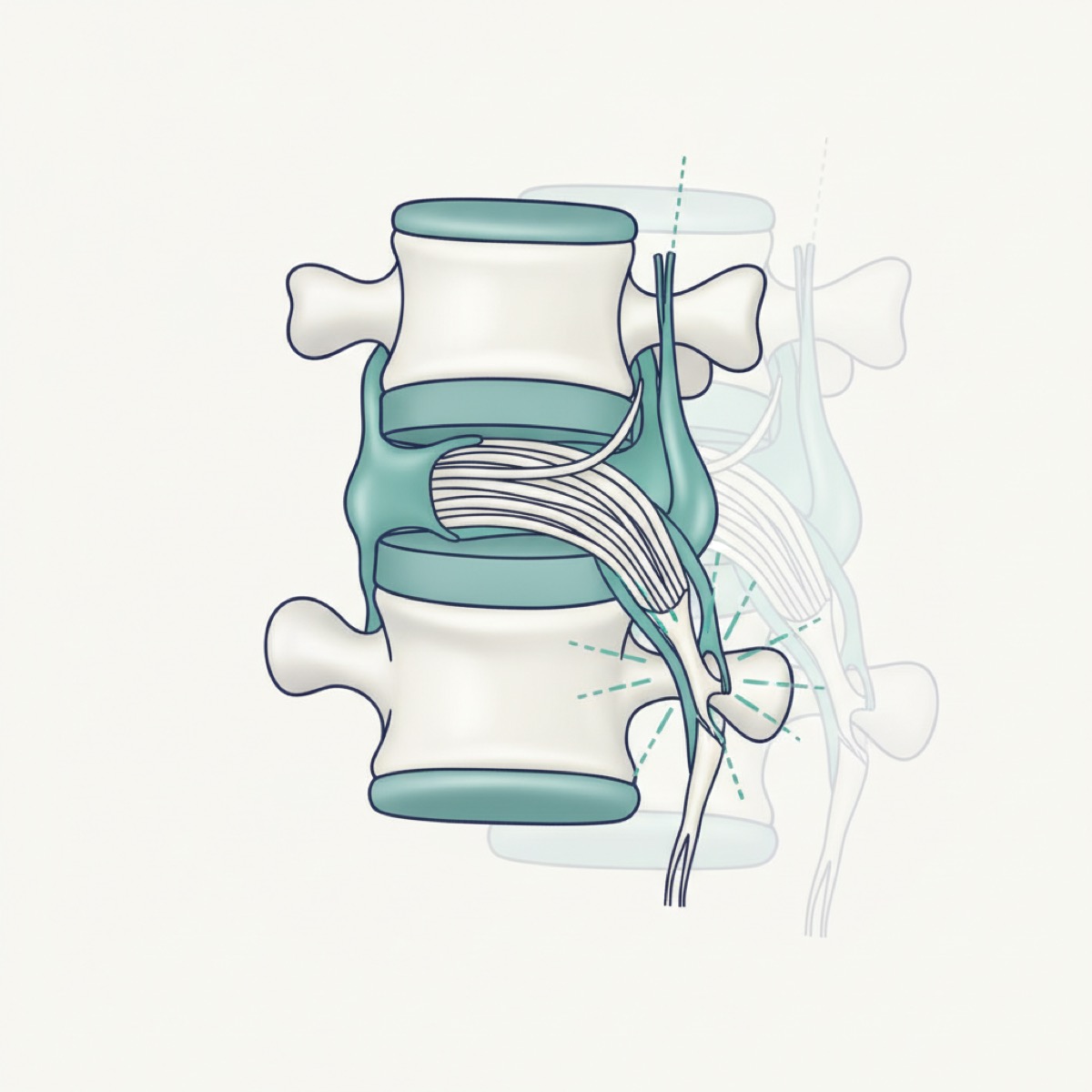
Spinal stenosis refers to the narrowing of the spinal canal, the protective tunnel through which nerves pass between the vertebrae and vertebral arches. This narrowing can compress nerves, leading to symptoms like pain, numbness, tingling, or weakness.
A hallmark symptom is intermittent claudication, where leg pain or numbness occurs during walking and is relieved by rest [1]. The condition can arise from mechanical compression, reduced blood flow, inflammation, and sustained poor posture—whether an excessive forward lean or an exaggerated arch in the lower back [2]. Common anatomical changes include thickening of the ligamentum flavum and degeneration of the facet joints.
While MRI is a standard diagnostic tool, its findings in a static position may not fully reflect the dynamic nature of spinal stenosis. The actual degree of narrowing can change significantly with body position, such as standing, flexion, or extension, making dynamic imaging important for a comprehensive assessment [3].
It's crucial to be aware of 'red flag' symptoms: severe or rapidly worsening numbness, bladder or bowel dysfunction, or sudden muscle weakness. These signs warrant immediate medical attention from an orthopedic or spinal surgeon [4].
How Does Posture Contribute to Spinal Stenosis Symptoms?
A key characteristic of spinal stenosis is that symptoms often worsen with lumbar extension (arching the lower back) and tend to improve with lumbar flexion (rounding forward) [5]. Individuals with spinal stenosis frequently adopt rigid postures, either excessively rounded or over-arched, which places chronic strain on the lower back.
A significant insight in myofascial therapy is that a tight, rounded upper body (thoracic kyphosis) often triggers a compensatory hyperextension in the lumbar spine. This shortening of the anterior fascial chain forces the posterior chain (back muscles and fascia) to overwork, which can further compress the spinal canal during daily activities. Myofascial release aims to restore balance and allow the spine to move more freely, thereby reducing this compensatory strain and promoting better spinal mechanics.
Why is the Pectoralis Minor Muscle So Important for Spinal Health?
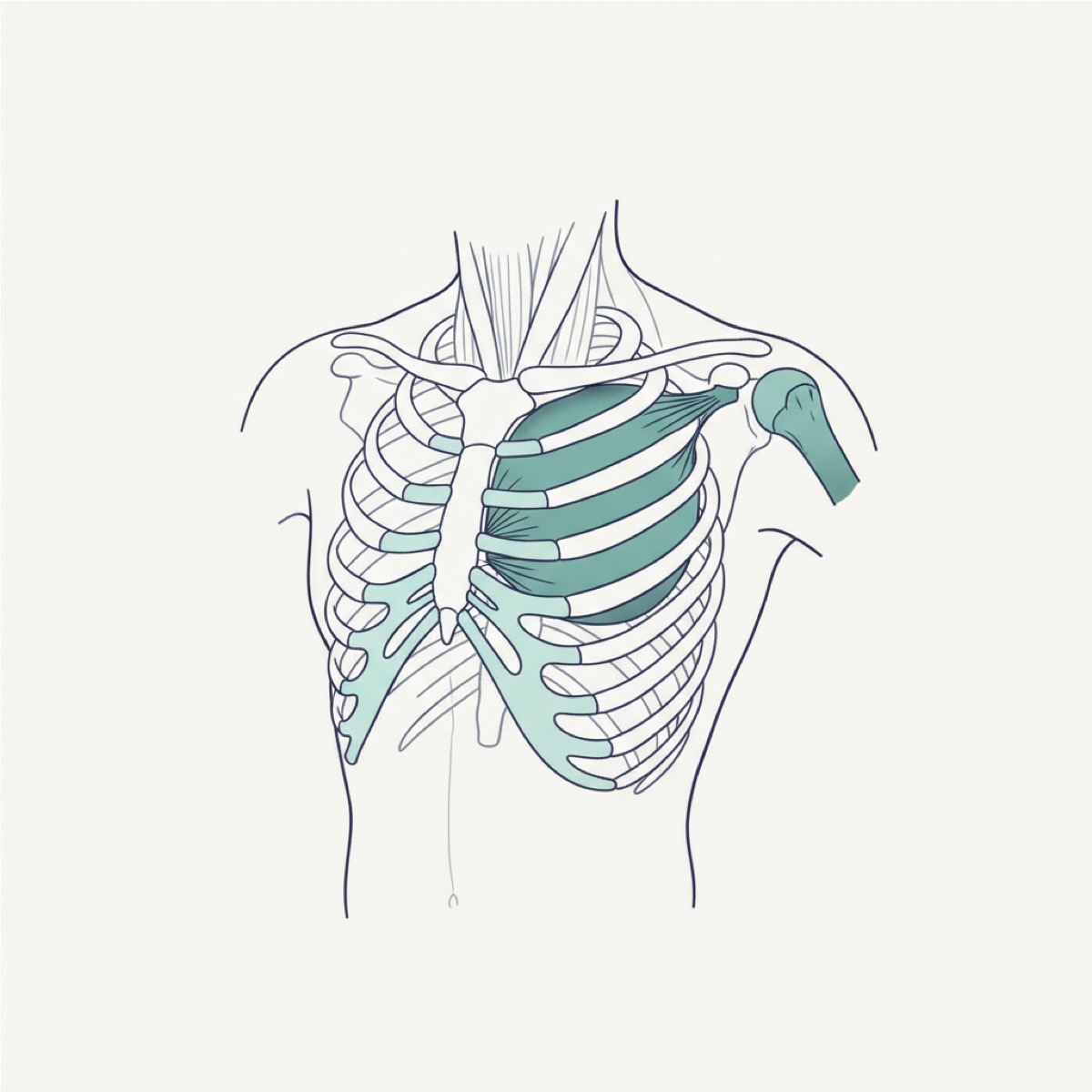
The pectoralis minor is a small, triangular muscle located beneath the larger pectoralis major. It originates from the third, fourth, and fifth ribs and inserts onto the coracoid process of the scapula [6]. Its primary actions involve depressing, downwardly rotating, and abducting the scapula, and it also assists in elevating the ribs during forced inspiration.
Crucially, the pectoralis minor lies in close proximity to a vital neurovascular bundle, which includes the brachial plexus (a network of nerves) and major blood vessels (the axillary artery and vein). Tightness or dysfunction in the pectoralis minor can compress these structures, leading to symptoms such as numbness, tingling, or coldness in the hands—a condition often referred to as Pectoralis Minor Syndrome [6].
From a postural perspective, a shortened or tight pectoralis minor muscle pulls the shoulders forward and downward, contributing to a rounded upper back (thoracic kyphosis). This seemingly isolated upper body issue has profound implications for the lower back, as the body will often compensate by hyperextending the lumbar spine to maintain an upright gaze and balance.
How Can Pectoralis Minor Release Help Alleviate Spinal Stenosis Pain?
The rounded shoulder posture induced by a tight pectoralis minor muscle forces the body into a compensatory lumbar extension to maintain an upright head position. This chronic lumbar hyperextension narrows the spinal canal, directly exacerbating spinal stenosis symptoms. By releasing tension in the pectoralis minor, we can improve upper body posture, reduce kyphosis, and subsequently decrease the need for compensatory lumbar hyperextension. This allows the lumbar spine to move more naturally and reduces detrimental pressure on the spinal canal.
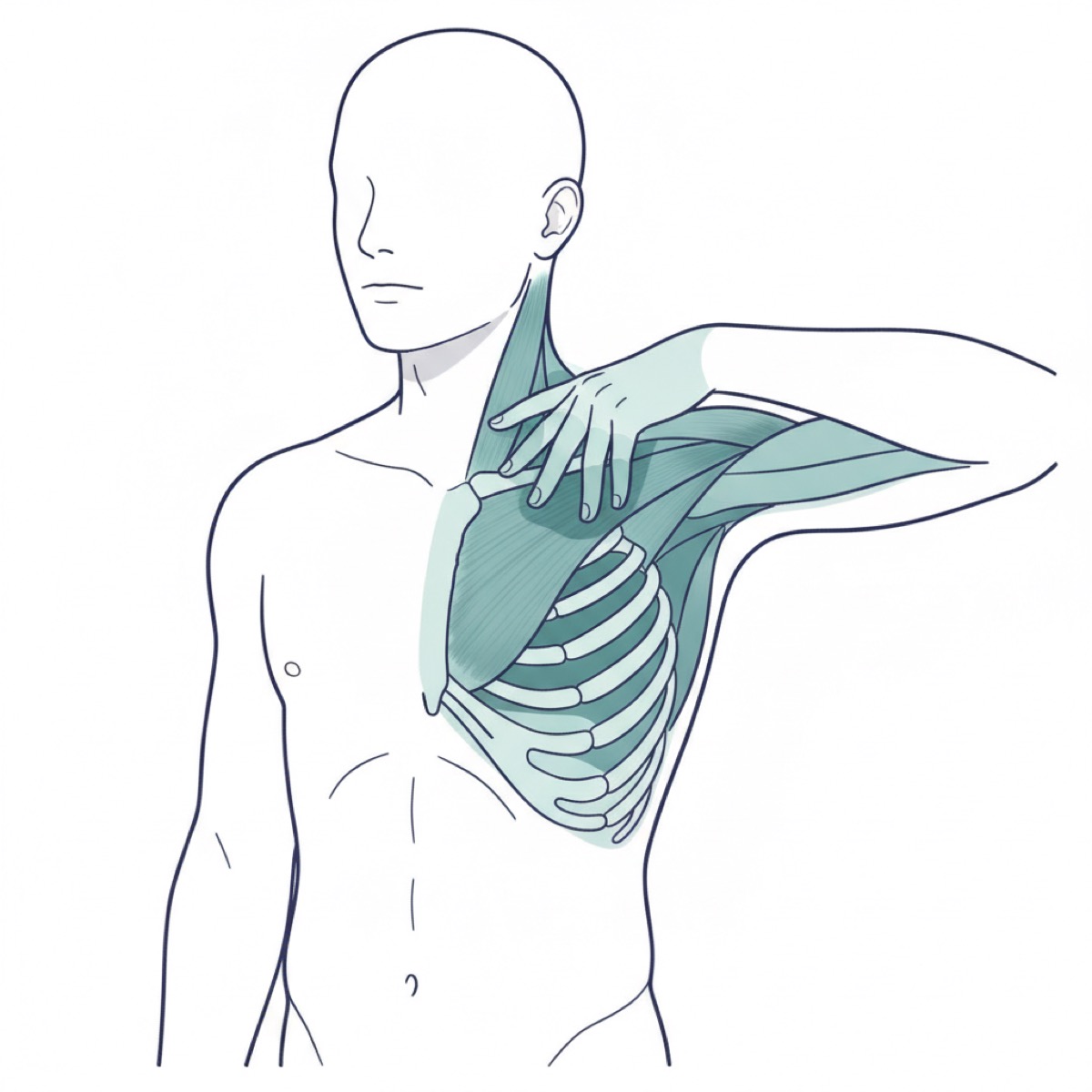
For a self-release technique, locate the coracoid process, a bony projection just below the outer part of your collarbone. Gently grasp the pectoralis minor muscle where it attaches here (under the pectoralis major). Apply gentle pressure and perform small circular motions with your fingers for 10-20 seconds in each direction. This can help to 'reset' an over-extended lumbar spine and promote a more neutral, balanced posture.
For manual therapy, clinicians can employ specific myofascial release techniques that target the pectoralis minor's insertion at the coracoid process and its broader fascial connections, including those to the mid-deltoid. These targeted interventions can achieve a deeper and more sustained release, contributing significantly to improved posture and reduced lumbar strain, ultimately helping manage spinal stenosis symptoms without directly addressing the anatomical narrowing.
Frequently asked questions
Is fascia release safe for spinal stenosis? — Myofascial release techniques, when performed by a qualified therapist, are generally safe and can be very effective for managing spinal stenosis symptoms. However, it's crucial to consult with a healthcare professional to ensure it's appropriate for your specific condition, especially if you experience red flag symptoms like severe numbness or bladder/bowel dysfunction.
How often should I perform Pectoralis Minor self-release? — The frequency of self-release depends on individual needs and symptoms. Starting with once or twice daily for a few minutes can be beneficial. Pay attention to how your body responds and adjust as needed. Consistency is often key to seeing improvements in posture and discomfort.
Can Pectoralis Minor release cure spinal stenosis? — While Pectoralis Minor release can significantly alleviate symptoms and improve function by addressing postural imbalances, it does not "cure" the anatomical narrowing of the spinal canal. It is a valuable tool in a comprehensive management plan for spinal stenosis, focusing on symptom reduction and improved quality of life rather than reversing structural changes.
References
- [1]Tozzi P, Bongiorno D, Vitturini C. Fascial release effects on patients with non-specific cervical or lumbar pain. J Bodyw Mov Ther. 2011;15(4):405–416.
- [2]Zügel M, Maganaris CN, Wilke J, et al. Fascial tissue research in sports medicine: from molecules to tissue adaptation, injury and diagnostics: consensus statement. Br J Sports Med. 2018;52(23):1497.
- [3]Klingler W, Velders M, Hoppe K, Pedro M, Schleip R. Clinical relevance of fascial tissue and dysfunctions. Curr Pain Headache Rep. 2014;18(8):439.
- [4]Wilke J, Vogt L, Niederer D, Banzer W. Is remote stretching based on myofascial chains as effective as local exercise? A randomised-controlled trial. J Sports Sci. 2017;35(20):2021–2027.
- [5]Palomeque-del-Cerro L, Arráez-Aybar LA, Rodríguez-Blanco C, et al. A systematic review of the soft-tissue connections between neck muscles and dura mater: the myodural bridge. Spine. 2017;42(1):49–54.
- [6]Woolf CJ. Central sensitization: implications for the diagnosis and treatment of pain. Pain. 2011;152(3 Suppl):S2–S15.
Related videos
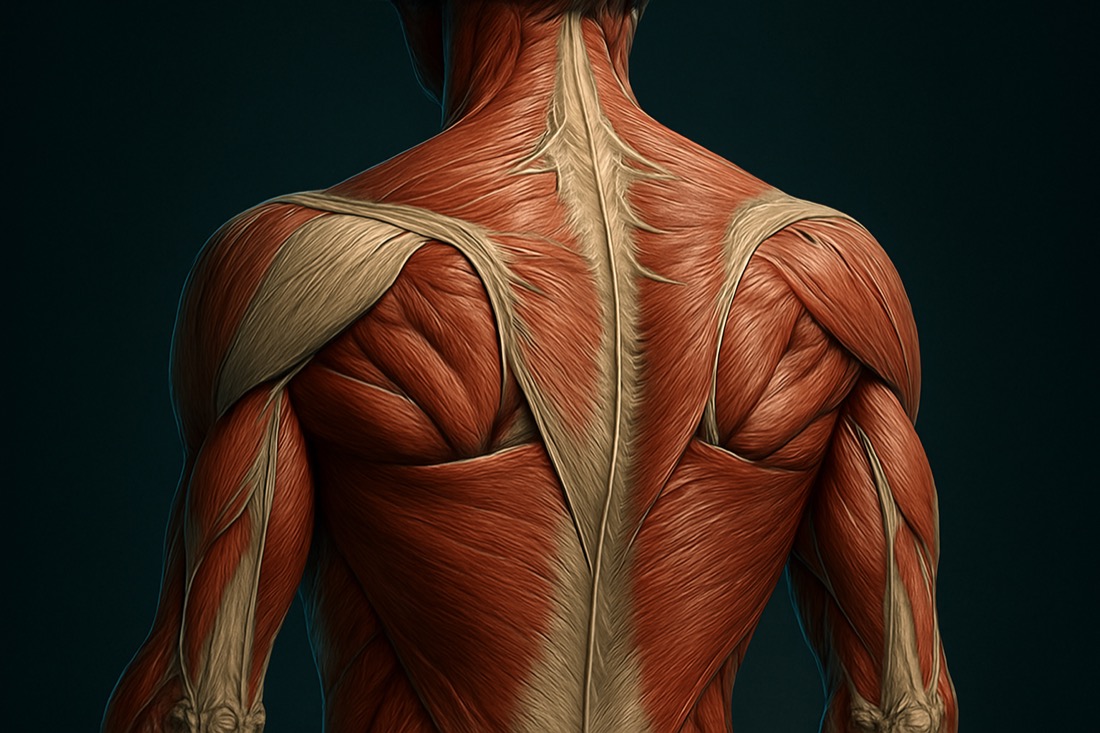
Palpation X-Ray #84 | Is the Sacrum Really a Flat Plate? It's a Wedge, Wide at the Top and Narrowing Downward — Trace Down from the Lumbar Spine and Confirm at Gluteus Maximus
0:56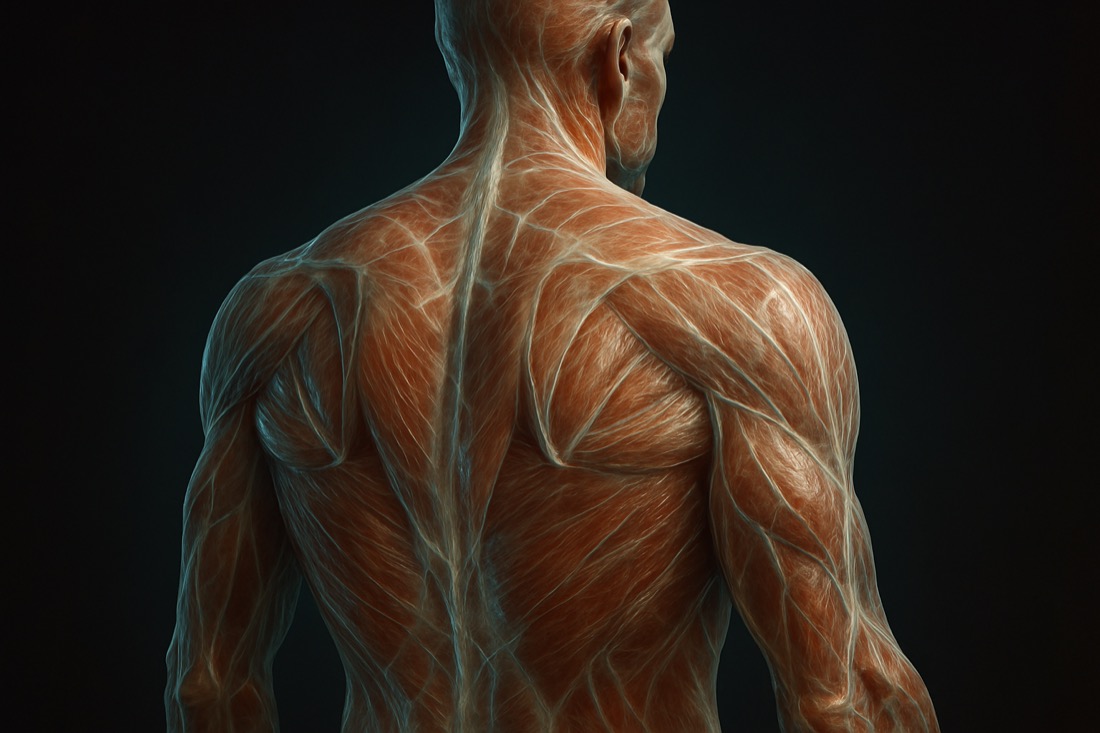
Dramatic Improvement in One Session: Manual Approach to the Pelvic Girdle, with Palpation of Anatomical Landmarks and Movement Assessment Before and After (Hands-On Demo)
5:48