
The Amazing Gut-Brain Axis
Original title (JP): 脳腸軸がスゴイ

Supervised by
Shogo Fujii
Physiotherapist (PT) · Founder of the SHOGO FUJII® FASCIA METHOD
View profile →Clinical Article · 5 min read
Understanding the gut-brain axis can provide valuable insights into managing low back pain through fascia therapy. This complex interaction between the gut and the brain affects overall health, influencing both physical and emotional well-being. By exploring the gut-brain connection, we can better address the underlying causes of discomfort and improve treatment outcomes.
How does the gut-brain axis affect low back pain?
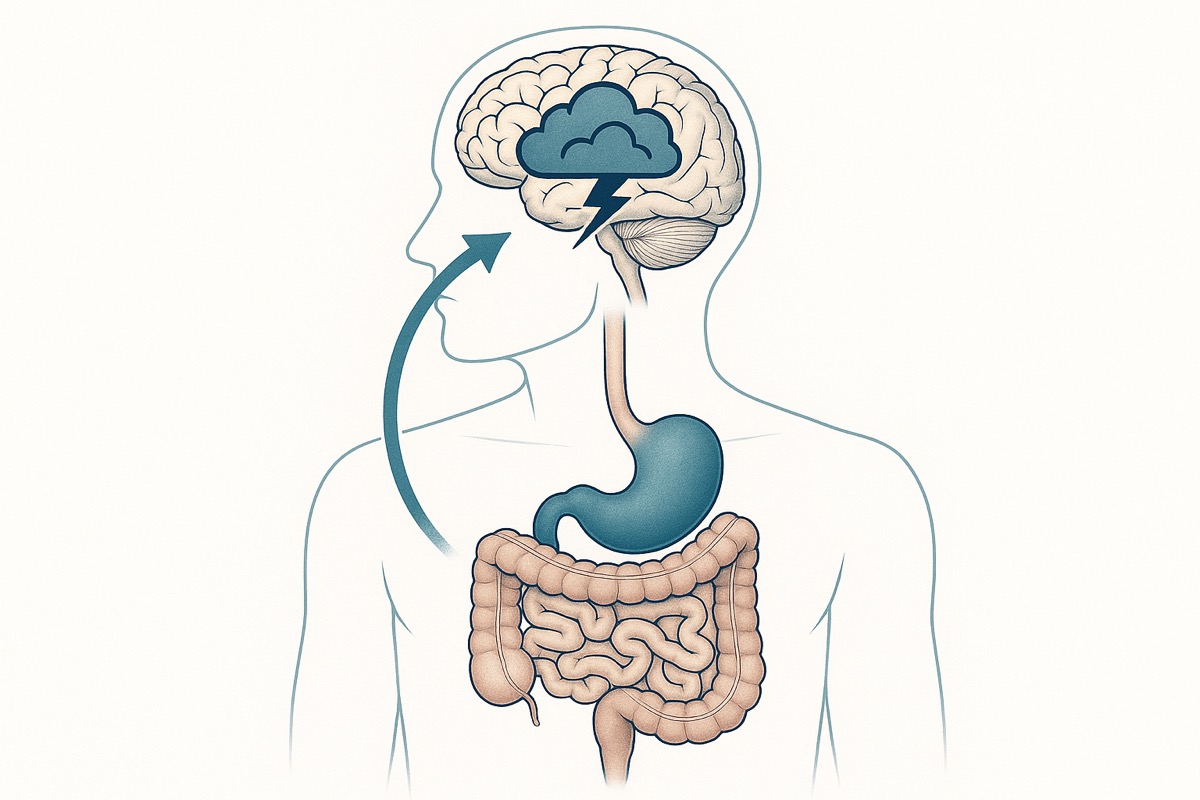
The gut-brain axis is a complex communication network that connects the gut and the brain via nerves, hormones, and immune signals. This bidirectional communication can influence physical conditions, including low back pain. When the gut experiences distress, such as inflammation or imbalance in gut bacteria, it can lead to increased sensitivity and pain perception in the body, potentially exacerbating low back pain symptoms.[1][2]
Moreover, the gut's impact on emotional health can indirectly affect back pain. Stress or anxiety may lead to gut disturbances, which in turn can heighten the perception of pain and contribute to muscle tension in the back. Addressing gut health can thus be a crucial component of a comprehensive approach to managing low back pain.
Why is gut health important for fascia therapy?
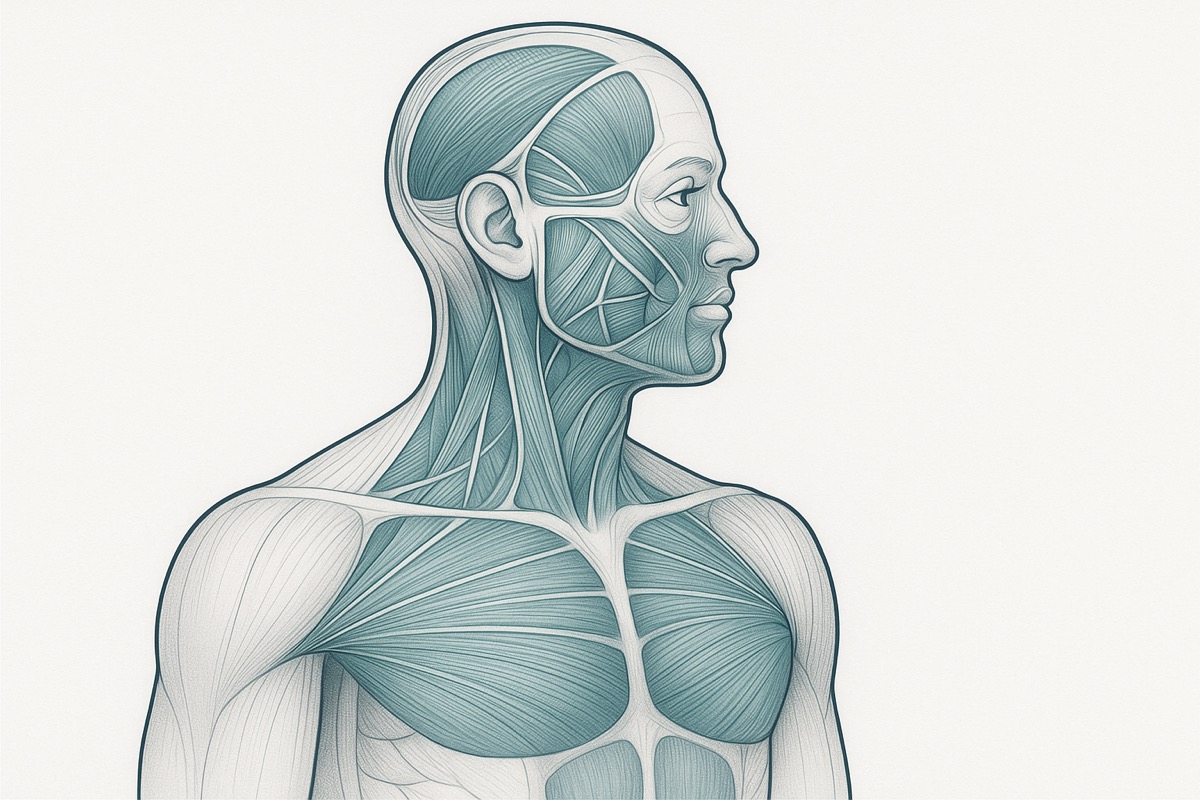
Fascia therapy aims to relieve tension and improve mobility by targeting the connective tissues in the body. The health of the fascia is influenced by the gut-brain axis, as gut health can affect muscle tension and inflammation levels. A balanced gut can lead to reduced inflammation, which may enhance the effectiveness of fascia therapy by allowing the fascia to move more freely and respond better to treatment.[3][4]
Additionally, the gut plays a role in nutrient absorption, which is vital for maintaining the integrity and resilience of fascia. Ensuring optimal gut health can support the body's overall structural health, making fascia therapy more effective in addressing low back pain.
What lifestyle changes support the gut-brain axis?
To support the gut-brain axis, consider incorporating dietary changes that promote gut health, such as consuming anti-inflammatory foods and probiotics. Foods rich in fiber, antioxidants, and omega-3 fatty acids can help maintain gut flora balance and reduce inflammation.[5]
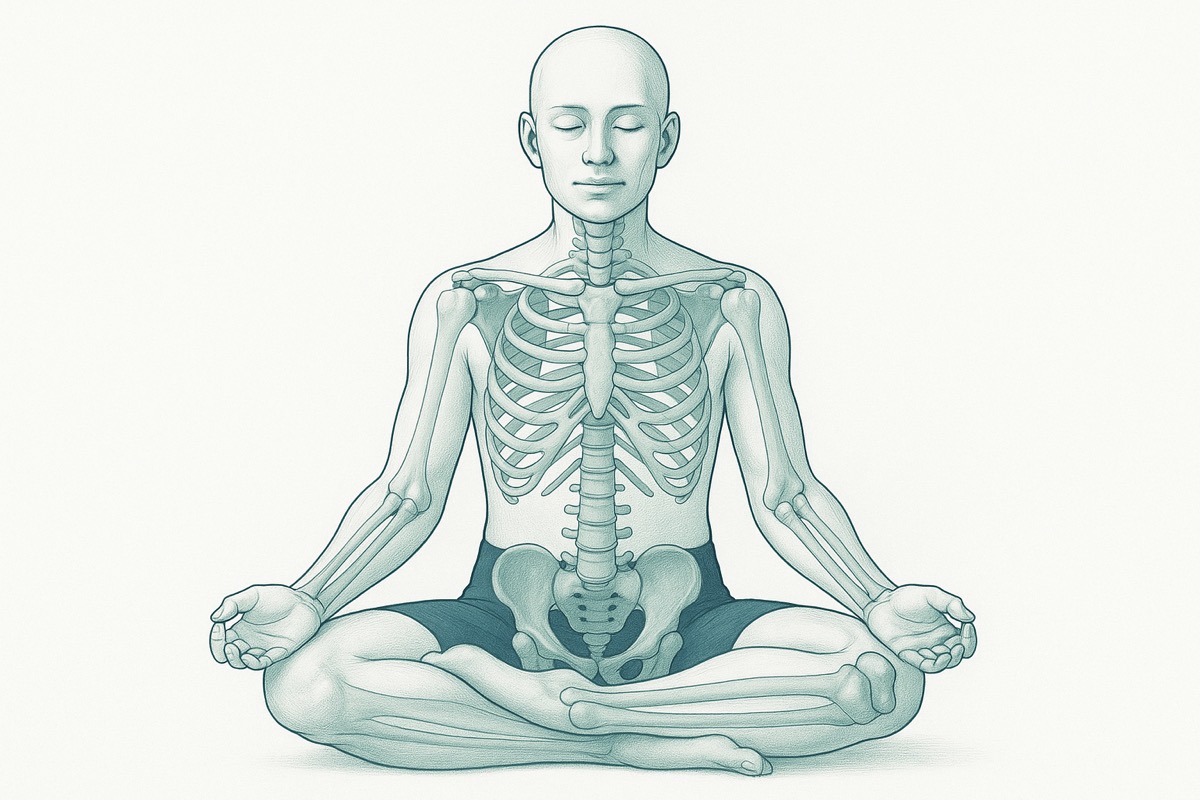
In addition to diet, stress management techniques like mindfulness, yoga, or meditation can positively influence the gut-brain connection. These practices can help regulate the autonomic nervous system, reducing stress-induced gut disturbances and improving overall well-being.
How does stress impact the gut-brain axis?
Stress activates the autonomic nervous system, affecting gut motility and function. This can lead to symptoms like diarrhea, constipation, or abdominal pain, which are common in conditions such as irritable bowel syndrome (IBS). Stress-induced changes in gut function can also contribute to systemic inflammation, potentially impacting low back pain.[6]
Understanding the role of stress in the gut-brain axis highlights the importance of comprehensive treatment plans that include stress management as a key component. By addressing stress, patients can improve both gut and musculoskeletal health, supporting recovery and reducing pain.
Frequently asked questions
Is fascia therapy effective for low back pain? — Fascia therapy can be effective for low back pain as part of a holistic treatment plan that includes addressing gut health and stress management.
Can gut health improve back pain? — Yes, improving gut health can reduce inflammation and stress, potentially alleviating symptoms of low back pain.
What dietary changes can support the gut-brain axis? — Incorporating anti-inflammatory foods, probiotics, and a balanced diet rich in fiber can support the gut-brain axis and overall health.
References
- [1]Ajimsha MS, Al-Mudahka NR, Al-Madzhar JA. Effectiveness of myofascial release: a systematic review of randomized controlled trials. J Bodyw Mov Ther. 2015;19(1):102–112.
- [2]Tozzi P, Bongiorno D, Vitturini C. Fascial release effects on patients with non-specific cervical or lumbar pain. J Bodyw Mov Ther. 2011;15(4):405–416.
- [3]Zügel M, Maganaris CN, Wilke J, et al. Fascial tissue research in sports medicine: from molecules to tissue adaptation, injury and diagnostics: consensus statement. Br J Sports Med. 2018;52(23):1497.
- [4]Klingler W, Velders M, Hoppe K, Pedro M, Schleip R. Clinical relevance of fascial tissue and dysfunctions. Curr Pain Headache Rep. 2014;18(8):439.
- [5]Wilke J, Vogt L, Niederer D, Banzer W. Is remote stretching based on myofascial chains as effective as local exercise? A randomised-controlled trial. J Sports Sci. 2017;35(20):2021–2027.
- [6]Langevin HM. Connective tissue: a body-wide signaling network? Med Hypotheses. 2006;66(6):1074–1077.