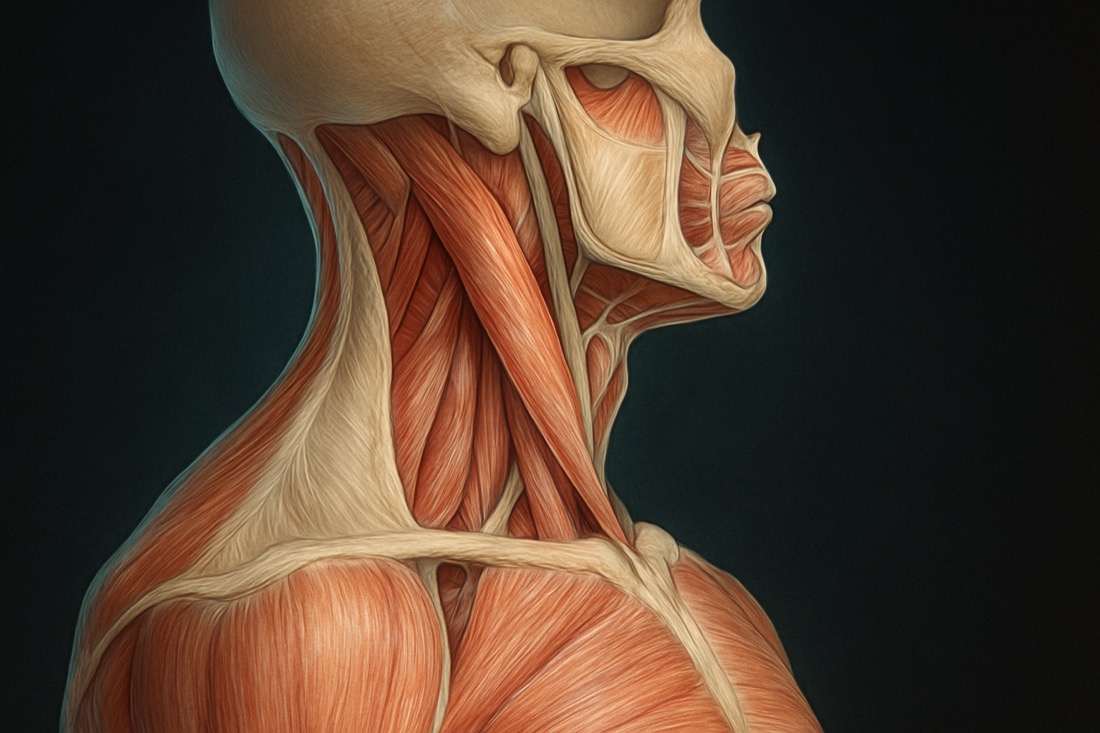
Keep This: How to Treat a Herniated Disc
Original title (JP): 【保存版】椎間板ヘルニアの治し方を教えます!

Supervised by
Shogo Fujii
Physiotherapist (PT) · Founder of the SHOGO FUJII® FASCIA METHOD
View profile →Clinical Article · 5 min read
Fascia release for low back pain offers a promising approach to managing herniated discs. Understanding the underlying causes and exploring effective treatments can significantly improve quality of life for those affected. This guide delves into methods and preventative strategies to address and alleviate these issues.
What are the common treatments for herniated discs?
When addressing herniated discs, the initial approach often involves conservative treatments. Pain relief medications and anti-inflammatory drugs are commonly prescribed to manage symptoms. Physical therapy and rehabilitation exercises are also vital components, aiming to improve mobility and reduce pain [1].
In some cases, more invasive procedures like nerve block injections may be considered. It's important to note that many herniated discs naturally improve over time as the protruding material is reabsorbed by the body, leading to symptom relief within weeks or months [2]. Surgery might be recommended for severe cases, particularly when significant neurological symptoms present, such as leg paralysis or loss of bladder control [3].
Why is posture important in preventing herniated discs?
Proper posture plays a crucial role in preventing the exacerbation of herniated discs. Poor postural habits, especially those involving forward bending, can place undue stress on the lumbar spine. Acute episodes should be managed carefully to avoid worsening the condition [4].
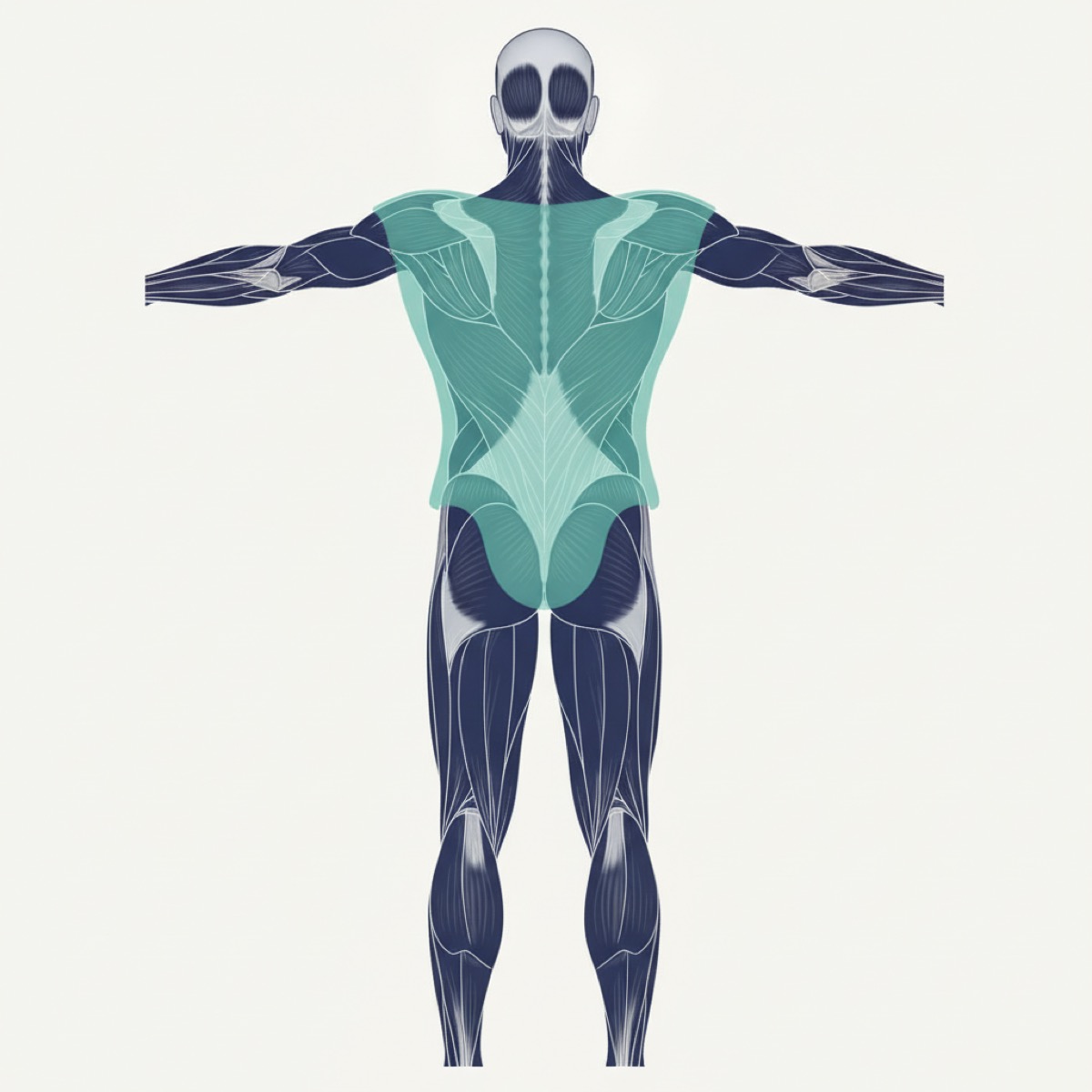
The key is to ensure that the lumbar region is not overburdened by compensating for restricted movement in other areas, such as the thoracic spine. Hyper-mobility in the lumbar spine often occurs when the thoracic spine is too rigid, leading to increased risk of herniation. Addressing thoracic spine stiffness can help distribute movement more evenly and reduce lumbar strain.
How does fascia release benefit low back pain?
Fascia release techniques can significantly alleviate low back pain by improving mobility and reducing tension. By targeting areas such as the scapulae and thoracic spine, practitioners can decrease the compensatory movement in the lumbar region, thus reducing strain and pain [5].
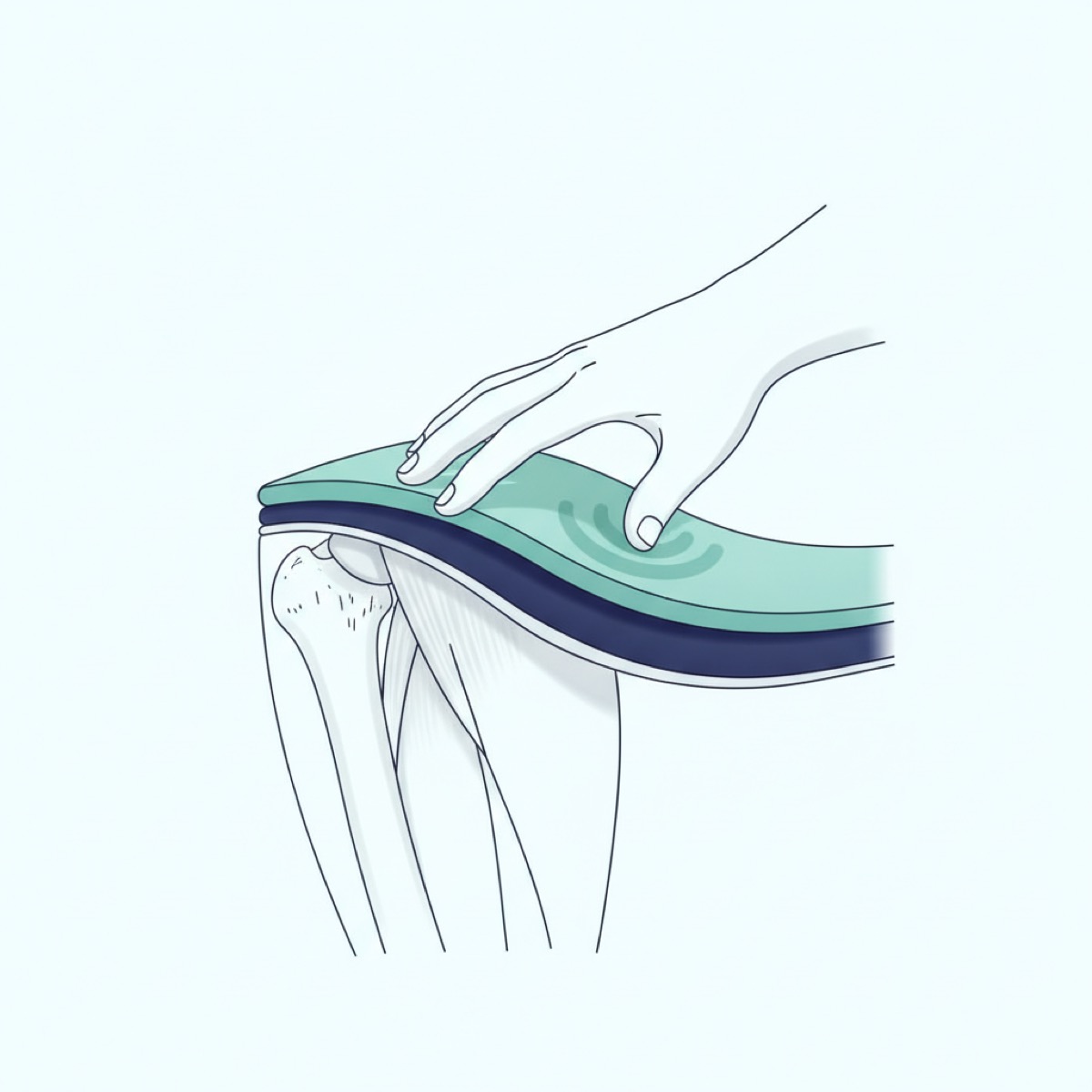
Techniques include releasing the thoracic fascia to enhance flexibility and movement. This approach not only aids in pain relief but also improves overall functional capacity. Patients often experience reduced symptoms and increased comfort following effective fascia release sessions.
What lifestyle changes help prevent herniated discs?
Incorporating regular aerobic exercises such as walking can improve circulation and alleviate pain associated with herniated discs. Movement helps prevent the vicious cycle of pain and fear that leads to inactivity and worsening symptoms [6].
Maintaining a healthy weight is also vital, as excess weight increases the burden on the lumbar spine, often leading to poor postural alignment and increased risk of disc herniation. Core strengthening exercises like planks and squats can support spine health by stabilizing the lower back and improving posture.

Frequently asked questions
Is fascia release safe? — Fascia release is generally considered safe when performed by trained professionals. It can help improve mobility and reduce pain, but it's important to consult with a healthcare provider to ensure it's appropriate for your condition.
Can herniated discs heal without surgery? — Yes, many herniated discs can heal naturally over time as the body reabsorbs the protruding material. Conservative treatments like medication, physical therapy, and lifestyle changes are often effective in managing symptoms.
What exercises are best for preventing herniated discs? — Exercises that strengthen the core muscles, improve flexibility, and promote good posture, such as planks, squats, and gentle aerobic activities like walking, are beneficial in preventing herniated discs.
References
- [1]Guo R, Chen LH, Xing C, Liu T. Pain regulation by gut microbiota: molecular mechanisms and therapeutic potential. Br J Anaesth. 2019;123(5):637–654.
- [2]Ricciotti E, FitzGerald GA. Prostaglandins and inflammation. Arterioscler Thromb Vasc Biol. 2011;31(5):986–1000.
- [3]Salehi B, Venditti A, Sharifi-Rad M, et al. The therapeutic potential of apigenin. Int J Mol Sci. 2019;20(6):1305.
- [4]Field R, Pourkazemi F, Turton J, Rooney K. Dietary interventions are beneficial for patients with chronic pain: a systematic review with meta-analysis. Pain Med. 2021;22(3):694–714.
- [5]Taljanovic MS, Gimber LH, Becker GW, et al. Shear-wave elastography: basic physics and musculoskeletal applications. RadioGraphics. 2017;37(3):855–870.
- [6]Langevin HM. Connective tissue: a body-wide signaling network? Med Hypotheses. 2006;66(6):1074–1077.
Related videos
Palpation X-Ray #84 | Is the Sacrum Really a Flat Plate? It's a Wedge, Wide at the Top and Narrowing Downward — Trace Down from the Lumbar Spine and Confirm at Gluteus Maximus
0:56
Dramatic Improvement in One Session: Manual Approach to the Pelvic Girdle, with Palpation of Anatomical Landmarks and Movement Assessment Before and After (Hands-On Demo)
5:48