Instant Relief for Lower Back Pain
Original title (JP): 腰痛を一発で治す #医師 #藤井翔悟

Supervised by
Shogo Fujii
Physiotherapist (PT) · Founder of the SHOGO FUJII® FASCIA METHOD
View profile →Clinical Article · 5 min read
Are you searching for effective fascia release techniques for low back pain relief? Fascia therapy can offer significant improvements in mobility and comfort by targeting the connective tissues that may contribute to discomfort. In this article, we'll explore practical methods to alleviate tension and enhance movement, guided by expert insights from Shogo Fujii.
Why does fascia affect low back pain?
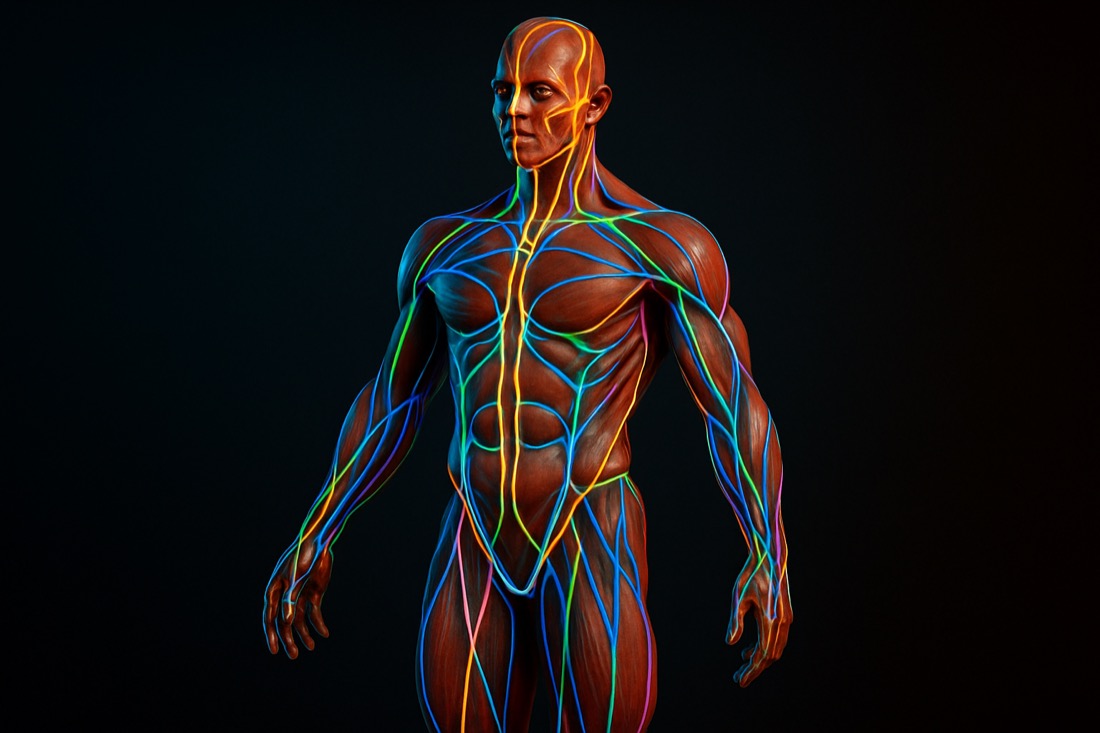
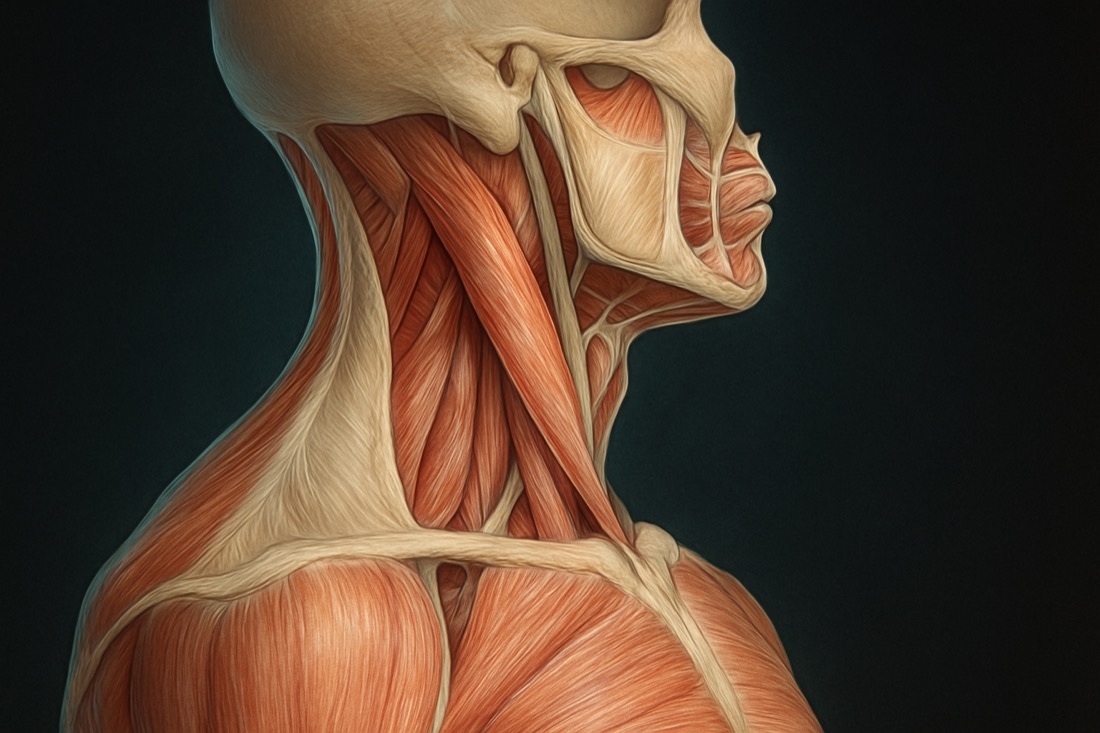
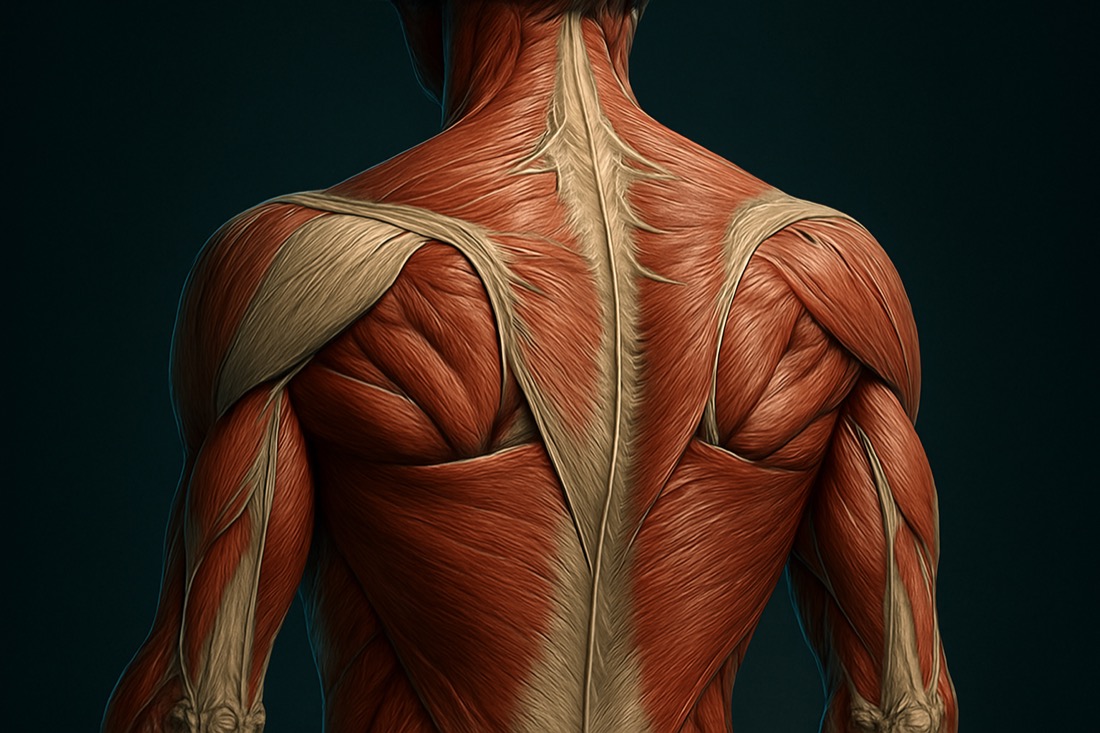
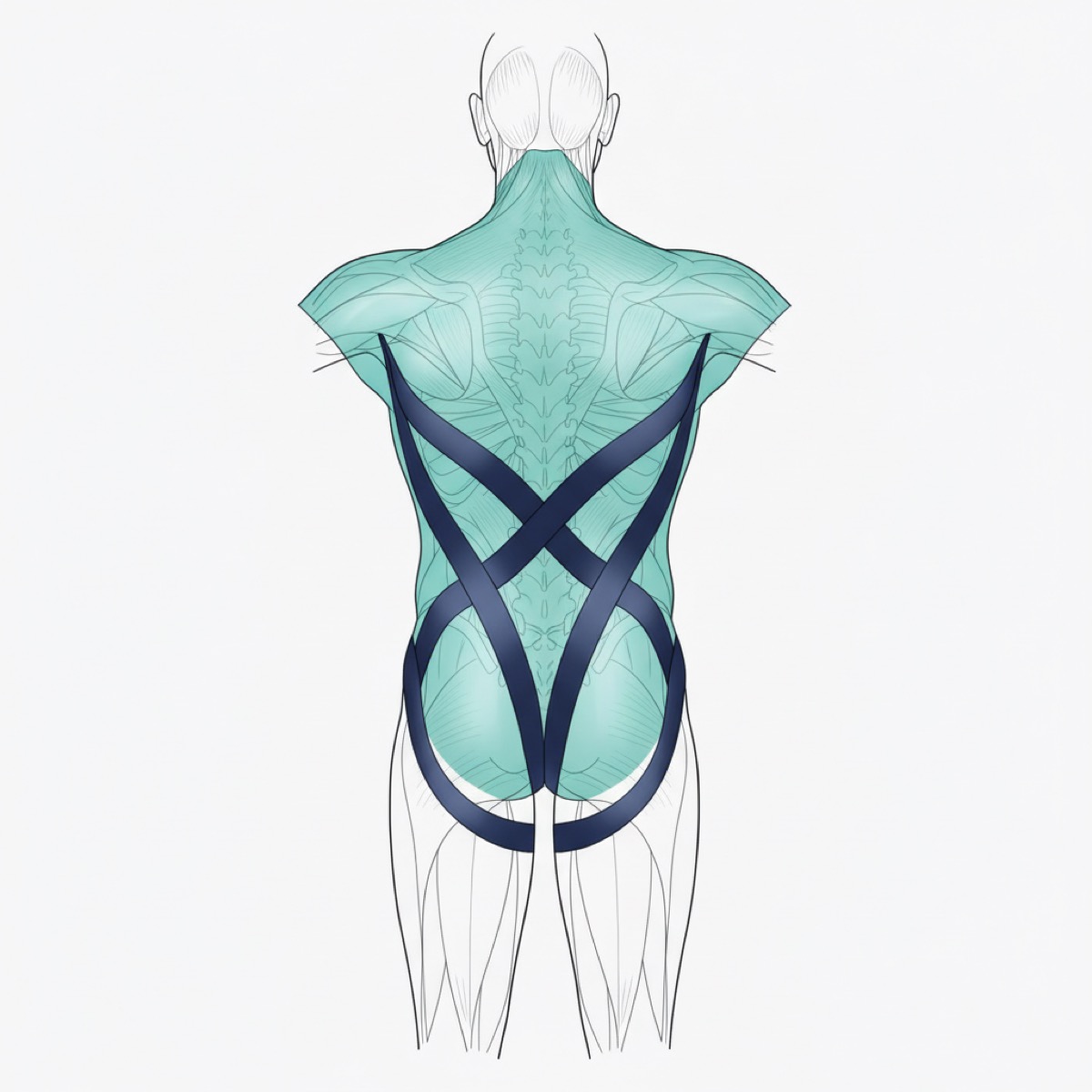
Fascia is a connective tissue that envelops muscles and organs, playing a crucial role in maintaining structural integrity. When fascia becomes tight or restricted, it can contribute to discomfort and reduced mobility, particularly in the lower back area. This happens because the sacrum and surrounding areas may experience increased tension, leading to pain [1][2].
Understanding the relationship between fascia and low back pain helps in targeting the root cause of discomfort. Techniques such as gentle vibrations and targeted pressure can help break down these tight areas, promoting better movement and pain relief. By focusing on the most tense spots, individuals can experience noticeable improvements in their symptoms [3].
How does fascia release work?
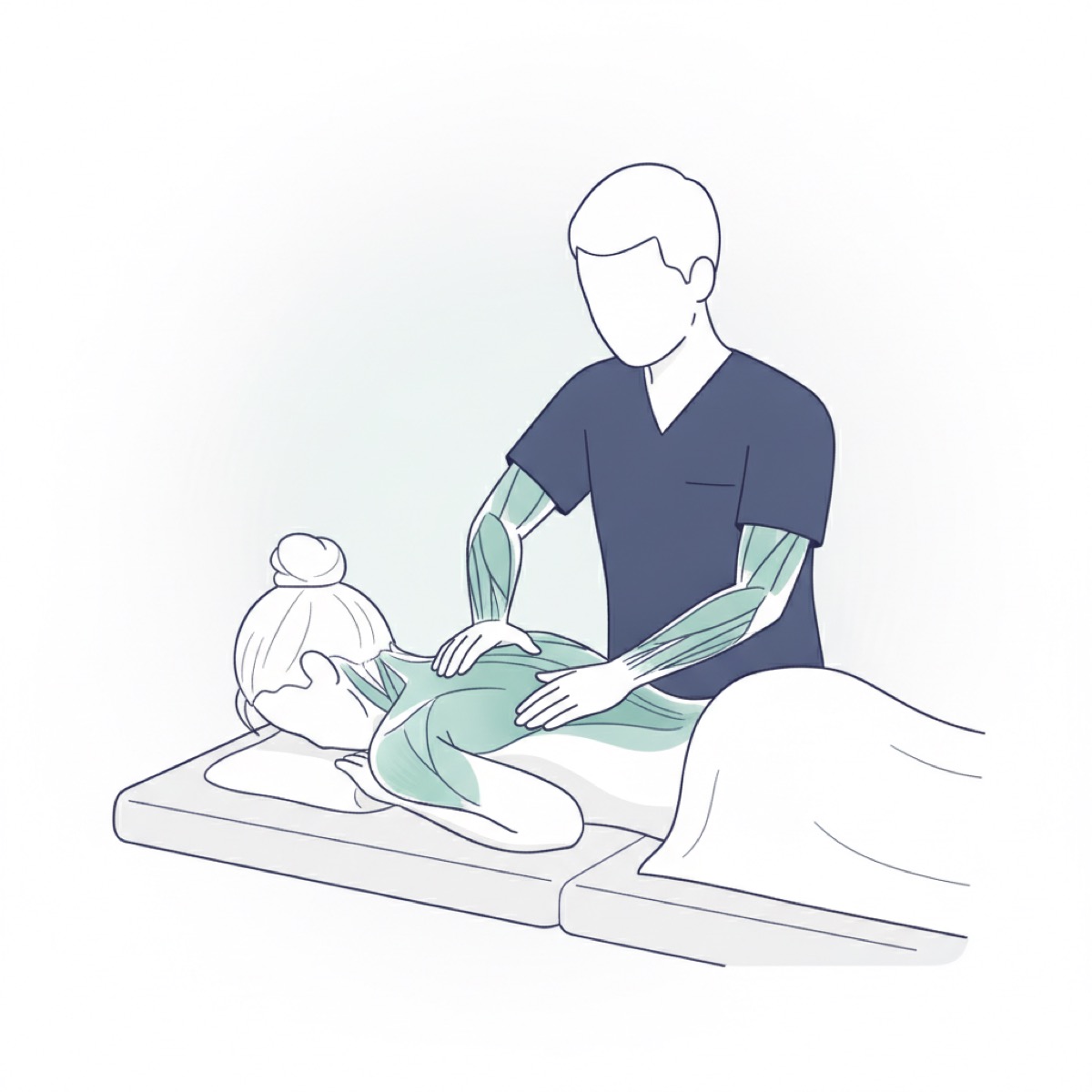
Fascia release involves applying pressure and movement to specific areas to alleviate tension. In the practice described by Shogo Fujii, the method includes using hands to identify the most tense spots and applying gentle vibrations to break the tension. This helps restore mobility in the sacroiliac joint and surrounding fascia, which may have been contributing to low back pain [4].
The process also involves rotating the ankle to identify points of resistance, which can indicate fascia tightness. By addressing these areas, patients can experience reduced pain and improved range of motion. It's a non-invasive approach that focuses on the body's natural ability to heal and adapt, providing a safe option for many individuals [5].
What to expect during a fascia release session
During a fascia release session, the therapist will assess your lower back and related areas to identify tension points. The process involves hands-on techniques that may include gentle pressure and vibrations. While some discomfort might be experienced, it is generally manageable and indicates the release of tension [6].
Patients often notice immediate improvements in their mobility and a reduction in pain. The therapist will also guide you through movements to ensure that the fascia is effectively released. It's important to communicate any discomfort during the session to tailor the approach to your needs.
Can fascia release improve mobility?
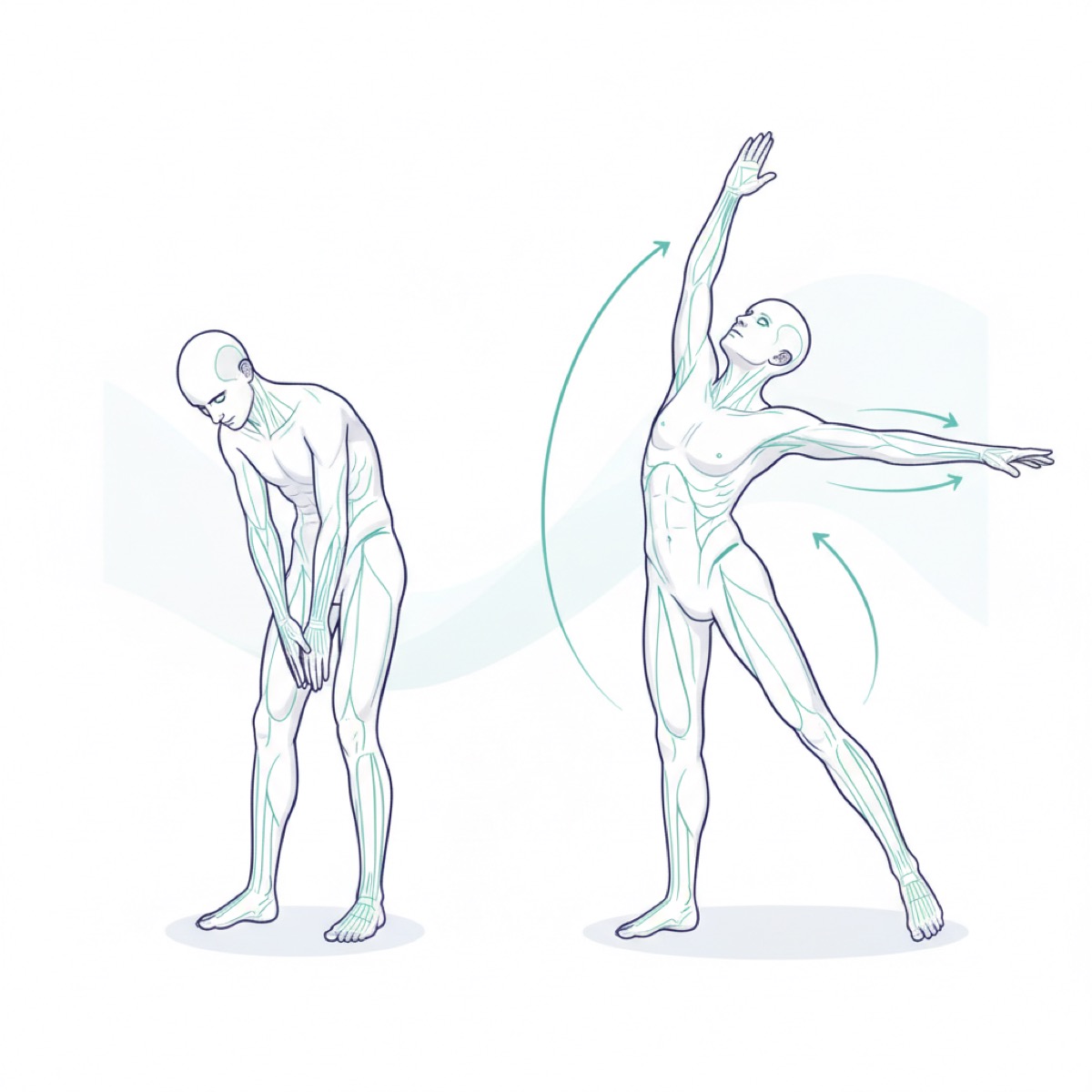
Yes, fascia release can significantly enhance mobility by reducing tension in the connective tissues. When fascia is tight, it restricts movement, leading to discomfort and pain. By releasing these tight areas, patients often experience a smoother range of motion and improved function of the lower back [1][3].
The techniques used in fascia release focus on restoring the natural glide between tissues, which is essential for unrestricted movement. Regular sessions can help maintain these improvements and prevent future restrictions, making it a valuable part of a comprehensive approach to managing low back pain.
Frequently asked questions
Is fascia release safe? — Fascia release is generally safe when performed by a trained professional. It is non-invasive and focuses on the body's natural healing processes, making it a viable option for many patients.
How often should I have fascia release? — The frequency of sessions depends on individual needs and response to treatment. Some may benefit from regular sessions, while others might require fewer visits. A professional can provide personalized recommendations.
Can I do fascia release at home? — While some techniques can be practiced at home, it's recommended to first learn proper methods from a professional to ensure safety and effectiveness. Once familiar, certain exercises can be integrated into a home care routine.
References
- [1]Salehi B, Venditti A, Sharifi-Rad M, et al. The therapeutic potential of apigenin. Int J Mol Sci. 2019;20(6):1305.
- [2]Field R, Pourkazemi F, Turton J, Rooney K. Dietary interventions are beneficial for patients with chronic pain: a systematic review with meta-analysis. Pain Med. 2021;22(3):694–714.
- [3]Taljanovic MS, Gimber LH, Becker GW, et al. Shear-wave elastography: basic physics and musculoskeletal applications. RadioGraphics. 2017;37(3):855–870.
- [4]Langevin HM. Connective tissue: a body-wide signaling network? Med Hypotheses. 2006;66(6):1074–1077.
- [5]Schleip R. Fascial plasticity — a new neurobiological explanation. J Bodyw Mov Ther. 2003;7(1):11–19.
- [6]Wilke J, Krause F, Vogt L, Banzer W. What Is Evidence-Based About Myofascial Chains? A Systematic Review. Arch Phys Med Rehabil. 2016;97(3):454–461.