Curing Stubborn Hip Pain Instantly! 3 Steps to Eliminate Pain and Numbness
Original title (JP): 難治性の股関節痛を1発で治した!痛みと痺れを取るための3step

Supervised by
Shogo Fujii
Physiotherapist (PT) · Founder of the SHOGO FUJII® FASCIA METHOD
View profile →Clinical Article · 6 min read
Chronic low back pain can be a debilitating condition, often leading individuals to seek answers through imaging like X-rays and MRIs. However, what if the source of your discomfort isn't solely structural? Myofascial release for low back pain offers a different perspective, focusing on the interconnected web of fascia throughout your body that can hold tension and create symptoms far from the actual problem area. This approach emphasizes a holistic assessment to uncover the true origins of your persistent pain.
Why Your MRI Might Not Explain Your Low Back Pain
It's a common scenario: you experience persistent low back pain, undergo an MRI, and receive a diagnosis like spinal stenosis or a herniated disc. While these findings are real, a surprising truth often goes unmentioned in conventional medical settings: structural abnormalities on imaging don't always equate to pain. Studies have shown that a significant percentage of pain-free individuals, for instance, can exhibit signs of spinal stenosis on an MRI [1]. This highlights a critical distinction between structural findings and symptomatic pain.
The implication is profound: focusing solely on structural issues identified by imaging might lead to treatments that miss the true underlying cause of your discomfort. Instead, understanding the body's soft tissue, particularly the fascia, can unlock new pathways for relief. Your low back pain might be a symptom of a deeper, more complex fascial restriction elsewhere in the body.
Beyond the Spine: How Fascial Connections Influence Low Back Pain
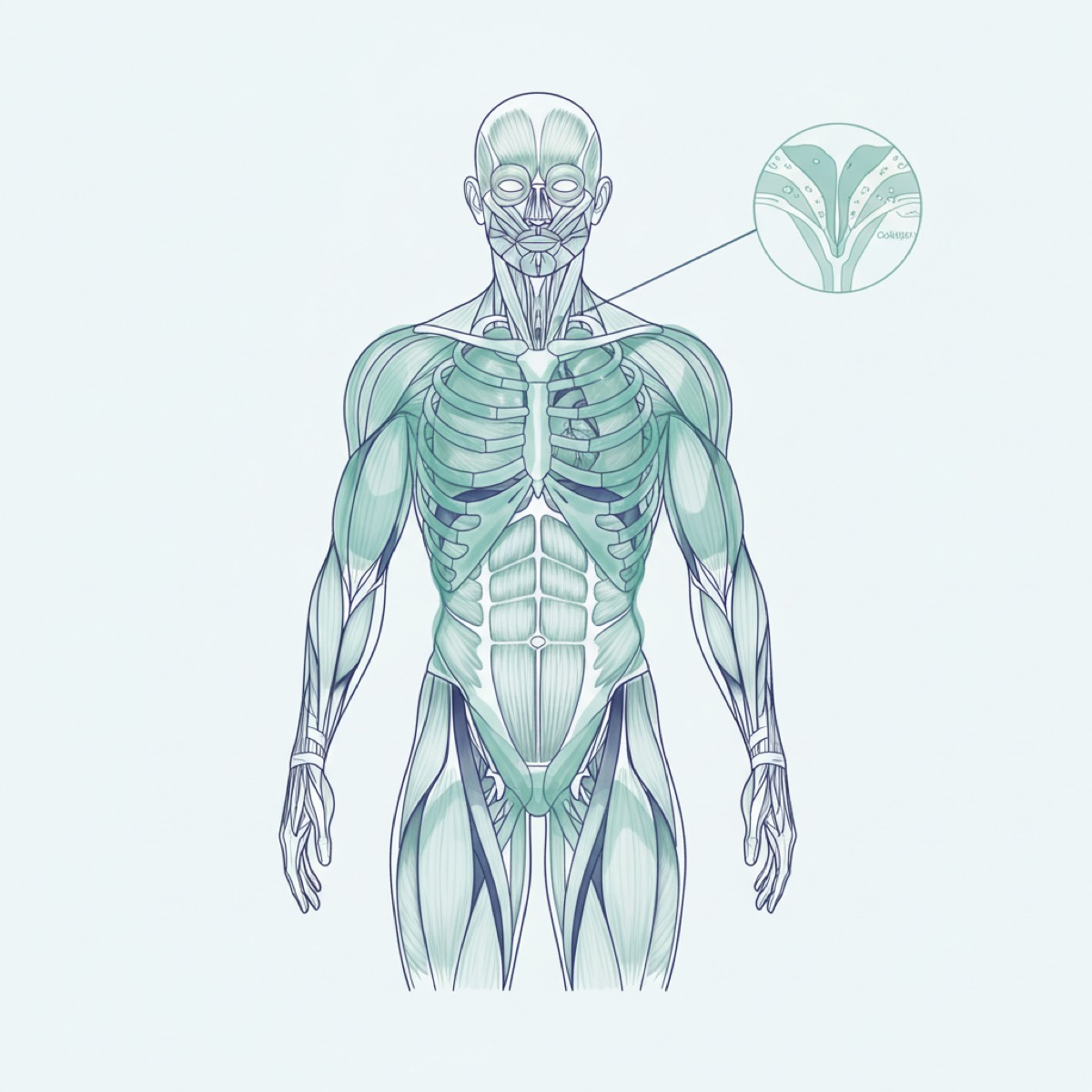
The human body is an intricate network, and fascia—the connective tissue that envelops muscles, organs, and bones—plays a crucial role in this interconnectedness. Rather than isolated parts, your body functions as a unified system, where tension or adhesions in one area can transmit stress and create symptoms in another [2]. This means that pain felt in your low back could originate from restrictions in areas like the abdomen, hips, or even the cranium.
Clinicians often observe that what presents as low back pain might be rooted in adhesions of the psoas muscle, or even visceral restrictions involving the intestines. This concept, often referred to as 'fascial lines' or 'anatomy maps,' provides a framework for understanding how seemingly unrelated areas are functionally linked [3]. By recognizing these connections, therapists can look beyond the site of pain to identify its true source.
Mapping Your Pain: The Fascia-Focused Assessment
Effective myofascial release begins with a thorough assessment that goes beyond simply asking 'where does it hurt?' It involves creating a 'map of connections' unique to each individual. This process typically utilizes palpation—gentle pressure applied to different areas—to identify points of restriction, tenderness, or altered tissue quality that might be contributing to the primary pain complaint. The goal is to pinpoint the actual source of the pain, which often lies remote from where the pain is felt [4].
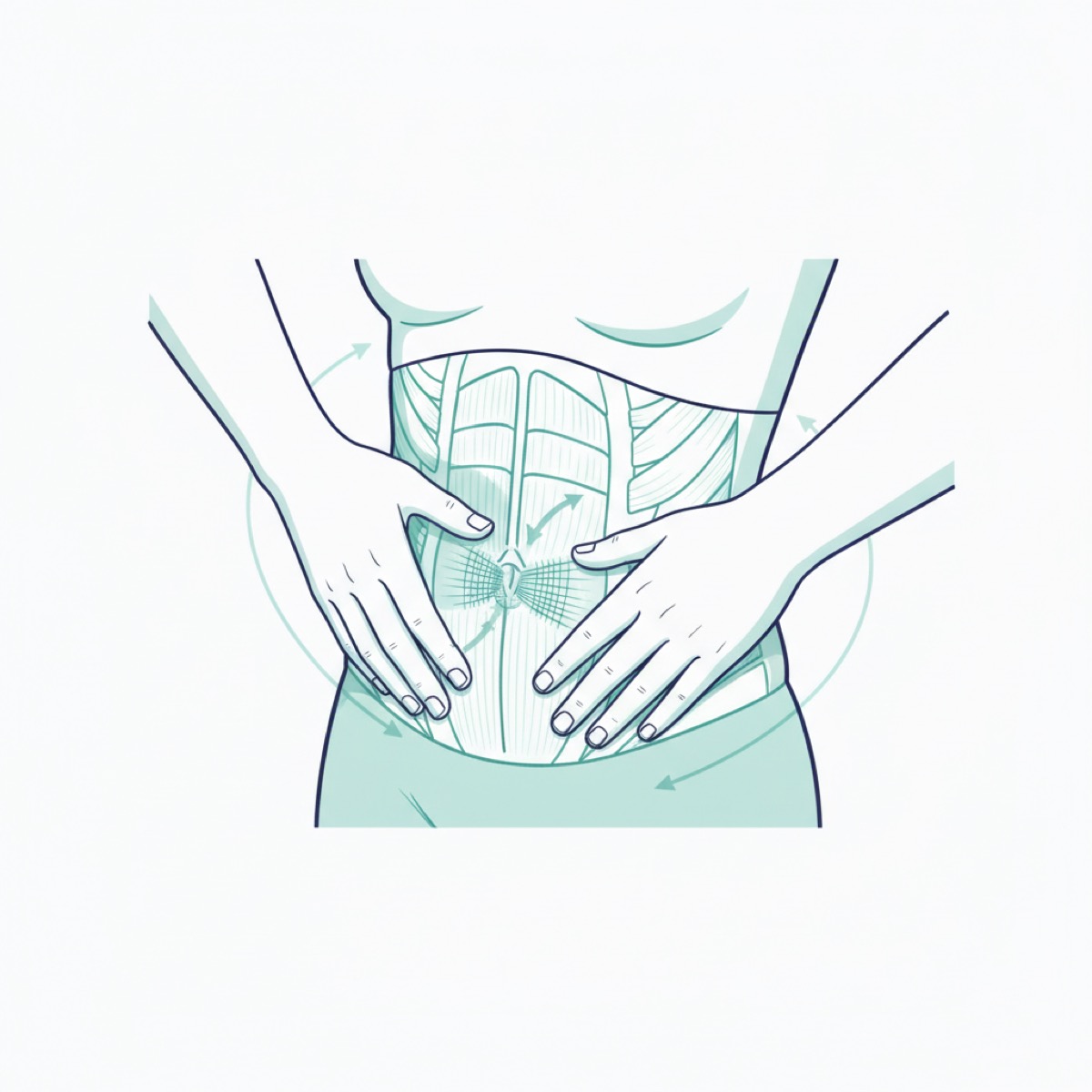
For example, a patient presenting with hip or low back stiffness might find significant relief when pressure is applied to areas around the abdomen, indicating adhesions involving the psoas muscle or even the intestines. The therapist observes how the body responds to these specific pressure points, noting if the original pain decreases or if range of motion improves. This dynamic feedback guides the assessment, allowing for a precise understanding of the body's unique fascial landscape.
Effective Myofascial Release Techniques and Holistic Support
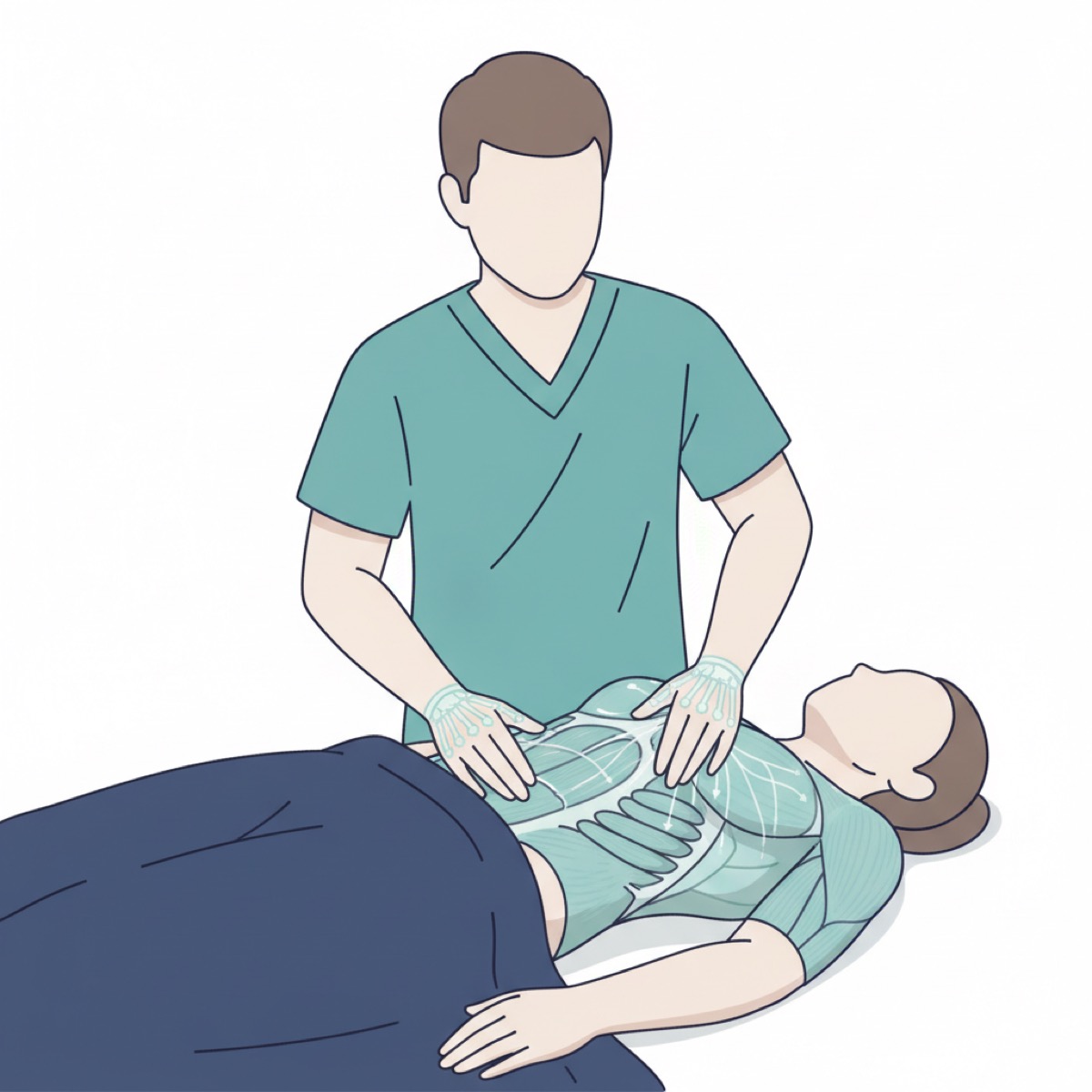
Once the true source of restriction is identified, the treatment focuses on gentle, precise release techniques. Unlike forceful manipulations, myofascial release often involves subtle movements, such as 'pulling' or 'winding up' the tissue, to encourage a natural softening and relaxation—a 'fluffy' feeling as the tissue unwinds. The emphasis is not on a rigid set of techniques, but on developing the sensitivity to elicit the body's inherent healing response [4]. This requires practice and a keen awareness of the patient's feedback, much like developing a skill in sports or martial arts.
Beyond manual therapy, a holistic approach recognizes that chronic pain can be influenced by lifestyle factors. Diet, allergies, and gut health can significantly impact fascial tension and systemic inflammation [5]. For instance, poor intestinal conditions, specific food sensitivities, or even mineral deficiencies (like calcium and iron) can contribute to persistent stiffness and adhesions. Addressing these factors through dietary adjustments, gut support, and lifestyle changes can be a crucial complement to myofascial release, promoting long-term relief and overall well-being [6].
Frequently asked questions
Is myofascial release safe? — Myofascial release is generally considered safe when performed by a trained and experienced clinician. Techniques are typically gentle and non-invasive, focusing on releasing soft tissue restrictions rather than forceful manipulations. Always consult with a qualified therapist to ensure it's appropriate for your specific condition.
How long does it take to see results? — The timeline for results varies greatly depending on the individual, the chronicity of their condition, and their body's response to treatment. Some people experience immediate relief, while others require a series of sessions to achieve lasting changes. Consistency with treatment and adherence to any recommended lifestyle adjustments can significantly impact outcomes.
Can diet really affect my low back pain? — Yes, absolutely. Diet plays a significant role in systemic inflammation, gut health, and overall tissue quality. Certain foods can contribute to inflammatory responses or digestive issues that manifest as fascial stiffness and chronic pain, even in areas like the low back. A holistic approach to myofascial release often includes dietary guidance to support long-term relief and prevent recurrence.
References
- [1]Ajimsha MS, Al-Mudahka NR, Al-Madzhar JA. Effectiveness of myofascial release: a systematic review of randomized controlled trials. J Bodyw Mov Ther. 2015;19(1):102–112.
- [2]Tozzi P, Bongiorno D, Vitturini C. Fascial release effects on patients with non-specific cervical or lumbar pain. J Bodyw Mov Ther. 2011;15(4):405–416.
- [3]Zügel M, Maganaris CN, Wilke J, et al. Fascial tissue research in sports medicine: from molecules to tissue adaptation, injury and diagnostics: consensus statement. Br J Sports Med. 2018;52(23):1497.
- [4]Klingler W, Velders M, Hoppe K, Pedro M, Schleip R. Clinical relevance of fascial tissue and dysfunctions. Curr Pain Headache Rep. 2014;18(8):439.
- [5]Wilke J, Vogt L, Niederer D, Banzer W. Is remote stretching based on myofascial chains as effective as local exercise? A randomised-controlled trial. J Sports Sci. 2017;35(20):2021–2027.
- [6]Palomeque-del-Cerro L, Arráez-Aybar LA, Rodríguez-Blanco C, et al. A systematic review of the soft-tissue connections between neck muscles and dura mater: the myodural bridge. Spine. 2017;42(1):49–54.
Related videos
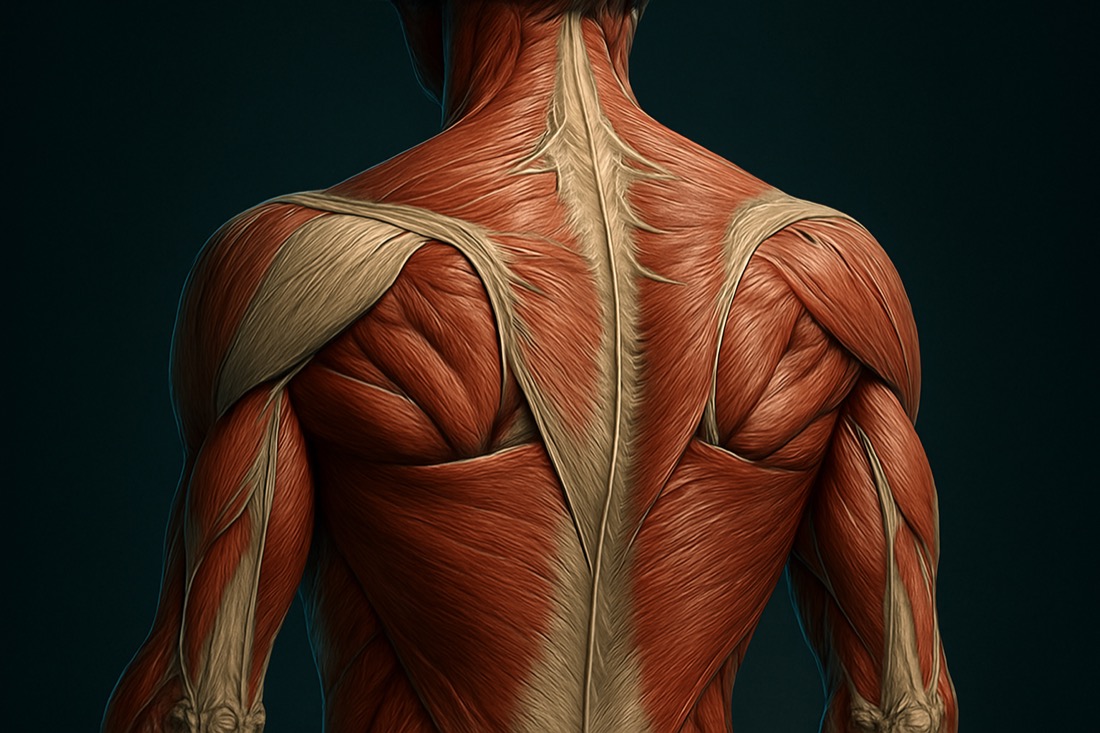
Palpation X-Ray #84 | Is the Sacrum Really a Flat Plate? It's a Wedge, Wide at the Top and Narrowing Downward — Trace Down from the Lumbar Spine and Confirm at Gluteus Maximus
0:56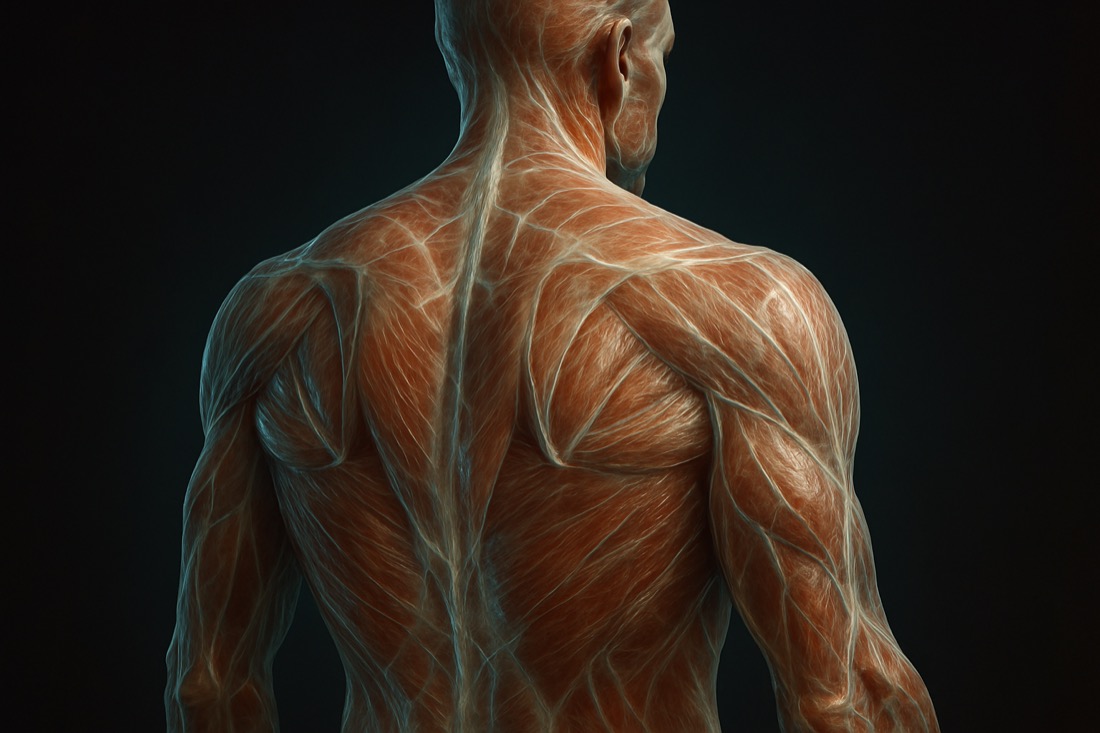
Dramatic Improvement in One Session: Manual Approach to the Pelvic Girdle, with Palpation of Anatomical Landmarks and Movement Assessment Before and After (Hands-On Demo)
5:48