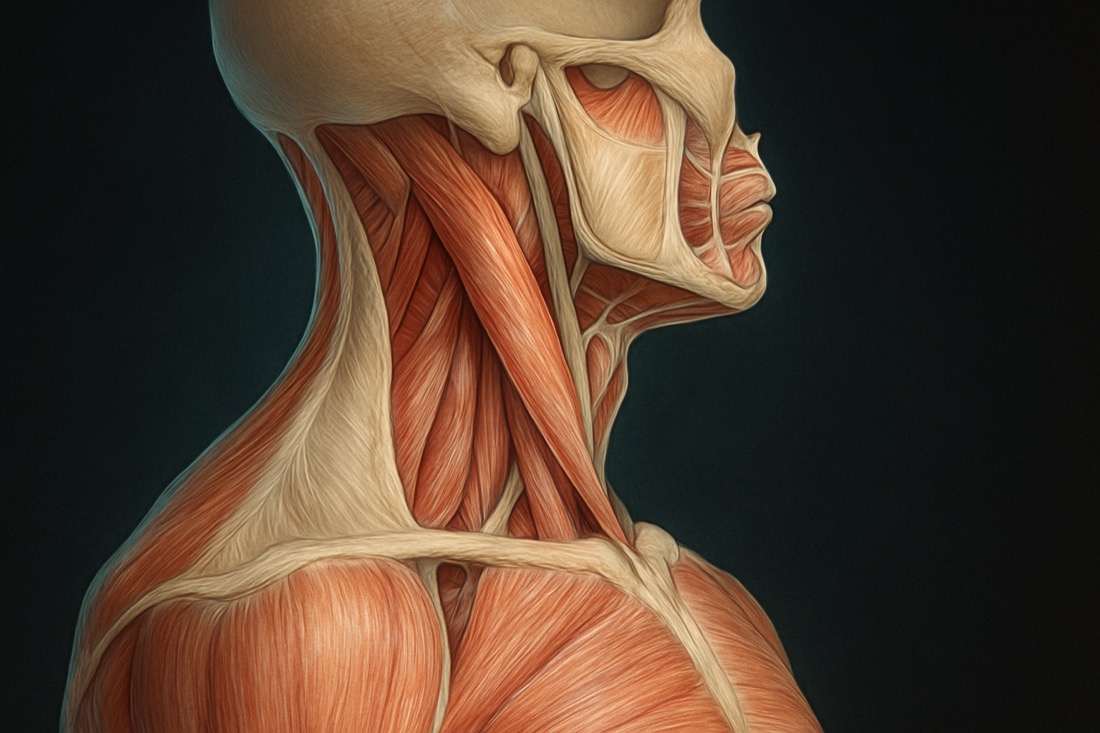
Heal Your Patients with This: A Pelvic Technique
Original title (JP): このテクニックで患者を治せ!骨盤テクニック

Supervised by
Shogo Fujii
Physiotherapist (PT) · Founder of the SHOGO FUJII® FASCIA METHOD
View profile →Clinical Article · 6 min read
Low back pain is a pervasive issue, often stemming from complex biomechanical dysfunctions that extend beyond the lumbar spine itself. For effective and lasting low back pain relief, a thorough and systematic pelvic assessment is not just beneficial, but crucial [1]. This article, inspired by expert Shogo Fujii, delves into an innovative "stimulus and response" methodology for evaluating pelvic mobility, helping clinicians and informed patients understand the underlying causes of discomfort rather than merely treating symptoms.
The Foundation of Effective Pain Treatment: Why Assessment Matters
In the vast landscape of pain management, simply applying treatment techniques learned from online videos often falls short. The true essence of effective therapy lies not in mastering countless techniques, but in possessing the ability to accurately differentiate and identify the root cause of a patient's low back pain [2]. With an overwhelming amount of information available, clinicians and patients alike face the challenge of discerning what truly works.
Expert Shogo Fujii emphasizes that genuine progress in resolving low back pain relief comes from robust, systematic assessment. Even highly skilled therapists can hit a plateau if they lack a strong evaluative framework, as technique mastery alone cannot compensate for a missed diagnosis. This foundational principle guides us toward a more strategic and effective approach to patient care.
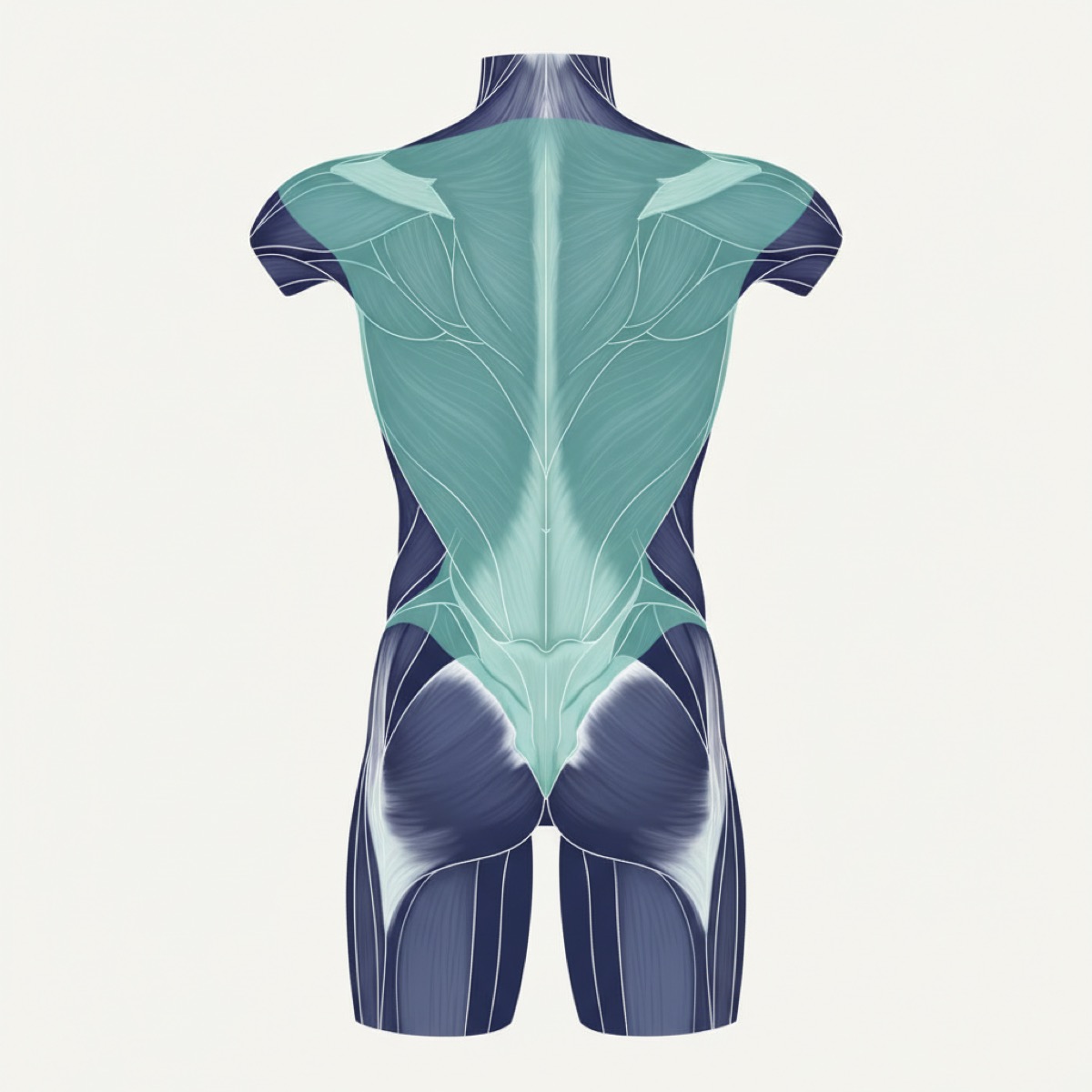
Understanding "Stimulus and Response" in Pelvic Assessment
The "stimulus and response" method is a powerful evaluative tool that focuses on observing the body's immediate physical reaction to a specific manual stimulus. Instead of relying solely on patient reports, this approach provides objective feedback on the mobility and function of anatomical structures.
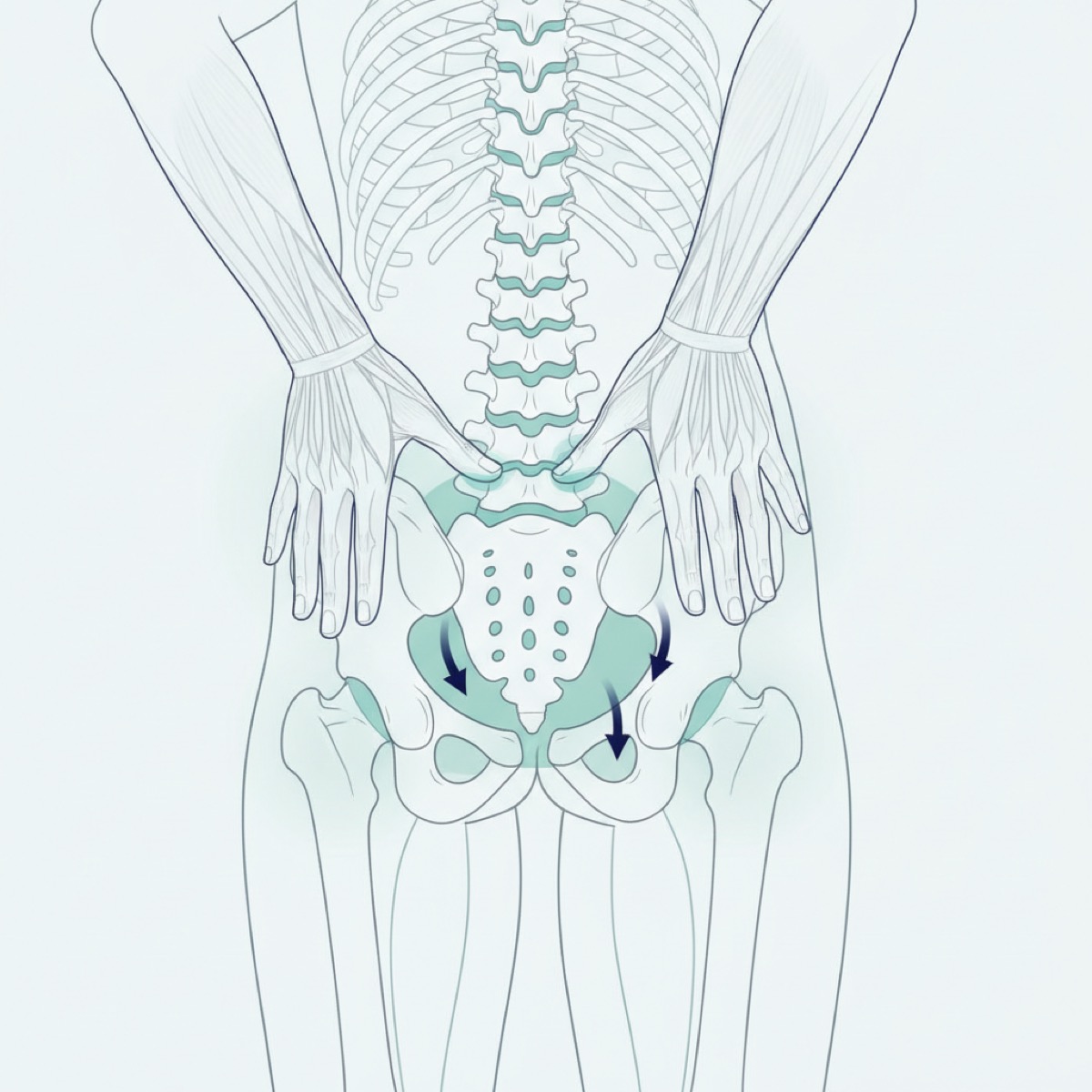
When addressing low back pain, the pelvis is a critical area of focus. By applying gentle, specific movements to key pelvic landmarks, such as the Posterior Superior Iliac Spine (PSIS), a clinician can observe how the body responds, revealing subtle dysfunctions that contribute to pain [3].
Practical Application: Assessing PSIS Mobility
The assessment begins with precise palpation of the Posterior Superior Iliac Spines (PSIS), specifically focusing on their lower aspects. After identifying the static position of both PSIS, the clinician then proceeds to assess their dynamic mobility.
This involves gently moving each PSIS in both superior/inferior (up and down) and medial/lateral (side-to-side) directions. The goal is to compare the quality and range of motion between the left and right sides. For instance, a clinician might observe that the right PSIS moves freely superiorly, while the left PSIS feels restricted or "stuck" in its inferior glide. Similarly, one side might exhibit limited medial movement compared to the other. These asymmetries in mobility are crucial indicators of potential sacroiliac joint dysfunction or fascial restrictions that could be contributing to the patient's low back pain [4]. A stiff, restricted, or displaced PSIS suggests an underlying issue that needs to be addressed.
Linking Pelvic Dysfunction to Low Back Pain: Pain Provocation Testing
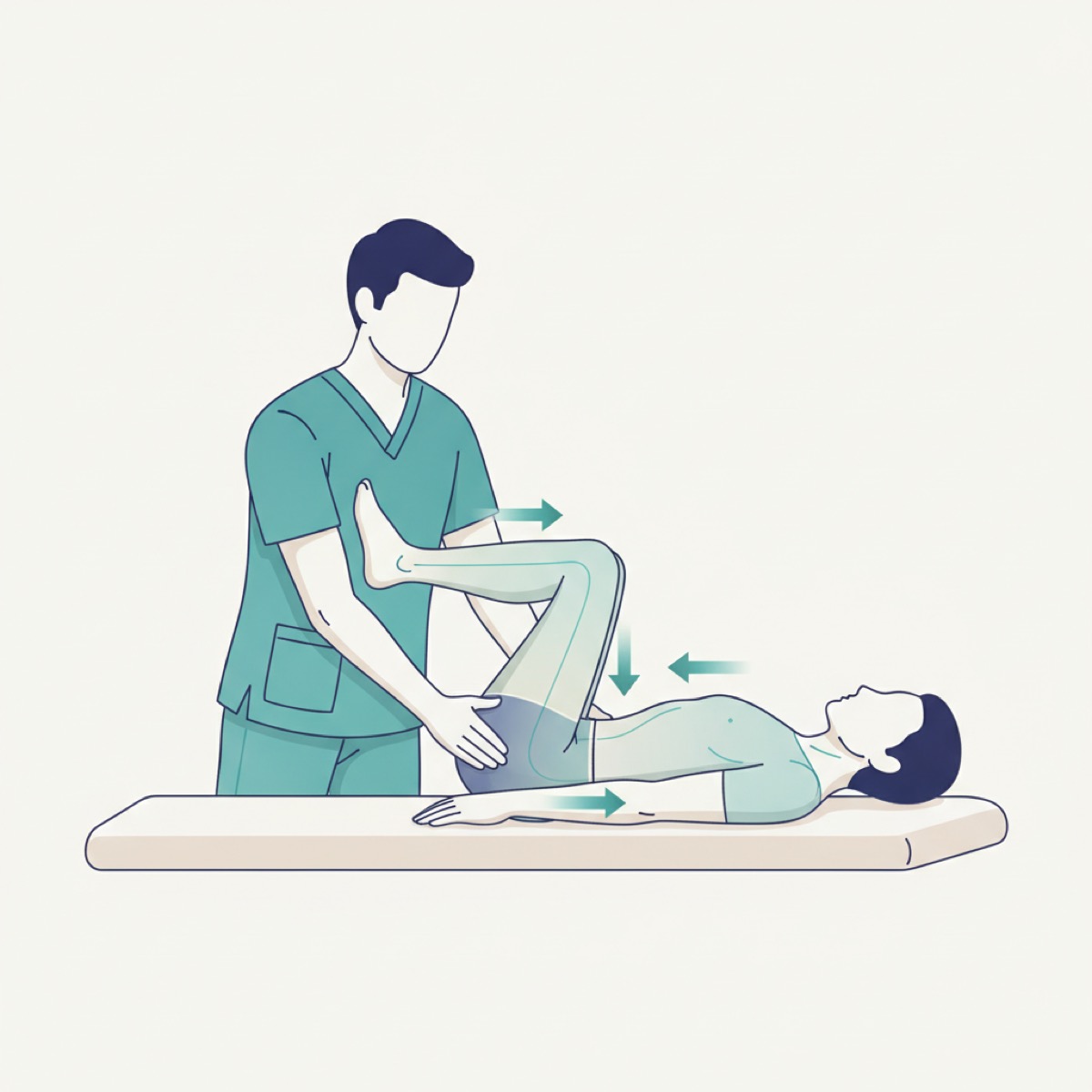
Once a pelvic dysfunction (e.g., restricted PSIS mobility) is identified, the next critical step is to determine if this dysfunction is directly contributing to the patient's low back pain. This is achieved through a targeted pain provocation test, often performed with the patient in a prone position.
The clinician gently stabilizes or "engages" the identified restricted PSIS, applying a specific pressure or support. While maintaining this stabilization, the patient is asked to perform movements that typically provoke their low back pain, such as gentle lumbar extension or rotation. If stabilizing the pelvis immediately reduces their pain or improves their range of motion, it provides strong evidence that the pelvic dysfunction is a primary driver of their symptoms [5]. This immediate, positive feedback empowers both the clinician and the patient.
It is paramount for clinicians to practice this "stimulus and response" pain provocation method on healthy individuals first. Developing a keen sense of touch and understanding normal responses is essential. Without this foundational skill, accurately assessing complex, chronic low back pain patients and linking their symptoms to pelvic dysfunction through manual evaluation becomes incredibly challenging, if not impossible [6].
Frequently asked questions
Is pelvic assessment crucial for all low back pain? — While not all low back pain originates from the pelvis, a significant percentage of cases have a pelvic component, particularly involving the sacroiliac joint or surrounding fascia. A thorough pelvic assessment helps clinicians differentiate these cases from purely lumbar spine issues, leading to more targeted and effective treatment plans.
How does fascial health relate to pelvic mobility and low back pain? — The fascial network intimately connects the pelvis to the lumbar spine, hips, and lower extremities. Restrictions in the deep fascial layers around the pelvis or along major fascial lines (like the thoracolumbar fascia) can directly impair pelvic mobility, alter biomechanics, and contribute to chronic low back pain. Addressing these fascial restrictions is often a key part of comprehensive treatment strategies.
What are the benefits of this "stimulus and response" approach? — This method provides immediate, objective feedback on joint and tissue mobility, helping clinicians quickly identify specific dysfunctions. It also allows for rapid confirmation of the link between a specific pelvic restriction and the patient's pain, guiding more targeted and effective treatment strategies that move beyond generic techniques.
References
- [1]Tracey KJ. The inflammatory reflex. Nature. 2002;420(6917):853–859.
- [2]Mayer EA. Gut feelings: the emerging biology of gut–brain communication. Nat Rev Neurosci. 2011;12(8):453–466.
- [3]Cryan JF, Dinan TG. Mind-altering microorganisms: the impact of the gut microbiota on brain and behaviour. Nat Rev Neurosci. 2012;13(10):701–712.
- [4]Guo R, Chen LH, Xing C, Liu T. Pain regulation by gut microbiota: molecular mechanisms and therapeutic potential. Br J Anaesth. 2019;123(5):637–654.
- [5]Ricciotti E, FitzGerald GA. Prostaglandins and inflammation. Arterioscler Thromb Vasc Biol. 2011;31(5):986–1000.
- [6]Salehi B, Venditti A, Sharifi-Rad M, et al. The therapeutic potential of apigenin. Int J Mol Sci. 2019;20(6):1305.
Related videos
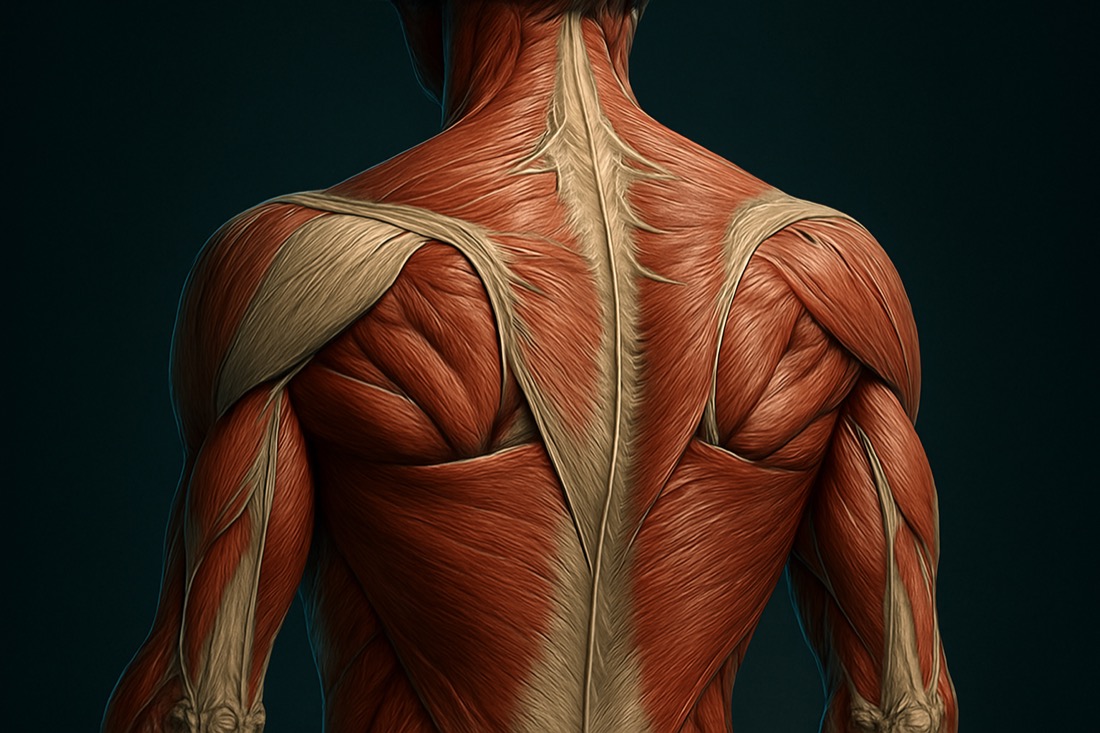
Palpation X-Ray #84 | Is the Sacrum Really a Flat Plate? It's a Wedge, Wide at the Top and Narrowing Downward — Trace Down from the Lumbar Spine and Confirm at Gluteus Maximus
0:56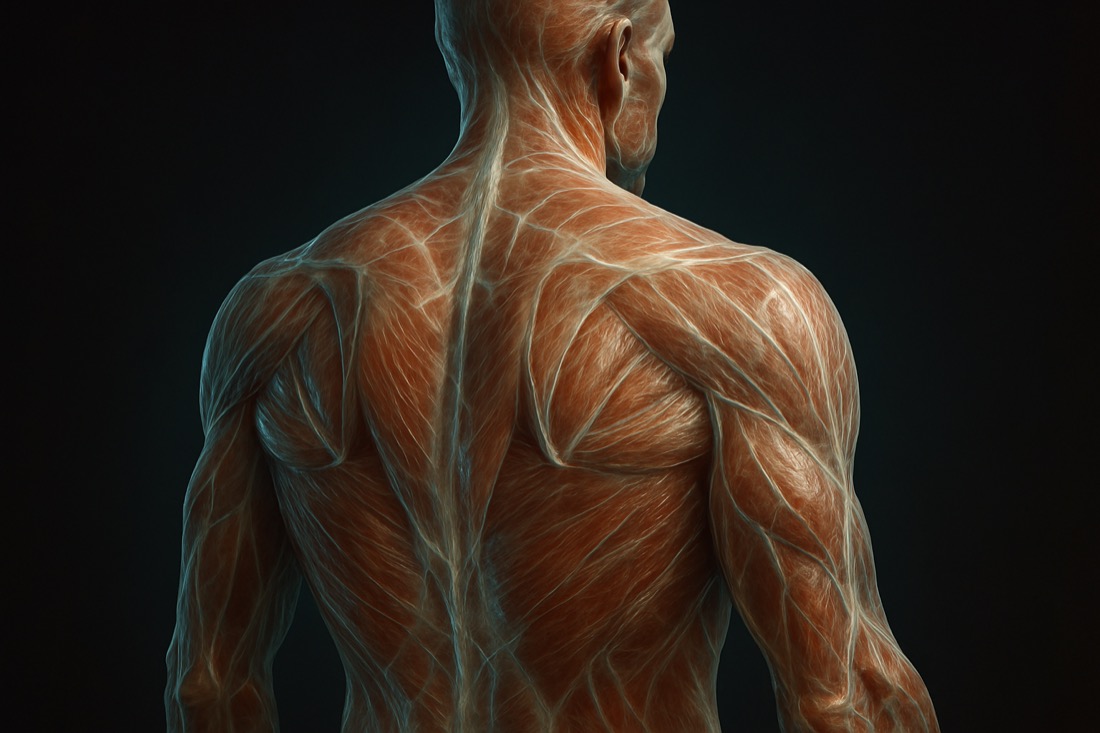
Dramatic Improvement in One Session: Manual Approach to the Pelvic Girdle, with Palpation of Anatomical Landmarks and Movement Assessment Before and After (Hands-On Demo)
5:48