Instant Relief for Shoulder Pain from Car Accidents
Original title (JP): 交通事故の肩の痛みを一発で治す動画

Supervised by
Shogo Fujii
Physiotherapist (PT) · Founder of the SHOGO FUJII® FASCIA METHOD
View profile →Clinical Article · 5 min read
If you're struggling with shoulder pain after a car accident, understanding fascia release techniques may offer relief. This article explores how fascia therapy can address pain linked to fascia tension, providing insights into the interconnected nature of our body's structures.
Why does shoulder pain persist after a car accident?
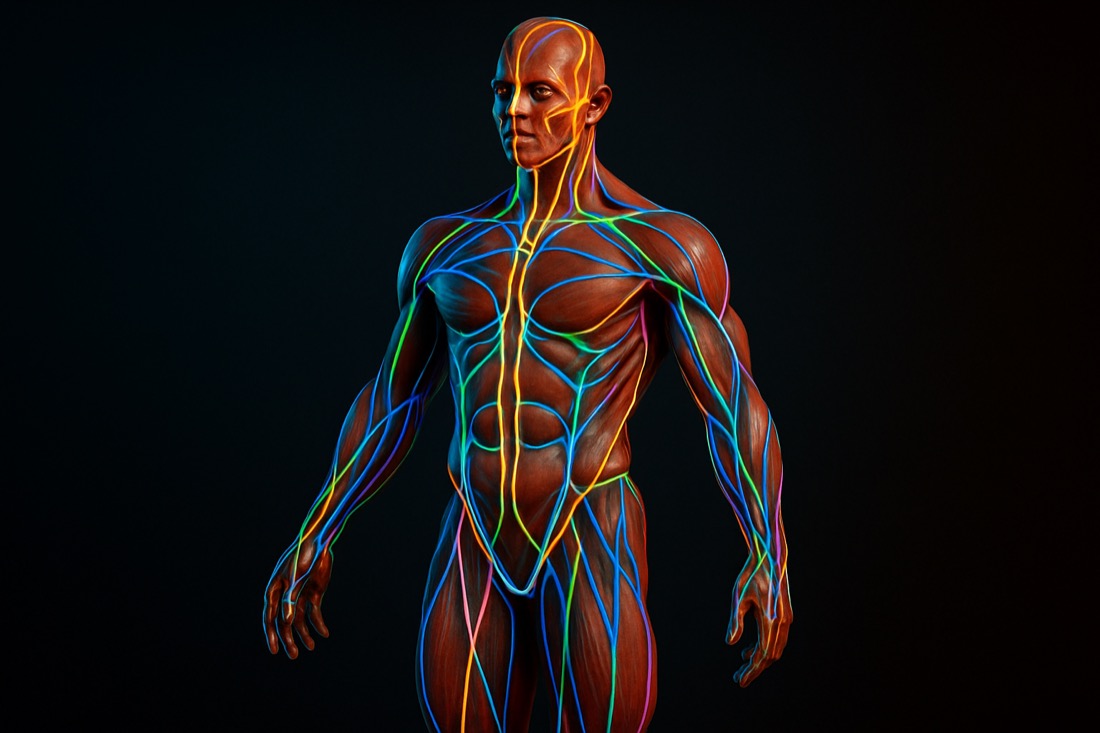
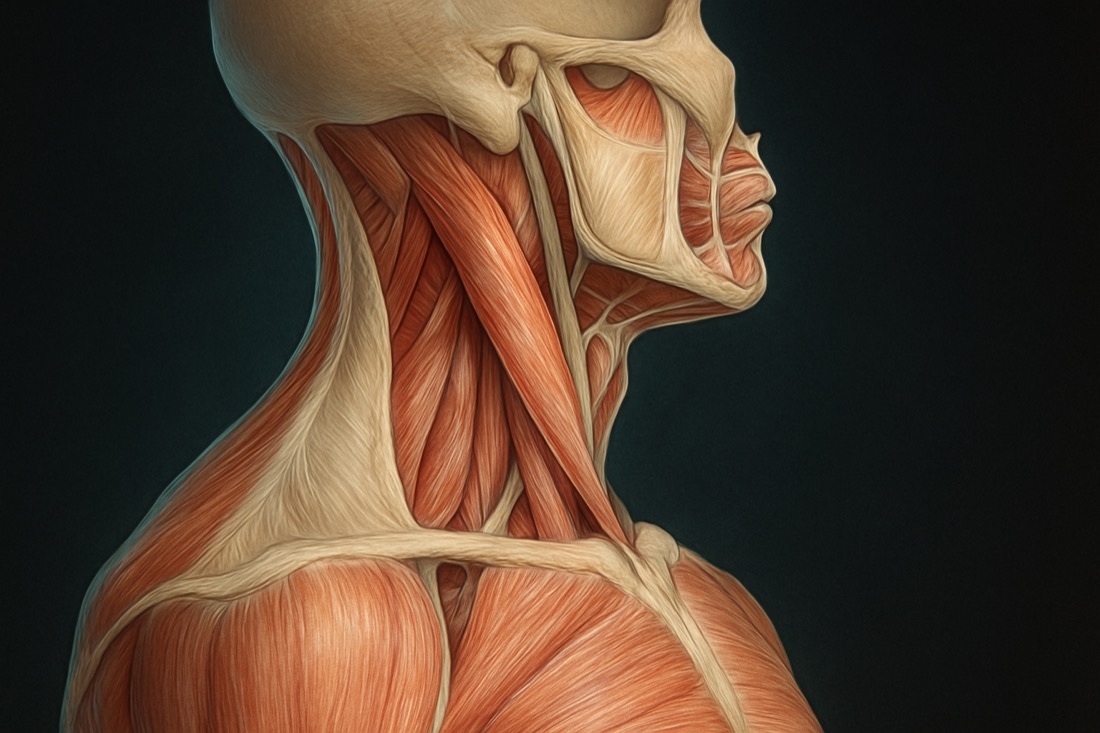
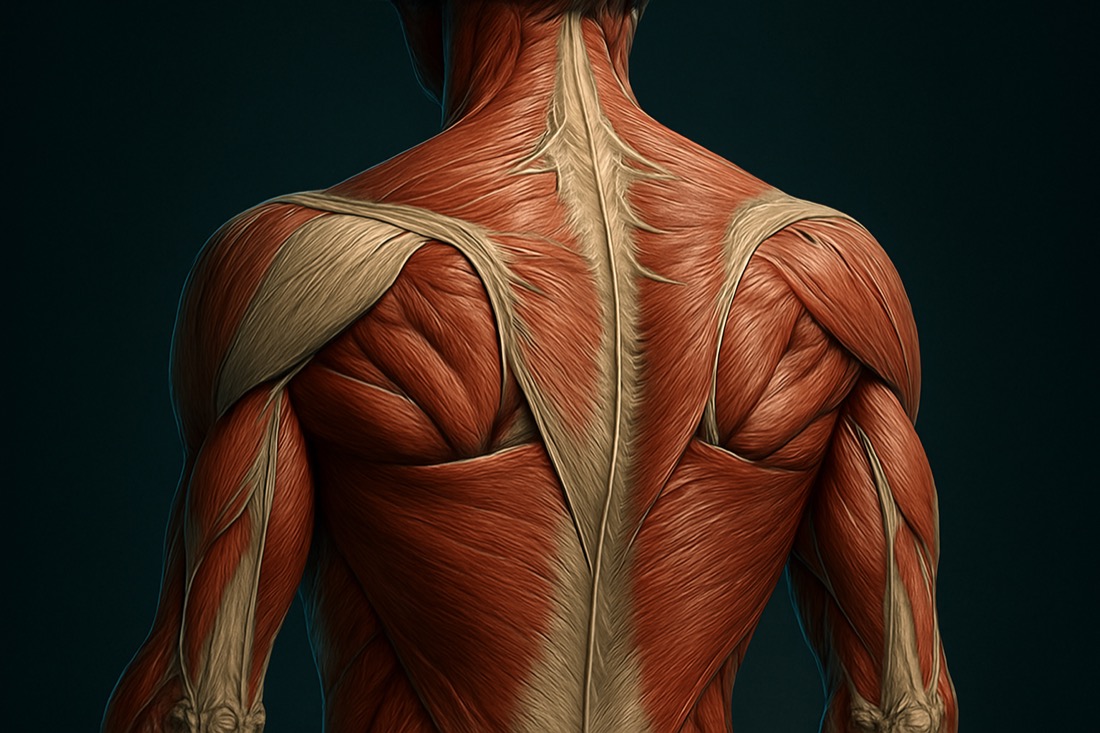
Shoulder pain following a car accident can often be attributed to the impact's effect on the body's fascia, the connective tissue that surrounds muscles and organs. The sudden force can lead to tension and misalignment in the fascia, contributing to lingering discomfort.
Fascia is a crucial component of our musculoskeletal system, and when it becomes tense or misaligned, it can restrict movement and cause pain. Understanding the role of fascia in post-accident injuries can be key to effective treatment [1].
How fascia release works for shoulder pain
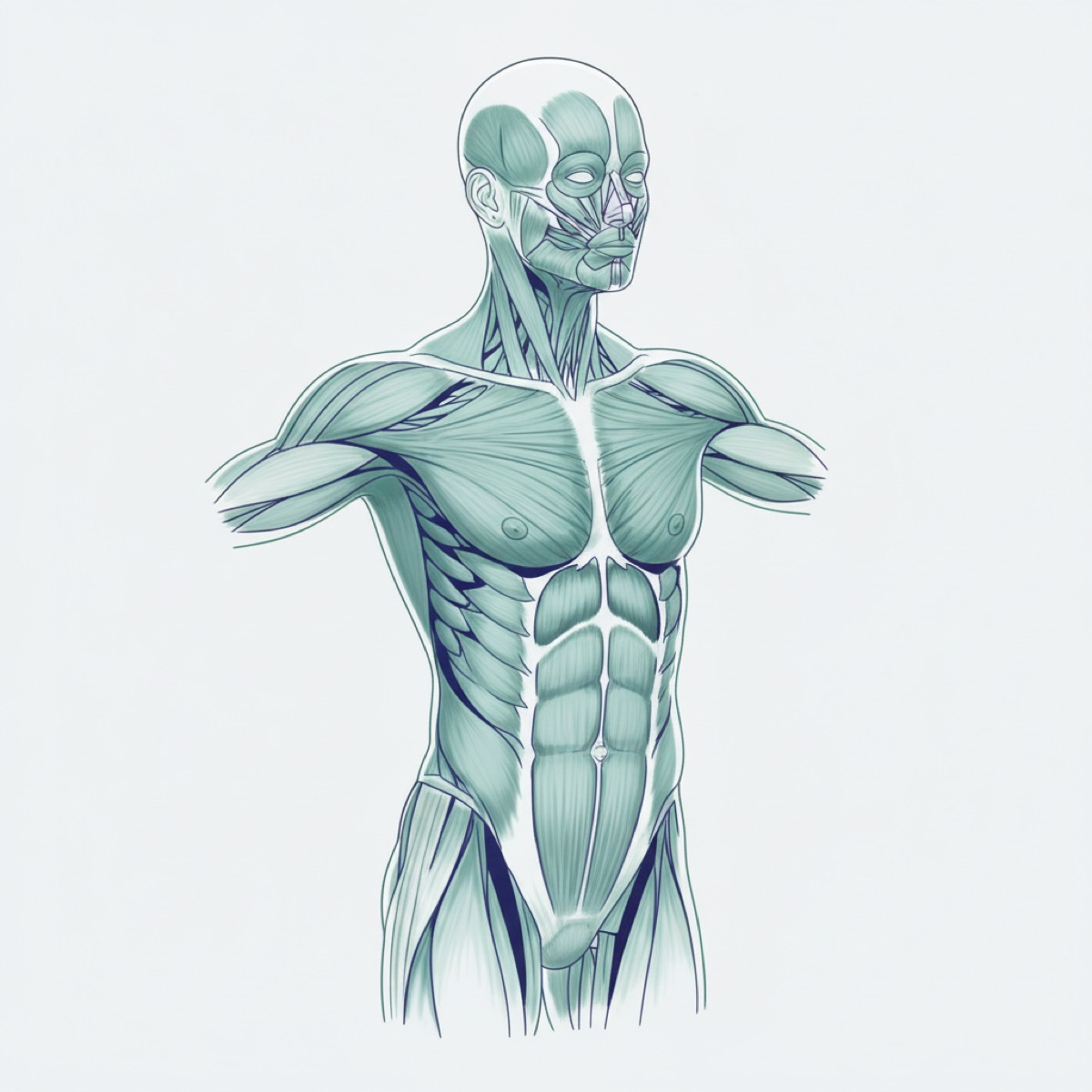
Fascia release involves techniques that aim to restore the natural alignment and flexibility of the fascia. By identifying areas of tension, practitioners can apply targeted pressure to release fascia restrictions, thus alleviating pain.
This method is particularly beneficial for shoulder pain as it addresses the root cause rather than just the symptoms. A skilled practitioner can observe movement patterns to pinpoint the exact location of fascia tension [2].
What to expect during a fascia therapy session
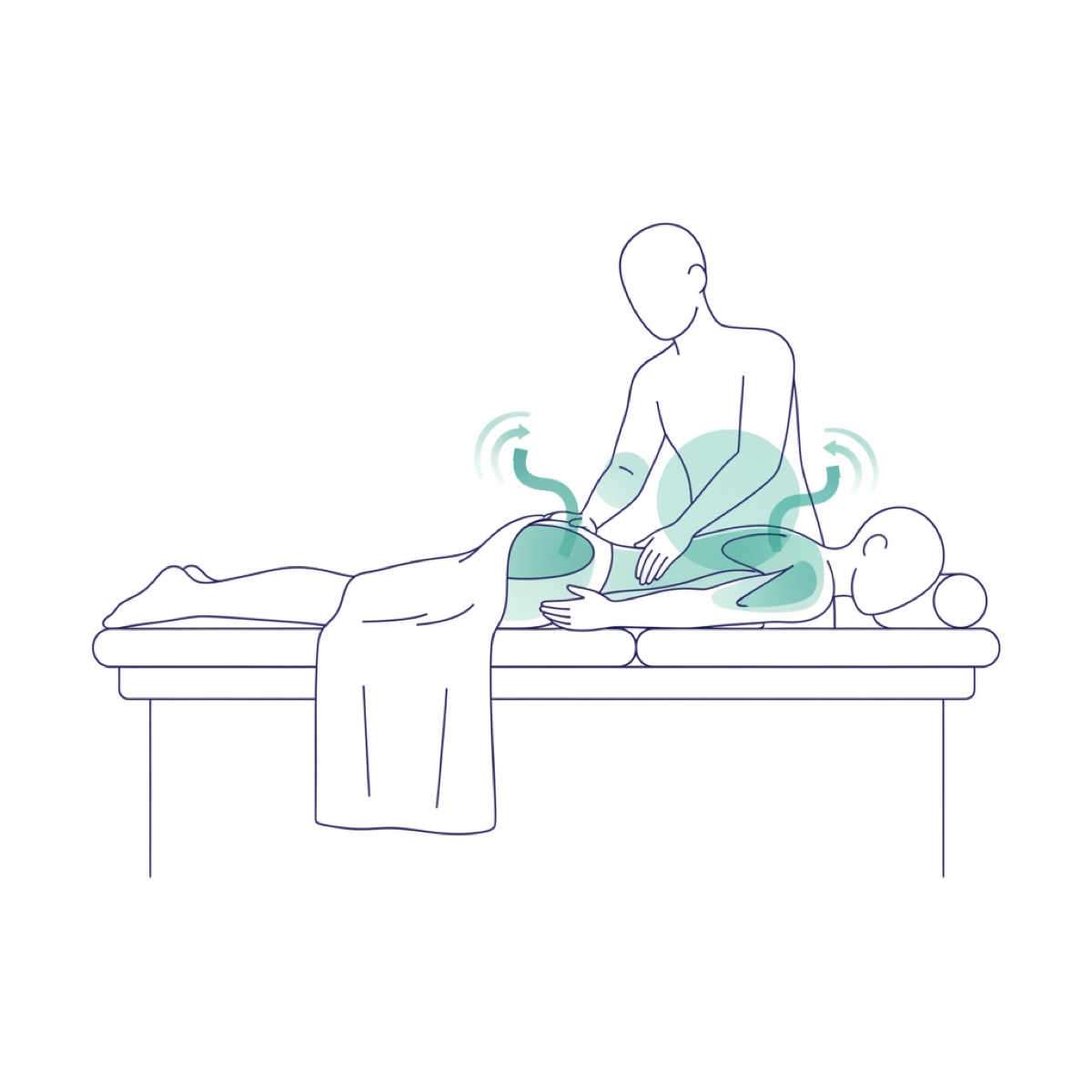
During a fascia therapy session, the practitioner will assess your movement and identify areas where the fascia may be contributing to pain. Techniques such as gentle pressure and guided movements are used to release tension.
Patients often report feeling a significant reduction in pain and an increase in mobility after a session. However, it's important to note that results can vary based on individual conditions and the severity of the injury [3].
How fascia release complements other treatments
Fascia release is often used in conjunction with other therapeutic modalities, such as physiotherapy or chiropractic care, to enhance overall treatment outcomes. It can help to prepare the body by reducing tension, allowing other treatments to be more effective.
Incorporating fascia release into a comprehensive treatment plan can provide a holistic approach to healing, addressing both physical and functional aspects of recovery [4][5].

Frequently asked questions
Is fascia release safe? — Yes, fascia release is generally safe when performed by a trained practitioner. It is a non-invasive technique that focuses on restoring natural body function [6].
How long does it take to see results? — Results can vary, but many patients experience relief after just a few sessions. Consistency and adherence to a treatment plan are key.
Can I do fascia release at home? — While some techniques can be practiced at home, it's essential to consult with a professional to ensure proper technique and to address specific pain points effectively.
References
- [1]Zügel M, Maganaris CN, Wilke J, et al. Fascial tissue research in sports medicine: from molecules to tissue adaptation, injury and diagnostics: consensus statement. Br J Sports Med. 2018;52(23):1497.
- [2]Klingler W, Velders M, Hoppe K, Pedro M, Schleip R. Clinical relevance of fascial tissue and dysfunctions. Curr Pain Headache Rep. 2014;18(8):439.
- [3]Wilke J, Vogt L, Niederer D, Banzer W. Is remote stretching based on myofascial chains as effective as local exercise? A randomised-controlled trial. J Sports Sci. 2017;35(20):2021–2027.
- [4]Palomeque-del-Cerro L, Arráez-Aybar LA, Rodríguez-Blanco C, et al. A systematic review of the soft-tissue connections between neck muscles and dura mater: the myodural bridge. Spine. 2017;42(1):49–54.
- [5]Woolf CJ. Central sensitization: implications for the diagnosis and treatment of pain. Pain. 2011;152(3 Suppl):S2–S15.
- [6]Tracey KJ. The inflammatory reflex. Nature. 2002;420(6917):853–859.