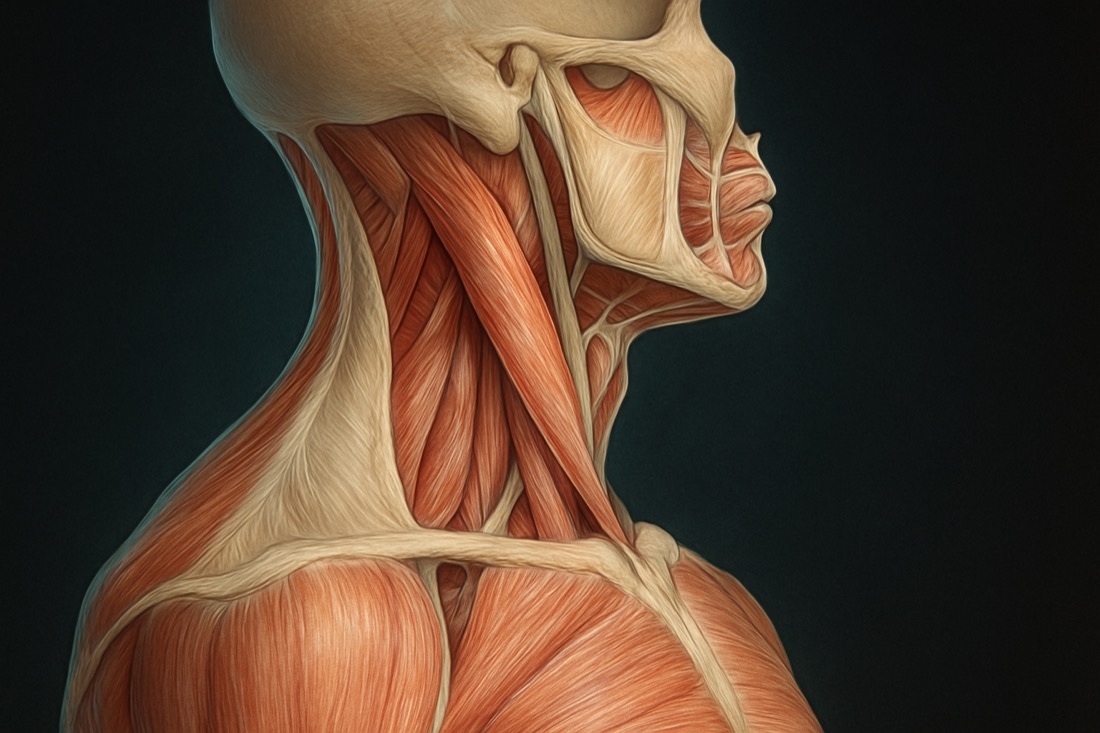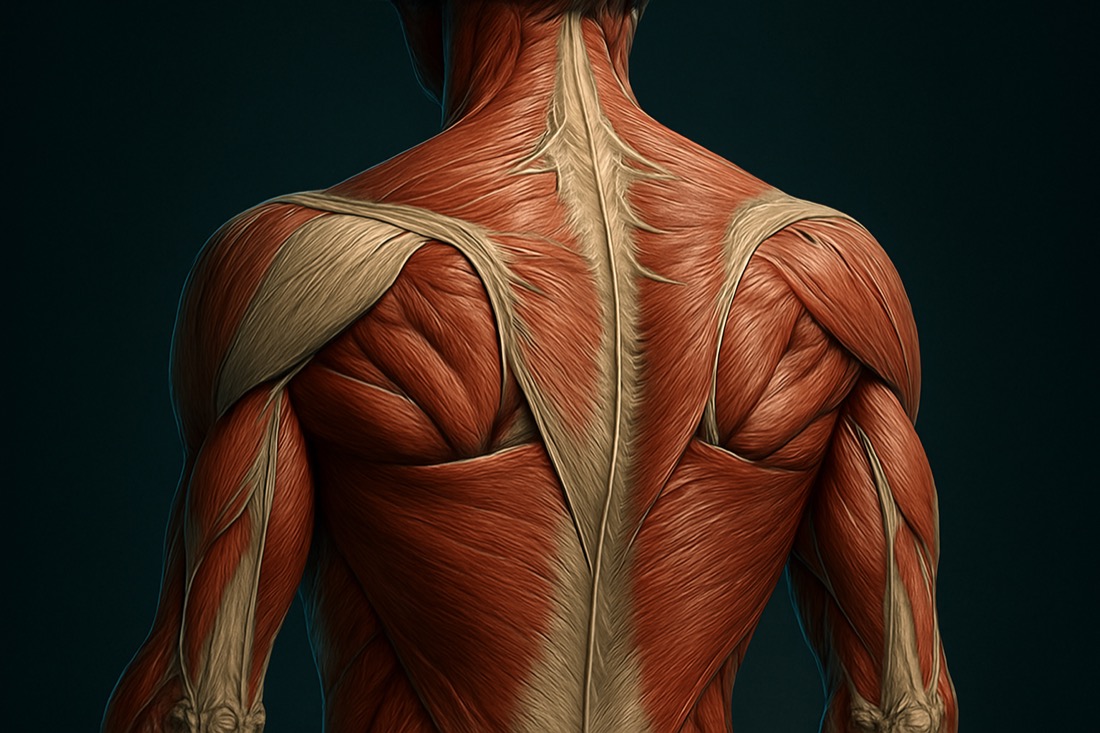
Transform Your Practice: Adjusting the Spine to Alleviate Facial Asymmetry and Headaches
Original title (JP): 【超有料級】背骨の調整で顔の歪みをなくし、頭痛を治し、小顔に調整する魔法の手技をどうぞ!

Supervised by
Shogo Fujii
Physiotherapist (PT) · Founder of the SHOGO FUJII® FASCIA METHOD
View profile →Clinical Article · 5 min read
Fascia release for low back pain is not just about alleviating discomfort in the lumbar region; it also holds potential for improving facial symmetry and reducing headaches. Shogo Fujii demonstrates how targeted spinal adjustments can lead to noticeable changes in posture and appearance. This holistic approach integrates anatomy insights and practical techniques to offer relief and enhance well-being.
How can fascia release alleviate facial asymmetry?
Fascia release techniques, particularly those involving spinal adjustments, can significantly impact facial asymmetry. By focusing on the spine, especially the thoracic vertebrae, tension in the fascia can be released, resulting in a more balanced facial structure. This is because the spine plays a crucial role in supporting overall body alignment, which directly affects facial muscles.
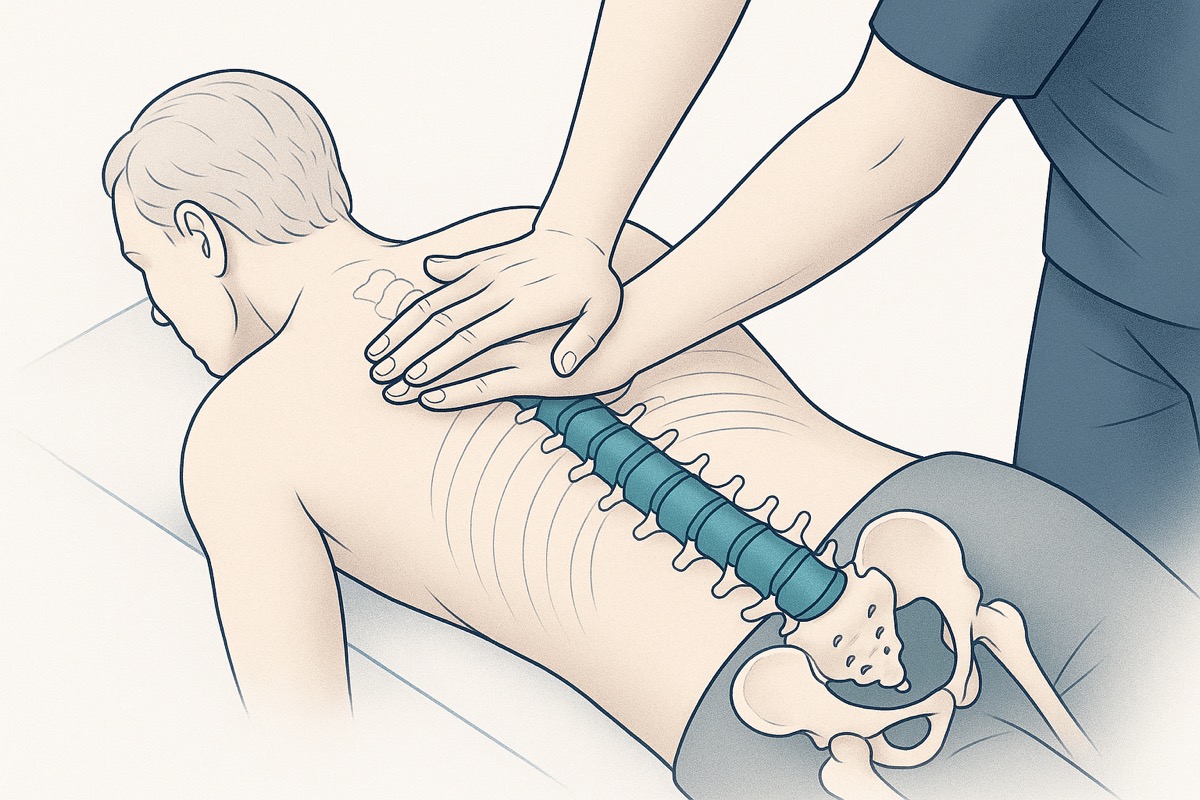
During a session, practitioners assess the spinous processes of the thoracic spine to identify areas of tension. By releasing tension in these areas, not only is posture improved, but facial muscles also relax, leading to noticeable changes in symmetry. These adjustments are supported by targeting associated muscles like the teres minor and triceps, enhancing the overall therapeutic effect.
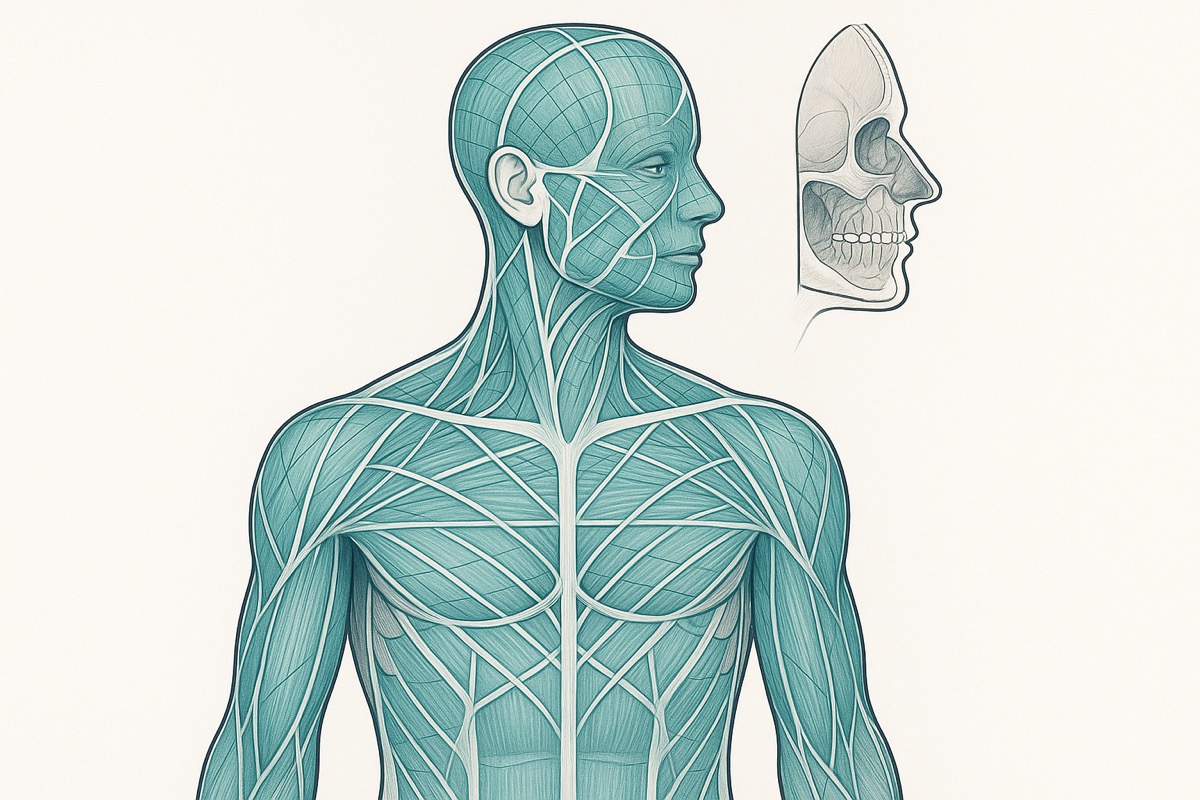
Why does low back pain affect headaches?
Low back pain can be a contributing factor to headaches due to the interconnectedness of the body's fascia system. When the lower back is misaligned, it can cause tension to radiate upwards through the spinal column, affecting neck and head posture. This tension can manifest as headaches, as the fascia in the neck and head becomes strained.
Addressing low back pain through fascia release can alleviate this tension, reducing the frequency and intensity of headaches. By ensuring the spine is properly aligned, the entire fascia network can function more smoothly, minimizing undue stress on the cranial region.
What techniques are used for effective spine adjustments?
Effective spine adjustments for fascia release involve a combination of palpation and muscle engagement. Practitioners begin by assessing the spine’s spinous processes to locate areas of resistance or stiffness. This evaluation is crucial for understanding where the fascia is most tense.
Once identified, techniques such as gentle pressure and targeted muscle activation are applied. Muscles like the latissimus dorsi are engaged to facilitate the release of tension. This approach not only improves spinal movement but also enhances overall body alignment, contributing to better posture and reduced asymmetry.
How can lifestyle changes support fascia health?
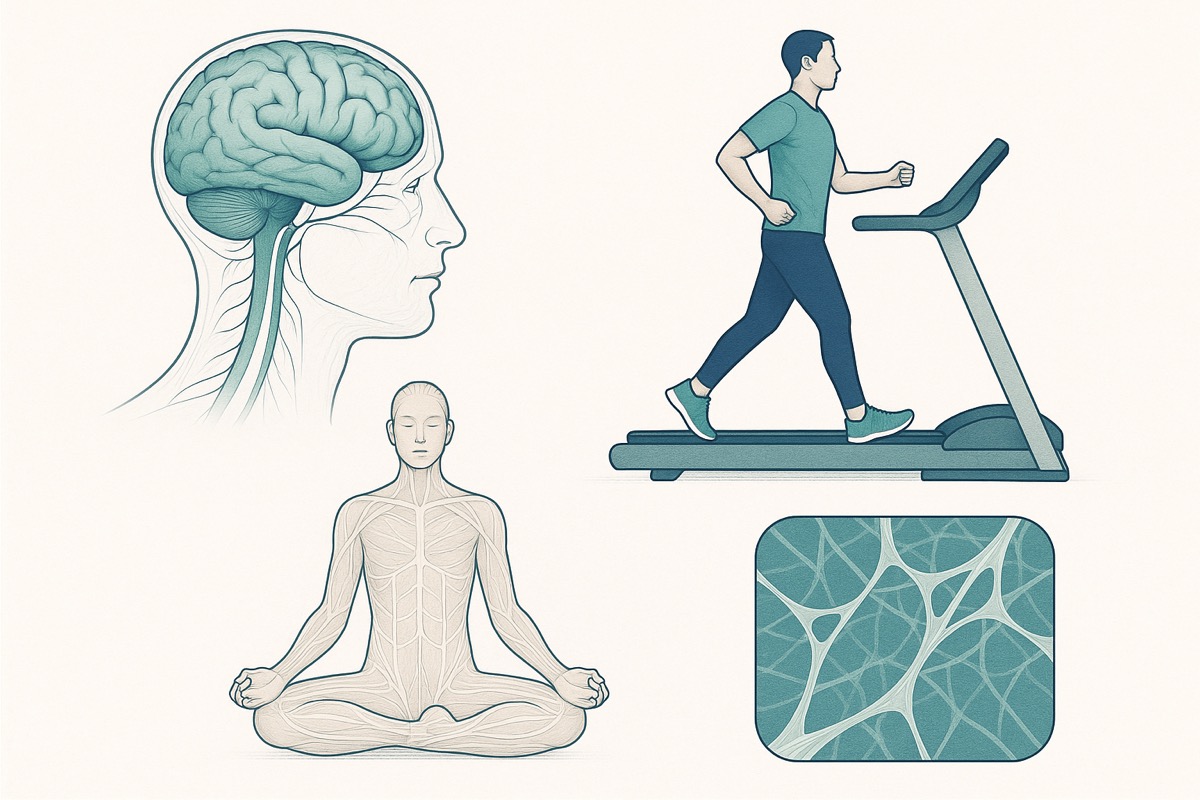
Incorporating lifestyle changes can significantly support the health of your fascia. Regular physical activity, especially exercises that promote flexibility and strength, can help maintain a healthy fascia system. Activities like yoga or pilates are particularly beneficial as they encourage full-body movement and fascia stretching.
Additionally, managing stress through mindfulness or spending time in nature can positively impact fascia health. Stress often leads to muscle tension, which affects fascia function. By reducing stress, you can promote a more relaxed and resilient fascia structure, supporting overall well-being.
Frequently asked questions
Is fascia release safe? — Yes, when performed by trained practitioners, fascia release is generally safe. It involves gentle techniques aimed at improving fascia function and alleviating tension.
Can fascia release help with chronic headaches? — Fascia release can be beneficial for chronic headaches, especially if they are related to muscle tension or misalignment in the spine. It is important to consult with a healthcare provider to determine the underlying cause of headaches.
How often should one undergo fascia release therapy? — The frequency of fascia release therapy can vary based on individual needs and conditions. It is recommended to discuss a suitable plan with your therapist, which could range from weekly to monthly sessions depending on your goals.
References
- [1]Wilke J, Krause F, Vogt L, Banzer W. What Is Evidence-Based About Myofascial Chains? A Systematic Review. Arch Phys Med Rehabil. 2016;97(3):454–461.
- [2]Krause F, Wilke J, Vogt L, Banzer W. Intermuscular force transmission along myofascial chains: a systematic review. J Anat. 2016;228(6):910–918.
- [3]Stecco C, Stern R, Porzionato A, et al. Hyaluronan within fascia in the etiology of myofascial pain. Surg Radiol Anat. 2011;33(10):891–896.
- [4]Ajimsha MS, Al-Mudahka NR, Al-Madzhar JA. Effectiveness of myofascial release: a systematic review of randomized controlled trials. J Bodyw Mov Ther. 2015;19(1):102–112.
- [5]Tozzi P, Bongiorno D, Vitturini C. Fascial release effects on patients with non-specific cervical or lumbar pain. J Bodyw Mov Ther. 2011;15(4):405–416.
- [6]Zügel M, Maganaris CN, Wilke J, et al. Fascial tissue research in sports medicine: from molecules to tissue adaptation, injury and diagnostics: consensus statement. Br J Sports Med. 2018;52(23):1497.