Evidence-Based Fascia Release Techniques for Lower Back Pain Relief
Original title (JP): 医学的に認められた、腰痛改善の筋膜リリース #筋膜 #美容 #藤井翔悟 #治し方 #腰痛改善

Supervised by
Shogo Fujii
Physiotherapist (PT) · Founder of the SHOGO FUJII® FASCIA METHOD
View profile →Clinical Article · 5 min read
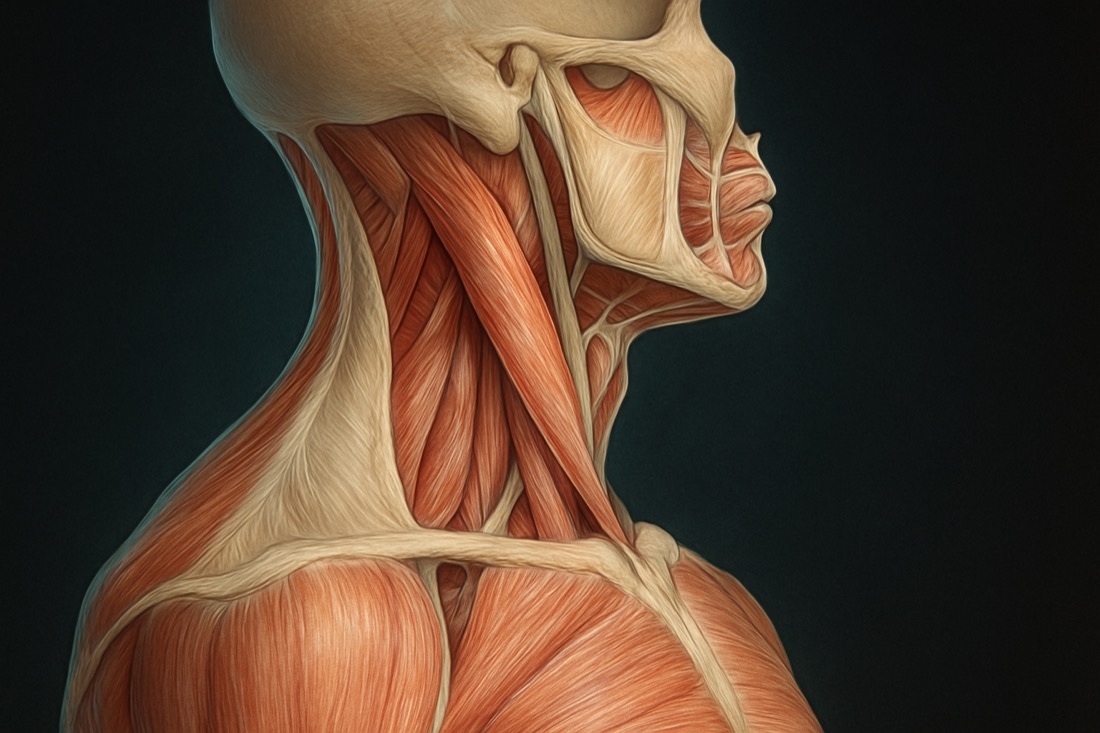
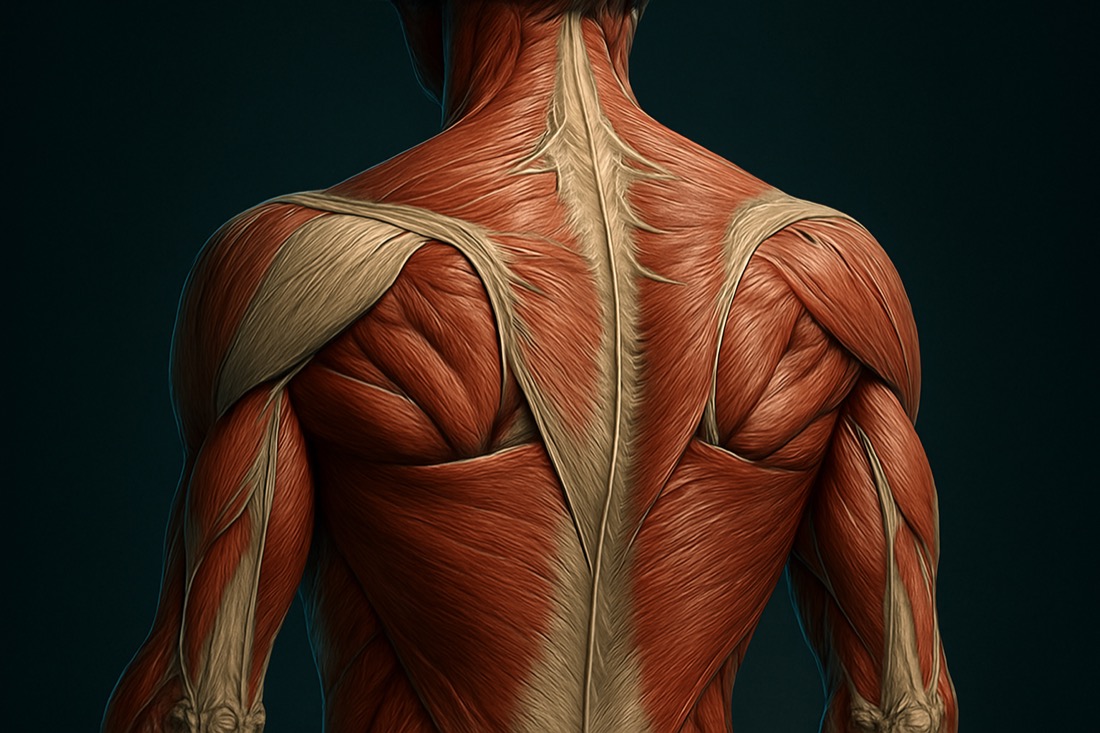
Fascia release for low back pain is gaining attention for its potential to alleviate discomfort and improve mobility. Clinicians and informed patients seek effective methods to address this common issue. In this article, we explore evidence-based techniques that target fascia tension, aiming to enhance overall well-being and facilitate deeper breathing.
How does fascia release alleviate low back pain?
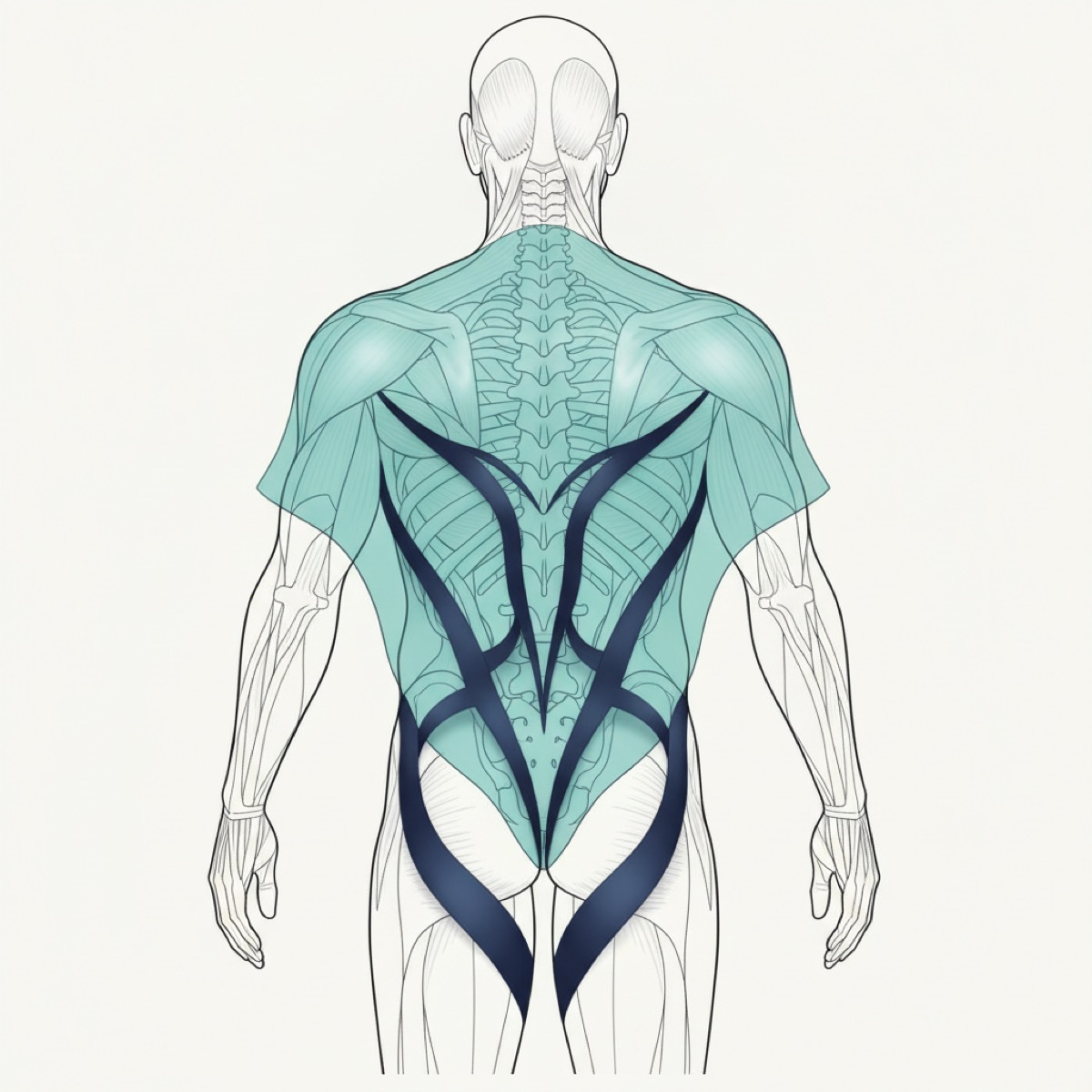
Fascia release techniques work by targeting the connective tissues that envelop muscles and organs. By manipulating these tissues, practitioners can reduce tension and improve blood flow, which may contribute to pain relief and enhanced mobility [1]. In the case of low back pain, specific techniques focus on the PSIS (posterior superior iliac spine) and surrounding areas to promote relaxation and alignment.
During fascia release sessions, patients often report feeling a sense of deep relaxation and an increase in their breathing capacity. This change is attributed to the loosening of tight fascial structures, which can otherwise restrict movement and cause discomfort [2].
What are the benefits of fascia release for the lower back?
Fascia release for the lower back offers several potential benefits, including reduced pain, improved posture, and enhanced flexibility. Techniques that involve gentle pressure and stretching can help realign the pelvis and lower spine, contributing to a more balanced posture [3].
Patients often notice a decrease in muscle stiffness and an improvement in their overall range of motion. This can be particularly beneficial for individuals who experience chronic low back pain due to prolonged sitting or physical strain [4].
How are fascia release techniques performed?
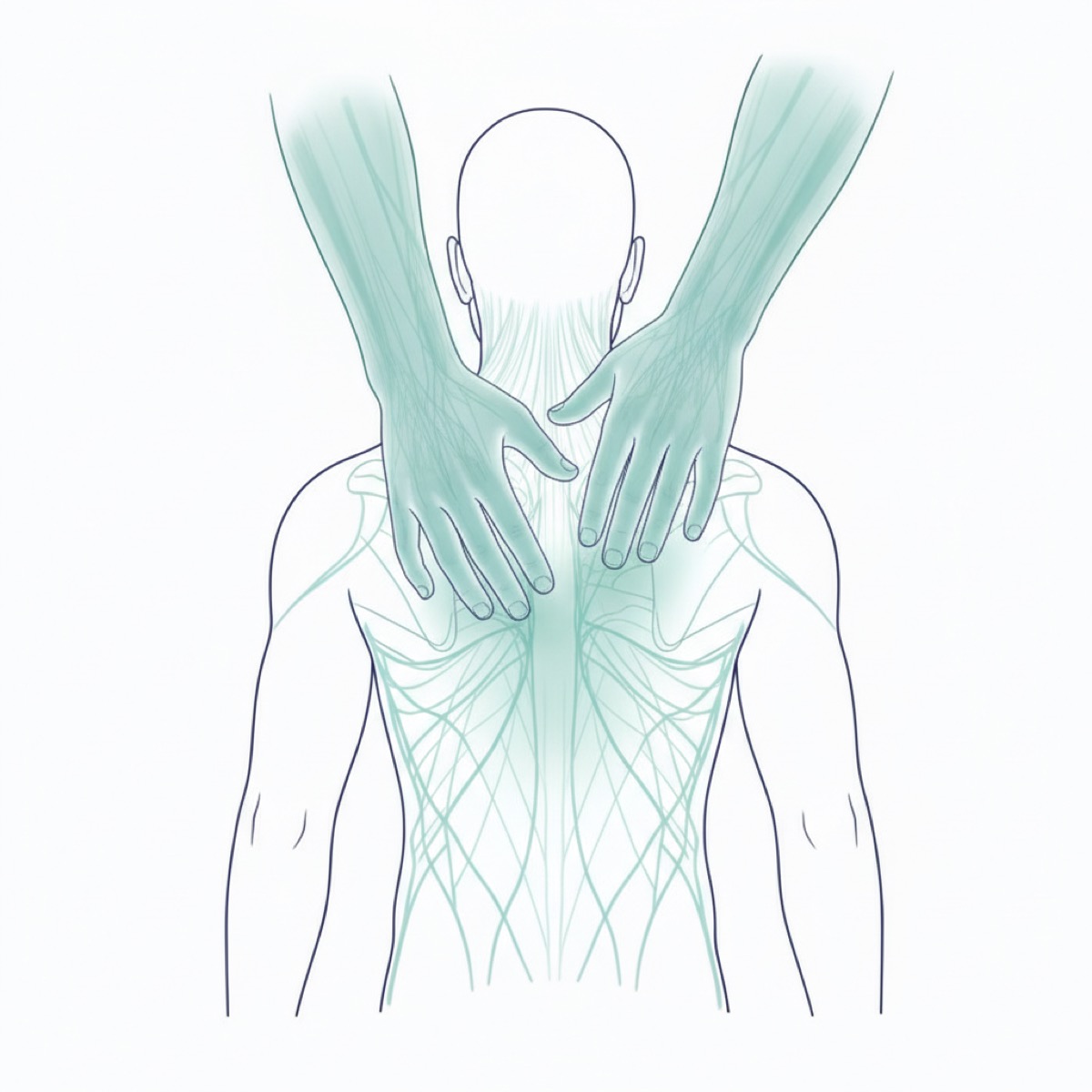
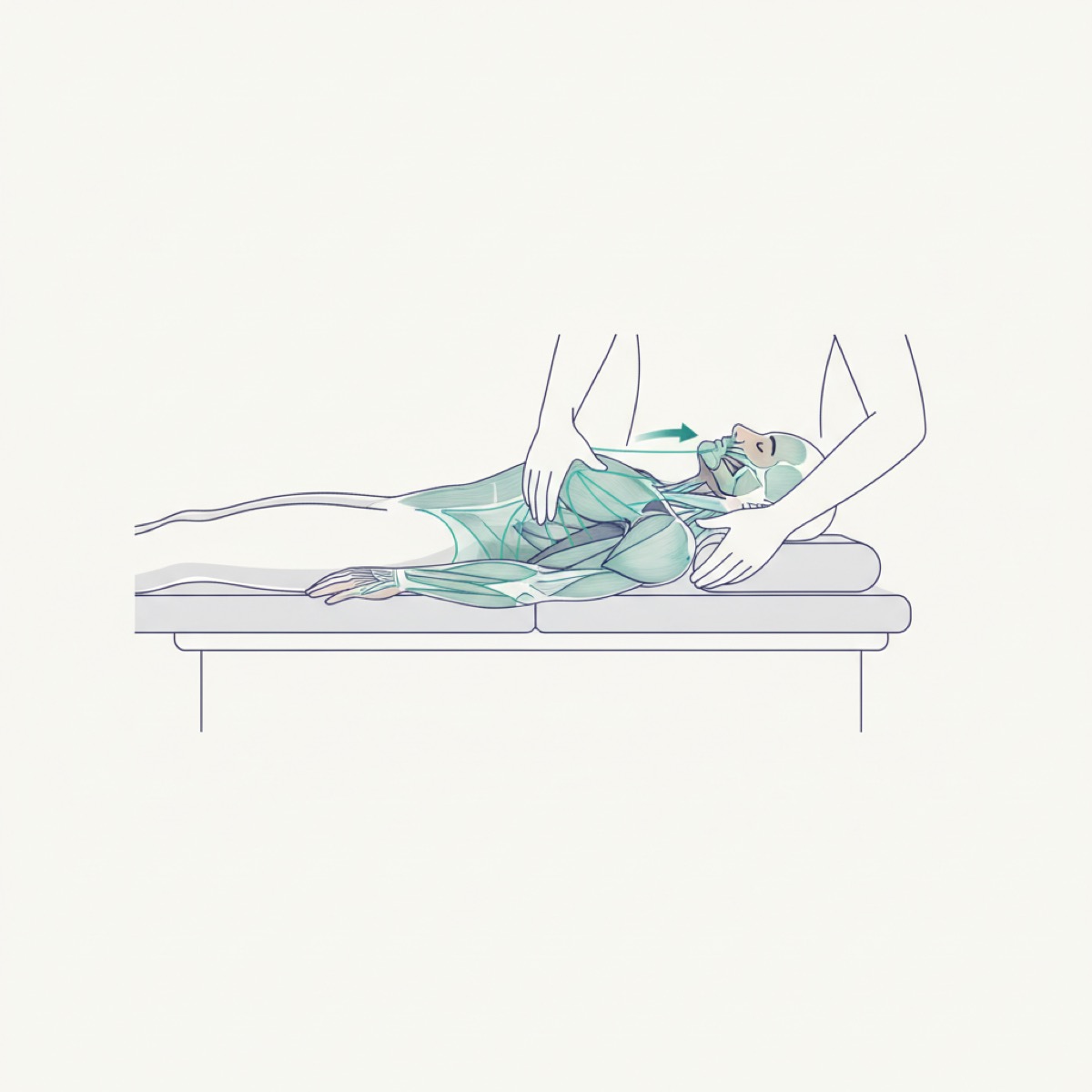
Fascia release techniques involve the application of sustained pressure and movement to specific body areas. Practitioners may use their hands or specialized tools to apply pressure to the lower back, targeting areas like the PSIS and lumbar region [5].
The process may also involve gentle rocking or oscillation to encourage the fascia to release tension. This method can be particularly effective in addressing asymmetries in the body, such as uneven pelvic alignment or muscle imbalances [6].
What should you expect during a fascia release session?
During a fascia release session, patients can expect a hands-on approach where the therapist applies targeted pressure to specific areas of the lower back. The session is usually tailored to the individual's needs, focusing on areas of tension and discomfort.
Patients often report immediate sensations of relief and relaxation, although the full benefits may become more apparent over time. It's important to approach these sessions with an open mind and to communicate with the therapist about any discomfort experienced during the process.
Frequently asked questions
Is fascia release safe? — Fascia release is generally considered safe when performed by a trained professional. It is important to ensure that the practitioner is certified and experienced in these techniques.
How often should I have fascia release sessions? — The frequency of sessions can vary depending on individual needs and the severity of symptoms. Some may benefit from weekly sessions, while others might find relief with less frequent visits.
Can fascia release help with other types of pain? — Yes, fascia release can be beneficial for various types of musculoskeletal pain, including neck, shoulder, and hip discomfort. It is always advisable to consult with a healthcare professional to determine the best approach for your specific condition.
References
- [1]Palomeque-del-Cerro L, Arráez-Aybar LA, Rodríguez-Blanco C, et al. A systematic review of the soft-tissue connections between neck muscles and dura mater: the myodural bridge. Spine. 2017;42(1):49–54.
- [2]Woolf CJ. Central sensitization: implications for the diagnosis and treatment of pain. Pain. 2011;152(3 Suppl):S2–S15.
- [3]Tracey KJ. The inflammatory reflex. Nature. 2002;420(6917):853–859.
- [4]Mayer EA. Gut feelings: the emerging biology of gut–brain communication. Nat Rev Neurosci. 2011;12(8):453–466.
- [5]Cryan JF, Dinan TG. Mind-altering microorganisms: the impact of the gut microbiota on brain and behaviour. Nat Rev Neurosci. 2012;13(10):701–712.
- [6]Guo R, Chen LH, Xing C, Liu T. Pain regulation by gut microbiota: molecular mechanisms and therapeutic potential. Br J Anaesth. 2019;123(5):637–654.