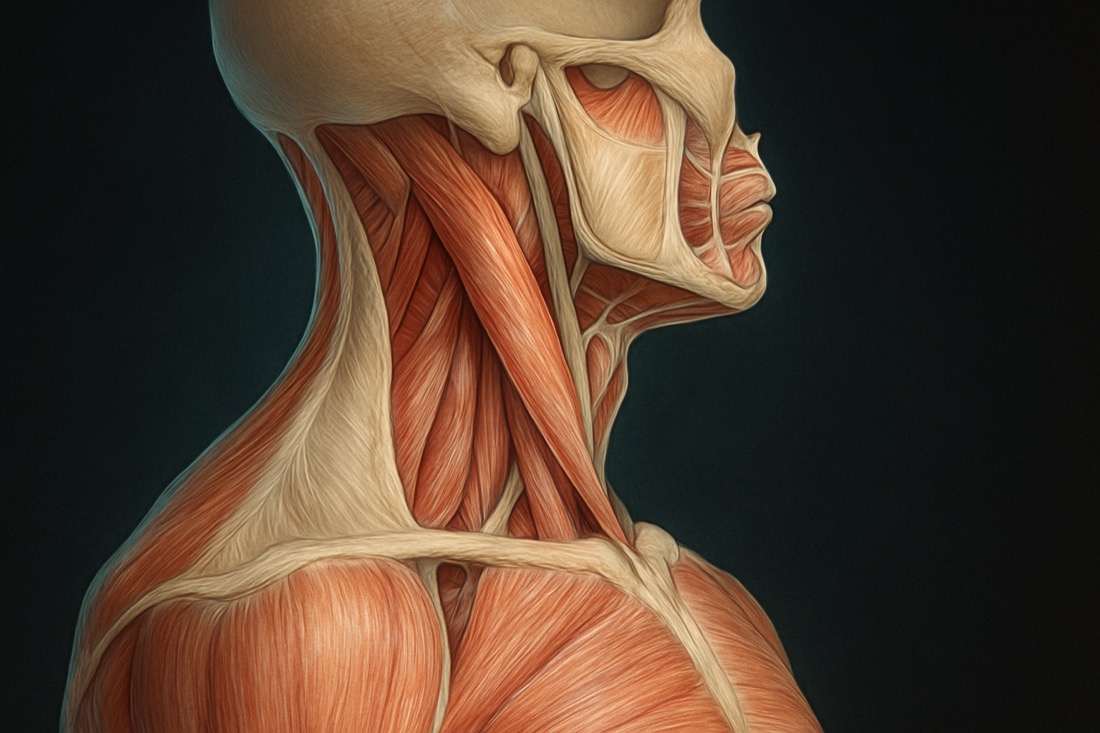
Instantly Fixing Neck and Shoulder Stiffness
Original title (JP): 首肩こりを一発で治す動画

Supervised by
Shogo Fujii
Physiotherapist (PT) · Founder of the SHOGO FUJII® FASCIA METHOD
View profile →Clinical Article · 5 min read
If you've been searching for effective fascia release techniques for low back pain, you're not alone. Many people find that traditional methods don't always provide the relief they need. However, Shogo Fujii's approach offers a unique perspective on easing tension and improving mobility through targeted muscle adjustments.
How does fascia release help with low back pain?
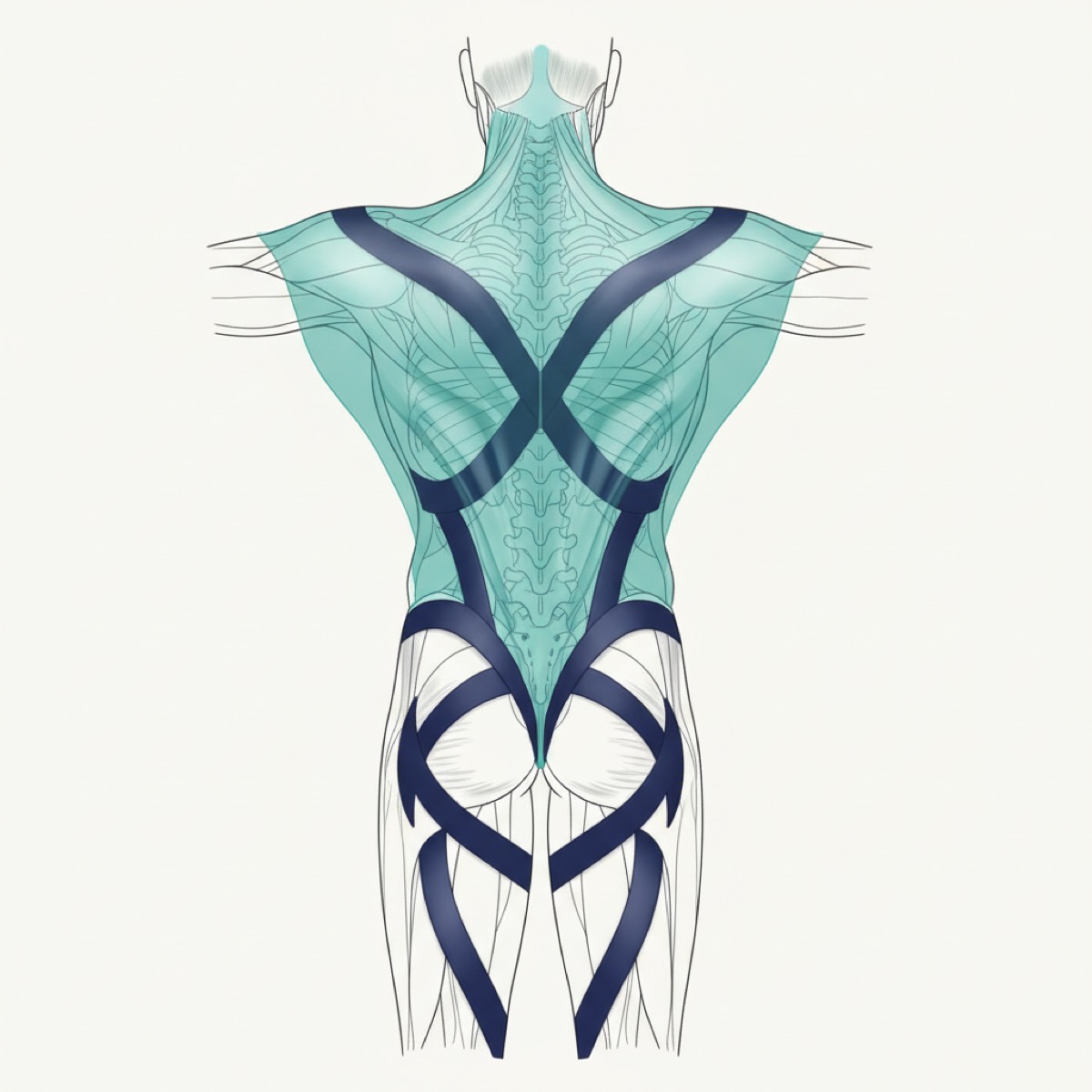
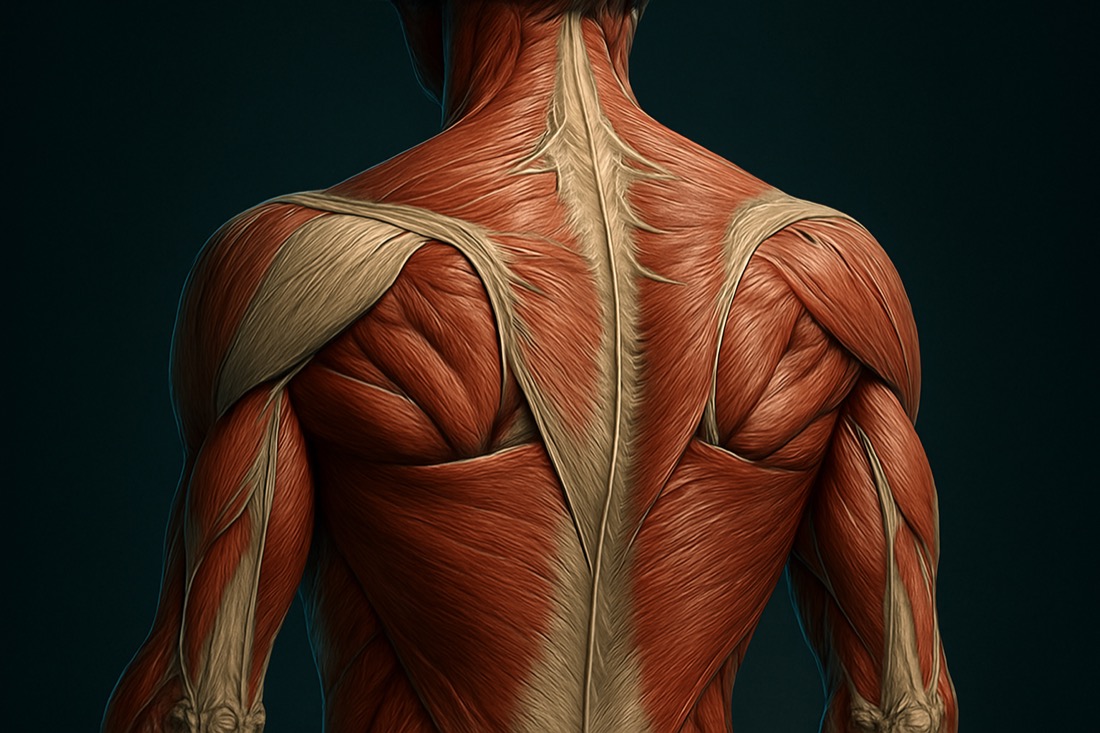
Fascia release can significantly improve mobility and reduce tension in the body. Shogo Fujii emphasizes the importance of targeting specific muscles, such as the teres minor and latissimus dorsi, to alleviate stiffness in the spine. By gently adjusting these muscles, the fascia becomes more pliable, which can lead to improved movement and reduced pain.
The key lies in understanding how these muscles interact with the spine. The teres minor, for example, plays a crucial role in shoulder extension and horizontal abduction, affecting the spine's flexibility. Similarly, the latissimus dorsi's connection to the upper arm can influence the spine's tension. By focusing on these areas, practitioners can offer significant relief to those suffering from low back pain.
Why might traditional treatments fail?
Traditional treatments often focus on the symptoms of pain rather than the underlying causes. This can lead to temporary relief but not a long-term solution. Shogo Fujii suggests that many practitioners overlook the importance of fascia and muscle interplay, which can be critical in addressing chronic issues.
Fujii's method does not rely on aggressive adjustments or manipulations. Instead, it emphasizes gentle, targeted techniques that address the root cause of tension. By understanding the body's natural mechanics, this approach can offer a more sustainable path to pain relief.
What are the steps in fascia release therapy?
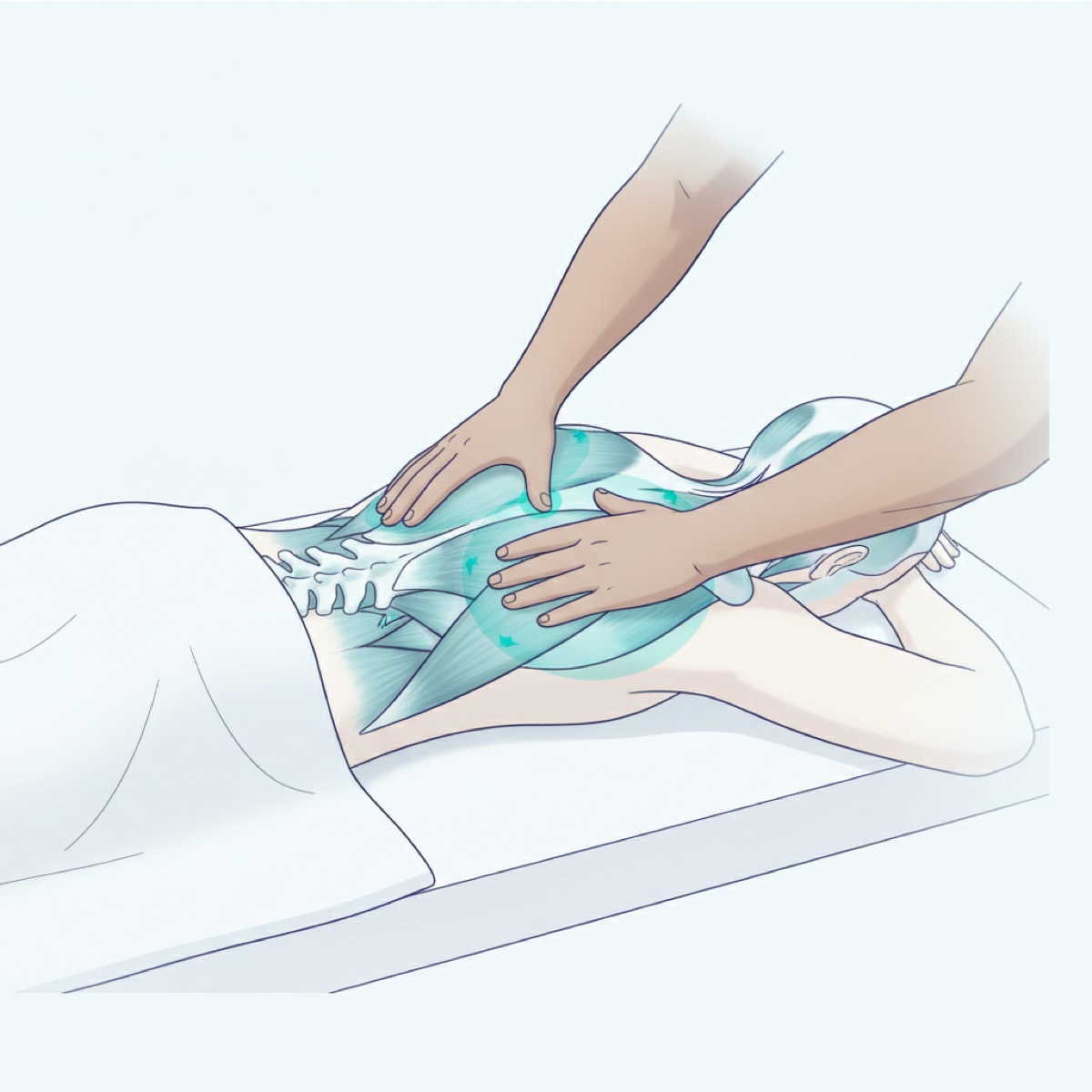
Shogo Fujii's fascia release therapy involves a series of steps that focus on identifying and relieving tension in the spine. The process begins with a thorough assessment of the spine's stiffness, pinpointing the areas that are most rigid.
Once these areas are identified, Fujii uses gentle pressure on specific muscles like the teres minor and latissimus dorsi to encourage movement and flexibility. This technique does not involve forceful cracking or popping, but rather a careful manipulation that helps the fascia become more flexible, leading to improved range of motion.
How to maintain a healthy spine?
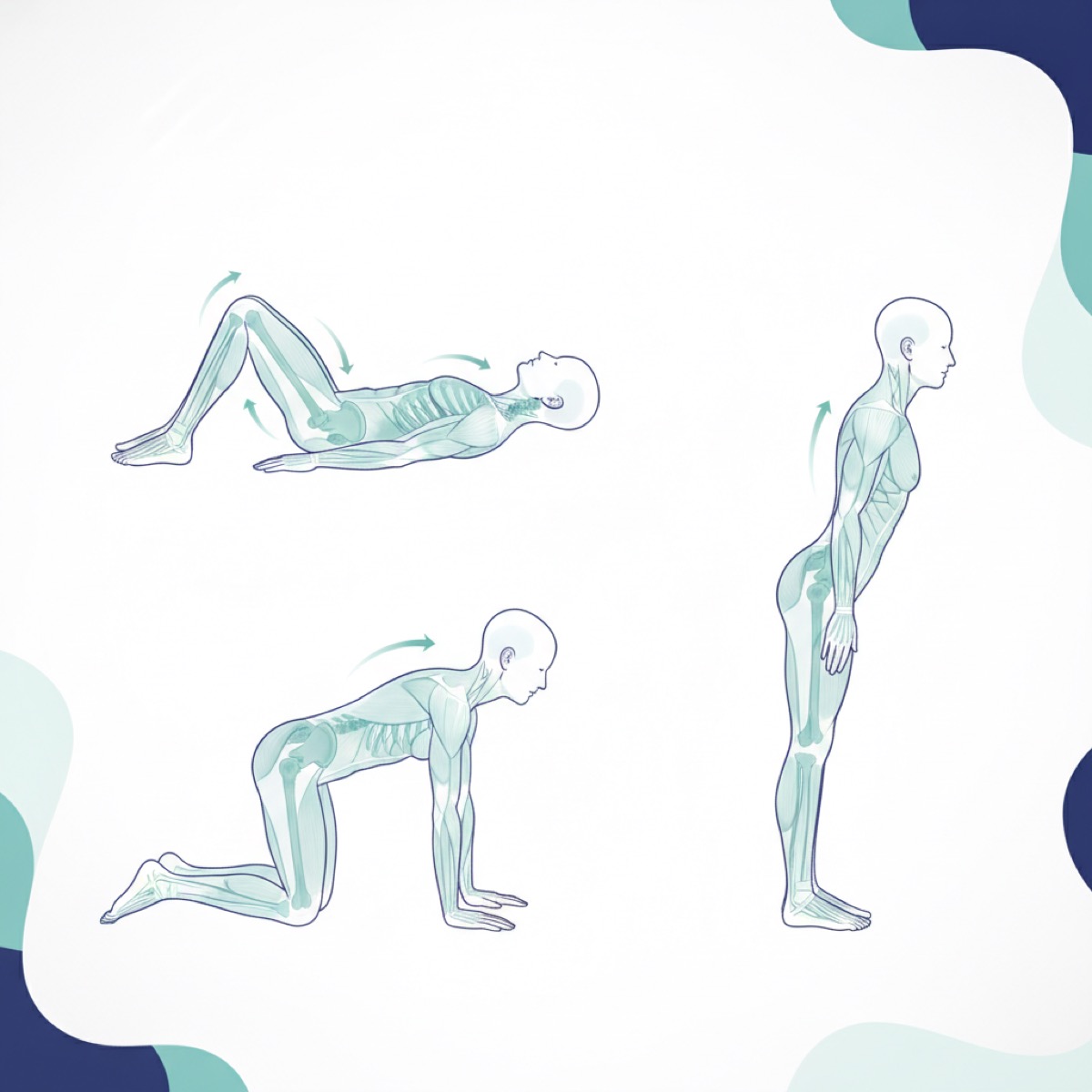
Maintaining a healthy spine involves regular exercise, proper hydration, and minimizing stress on the back. Fujii recommends incorporating fascia release techniques into a regular wellness routine to prevent stiffness and maintain flexibility.
Additionally, lifestyle adjustments such as reducing screen time, wearing blue light glasses, and ensuring adequate vitamin D exposure can support spinal health. These changes, combined with targeted therapy, can significantly enhance one's quality of life and reduce the risk of chronic back issues.
Frequently asked questions
Is fascia release safe? — Yes, fascia release is generally safe when performed by trained professionals. It involves gentle techniques that do not require forceful adjustments.
Can fascia release be self-administered? — While some techniques can be practiced at home, it is advisable to consult with a professional to ensure proper technique and avoid injury.
How often should one undergo fascia release therapy? — The frequency of therapy depends on individual needs and conditions. A professional can provide personalized recommendations based on assessment.
References
- [1]Ricciotti E, FitzGerald GA. Prostaglandins and inflammation. Arterioscler Thromb Vasc Biol. 2011;31(5):986–1000.
- [2]Salehi B, Venditti A, Sharifi-Rad M, et al. The therapeutic potential of apigenin. Int J Mol Sci. 2019;20(6):1305.
- [3]Field R, Pourkazemi F, Turton J, Rooney K. Dietary interventions are beneficial for patients with chronic pain: a systematic review with meta-analysis. Pain Med. 2021;22(3):694–714.
- [4]Taljanovic MS, Gimber LH, Becker GW, et al. Shear-wave elastography: basic physics and musculoskeletal applications. RadioGraphics. 2017;37(3):855–870.
- [5]Langevin HM. Connective tissue: a body-wide signaling network? Med Hypotheses. 2006;66(6):1074–1077.
- [6]Schleip R. Fascial plasticity — a new neurobiological explanation. J Bodyw Mov Ther. 2003;7(1):11–19.
Related videos
Palpation X-Ray #84 | Is the Sacrum Really a Flat Plate? It's a Wedge, Wide at the Top and Narrowing Downward — Trace Down from the Lumbar Spine and Confirm at Gluteus Maximus
0:56
Dramatic Improvement in One Session: Manual Approach to the Pelvic Girdle, with Palpation of Anatomical Landmarks and Movement Assessment Before and After (Hands-On Demo)
5:48