
Works for Any Condition: Watch the Moment Pain Disappears and Stubborn Disorders Heal
Original title (JP): 【全疾患対応】痛みが取れて難治性疾患が治る瞬間を見てください、、、

Supervised by
Shogo Fujii
Physiotherapist (PT) · Founder of the SHOGO FUJII® FASCIA METHOD
View profile →Clinical Article · 7 min read
Chronic low back pain can be a debilitating challenge, often persisting despite various treatments. While many approaches focus solely on the site of discomfort, effective **fascia release for low back pain** often requires a deeper understanding of the body's interconnectedness. Drawing insights from leading physiotherapy educator Shogo Fujii, we explore a strategic framework that moves beyond symptomatic treatment to identify and address the true root causes of pain, offering a path to more sustainable relief.
Why Traditional Approaches Often Miss the Mark on Chronic Pain
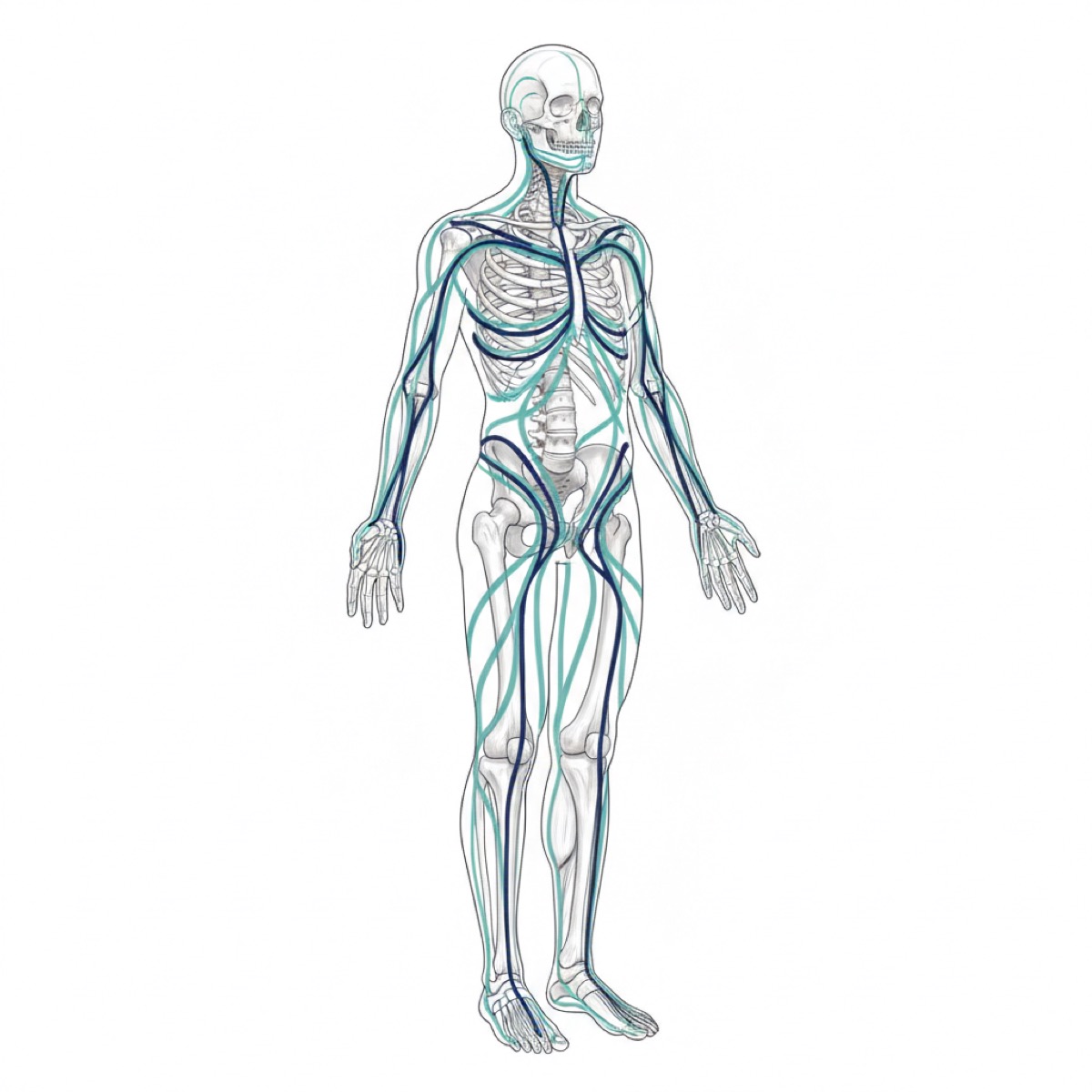
When experiencing persistent discomfort, such as low back pain, it's natural to seek treatment directly at the painful area. However, the body's fascial network means that the source of pain (or "hatsu-tsū-gen") can often be far removed from where symptoms manifest [1]. This is why a strategic approach, rather than just a collection of techniques, is crucial for lasting relief. Clinicians often learn numerous manual therapy tactics, but without a clear strategy for *when* and *where* to apply them, outcomes can be inconsistent.
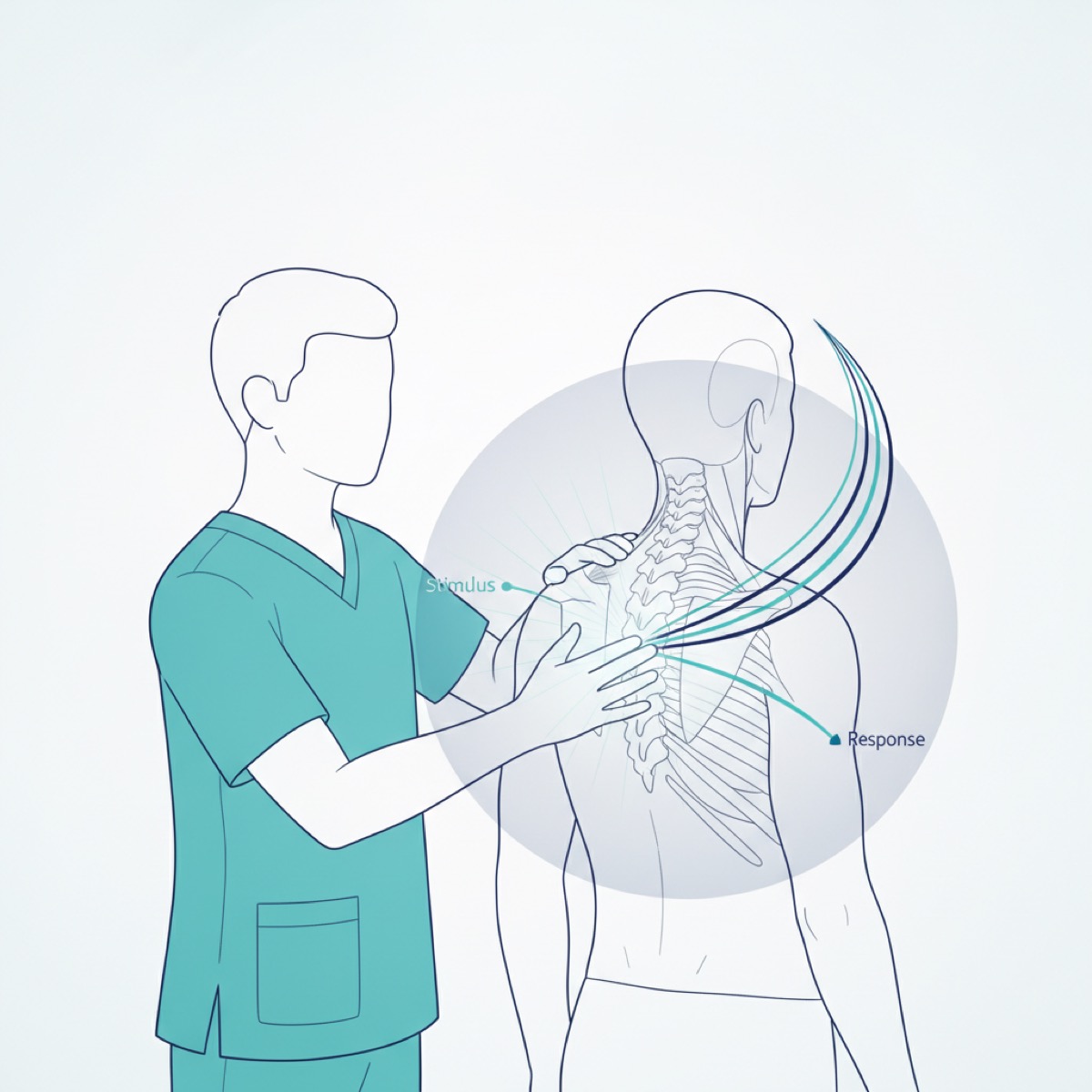
Shogo Fujii emphasizes the importance of a comprehensive assessment strategy, which he terms "Stimulus and Response." This involves observing how the body reacts to specific movements and gentle palpation, providing vital clues about underlying fascial restrictions and imbalances. This method allows therapists to pinpoint the actual cause of a patient's discomfort, even if it's not directly in the low back, leading to more targeted and effective interventions.
How to Improve Scapular Mobility for Overall Back Health
One often-overlooked area contributing to spinal stiffness and potential low back issues is the scapulothoracic region. Many individuals, particularly those engaged in desk work or repetitive tasks, develop habits that limit the natural movement of their shoulder blades. This can lead to compensatory patterns and tension throughout the back and neck [2].
A foundational self-care exercise to address this involves simple, large arm circles. Perform 30 repetitions daily, focusing on the full range of motion, ensuring the arms move outward to facilitate scapular upward and downward rotation. This simple practice helps re-establish healthy movement patterns and can significantly improve global spinal flexibility. Consistency is key; even seemingly minor daily habits can have a profound impact on fascial health and overall mobility.
Advanced Spinal Mobilization: The Bed-Edge Technique
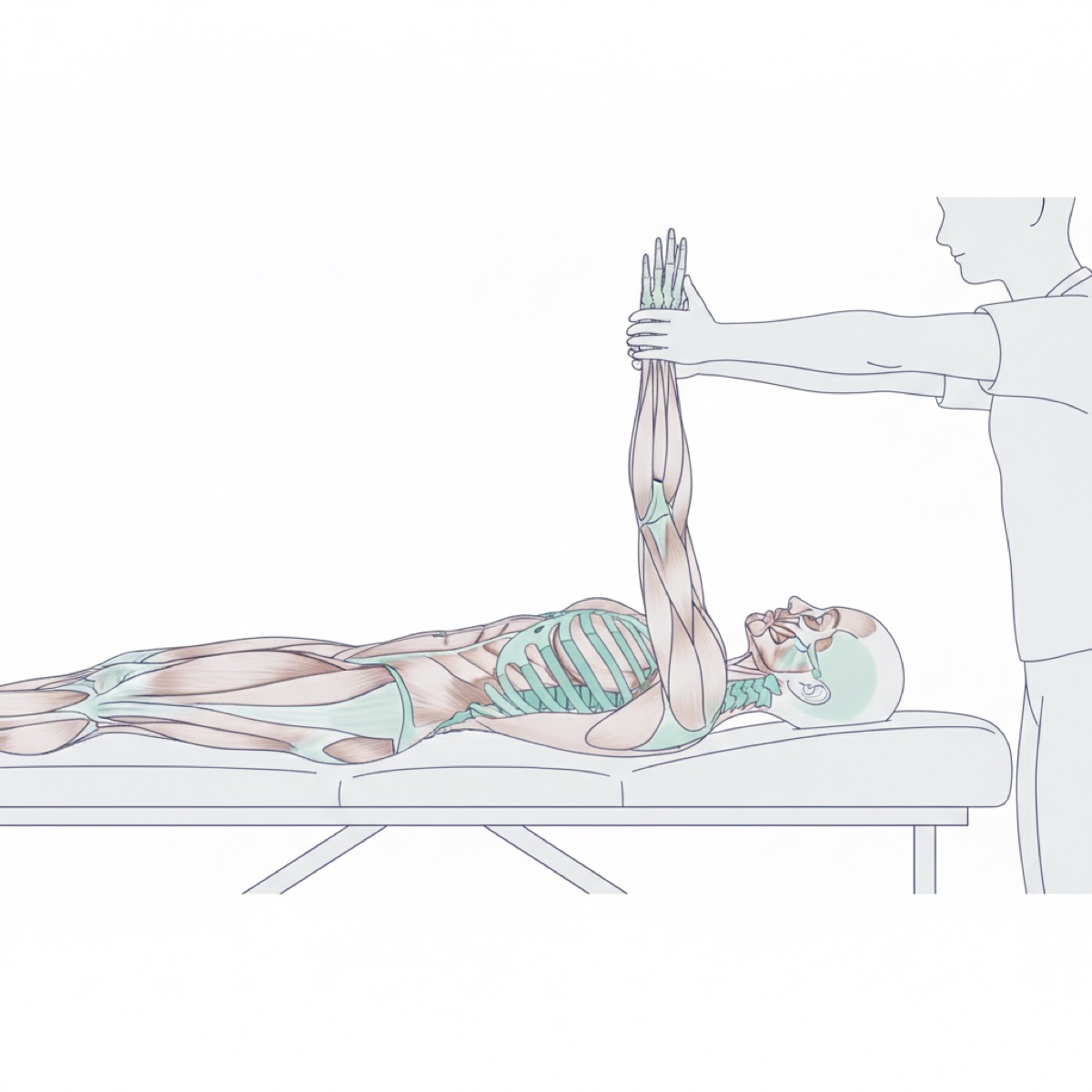
For those with significant spinal stiffness, particularly in the thoracic region, a more advanced self-mobilization technique can be highly effective. This involves lying supine with the head gently hanging off the edge of a bed or treatment table, arms extended overhead in a 'V' shape [3]. In this position, subtly wiggle or shift the body to encourage mobilization of the scapula and thoracic spine against the edge of the surface.
This technique helps address shortened muscles such as the latissimus dorsi, serratus anterior, and even anterior neck muscles, which collectively restrict scapular and spinal movement. Gradually, as flexibility improves, you can allow more of your torso to extend over the edge, promoting greater thoracic extension. It's crucial to perform this within a pain-free range, especially if you have pre-existing neck conditions. This method empowers patients to actively participate in their recovery, fostering greater body awareness and sustained improvement.
Beyond Symptoms: Shogo Fujii's 'Stimulus and Response' Assessment
Shogo Fujii's "Stimulus and Response" strategy is a core component of his assessment, moving beyond simply asking 'where does it hurt?' Instead, it involves a dynamic evaluation of how the body moves and reacts to specific inputs. This begins with observing global movements like bowing, arching, and twisting, which reveal patterns of fascial restriction across the body's anatomy lines (anterior, posterior, lateral, and spiral) [4]. For example, during a twisting motion, a clinician might observe one side moving slower or less completely, indicating specific fascial adhesions in areas like the axilla or serratus anterior, even if the patient reports neck or low back pain.
Further assessment involves gentle manual maneuvers, such as elevating an arm or subtly shaking a limb. Asymmetries in scapular movement, the way a limb moves as a 'block' rather than with fluid articulation, or differences in how vibration transmits through tissues, all provide critical data. This might reveal, for instance, a left scapulothoracic dysfunction, a rotated thoracic spine, or even subtle cranial bone displacement [5]. By integrating these observations, the therapist can formulate a precise hypothesis about the true source of pain, which might be a distant fascial restriction rather than the symptomatic area itself. This meticulous approach ensures that treatment is targeted and effective, addressing the root cause for more profound and lasting changes.
Frequently asked questions
Is fascia release safe? — Fascia release, when performed by a trained and qualified clinician, is generally considered safe. It's important to communicate any discomfort or pre-existing conditions during treatment. Always consult with a healthcare professional before starting any new therapy, especially for chronic pain.
How long does it take to see results from fascia release for low back pain? — The timeline for results from fascia release for low back pain can vary significantly depending on the individual's condition, the chronicity of their pain, and their adherence to self-care practices. While some may experience immediate relief, more lasting changes often require a series of sessions and consistent application of prescribed exercises and lifestyle adjustments [6].
Can I do fascia release at home? — While specific, deep fascial releases require the expertise of a trained therapist, many mobility exercises and stretches can be safely and effectively performed at home. Techniques like the arm circles and the bed-edge spinal mobilization discussed in this article are excellent examples of self-care practices that can complement professional treatment and improve overall fascial health.
References
- [1]Cryan JF, Dinan TG. Mind-altering microorganisms: the impact of the gut microbiota on brain and behaviour. Nat Rev Neurosci. 2012;13(10):701–712.
- [2]Guo R, Chen LH, Xing C, Liu T. Pain regulation by gut microbiota: molecular mechanisms and therapeutic potential. Br J Anaesth. 2019;123(5):637–654.
- [3]Ricciotti E, FitzGerald GA. Prostaglandins and inflammation. Arterioscler Thromb Vasc Biol. 2011;31(5):986–1000.
- [4]Salehi B, Venditti A, Sharifi-Rad M, et al. The therapeutic potential of apigenin. Int J Mol Sci. 2019;20(6):1305.
- [5]Field R, Pourkazemi F, Turton J, Rooney K. Dietary interventions are beneficial for patients with chronic pain: a systematic review with meta-analysis. Pain Med. 2021;22(3):694–714.
- [6]Taljanovic MS, Gimber LH, Becker GW, et al. Shear-wave elastography: basic physics and musculoskeletal applications. RadioGraphics. 2017;37(3):855–870.
Related videos

Palpation X-Ray #84 | Is the Sacrum Really a Flat Plate? It's a Wedge, Wide at the Top and Narrowing Downward — Trace Down from the Lumbar Spine and Confirm at Gluteus Maximus
0:56
Dramatic Improvement in One Session: Manual Approach to the Pelvic Girdle, with Palpation of Anatomical Landmarks and Movement Assessment Before and After (Hands-On Demo)
5:48