Cure Frozen Shoulder in One Shot
Original title (JP): 五十肩を一撃で治す動画

Supervised by
Shogo Fujii
Physiotherapist (PT) · Founder of the SHOGO FUJII® FASCIA METHOD
View profile →Clinical Article · 5 min read
If you're struggling with low back pain, you might be surprised to learn that fascia release could be a key to relief. This innovative approach focuses on the connective tissue that links your spine to other parts of your body, potentially alleviating issues like frozen shoulder. By understanding the fascia's role, both clinicians and patients can explore new therapeutic avenues for chronic pain management.
Why does low back pain affect shoulder mobility?
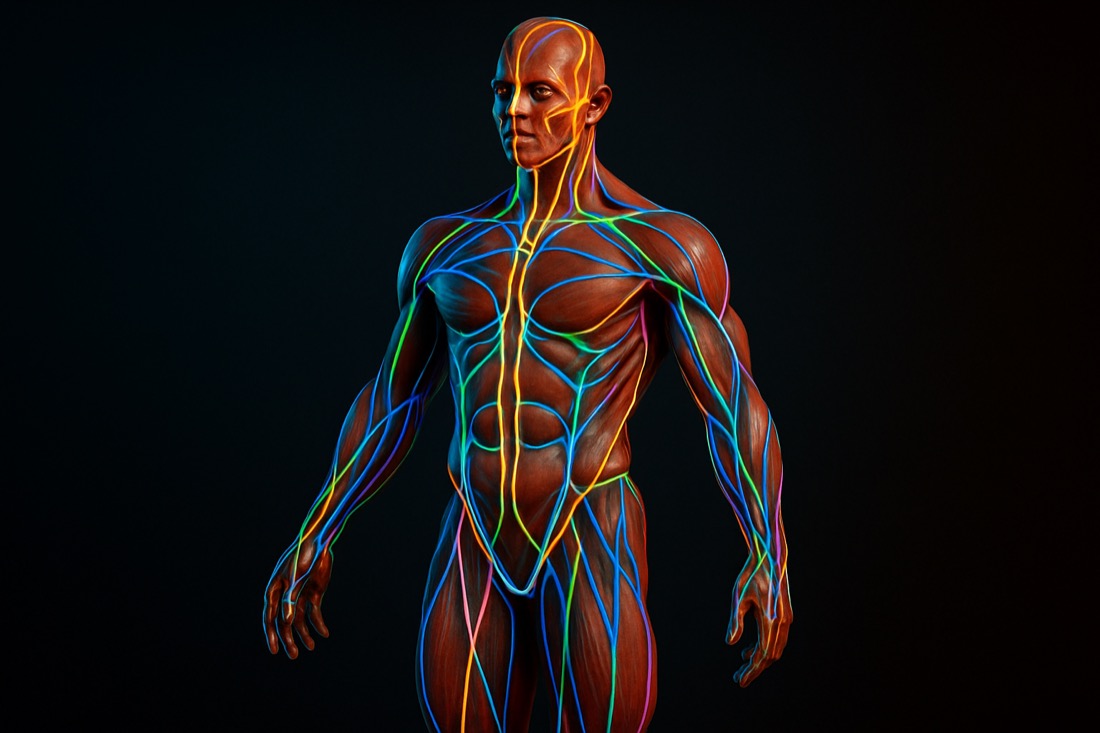
Low back pain and shoulder mobility issues might seem unrelated, but they are often connected through the fascia, a web of connective tissue that envelops muscles and organs. When this fascia becomes stiff or restricted, it can impact areas far from the initial site of pain, including the shoulders. This interconnectedness implies that addressing fascia restrictions in the back could improve shoulder function and reduce pain.
Fascia therapy aims to identify and release these restrictions, thereby restoring motion and decreasing discomfort. Clinicians have observed that by focusing on the spine and its fascia connections, they can indirectly influence shoulder pain and mobility, providing a holistic approach to treatment [1][2].
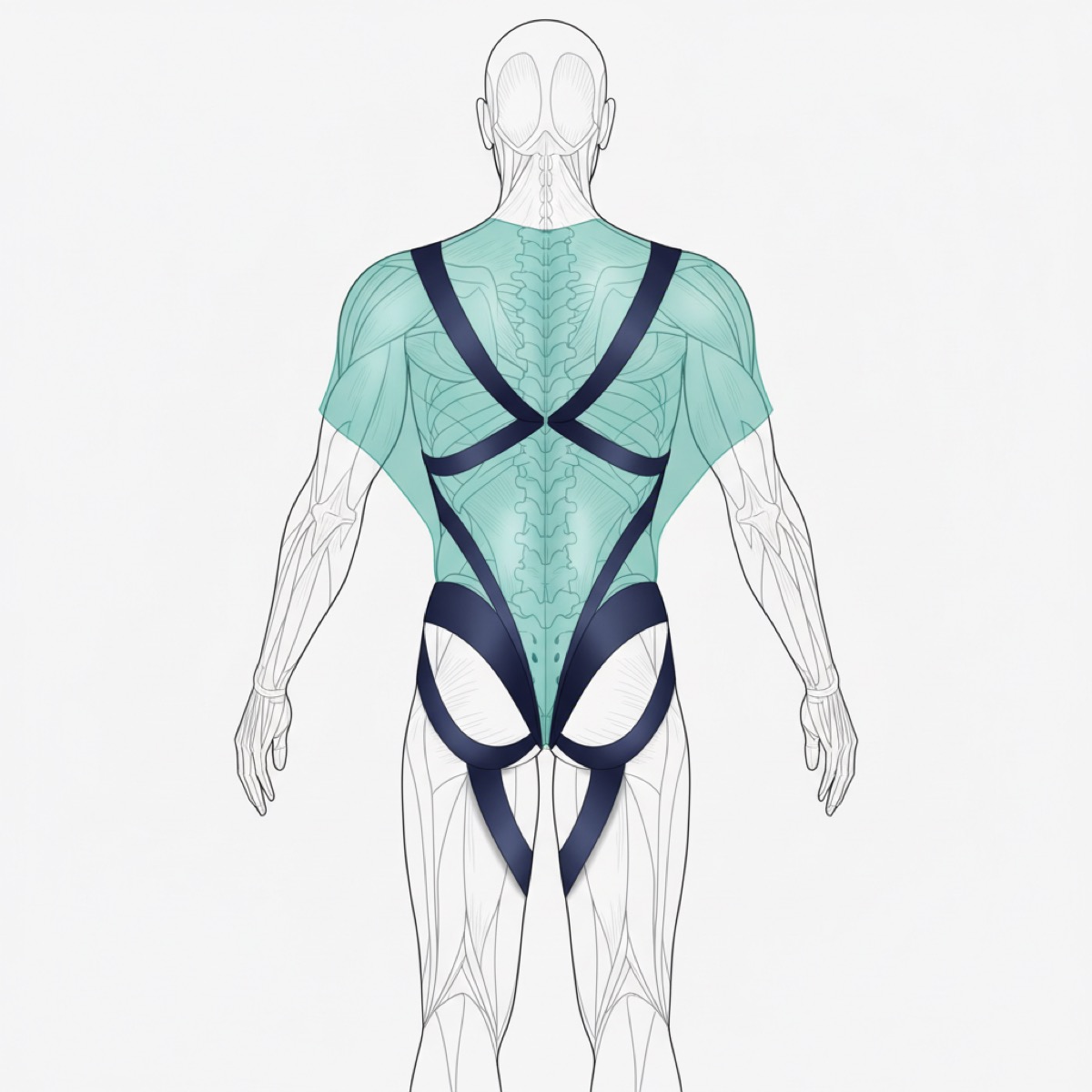
How does fascia release work for low back pain?
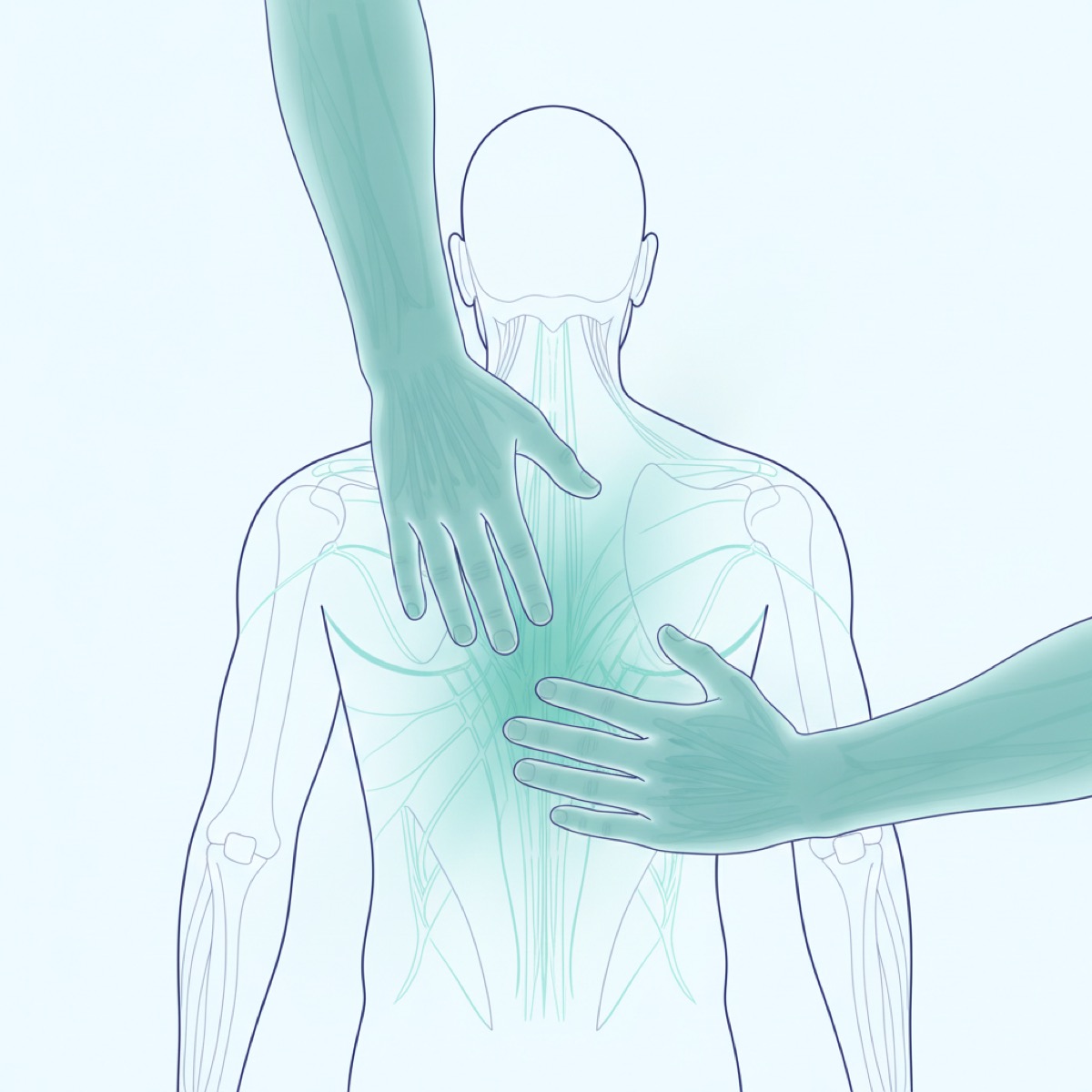
Fascia release involves techniques that target the fascia to relieve tension and improve mobility. Practitioners assess the spine's fascia connections to identify areas of stiffness or misalignment. By applying gentle pressure or stretching, they aim to release these restrictions, which can ripple effect to relieve pain in related areas like the shoulders.
This method is particularly beneficial for chronic pain sufferers, as it doesn't just address symptoms but also targets underlying causes. The goal is to enhance the body's natural healing processes by ensuring that fascia is pliable and supportive of proper movement [3][4].
What should you expect from a fascia release session?
During a fascia release session, the practitioner will likely begin with an assessment of your posture and movement to identify potential fascia restrictions. They may focus on the spine but will also consider how these areas connect to other parts of the body, such as the shoulders.
The session involves hands-on techniques where the therapist applies pressure or uses specific stretches to release tension. Patients often notice improvements in mobility and a reduction in pain shortly after the session, although continued treatment may be necessary for lasting results [5][6].
Can fascia release be part of a comprehensive pain management plan?
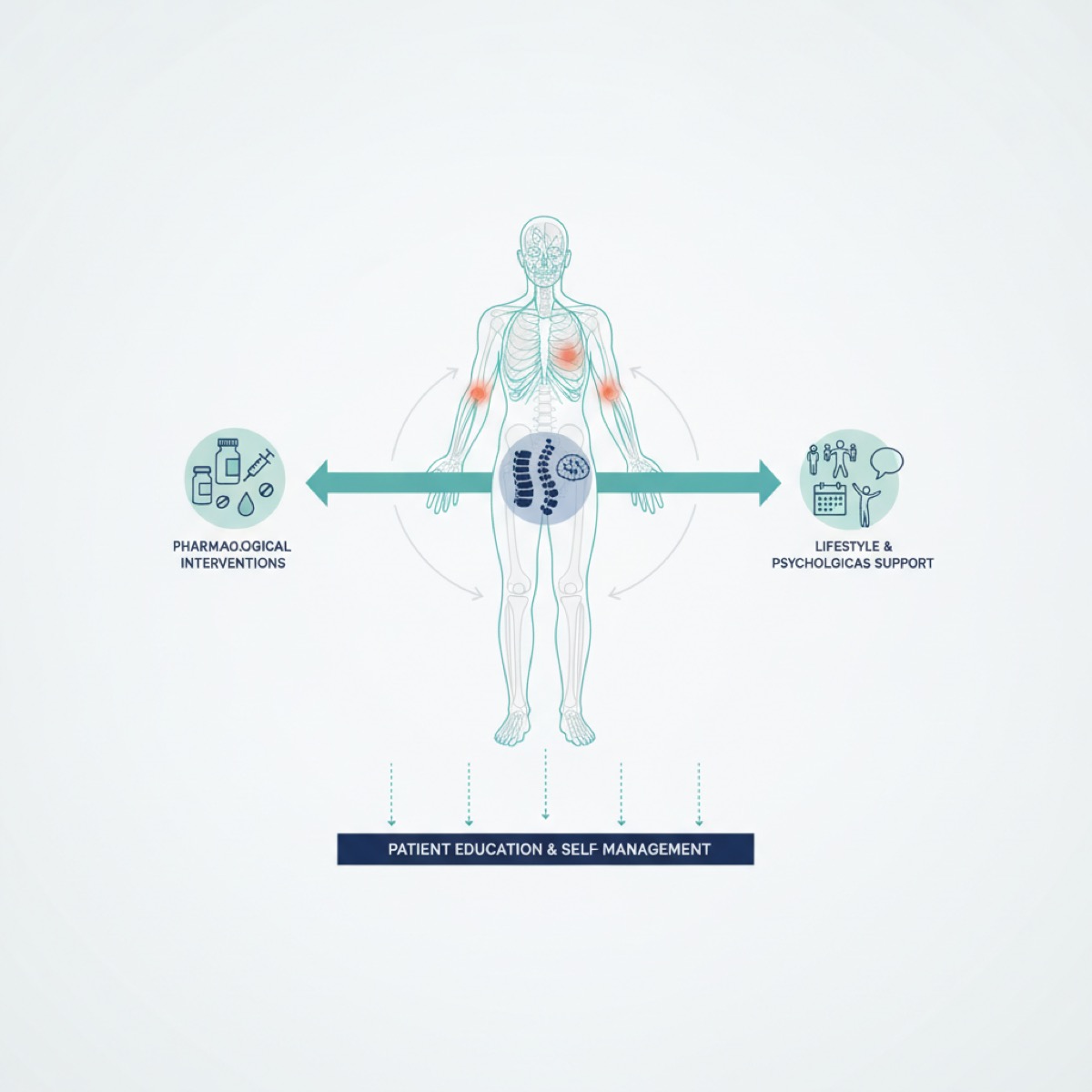
Yes, fascia release can be an integral component of a broader pain management strategy. It complements other therapies, such as physical therapy and exercise, by addressing the fascia's role in musculoskeletal health. This holistic approach ensures that various aspects of pain are managed effectively.
Incorporating fascia release into a treatment plan requires collaboration between healthcare providers and patients. A tailored approach based on individual needs and responses to therapy can optimize outcomes and enhance quality of life for those with chronic pain issues.
Frequently asked questions
Is fascia release safe? — Fascia release is generally considered safe when performed by trained professionals. It involves non-invasive techniques that focus on gentle manipulation of the connective tissue.
How long does it take to see results from fascia release? — Many patients experience some relief after a single session, but multiple sessions may be necessary for significant and lasting improvements, especially in chronic conditions.
Can anyone undergo fascia release therapy? — Fascia release can benefit a wide range of individuals, but it is essential to consult with a healthcare provider to ensure it is appropriate for your specific condition and health status.
References
- [1]Langevin HM. Connective tissue: a body-wide signaling network? Med Hypotheses. 2006;66(6):1074–1077.
- [2]Schleip R. Fascial plasticity — a new neurobiological explanation. J Bodyw Mov Ther. 2003;7(1):11–19.
- [3]Wilke J, Krause F, Vogt L, Banzer W. What Is Evidence-Based About Myofascial Chains? A Systematic Review. Arch Phys Med Rehabil. 2016;97(3):454–461.
- [4]Krause F, Wilke J, Vogt L, Banzer W. Intermuscular force transmission along myofascial chains: a systematic review. J Anat. 2016;228(6):910–918.
- [5]Stecco C, Stern R, Porzionato A, et al. Hyaluronan within fascia in the etiology of myofascial pain. Surg Radiol Anat. 2011;33(10):891–896.
- [6]Ajimsha MS, Al-Mudahka NR, Al-Madzhar JA. Effectiveness of myofascial release: a systematic review of randomized controlled trials. J Bodyw Mov Ther. 2015;19(1):102–112.