Techniques to Treat Shoulder Pain Without Touching
Original title (JP): 肩の痛みを触れずに治すテクニック #筋膜 #腰痛整体 #藤井翔悟

Supervised by
Shogo Fujii
Physiotherapist (PT) · Founder of the SHOGO FUJII® FASCIA METHOD
View profile →Clinical Article · 5 min read
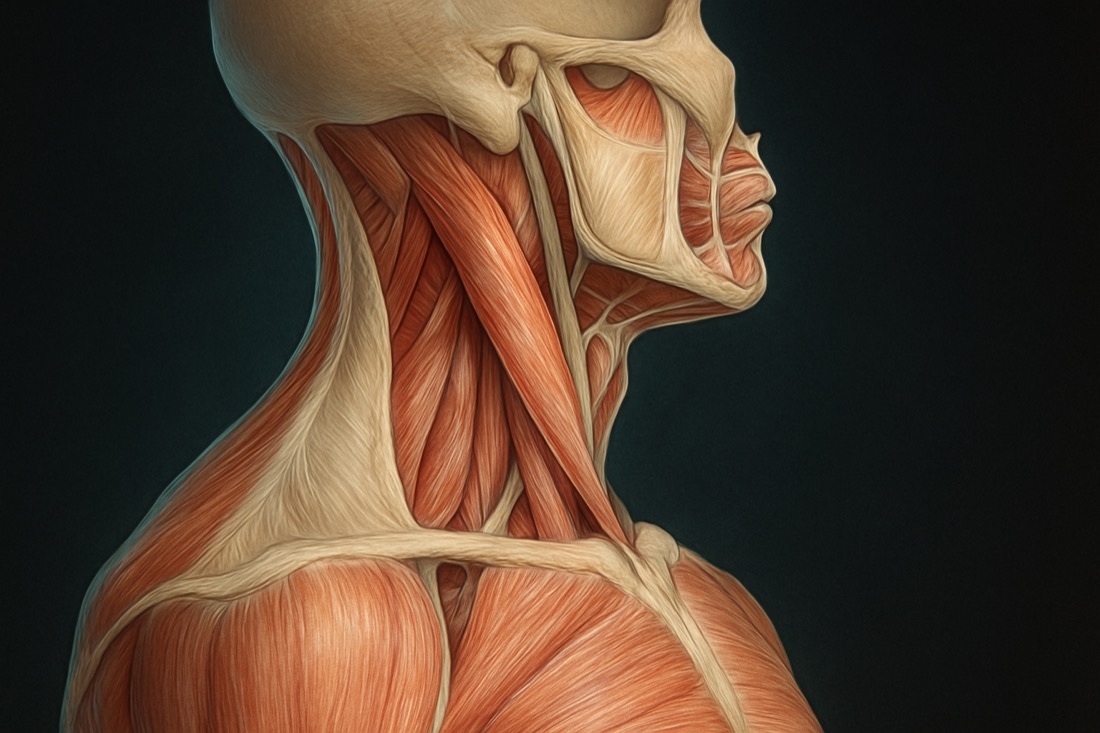
Fascia release for low back pain offers a non-invasive approach to alleviate discomfort and improve mobility. This technique involves manipulating specific muscle groups to ease tension without direct contact. By targeting areas like the forearm and elbow, practitioners can help release tight fascia, resulting in a soothing effect that can extend to the neck.
How does fascia release relieve low back pain?
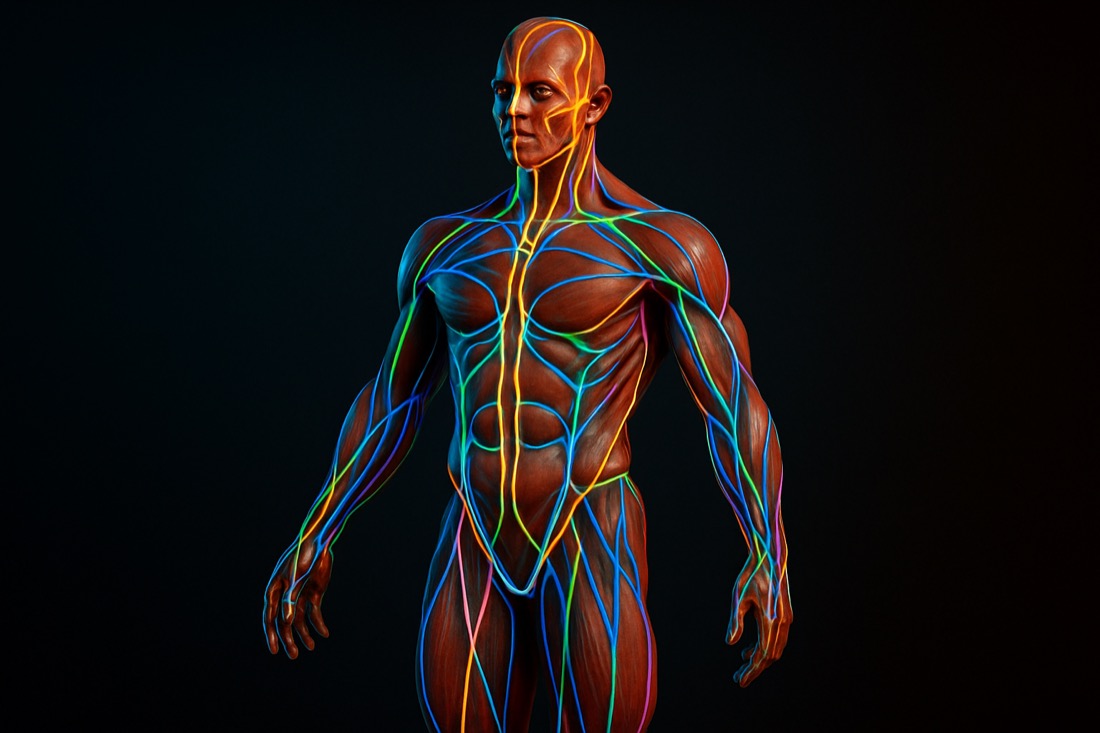
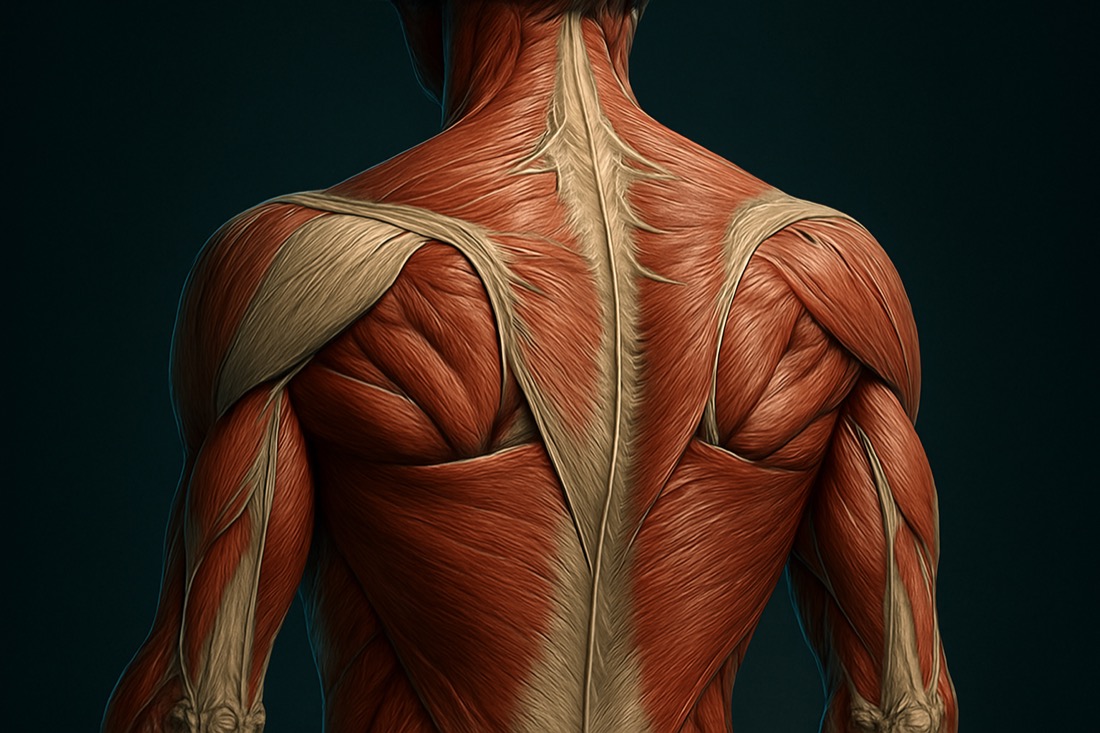
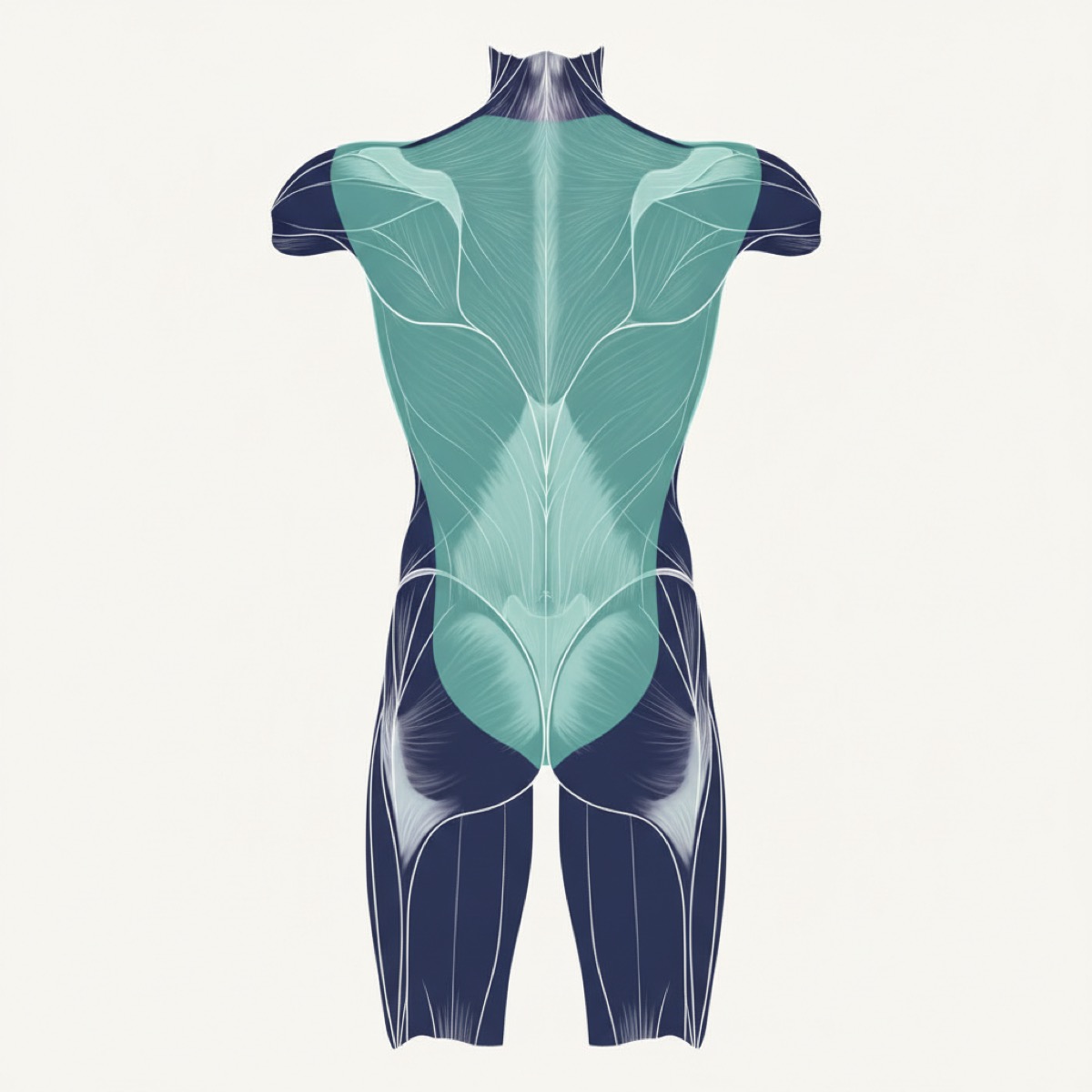
Fascia release focuses on easing tension within the connective tissues that surround muscles and organs. For low back pain, this technique can be particularly effective as it addresses the underlying fascial restrictions that contribute to discomfort. By working on areas such as the forearm and elbow, fascia release indirectly influences the lower back, promoting relaxation and increased flexibility.
One key aspect of this method is the use of indirect manipulation. By applying pressure to specific muscle groups, such as the opponens pollicis and adductor muscles, the fibers of the pronator teres muscle can be relaxed, which in turn eases tension in the lower back. This approach not only alleviates pain but also enhances overall mobility.
Why does indirect pressure work for fascia release?
Indirect pressure works by influencing the interconnected network of fascia that spans throughout the body. The fascia is a continuous structure, meaning that tension in one area can affect distant regions. By applying targeted pressure to the forearm, clinicians can trigger a relaxation response in the fascia, which extends to the lower back.
This technique involves keeping the forearm in a neutral position while applying pressure to key muscle groups. The gentle traction and vibration applied during this process help adjust the range of motion in the elbow and wrist, facilitating a gradual release of tension throughout the fascia network.
What can you expect from a fascia release session?
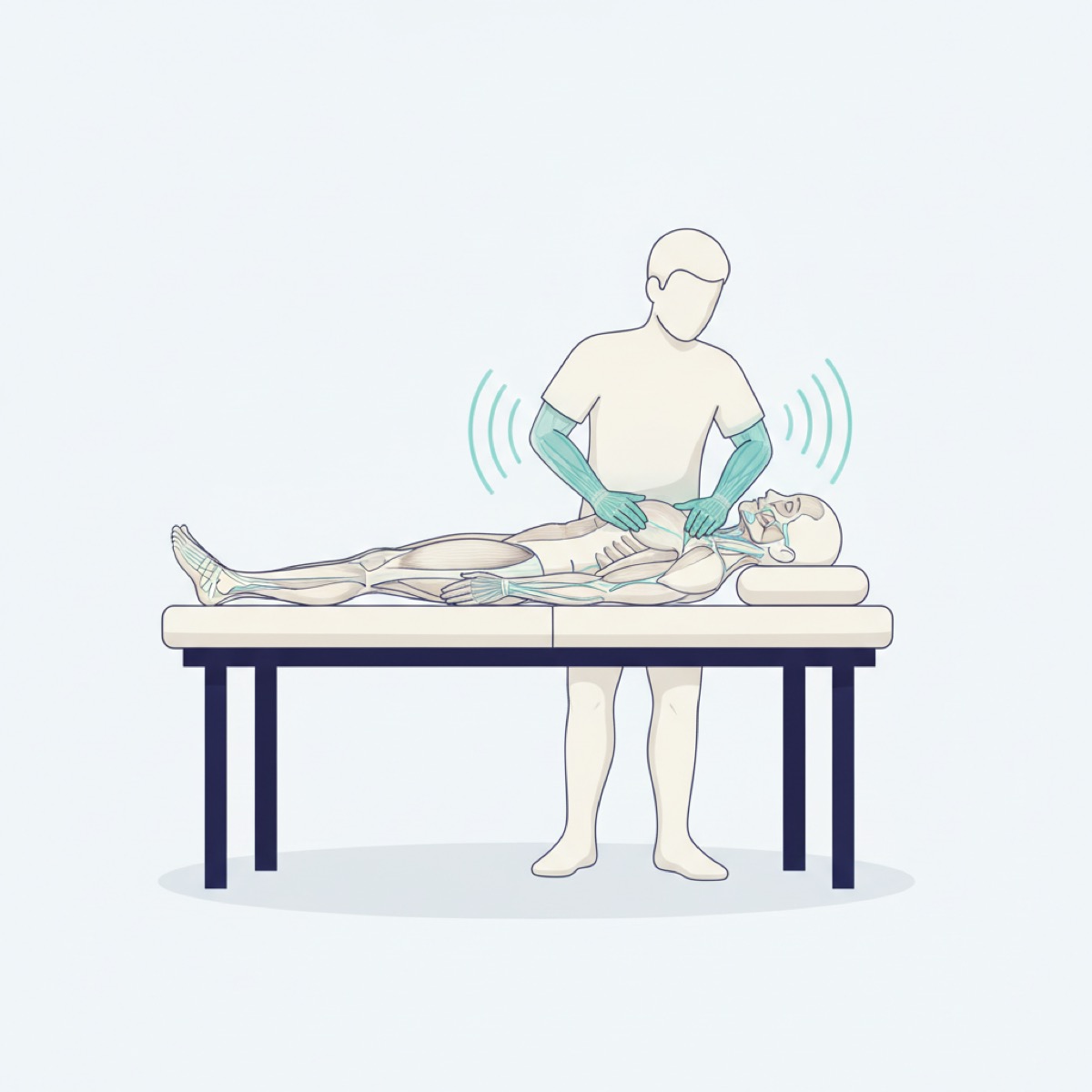
During a fascia release session, patients can expect a series of non-invasive maneuvers that focus on the forearm and elbow. The practitioner will use their fingers to apply pressure and create gentle traction, aiming to relax the fascia and improve mobility.
The sensation experienced is often described as a warming effect that gradually spreads from the treated area to the neck and lower back. This approach does not involve direct manipulation of the painful area, making it a suitable option for individuals seeking a less invasive method of pain management.
Are there benefits beyond pain relief?
Fascia release offers benefits beyond just pain relief. By improving the flexibility and movement of the fascia, patients often experience enhanced range of motion and better posture. This can lead to improved overall function and reduced risk of future injuries.
Additionally, the relaxation of the fascia can have a calming effect on the nervous system, contributing to a sense of well-being and reduced stress levels. This holistic approach makes fascia release an attractive option for those looking to improve their physical and mental health.

Frequently asked questions
Is fascia release safe? — Yes, fascia release is generally considered safe when performed by a trained professional. It involves gentle techniques that do not directly manipulate the painful area, reducing the risk of aggravation.
How long does it take to see results? — Patients may experience immediate relief following a session, but optimal results are often seen after multiple sessions as the fascia gradually releases tension and restores balance.
Can anyone undergo fascia release therapy? — While fascia release is suitable for most individuals, it is important to consult with a healthcare provider to ensure it is appropriate for your specific condition and health status.
References
- [1]Wilke J, Krause F, Vogt L, Banzer W. What Is Evidence-Based About Myofascial Chains? A Systematic Review. Arch Phys Med Rehabil. 2016;97(3):454–461.
- [2]Krause F, Wilke J, Vogt L, Banzer W. Intermuscular force transmission along myofascial chains: a systematic review. J Anat. 2016;228(6):910–918.
- [3]Stecco C, Stern R, Porzionato A, et al. Hyaluronan within fascia in the etiology of myofascial pain. Surg Radiol Anat. 2011;33(10):891–896.
- [4]Ajimsha MS, Al-Mudahka NR, Al-Madzhar JA. Effectiveness of myofascial release: a systematic review of randomized controlled trials. J Bodyw Mov Ther. 2015;19(1):102–112.
- [5]Tozzi P, Bongiorno D, Vitturini C. Fascial release effects on patients with non-specific cervical or lumbar pain. J Bodyw Mov Ther. 2011;15(4):405–416.
- [6]Zügel M, Maganaris CN, Wilke J, et al. Fascial tissue research in sports medicine: from molecules to tissue adaptation, injury and diagnostics: consensus statement. Br J Sports Med. 2018;52(23):1497.