Instant Relief for Neck Pain
Original title (JP): 首の痛みを一撃で治す

Supervised by
Shogo Fujii
Physiotherapist (PT) · Founder of the SHOGO FUJII® FASCIA METHOD
View profile →Clinical Article · 5 min read
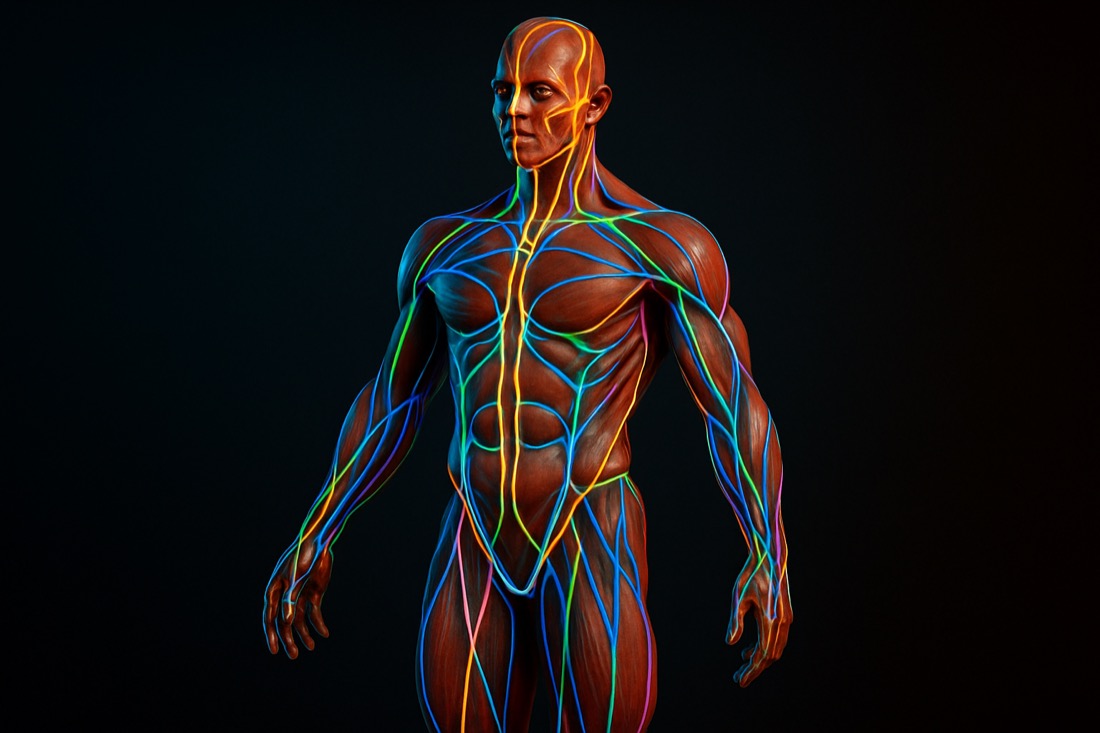
If you've been searching for effective methods to alleviate neck pain, understanding fascia release is essential. This technique focuses on releasing tension in the fascia, the connective tissue that can be linked to neck discomfort. By addressing myofascial connections, you can achieve significant relief and improve your overall well-being.
Why does neck pain affect different areas?
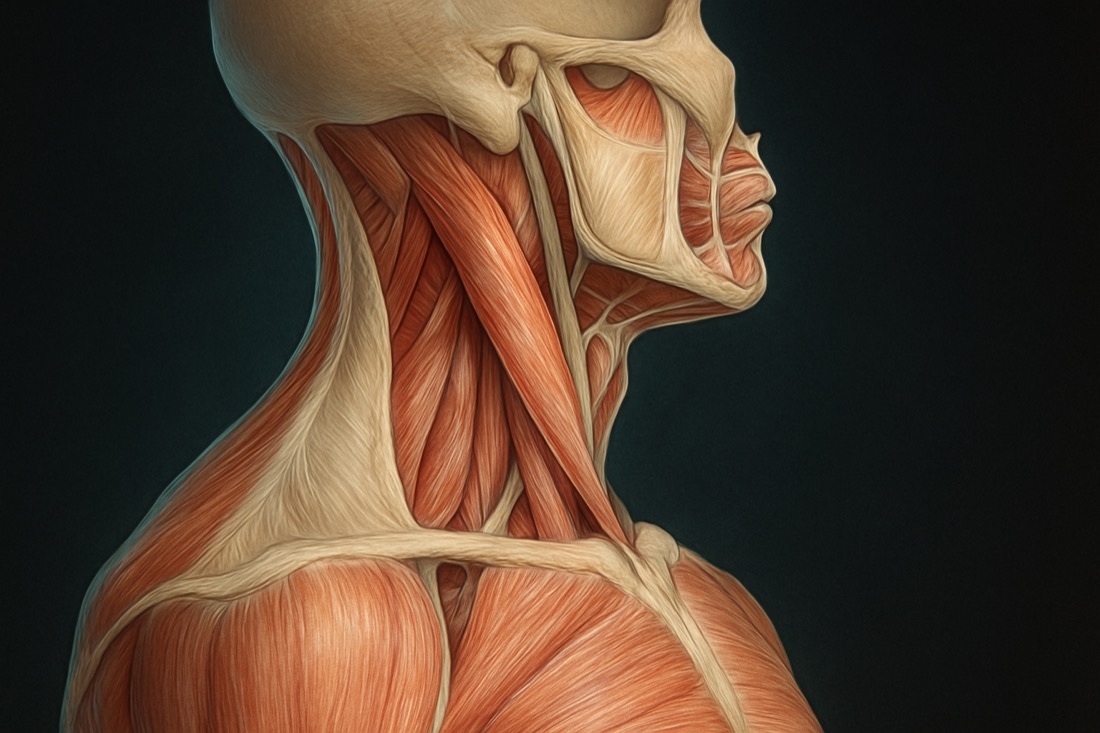
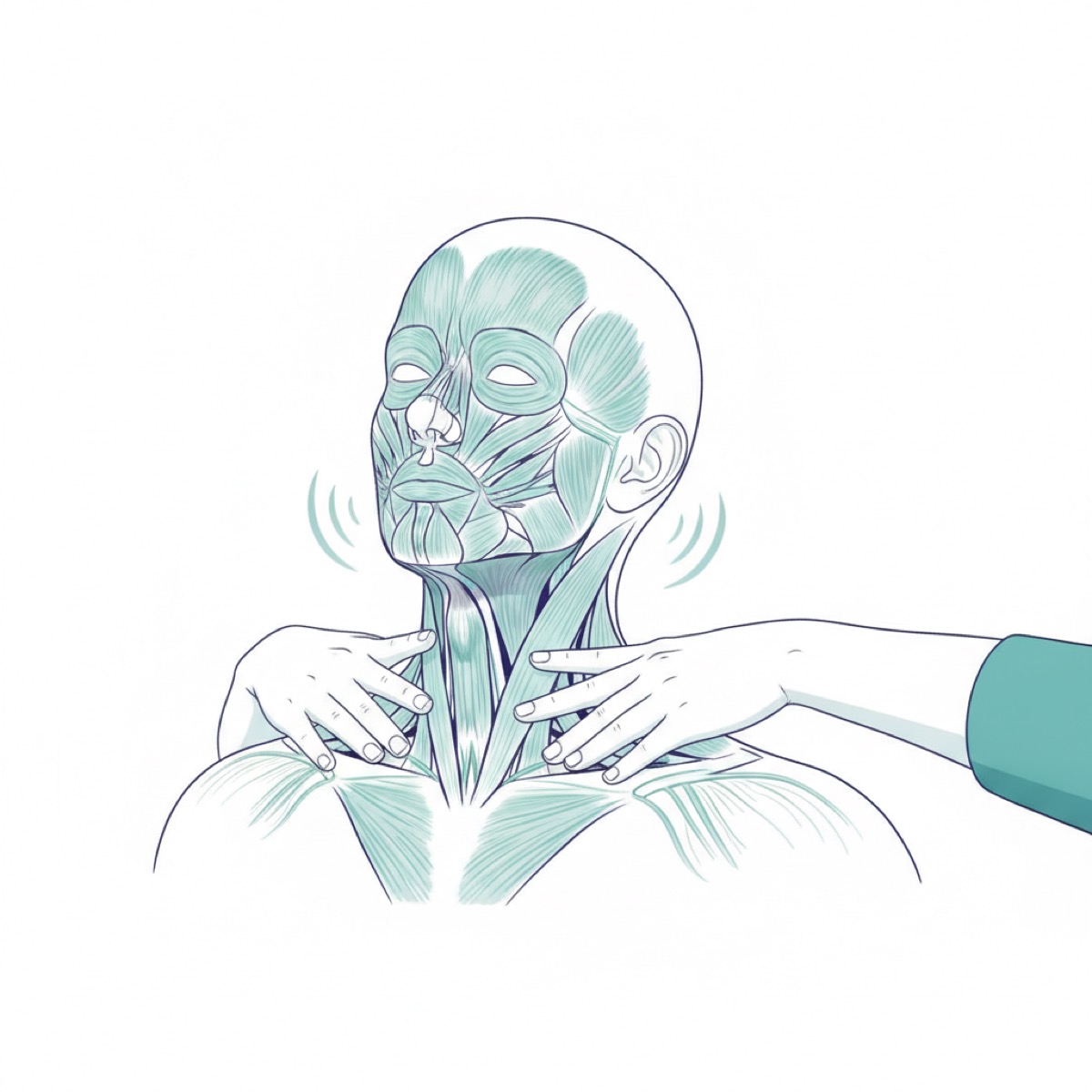
Neck pain can often be more complex than it seems, affecting areas beyond just the neck itself. The temporal bone and associated muscles, like the temporalis, play a crucial role. Overuse of these muscles during activities like chewing can lead to tension headaches and neck pain. Recognizing these connections is key to effective treatment [1].
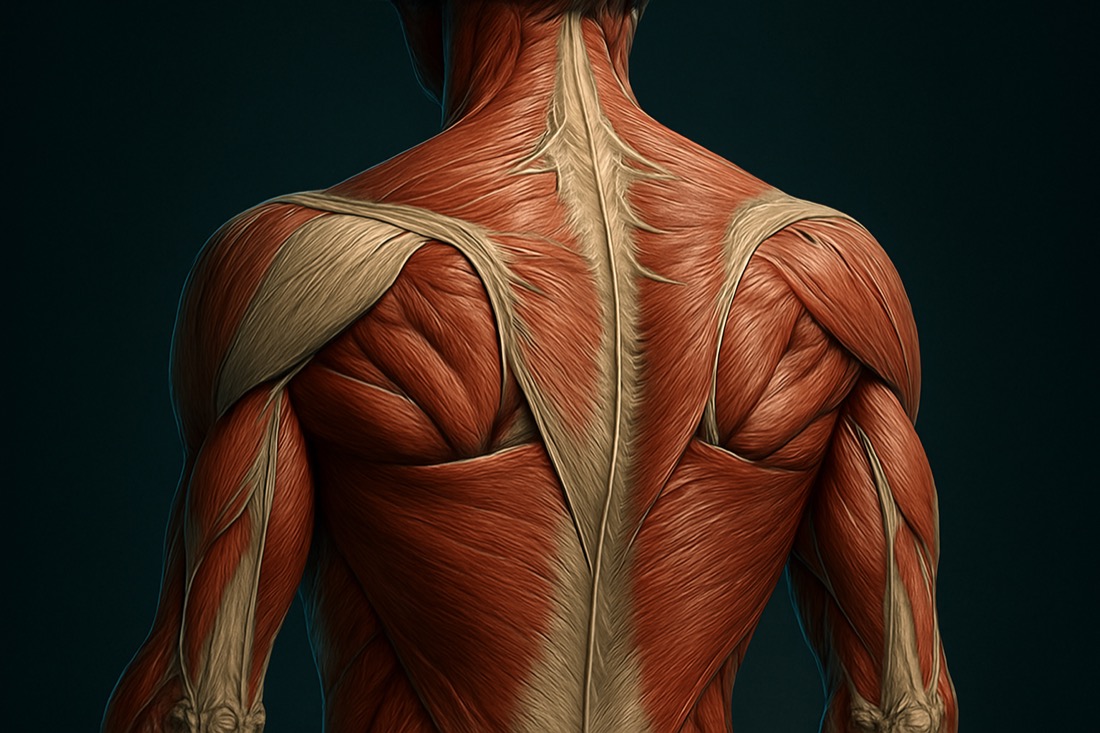
Fascia, the connective tissue that surrounds muscles and organs, can contribute to neck pain when it becomes tight or restricted. This restriction can affect the cervical vertebrae, such as C1 and C2, leading to altered movement patterns and discomfort [2].
How does fascia release work for neck pain?
Fascia release involves applying gentle pressure to release tension within the fascia, promoting better movement and reducing pain. Techniques such as observing patient reactions to stimuli help identify the true source of pain, rather than just the symptoms [3].
By focusing on fascia release, clinicians can address the root cause of neck pain, rather than simply treating the symptoms. This approach considers the entire body, ensuring that the treatment is holistic and comprehensive [4].
What should you expect during a fascia release session?
During a fascia release session, the clinician will assess your body's response to various movements and stimuli. This helps pinpoint the exact areas where fascia tension is contributing to pain. The goal is to identify and release these tension points, which can lead to noticeable relief [5].
You may experience immediate changes in how your muscles feel and move. However, it's important to note that results can vary, and multiple sessions may be necessary for sustained improvement. The clinician may also provide guidance on exercises or lifestyle changes to support ongoing relief.
How are fascia and muscle connections evaluated?
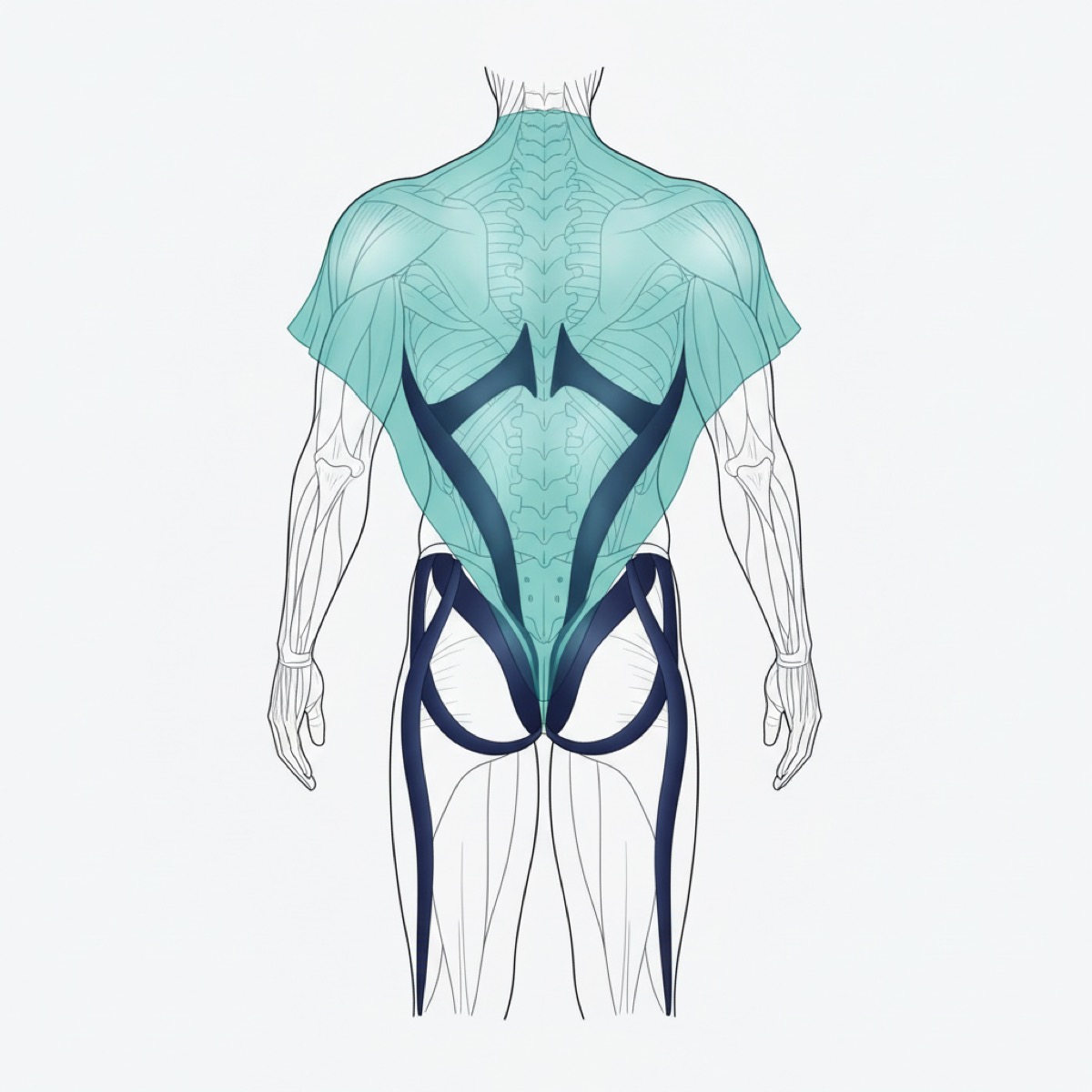
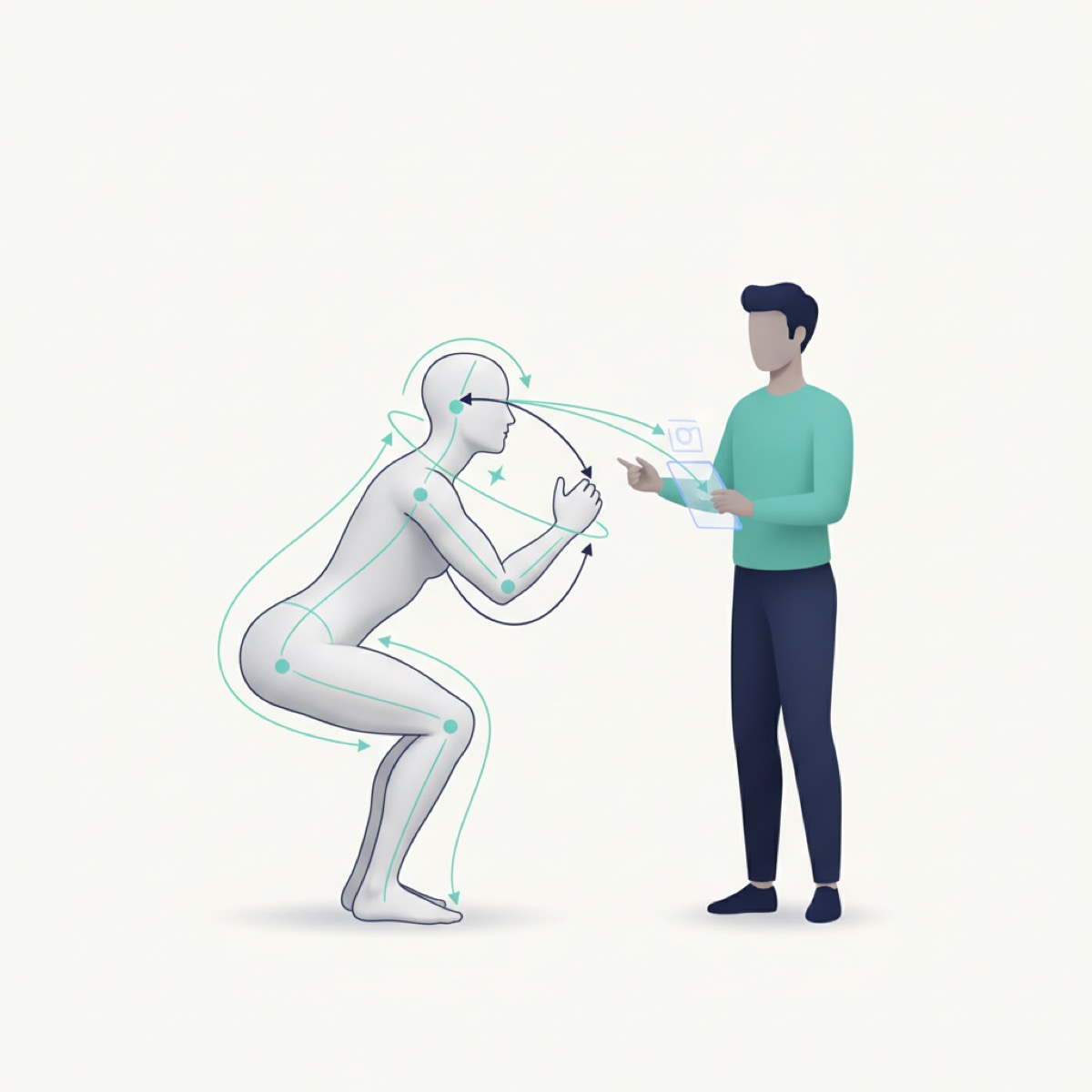
Evaluation of fascia and muscle connections often involves observing movement patterns and identifying areas of restriction. Techniques such as bending, twisting, and stretching can reveal which lines of fascia are tight or restricted, aiding in the development of a treatment strategy [6].
Clinicians may employ a combination of manual assessments and patient feedback to determine the effectiveness of the release. This method ensures that the treatment is tailored to the individual's specific needs, addressing the unique patterns of tension in their body.
Frequently asked questions
Is fascia release safe? — Fascia release is generally considered safe when performed by a trained clinician. It involves gentle techniques that aim to relieve tension without causing harm.
How soon can I expect relief from neck pain? — Relief can vary; some individuals may notice improvements after one session, while others might require multiple treatments to achieve significant results.
Can I perform fascia release at home? — While some techniques can be done at home, it's best to consult with a professional to ensure proper technique and to address specific areas of tension effectively.
References
- [1]Tracey KJ. The inflammatory reflex. Nature. 2002;420(6917):853–859.
- [2]Mayer EA. Gut feelings: the emerging biology of gut–brain communication. Nat Rev Neurosci. 2011;12(8):453–466.
- [3]Cryan JF, Dinan TG. Mind-altering microorganisms: the impact of the gut microbiota on brain and behaviour. Nat Rev Neurosci. 2012;13(10):701–712.
- [4]Guo R, Chen LH, Xing C, Liu T. Pain regulation by gut microbiota: molecular mechanisms and therapeutic potential. Br J Anaesth. 2019;123(5):637–654.
- [5]Ricciotti E, FitzGerald GA. Prostaglandins and inflammation. Arterioscler Thromb Vasc Biol. 2011;31(5):986–1000.
- [6]Salehi B, Venditti A, Sharifi-Rad M, et al. The therapeutic potential of apigenin. Int J Mol Sci. 2019;20(6):1305.