The C1 Technique
Original title (JP): C1テクニック

Supervised by
Shogo Fujii
Physiotherapist (PT) · Founder of the SHOGO FUJII® FASCIA METHOD
View profile →Clinical Article · 5 min read
Fascia release for low back pain is a growing interest among clinicians and informed patients seeking innovative treatment options. Shogo Fujii's C1 Technique offers a unique approach by targeting the fascia around the C1 vertebra, which can influence overall body discomfort. This article delves into the method's principles and its potential benefits, providing insights for those looking to enhance their therapeutic practices.
How does the C1 Technique alleviate low back pain?
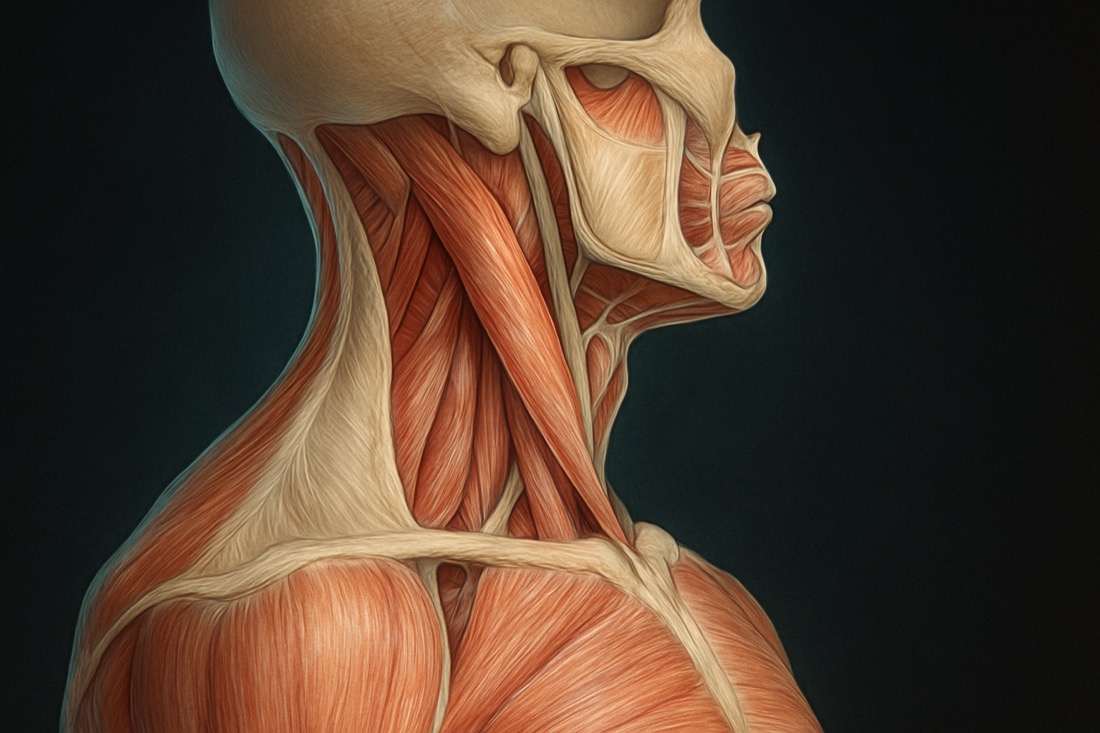
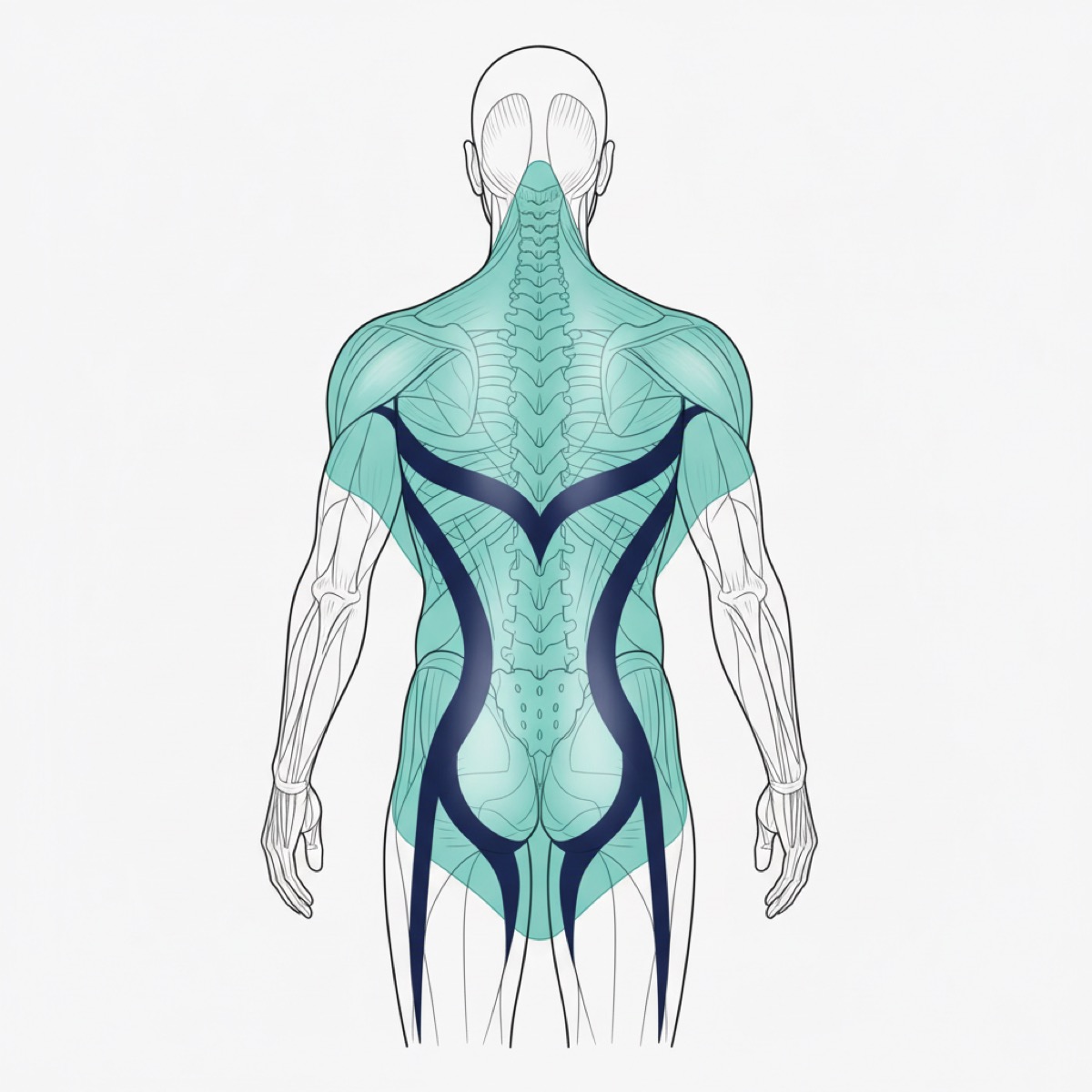
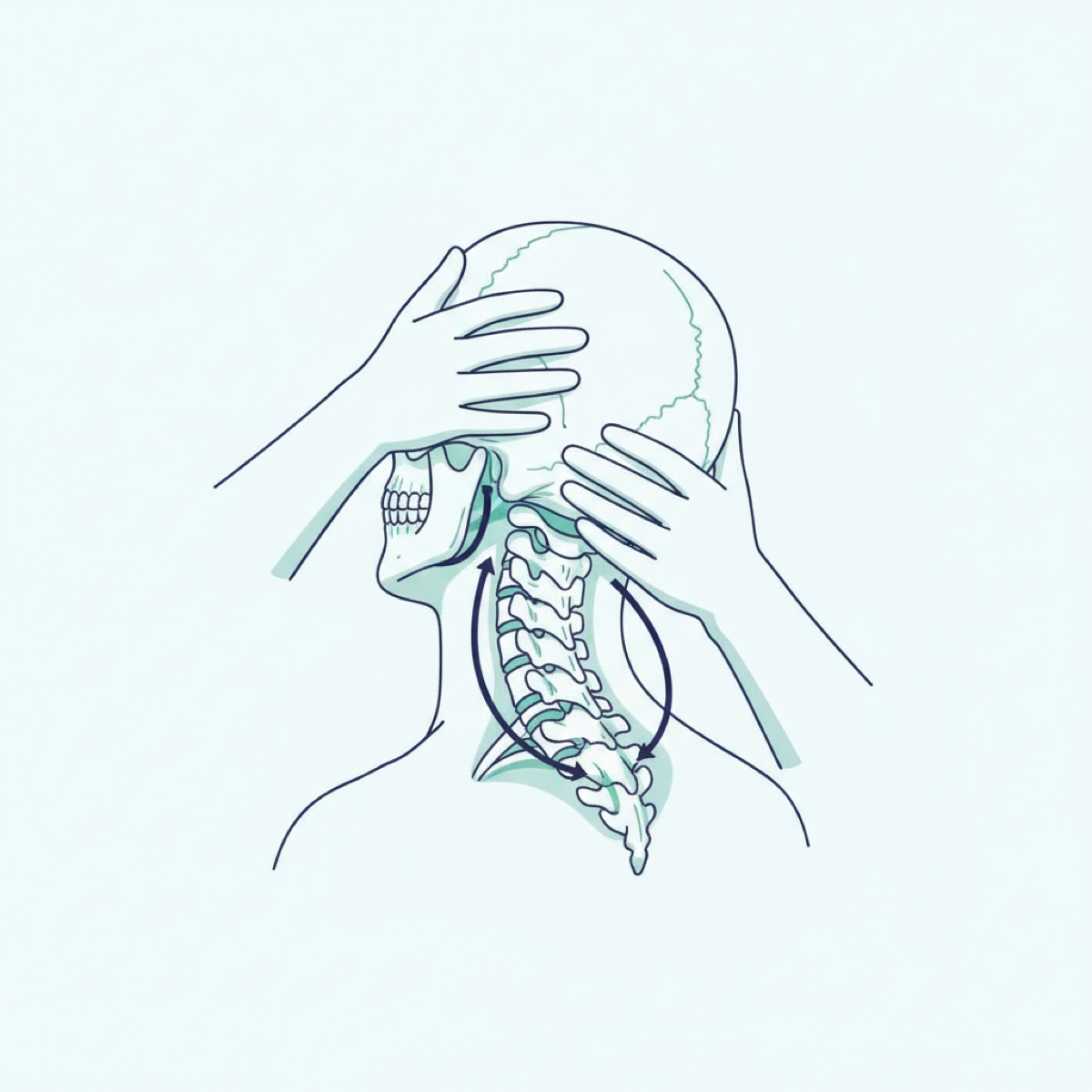
The C1 Technique focuses on the atlas, or C1 vertebra, which plays a crucial role in neck mobility and can impact the entire body's fascia network. By addressing restrictions here, the technique aims to reduce discomfort in areas such as the low back, neck, and limbs. The method involves manipulating the fascia around the C1 to promote better movement and alleviate associated pain[1].
Through a process that involves muscle relaxation and targeted pressure on the fascia, the C1 Technique seeks to improve circulation and reduce tension. This approach is particularly beneficial for those suffering from chronic low back pain, as it addresses one of the root causes rather than just the symptoms[2].
Why is the C1 vertebra important in fascia therapy?
The C1 vertebra, also known as the atlas, is the topmost bone in the spine, supporting the skull and facilitating a wide range of head movements. Its unique structure allows for significant mobility, unlike other vertebrae, which is why it's pivotal in fascia therapy. The atlas can influence the alignment and tension of the spinal column, affecting overall posture and muscular balance[3].
When the fascia around the C1 is tight or misaligned, it can lead to a cascade of issues throughout the body, including low back pain. By focusing on this area, therapists can help release tension and improve the client's overall well-being. This holistic approach is gaining traction among practitioners looking to offer comprehensive pain management solutions[4].
What to expect during a C1 Technique session
During a C1 Technique session, the therapist will first assess the patient's posture and mobility to identify areas of tension. The treatment involves applying gentle pressure and specific movements to the fascia surrounding the C1 vertebra. This is often done with the patient in a prone position to allow for better access and manipulation of the fascia[5].
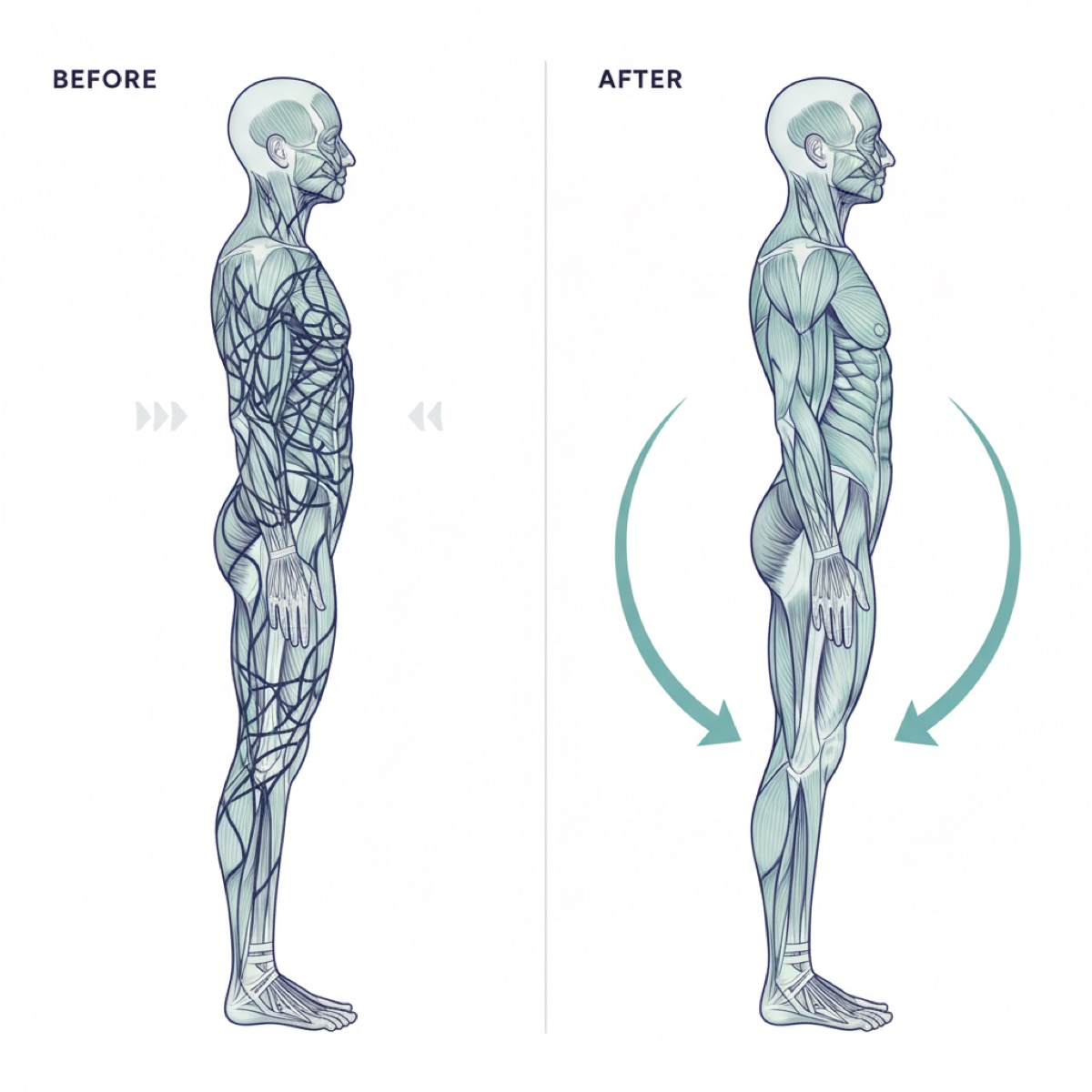
Patients may experience immediate relief or a gradual improvement in symptoms as the fascia releases. It's common for other areas of the body, such as the shoulders and hips, to feel different as the technique helps to realign the body's natural structure. Follow-up sessions might be recommended to ensure lasting results and address any residual tension[6].
Benefits of fascia release for chronic pain
Fascia release techniques, like the C1 Technique, offer a non-invasive solution for managing chronic pain. By targeting the connective tissues, these methods help reduce inflammation, improve circulation, and enhance mobility. Patients often report a significant reduction in pain levels and an increased range of motion following treatment[1].
Moreover, fascia release can positively impact mental health by reducing stress and promoting relaxation. As the body becomes more aligned and tension is relieved, patients often experience a boost in overall well-being. This makes fascia therapy an appealing option for those seeking a holistic approach to pain management[2].
Frequently asked questions
Is fascia release safe? — Fascia release is generally considered safe when performed by a trained professional. It involves gentle manipulation of the connective tissues, which carries minimal risk of injury.
Can the C1 Technique be used for conditions other than low back pain? — Yes, the C1 Technique can help with various conditions, including neck pain, shoulder tension, and even headaches, as it addresses the root causes related to fascia tension.
How many sessions are typically needed? — The number of sessions varies depending on the individual's condition and response to treatment. Some may experience relief after a single session, while others might require ongoing therapy for optimal results.
References
- [1]Klingler W, Velders M, Hoppe K, Pedro M, Schleip R. Clinical relevance of fascial tissue and dysfunctions. Curr Pain Headache Rep. 2014;18(8):439.
- [2]Wilke J, Vogt L, Niederer D, Banzer W. Is remote stretching based on myofascial chains as effective as local exercise? A randomised-controlled trial. J Sports Sci. 2017;35(20):2021–2027.
- [3]Palomeque-del-Cerro L, Arráez-Aybar LA, Rodríguez-Blanco C, et al. A systematic review of the soft-tissue connections between neck muscles and dura mater: the myodural bridge. Spine. 2017;42(1):49–54.
- [4]Woolf CJ. Central sensitization: implications for the diagnosis and treatment of pain. Pain. 2011;152(3 Suppl):S2–S15.
- [5]Tracey KJ. The inflammatory reflex. Nature. 2002;420(6917):853–859.
- [6]Mayer EA. Gut feelings: the emerging biology of gut–brain communication. Nat Rev Neurosci. 2011;12(8):453–466.
Related videos
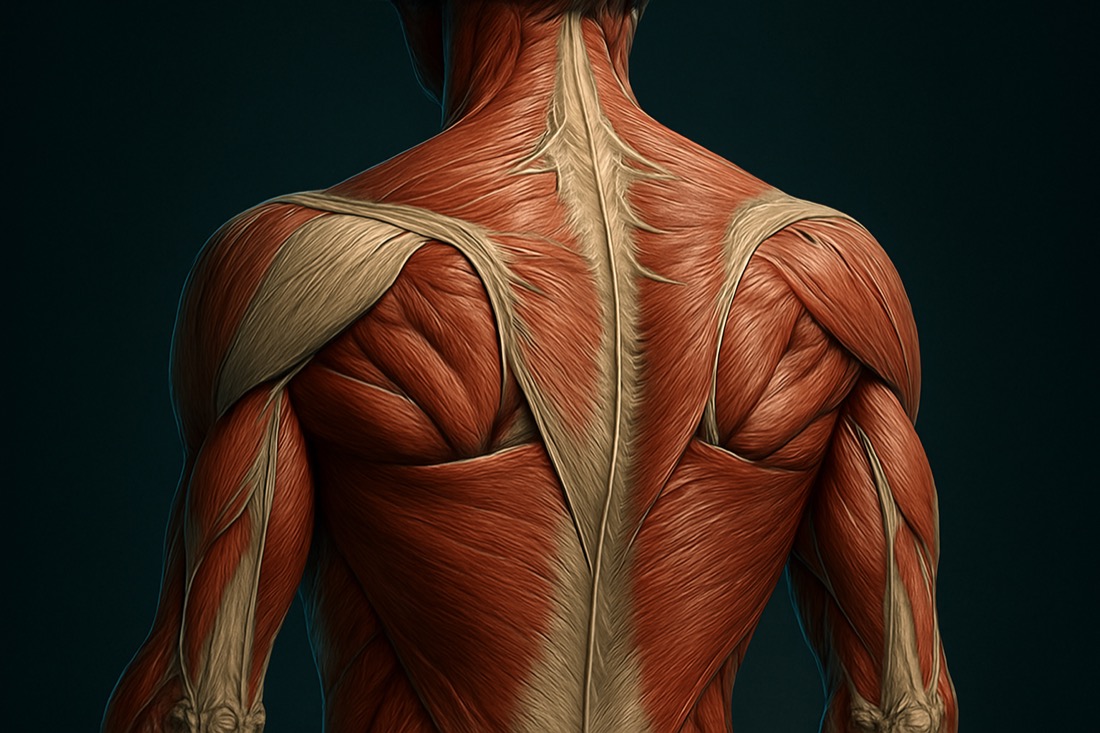
Palpation X-Ray #84 | Is the Sacrum Really a Flat Plate? It's a Wedge, Wide at the Top and Narrowing Downward — Trace Down from the Lumbar Spine and Confirm at Gluteus Maximus
0:56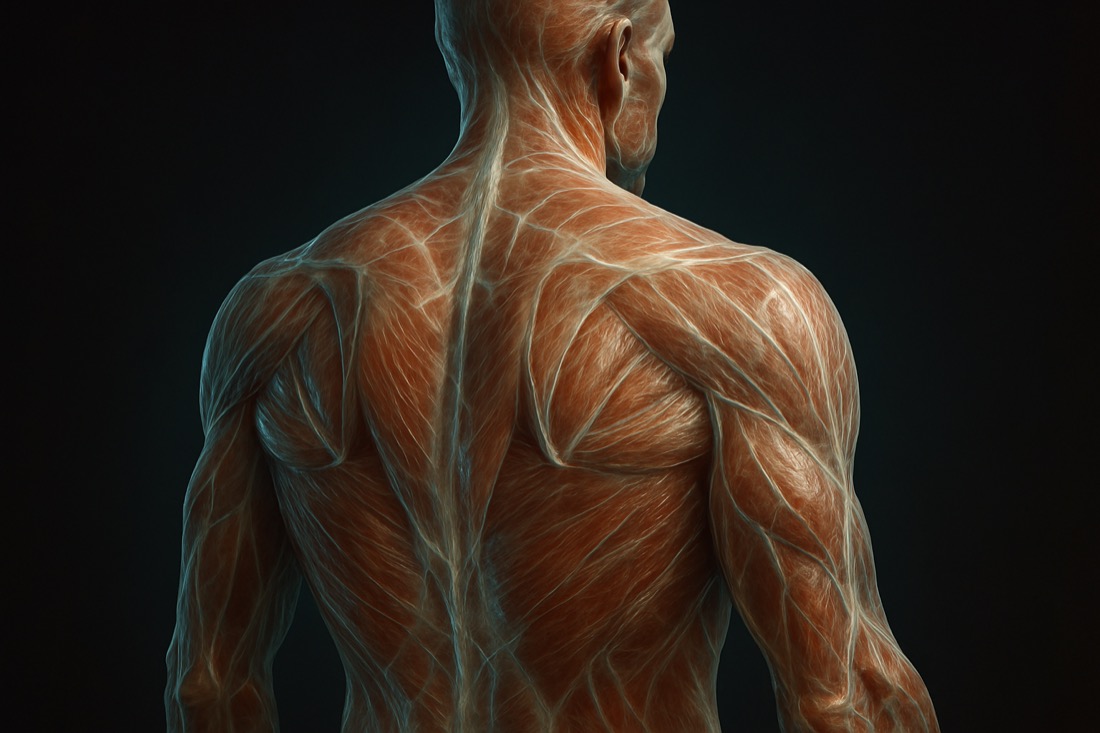
Dramatic Improvement in One Session: Manual Approach to the Pelvic Girdle, with Palpation of Anatomical Landmarks and Movement Assessment Before and After (Hands-On Demo)
5:48