Instant Relief for Lower Back Pain with Your Thumb
Original title (JP): 親指で腰痛一発完治 by藤井翔悟 #藤井翔悟 #anatomy #医師 #治し方

Supervised by
Shogo Fujii
Physiotherapist (PT) · Founder of the SHOGO FUJII® FASCIA METHOD
View profile →Clinical Article · 5 min read
If you're searching for a natural way to alleviate low back pain, fascia release using your thumb might be the answer. This technique focuses on manipulating the fascia, the connective tissue surrounding muscles, which can reduce tension and improve mobility. With guidance from expert Shogo Fujii, you can explore this approach to manage your discomfort effectively.
What is fascia release for low back pain?
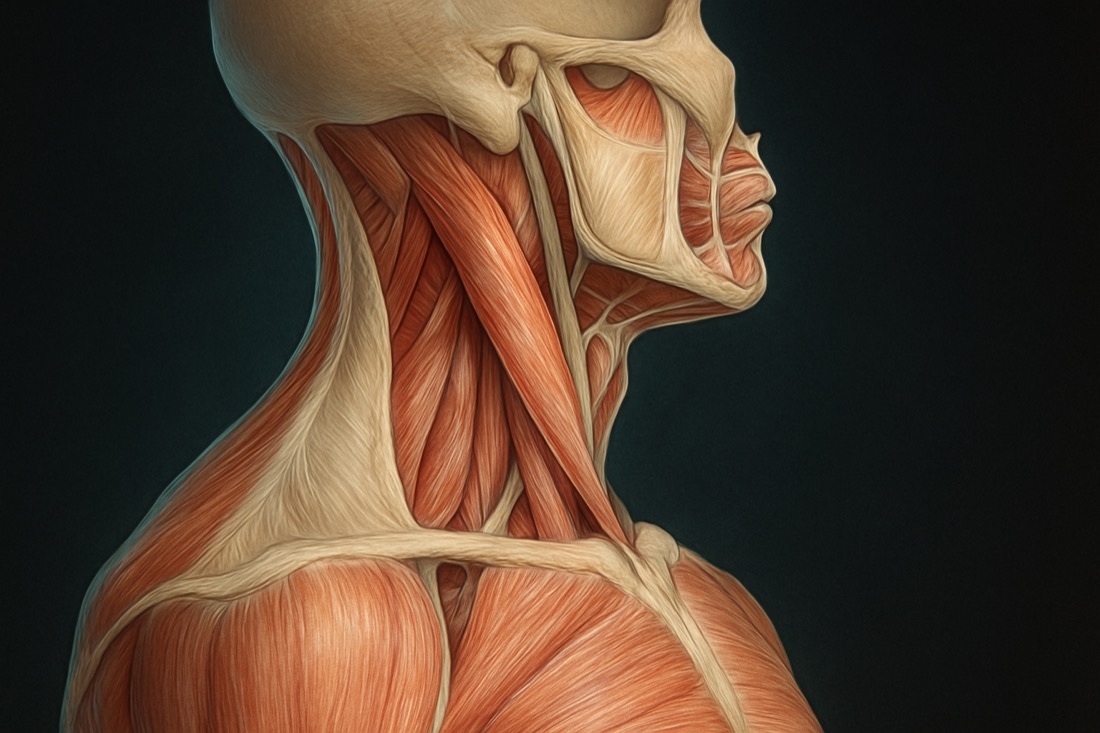
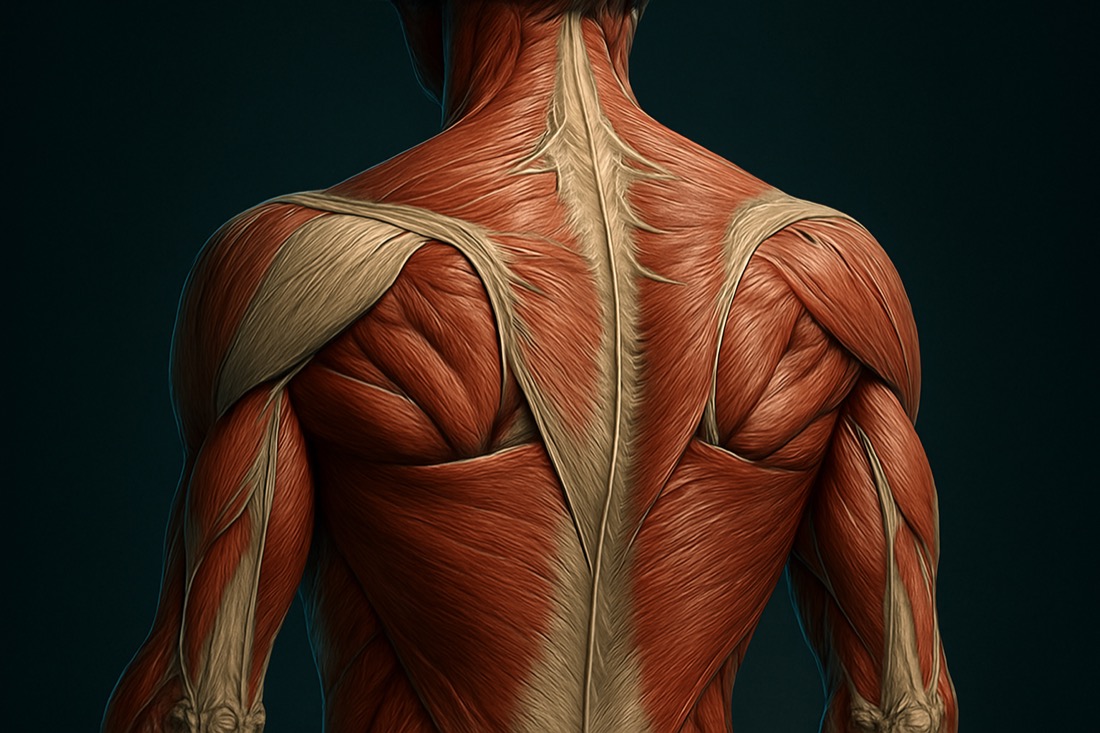
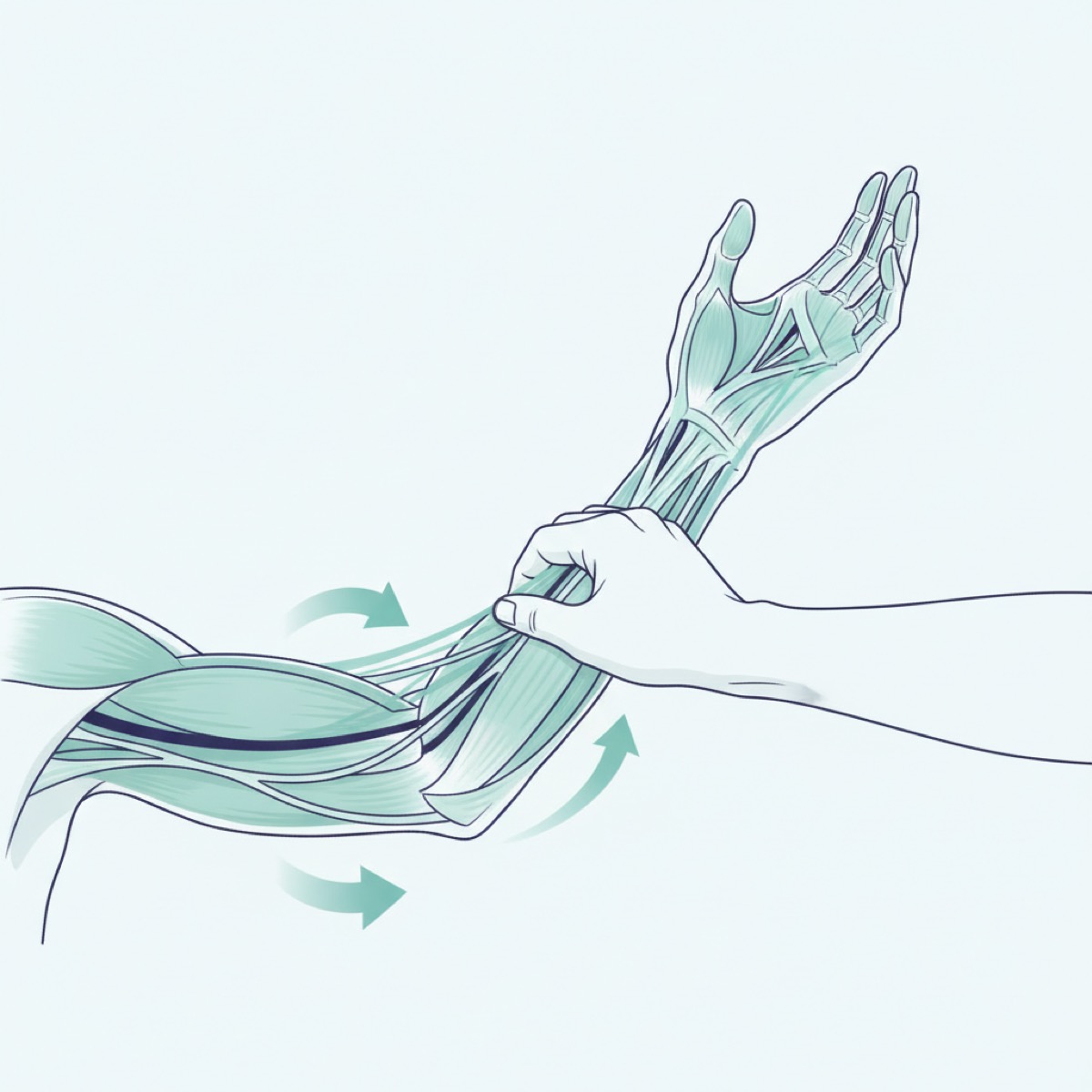
Fascia release for low back pain involves applying gentle pressure to the fascia, the connective tissue that supports and surrounds muscles. This technique aims to release tension and promote better blood flow, potentially reducing pain and enhancing flexibility [1]. By using your thumb, you can target specific areas of discomfort and help alleviate muscle tightness.
The process of fascia release is beneficial because it addresses the underlying causes of pain rather than just the symptoms. Many individuals experience relief through this method, as it can lead to improved posture and reduced muscle strain over time [2].
How does using your thumb help?
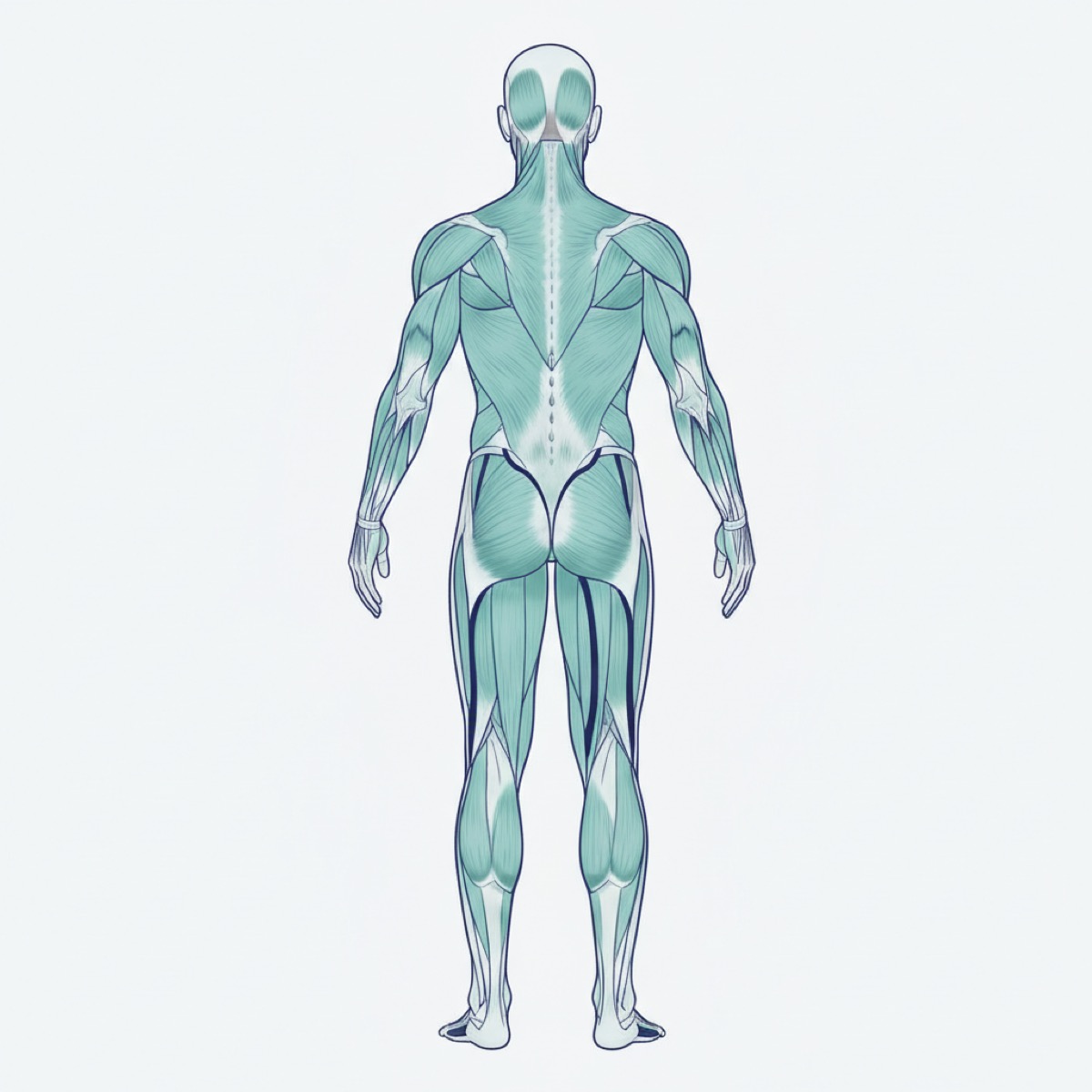
Using your thumb for fascia release is effective because it allows for precise control and pressure application. The thumb's unique shape and strength make it the perfect tool for targeting specific points of tension in the lower back [3]. This method can be done at home, providing a convenient way to manage pain without professional intervention.
By incorporating thumb-based fascia release into your routine, you can progressively enhance flexibility and reduce discomfort. This self-care practice empowers individuals to take charge of their pain management and supports overall well-being [4].
Why does my lower back hurt?
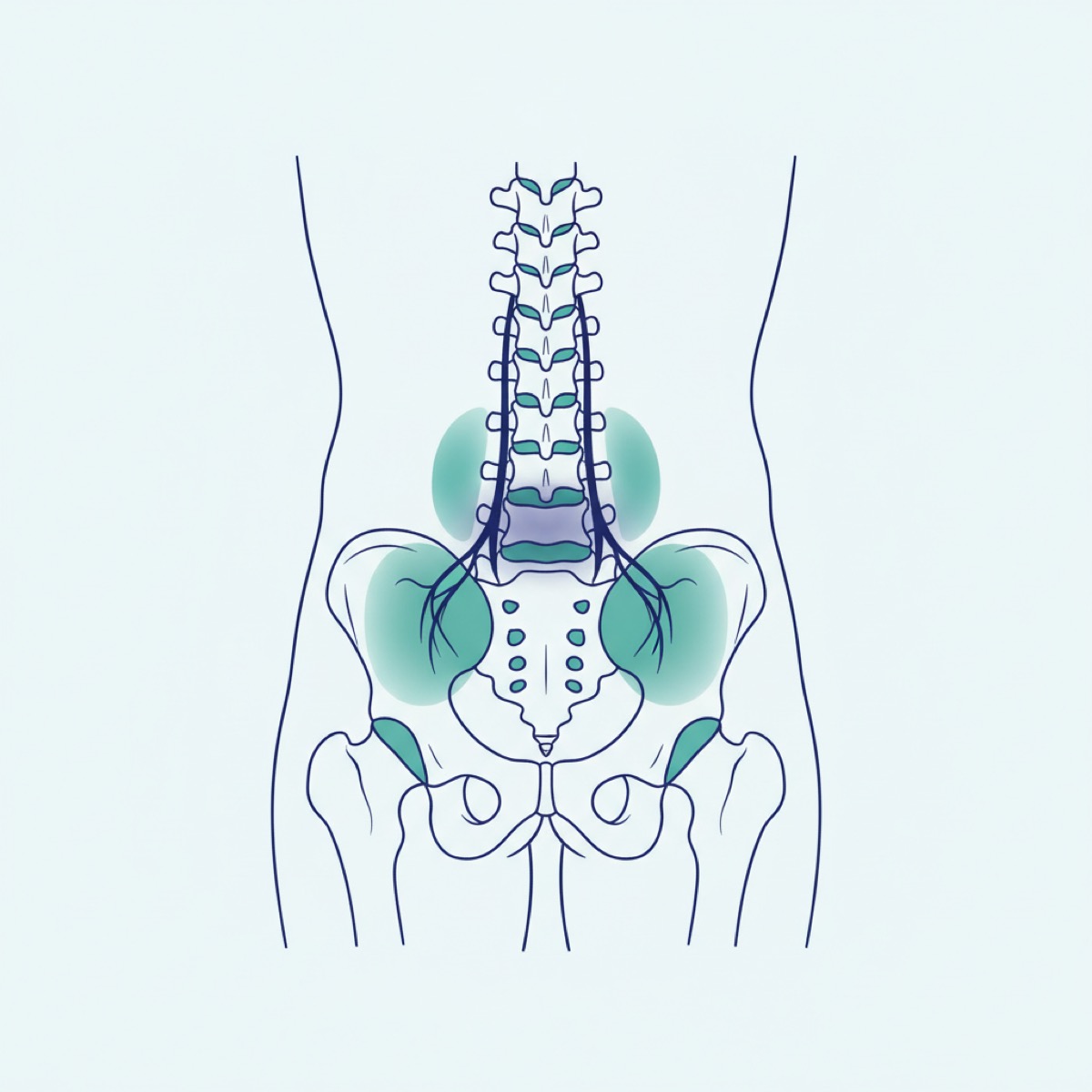
Lower back pain can arise from various factors, including poor posture, muscle strain, or underlying conditions such as herniated discs. The fascia, when tight or inflamed, can contribute to discomfort by restricting movement and causing muscle tension [5].
Understanding the root cause of your pain is crucial. Assessing your daily habits, such as sitting posture and physical activity level, can provide insights into potential triggers. Addressing these factors through fascia release and lifestyle adjustments can offer significant relief [6].
What to expect from fascia release
When engaging in fascia release for the first time, you might experience mild discomfort as the tissue begins to loosen. This sensation typically subsides, leading to a feeling of relief and increased mobility. Consistent practice can lead to long-term benefits, such as improved posture and reduced pain frequency.
It's important to approach fascia release with patience and mindfulness. Start with gentle pressure and gradually increase intensity as your body becomes accustomed to the technique. Listening to your body's responses ensures a safe and effective practice.
Frequently asked questions
Is fascia release safe? — Fascia release is generally safe when performed correctly. It's important to apply gentle pressure and avoid areas of acute pain or injury. Consult with a healthcare professional if you have concerns.
How often should I perform fascia release? — Frequency can vary depending on individual needs. Starting with a few times a week can be beneficial, adjusting as needed based on your body's response.
Can fascia release cure my back pain? — While fascia release can alleviate symptoms and improve mobility, it's not a guaranteed cure. It should be part of a comprehensive approach to pain management.
References
- [1]Palomeque-del-Cerro L, Arráez-Aybar LA, Rodríguez-Blanco C, et al. A systematic review of the soft-tissue connections between neck muscles and dura mater: the myodural bridge. Spine. 2017;42(1):49–54.
- [2]Woolf CJ. Central sensitization: implications for the diagnosis and treatment of pain. Pain. 2011;152(3 Suppl):S2–S15.
- [3]Tracey KJ. The inflammatory reflex. Nature. 2002;420(6917):853–859.
- [4]Mayer EA. Gut feelings: the emerging biology of gut–brain communication. Nat Rev Neurosci. 2011;12(8):453–466.
- [5]Cryan JF, Dinan TG. Mind-altering microorganisms: the impact of the gut microbiota on brain and behaviour. Nat Rev Neurosci. 2012;13(10):701–712.
- [6]Guo R, Chen LH, Xing C, Liu T. Pain regulation by gut microbiota: molecular mechanisms and therapeutic potential. Br J Anaesth. 2019;123(5):637–654.