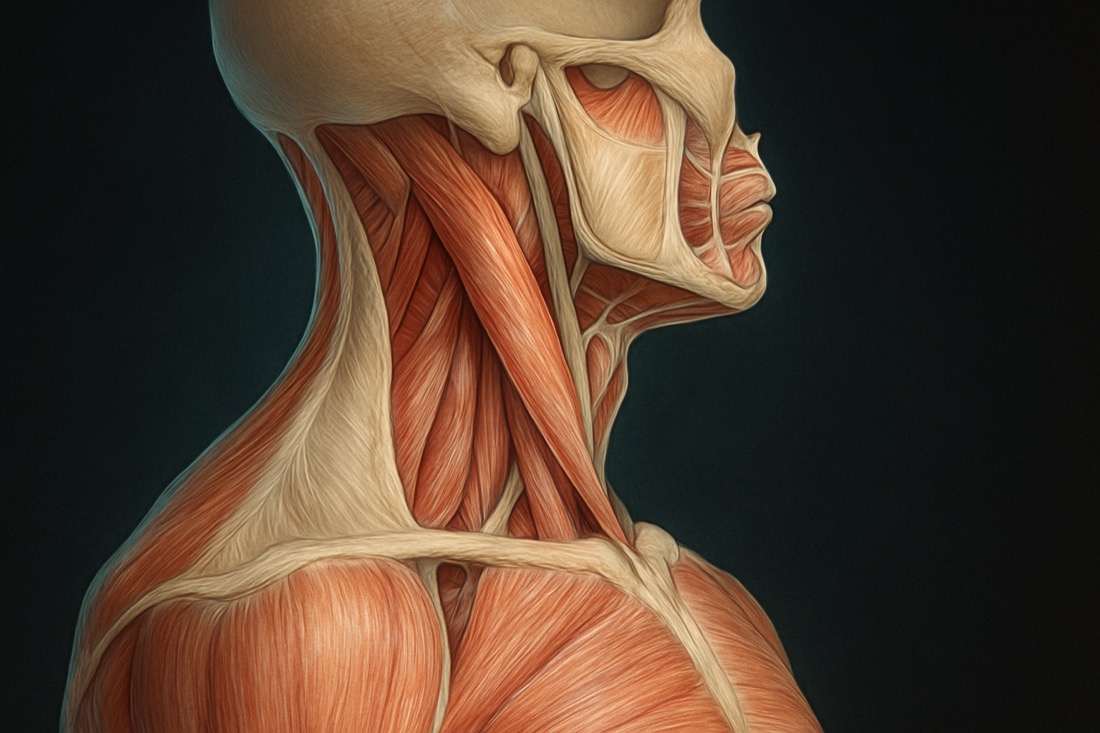
Instantly Clear Hip Impingement: The Secret Iliacus Release Technique
Original title (JP): 股関節の詰まりを一瞬で消す!腸骨筋リリース秘伝テクニック

Supervised by
Shogo Fujii
Physiotherapist (PT) · Founder of the SHOGO FUJII® FASCIA METHOD
View profile →Clinical Article · 8 min read
Experiencing persistent hip stiffness or anterior hip pain can significantly impact daily life, limiting movement and causing discomfort. For many, the underlying culprit lies within the deep hip flexor muscles, particularly the iliopsoas. Understanding how to effectively perform an **iliopsoas release for hip stiffness** is a crucial skill for clinicians, offering a non-invasive approach to restore mobility and alleviate tension. This article delves into the anatomy, assessment, and precise techniques involved, providing valuable insights for both practitioners and informed patients seeking relief.
Why Does Anterior Hip Pain and Stiffness Occur?
The iliopsoas muscle, a powerful hip flexor comprising the iliacus and psoas major, plays a pivotal role in hip movement and spinal stability [1]. Originating from the lumbar spine and pelvis, it inserts onto the lesser trochanter of the femur. Due to its deep anatomical position and continuous engagement in daily activities, the iliopsoas is highly susceptible to dysfunction.
When the iliopsoas develops adhesions, shortens, or experiences impaired fascial sliding, it can manifest as stiffness, a 'catching' sensation, or pain in the anterior hip [2]. This can restrict common movements like squatting, lunging, or even sitting cross-legged. Clinically, this anterior hip discomfort can often mimic or contribute to the early symptoms of femoroacetabular impingement (FAI) or even hip osteoarthritis (OA).
Furthermore, the structural relationship between the femoral head and the acetabulum (known as acetabular coverage) can influence hip mechanics. A shallower coverage can predispose individuals to anterior impingement and associated symptoms, making the surrounding soft tissues, like the iliopsoas, more vulnerable to strain and tightness [3]. Understanding these interconnected factors is essential for effective intervention.
The Importance of Accurate Assessment and Differential Diagnosis
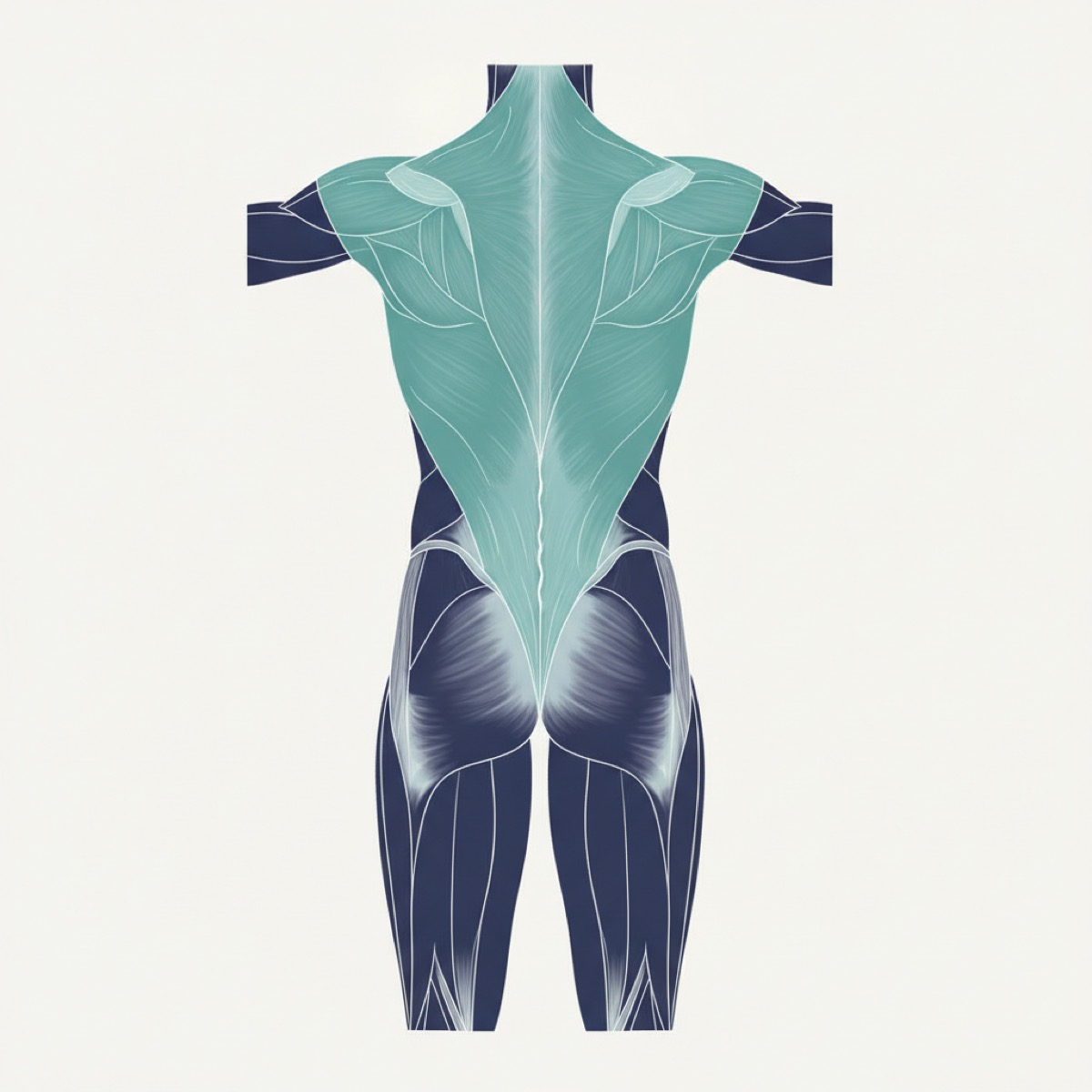
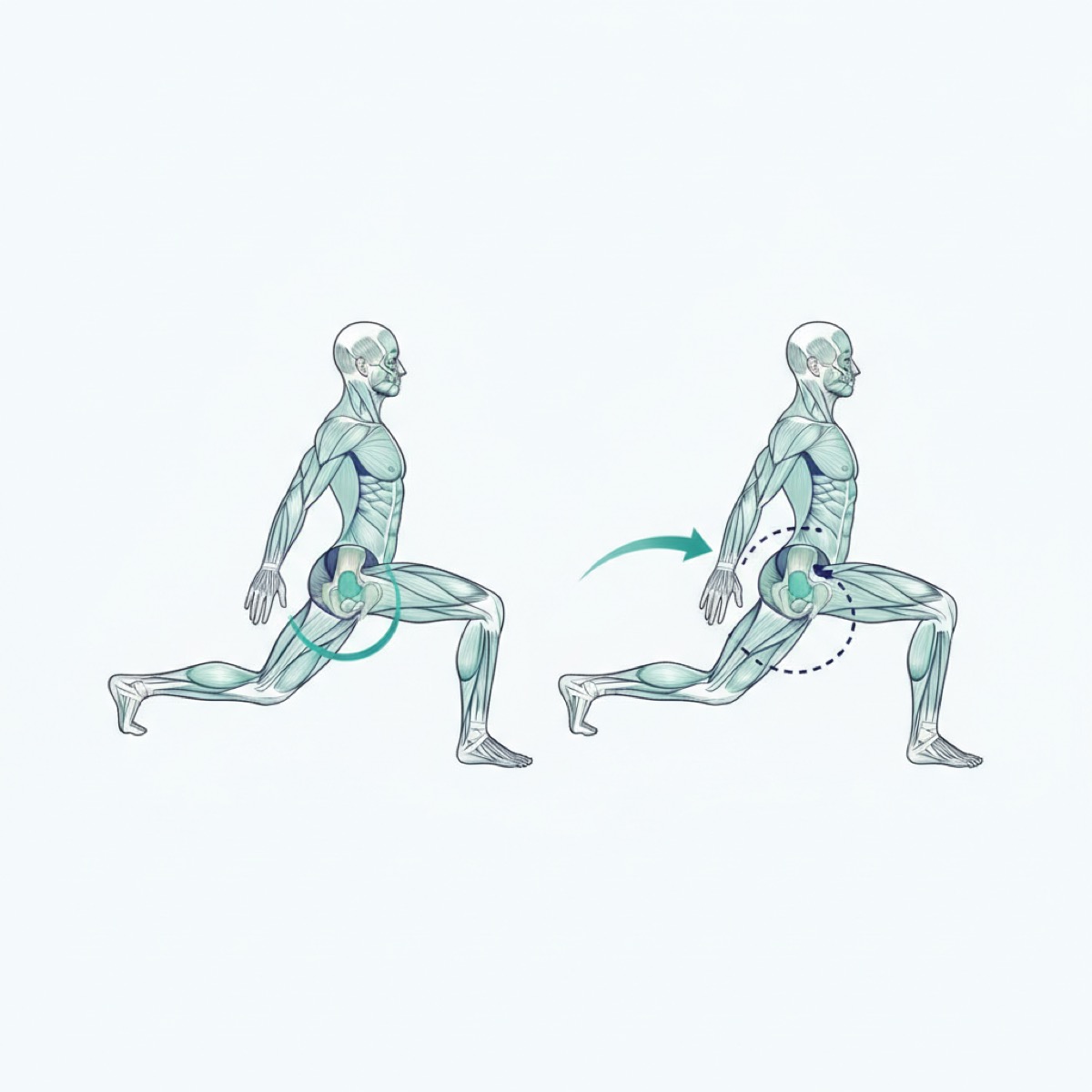
Before initiating any release technique, a thorough assessment is paramount to differentiate between myofascial dysfunction and underlying structural pathologies. Clinicians should inquire about family history of hip osteoarthritis and any previous orthopedic diagnoses. A key diagnostic tool is the 'pain provocation test,' where the patient performs a movement that typically elicits their pain (e.g., a lunge).
During the pain provocation test, the clinician can manually compress or stabilize the suspected problematic muscle, such as the iliopsoas. If this maneuver reduces the patient's pain or improves their range of motion, it suggests a significant myofascial component to their symptoms. This immediate, palpable change can also serve as a powerful tool to gain patient consent and demonstrate the potential benefits of the treatment [4].
However, it is crucial to recognize the limitations of manual therapy, especially when structural changes are present. If a patient’s symptoms suggest advanced hip osteoarthritis, bone spurs, or significant acetabular coverage issues, referral to an orthopedic specialist for imaging (such as X-rays) is essential. In many regions, physiotherapists are legally unable to diagnose such conditions or order imaging, underscoring the importance of interdisciplinary collaboration for comprehensive patient care.
Mastering the Iliopsoas Release Technique
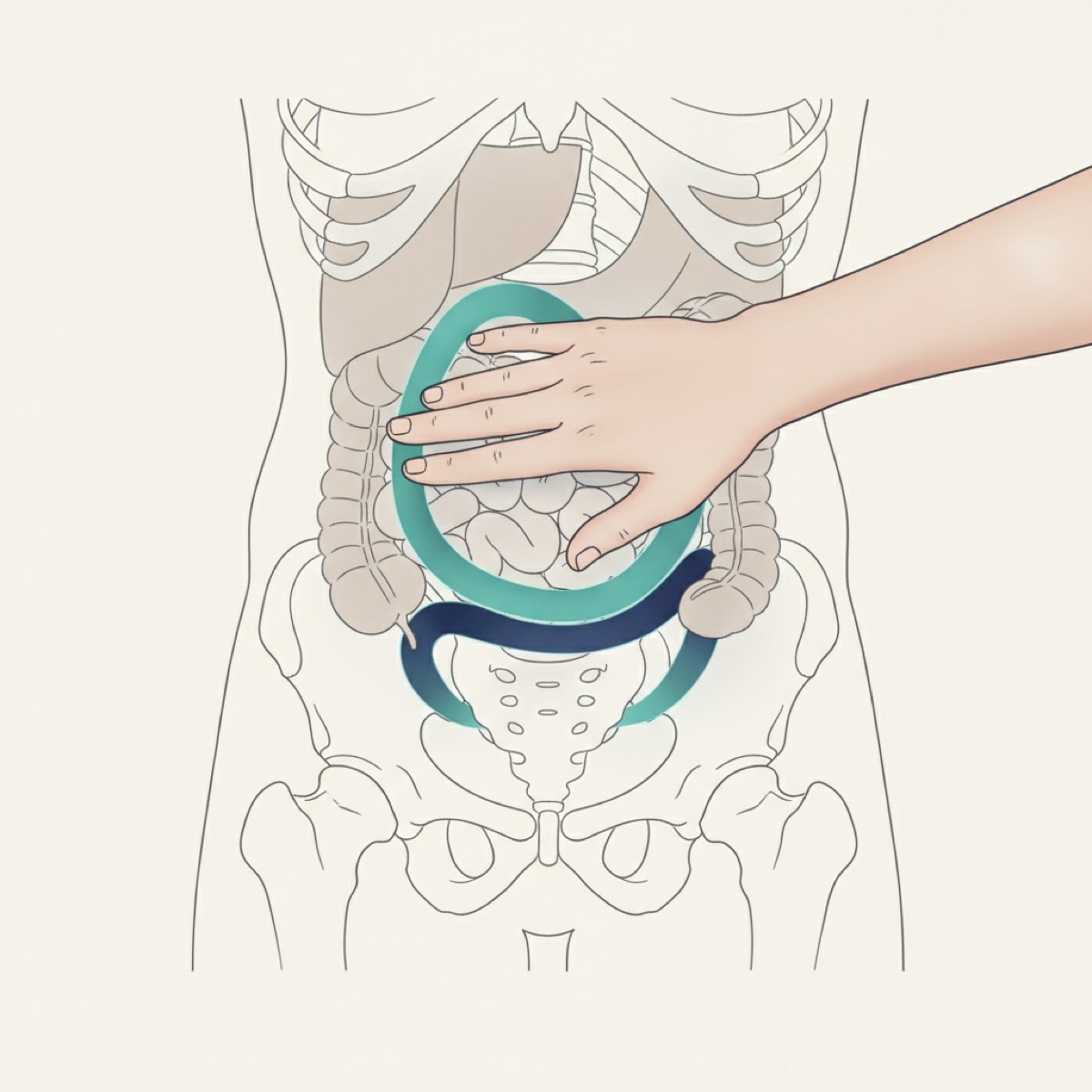
The effectiveness of an iliopsoas release hinges on a delicate, precise touch and a deep understanding of the muscle's anatomy. The patient typically lies supine with the knee bent to help relax the hip flexors. The clinician begins by locating the Anterior Superior Iliac Spine (ASIS) – a prominent bony landmark on the pelvis.
From the ASIS, the palpation proceeds inferiorly and medially, aiming to gently access the iliacus portion of the iliopsoas. A common pitfall is using excessive force; the touch must be soft and sensitive to allow the therapist's fingers to sink into the tissue without causing guarding or discomfort. The technique involves a specific 'insert and gently withdraw' motion, where the clinician identifies a point of tissue resistance, then subtly eases pressure to allow the muscle to 'release' or 'soften' [5].
This 'release point' (緩む位置 or 抜ける in Japanese) is a distinct sensation where the tissue under the fingers feels less dense, almost as if a small 'gap' or 'softness' emerges. This point can vary significantly from person to person. Once this release is felt, the clinician maintains a gentle, sustained pressure, often incorporating a subtle oscillation or mobilization. During this process, monitoring the patient's breathing and observing for physiological signs of relaxation, such as abdominal gurgling, can indicate a successful release.
Integrating Fascia Release with Patient Education and Goal Setting
Effective fascia therapy extends beyond the physical technique; it encompasses thorough patient education and collaborative goal setting. Before any hands-on treatment, it's vital to establish a shared understanding of the patient's problem. Many patients, despite experiencing significant discomfort, may not fully acknowledge the extent of their issue. Demonstrating the problem through a pain provocation test and then showing immediate improvement can be a powerful motivator and builds trust.
After the release, re-evaluating the initial aggravating movement (e.g., the lunge) provides objective evidence of improvement, reinforcing the treatment's efficacy for the patient. This positive feedback is crucial for patient compliance and repeat visits. However, clinicians must also manage expectations realistically. While fascia release can significantly alleviate myofascial pain and improve range of motion, it is not a cure for advanced structural pathologies like severe hip osteoarthritis (Stage 3 or 4), which may ultimately require surgical intervention [6].
For patients with complex conditions, the most effective approach often involves a collaborative strategy: combining fascia therapy to address soft tissue restrictions with ongoing medical management and orthopedic consultation. A clinician's deep understanding of hip joint pathology, including the stages of osteoarthritis, is indispensable for providing appropriate care, setting achievable goals, and knowing when to refer for specialized medical intervention.
Frequently asked questions
**Is iliopsoas release safe?** — Yes, when performed by a trained and knowledgeable clinician, iliopsoas release is generally safe. However, a thorough assessment is crucial to rule out underlying conditions or contraindications that might make the technique unsuitable for certain individuals. Always consult with a healthcare professional to determine if this treatment is appropriate for your specific condition.
**How quickly can I expect results from iliopsoas release?** — Many patients experience immediate relief from stiffness and improved range of motion following an iliopsoas release, as demonstrated in clinical practice. However, sustained improvement often requires addressing contributing factors, consistent home exercises, and potentially multiple sessions. The speed and longevity of results can vary depending on the individual's condition and adherence to post-treatment recommendations.
**Can iliopsoas release help with hip osteoarthritis?** — Iliopsoas release can be beneficial in managing myofascial pain and improving mobility associated with early-stage hip osteoarthritis by addressing muscle tightness and fascial restrictions. It can help alleviate symptoms and improve functional movement. However, it is not a cure for the structural degeneration of advanced osteoarthritis. For severe cases, it should be considered an adjunctive therapy, ideally integrated with ongoing medical management and orthopedic consultation.
References
- [1]Ajimsha MS, Al-Mudahka NR, Al-Madzhar JA. Effectiveness of myofascial release: a systematic review of randomized controlled trials. J Bodyw Mov Ther. 2015;19(1):102–112.
- [2]Tozzi P, Bongiorno D, Vitturini C. Fascial release effects on patients with non-specific cervical or lumbar pain. J Bodyw Mov Ther. 2011;15(4):405–416.
- [3]Zügel M, Maganaris CN, Wilke J, et al. Fascial tissue research in sports medicine: from molecules to tissue adaptation, injury and diagnostics: consensus statement. Br J Sports Med. 2018;52(23):1497.
- [4]Klingler W, Velders M, Hoppe K, Pedro M, Schleip R. Clinical relevance of fascial tissue and dysfunctions. Curr Pain Headache Rep. 2014;18(8):439.
- [5]Wilke J, Vogt L, Niederer D, Banzer W. Is remote stretching based on myofascial chains as effective as local exercise? A randomised-controlled trial. J Sports Sci. 2017;35(20):2021–2027.
- [6]Palomeque-del-Cerro L, Arráez-Aybar LA, Rodríguez-Blanco C, et al. A systematic review of the soft-tissue connections between neck muscles and dura mater: the myodural bridge. Spine. 2017;42(1):49–54.
Related videos
Palpation X-Ray #84 | Is the Sacrum Really a Flat Plate? It's a Wedge, Wide at the Top and Narrowing Downward — Trace Down from the Lumbar Spine and Confirm at Gluteus Maximus
0:56
Dramatic Improvement in One Session: Manual Approach to the Pelvic Girdle, with Palpation of Anatomical Landmarks and Movement Assessment Before and After (Hands-On Demo)
5:48