Is Our Pelvic Adjustment Technique the Best in the World? Find Out!
Original title (JP): 【証言】俺らがやってる骨盤調整は世界一だと言える。本当かどうかこの動画を見て確かめてみてくれ!

Supervised by
Shogo Fujii
Physiotherapist (PT) · Founder of the SHOGO FUJII® FASCIA METHOD
View profile →Clinical Article · 5 min read
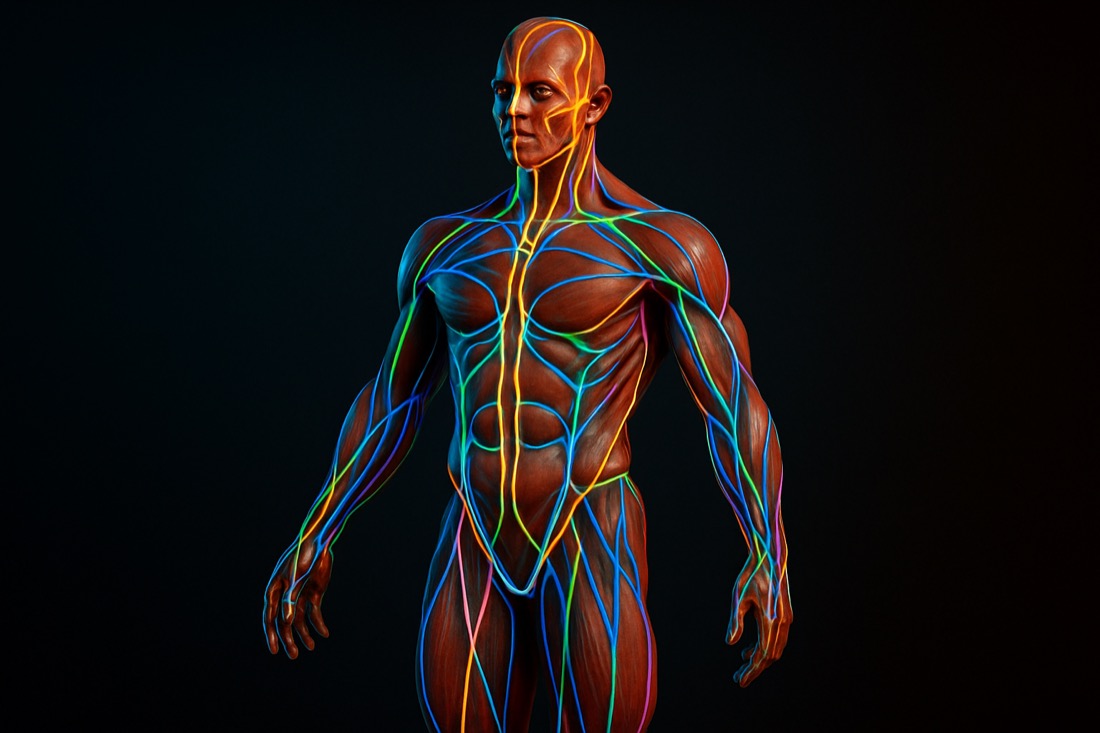
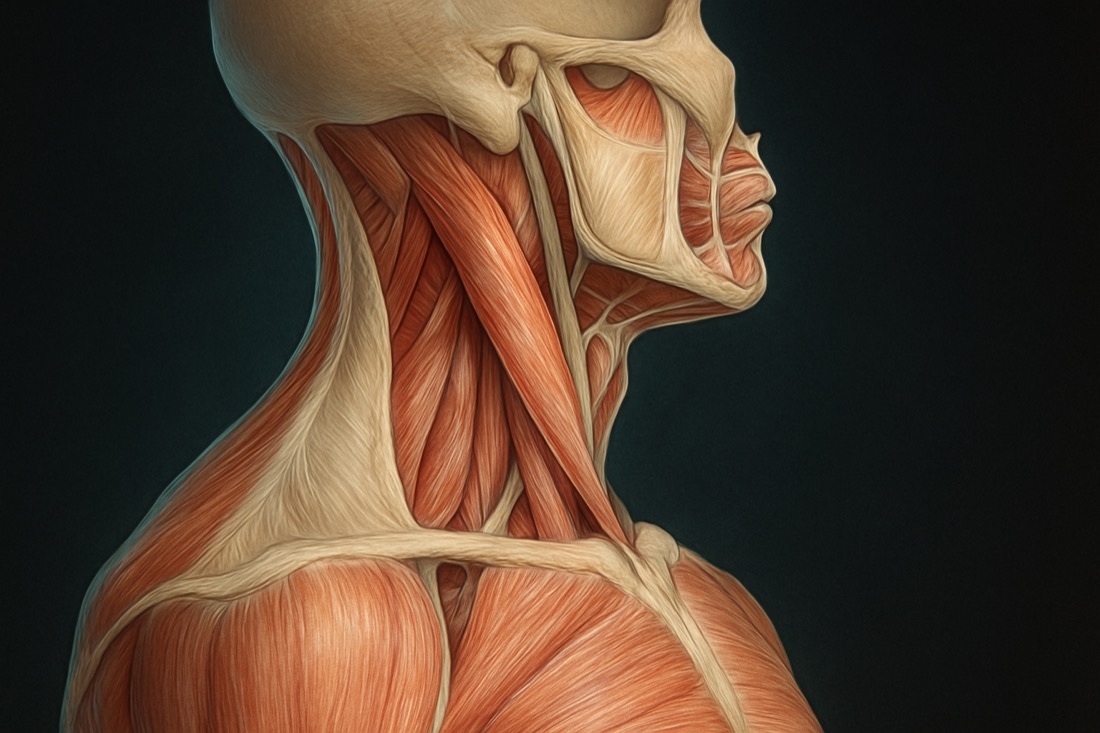
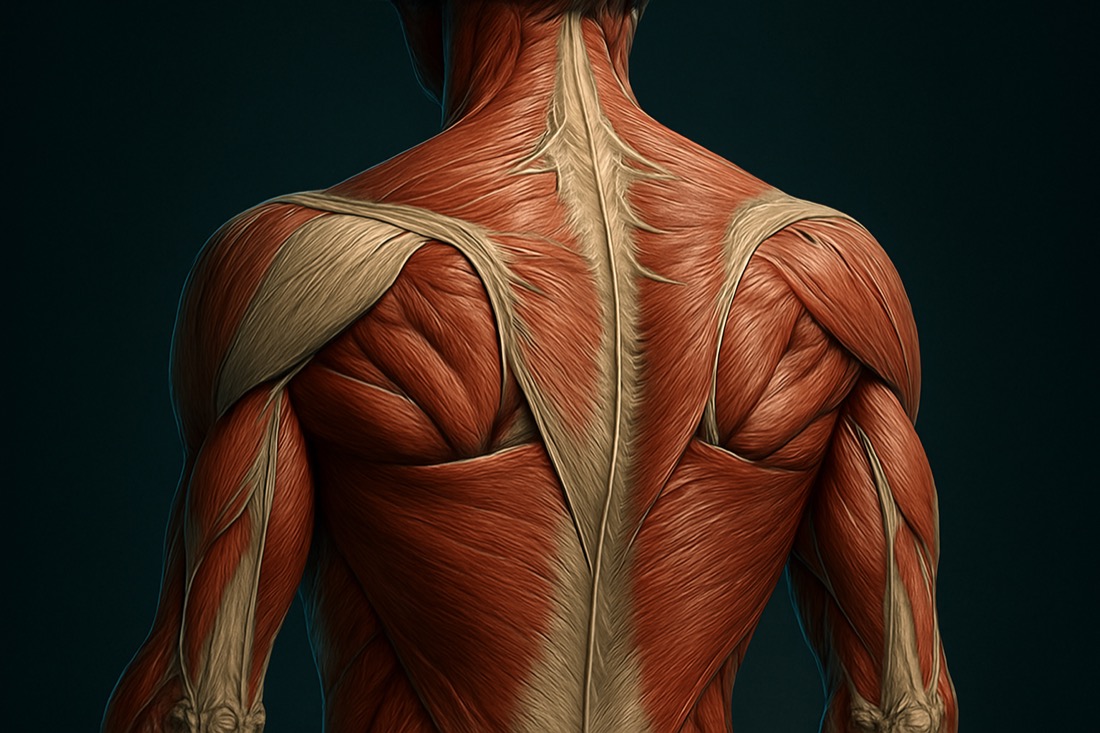
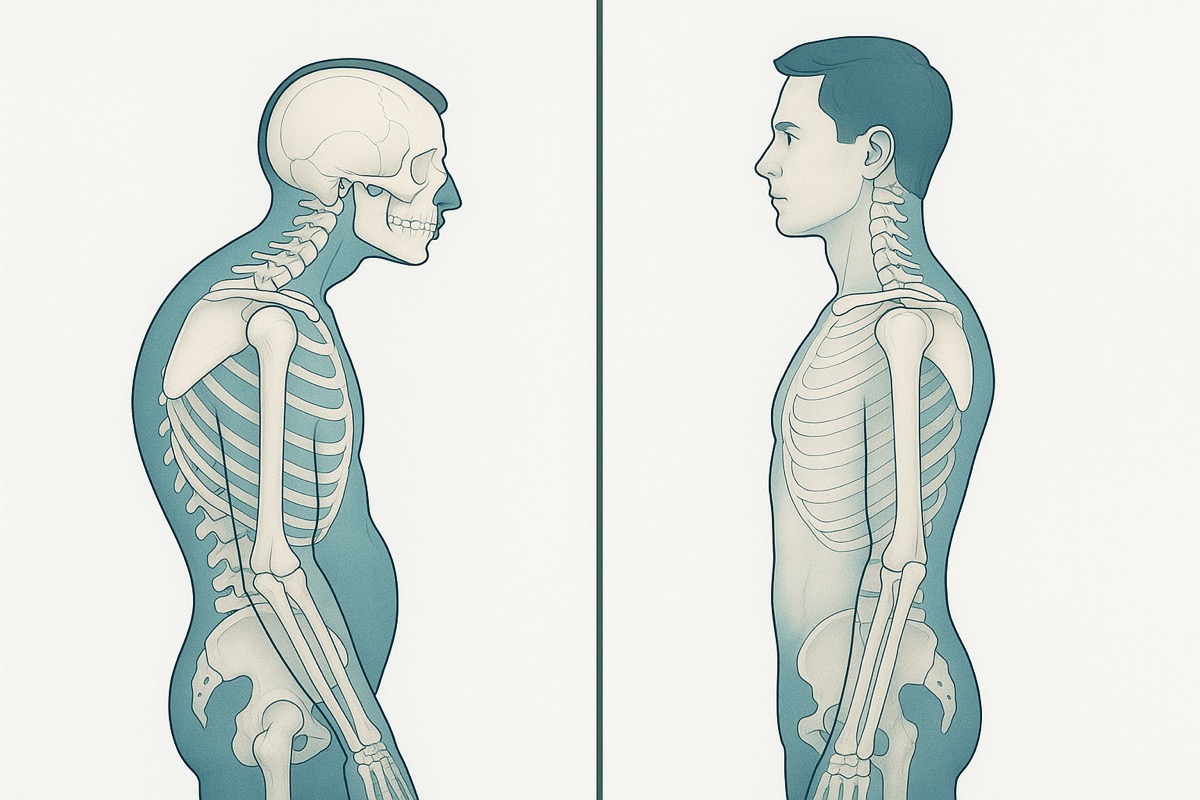
Fascia release for low back pain is gaining attention for its potential to alleviate discomfort and improve posture. Shogo Fujii's unique pelvic adjustment technique stands out in the world of fascia therapy, promising a deeper level of treatment that few practitioners achieve. By focusing on the fascia's role in pain and movement, Fujii offers a compelling approach for both clinicians and informed patients.
How does fascia release alleviate low back pain?
Fascia release is a technique that aims to address pain and discomfort by manipulating the connective tissue surrounding muscles and organs. In the context of low back pain, fascia release can help improve mobility and reduce tension by targeting the fascia's intricate network [1].
Shogo Fujii's method involves a gentle, yet effective, manipulation of the pelvic region, which can lead to noticeable improvements in posture and pain relief. This approach is particularly beneficial for those who have experienced persistent pain that does not respond to traditional methods [2].
Why is Shogo Fujii's technique considered unique?
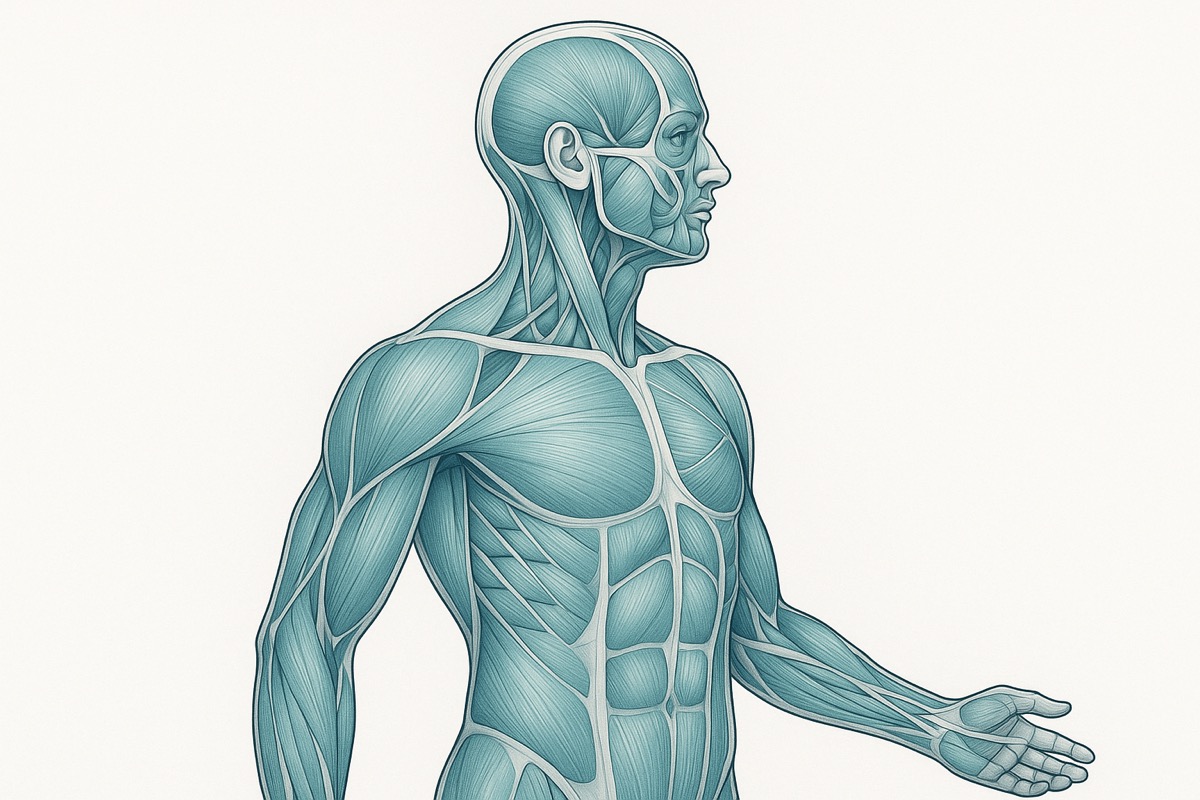
Shogo Fujii emphasizes the importance of the pelvic region in overall body alignment and function. His technique is distinguished by its focus on deep pelvic adjustments that do not require direct manipulation of other body parts like the neck or shoulders [3].
By concentrating on the pelvis, Fujii's method aims to realign the body's structure naturally, allowing for improved movement and reduced discomfort in areas such as the low back. This holistic approach is not commonly found in other fascia release techniques [4].
What are the benefits of attending a fascia release workshop?
Attending a fascia release workshop, especially one led by Shogo Fujii, offers hands-on experience in mastering his unique pelvic adjustment techniques. These workshops provide an opportunity to learn directly from the expert and gain insights that are difficult to achieve through self-study [5].
Participants can expect to see firsthand the changes in body alignment and facial expressions that result from effective fascia release. Such workshops also foster a deeper understanding of how fascia impacts overall health and movement [6].
How does fascia release impact overall health?
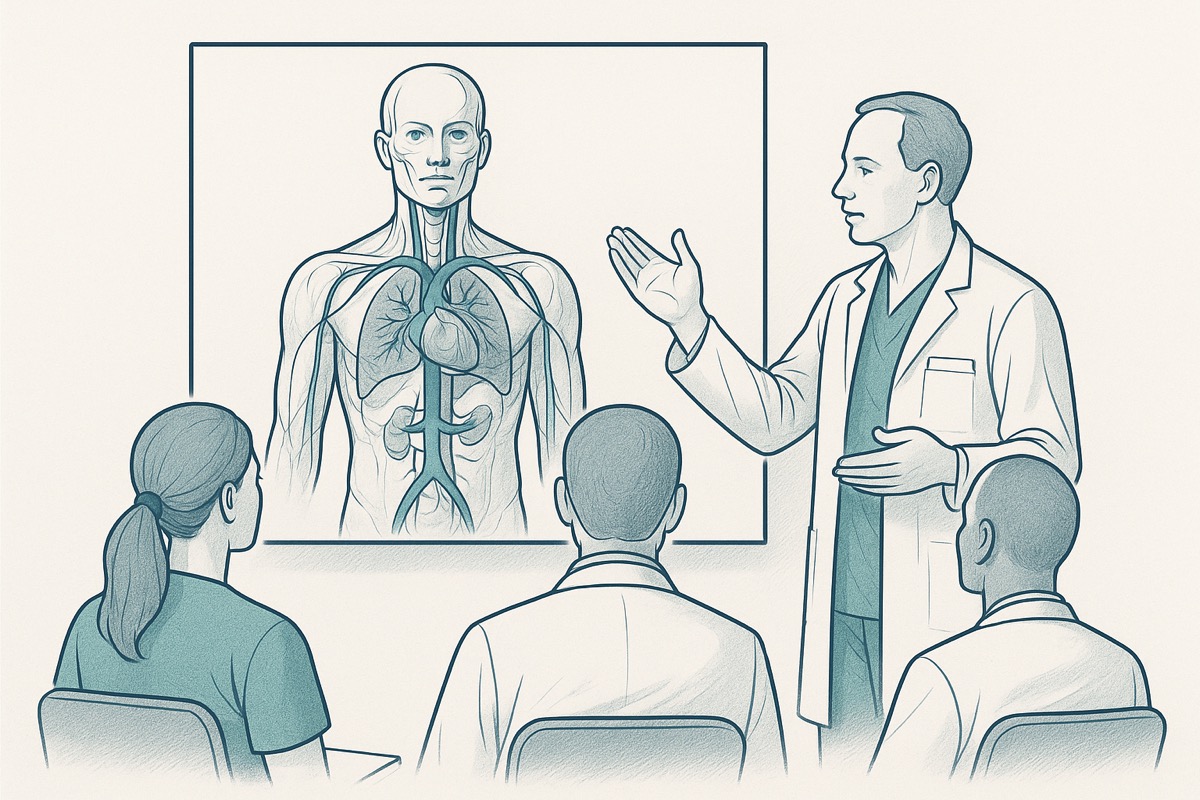
Fascia release not only targets pain relief but also enhances overall health by improving circulation and reducing stress on the body's systems. This technique can lead to better sleep quality, reduced stress levels, and a greater sense of well-being [1].
By addressing restrictions in the fascia, individuals may experience increased flexibility and mobility, which contributes to a more active and pain-free lifestyle. This holistic impact on health makes fascia release a valuable tool for both patients and practitioners [2].
Frequently asked questions
Is fascia release safe? — Fascia release is generally considered safe when performed by a trained professional. It is non-invasive and focuses on gentle manipulation, reducing the risk of adverse effects.
How long does it take to see results from fascia release? — Results can vary, but many individuals report feeling immediate relief, with more significant improvements seen over a series of sessions.
Can fascia release help with other conditions besides low back pain? — Yes, fascia release can be beneficial for various conditions, including neck pain, headaches, and general muscle stiffness, by addressing the underlying fascia restrictions.
References
- [1]Ajimsha MS, Al-Mudahka NR, Al-Madzhar JA. Effectiveness of myofascial release: a systematic review of randomized controlled trials. J Bodyw Mov Ther. 2015;19(1):102–112.
- [2]Tozzi P, Bongiorno D, Vitturini C. Fascial release effects on patients with non-specific cervical or lumbar pain. J Bodyw Mov Ther. 2011;15(4):405–416.
- [3]Zügel M, Maganaris CN, Wilke J, et al. Fascial tissue research in sports medicine: from molecules to tissue adaptation, injury and diagnostics: consensus statement. Br J Sports Med. 2018;52(23):1497.
- [4]Klingler W, Velders M, Hoppe K, Pedro M, Schleip R. Clinical relevance of fascial tissue and dysfunctions. Curr Pain Headache Rep. 2014;18(8):439.
- [5]Wilke J, Vogt L, Niederer D, Banzer W. Is remote stretching based on myofascial chains as effective as local exercise? A randomised-controlled trial. J Sports Sci. 2017;35(20):2021–2027.
- [6]Langevin HM. Connective tissue: a body-wide signaling network? Med Hypotheses. 2006;66(6):1074–1077.