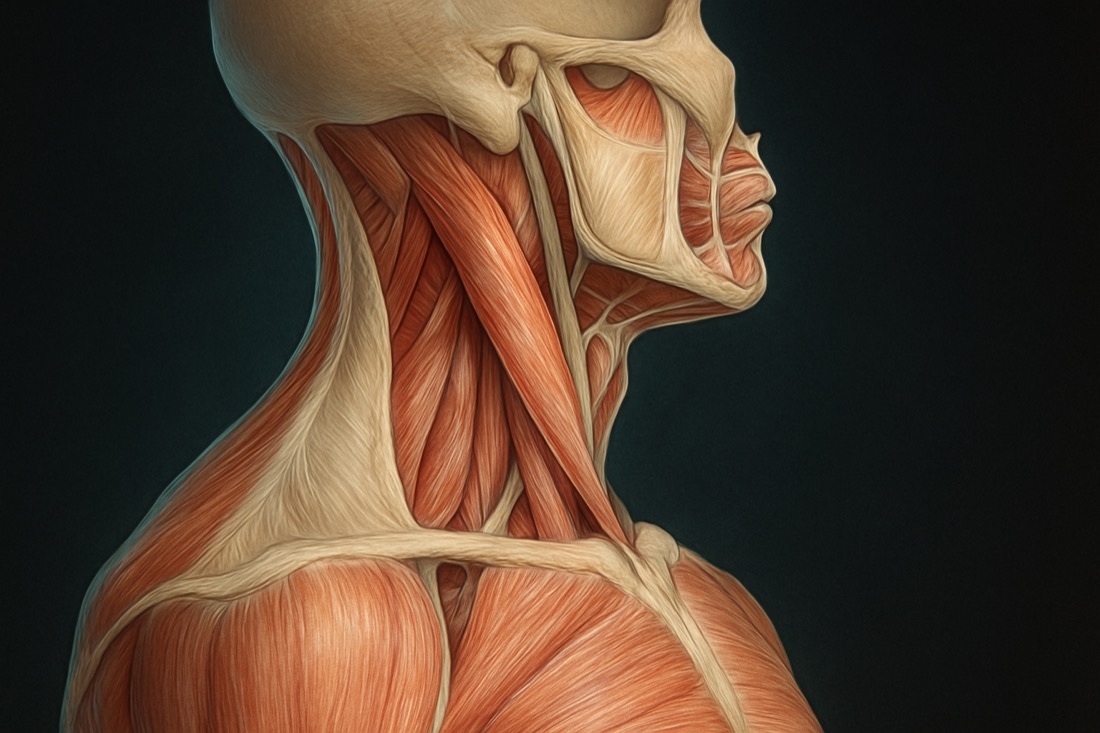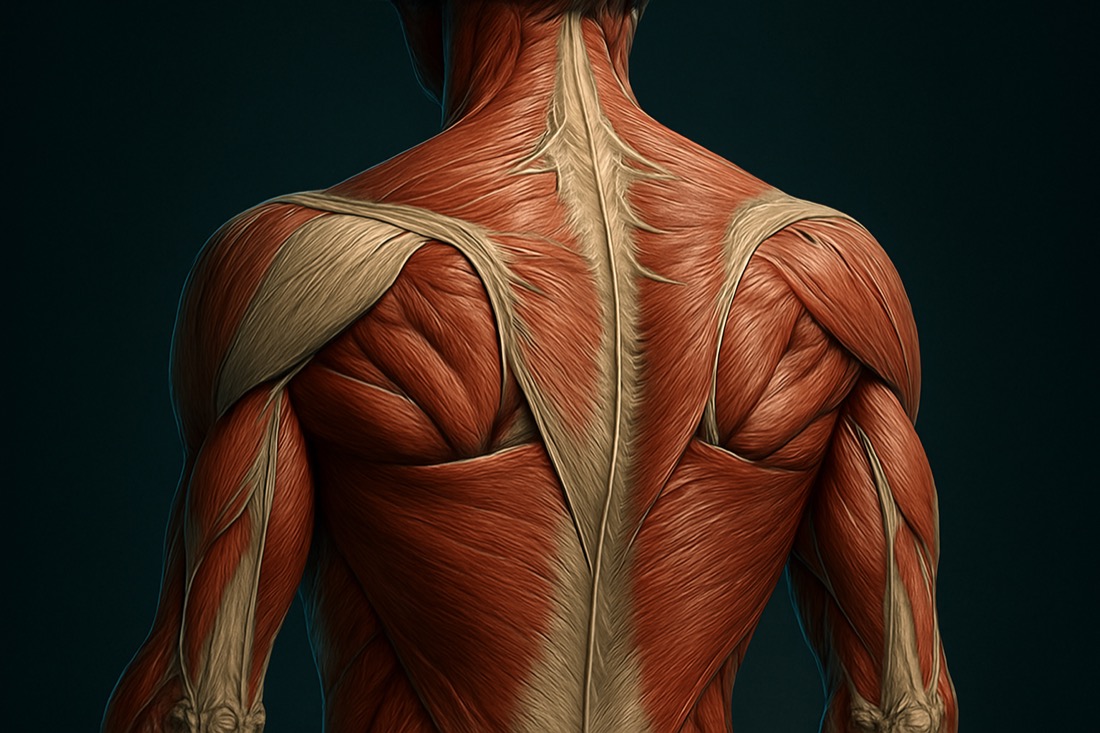
Revolutionary Technique for a Smaller Face from the Pelvis!
Original title (JP): 世界初公開!骨盤から小顔にできる魔法のテクニック!

Supervised by
Shogo Fujii
Physiotherapist (PT) · Founder of the SHOGO FUJII® FASCIA METHOD
View profile →Clinical Article · 5 min read
Exploring the connection between fascia release for low back pain and facial aesthetics, Shogo Fujii introduces a groundbreaking technique that utilizes the pelvis to potentially influence facial structure. This approach challenges conventional beauty methods, offering a unique perspective on how the body's fascia can impact overall appearance.
How can fascia release affect facial structure?
Fascia release is a therapeutic technique that targets the connective tissue encasing muscles, nerves, and organs. Shogo Fujii's innovative method suggests that by manipulating the fascia in the pelvic region, one can influence the structure of the face, particularly around the cheekbones and jawline. This approach posits that tension and imbalances in the fascia can have a cascading effect throughout the body, including the facial area [1].
The technique involves a specific touch and manipulation of the pelvic area, aiming to release tension in the fascia. Practitioners are encouraged to feel for hard areas near the sacroiliac joint and gently massage them to promote relaxation and fascia release. This method is said to help in realigning the body's fascia, potentially leading to a more refined facial appearance.
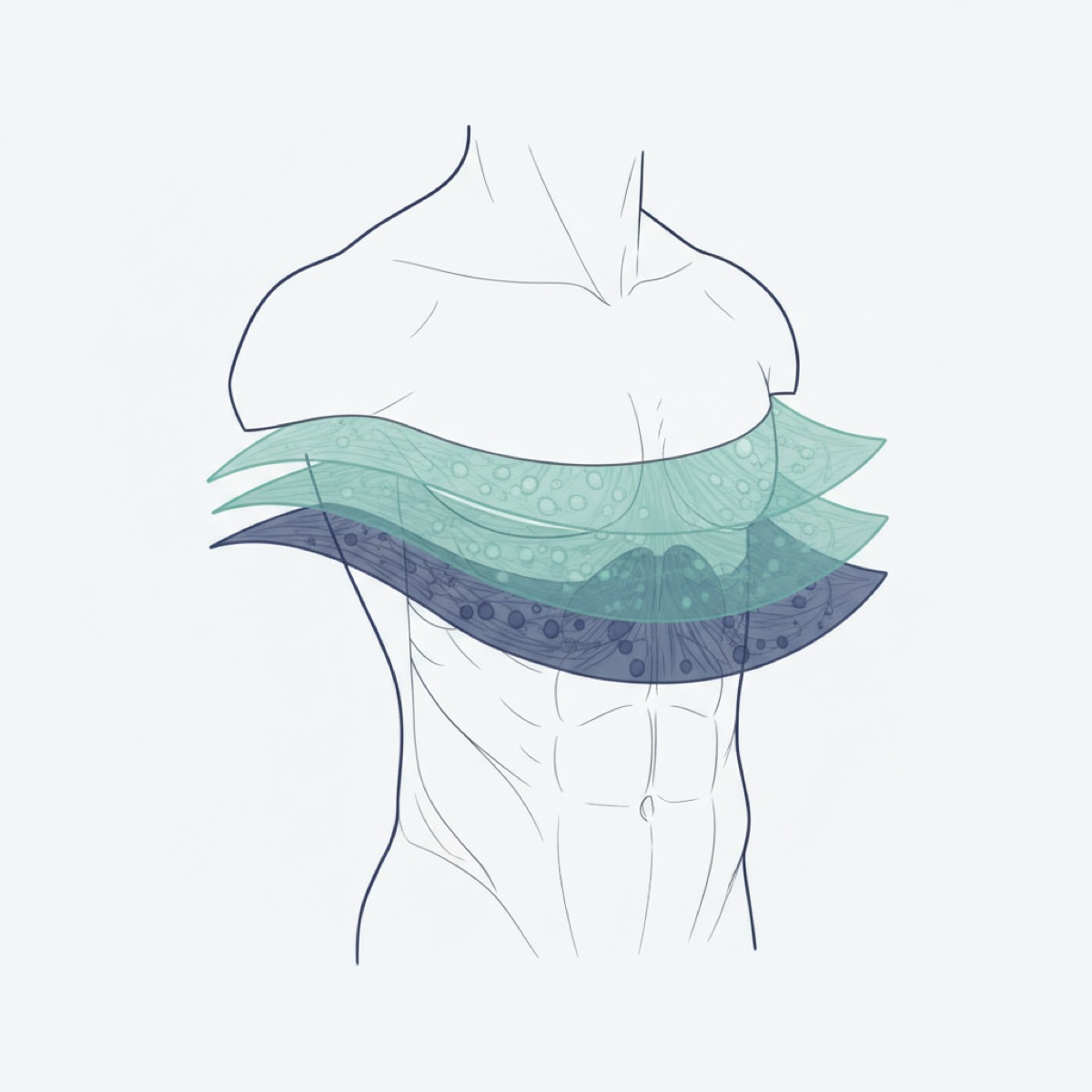
Why does fascia release impact the low back?
The low back is a common area of concern for many individuals experiencing discomfort, often due to tension in the fascia. Fascia release techniques are designed to alleviate this tension, which can contribute to pain relief and improved mobility. By focusing on the fascia surrounding the pelvis, practitioners aim to address the root cause of low back pain [2].
Fascia release in the pelvic region can also enhance the body's alignment and balance, potentially reducing strain on the low back. This holistic approach considers the interconnectedness of the body's systems, where tension in one area can affect other regions, including the lower back.
What to expect during a fascia release session?
During a fascia release session focused on the pelvis, clients typically lie face down while the practitioner gently manipulates the pelvic area. The process involves feeling for tension points and using a combination of pressure and movement to encourage fascia relaxation. This can sometimes be accompanied by a sense of warmth or release as the fascia begins to respond [3].
Clients may notice immediate changes in their facial structure, such as reduced puffiness or a more defined jawline. However, results can vary, and multiple sessions might be necessary to achieve desired outcomes. The technique is gentle and should not cause discomfort, making it suitable for a wide range of individuals.
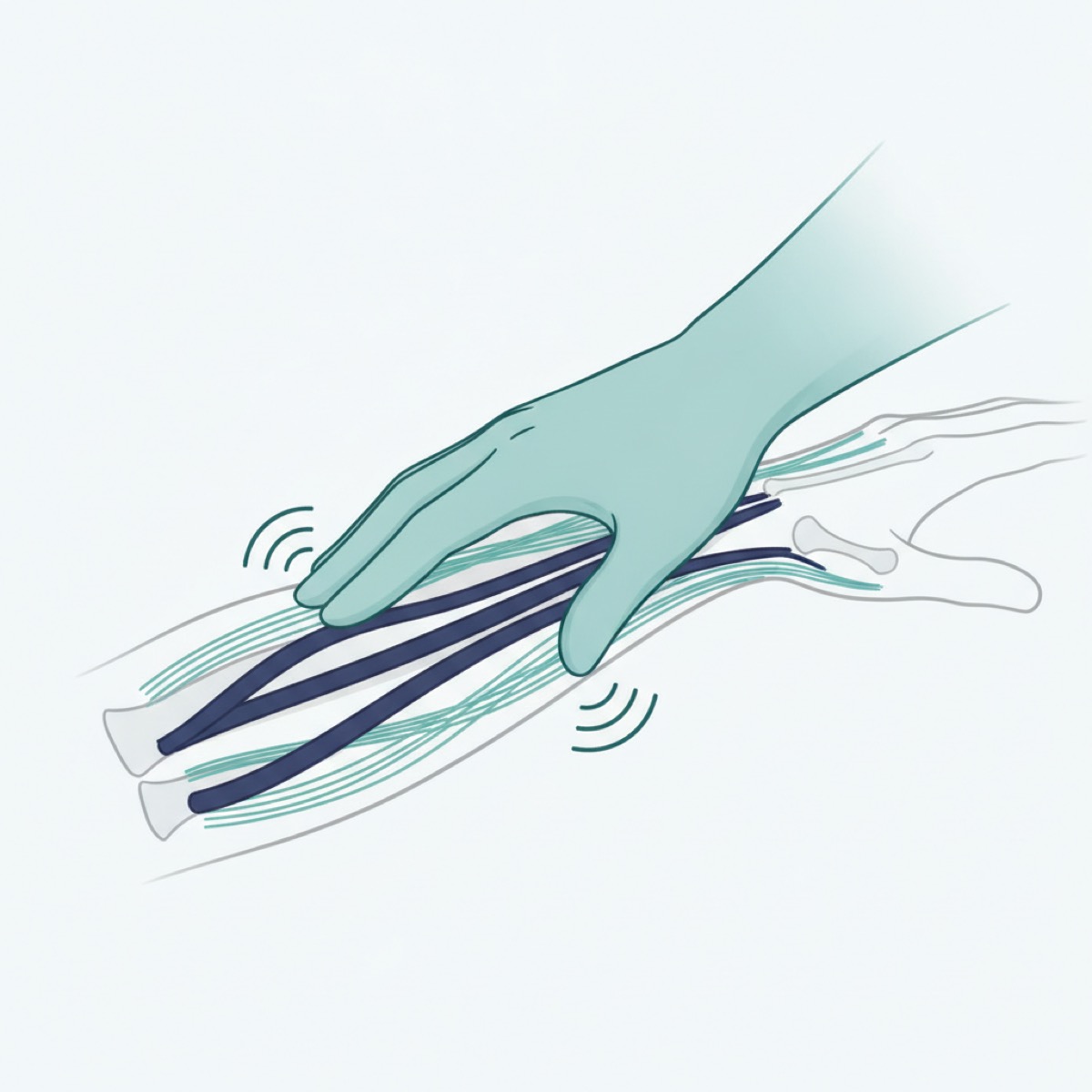
Benefits of pelvic fascia release for overall health
Pelvic fascia release not only targets facial aesthetics but also offers potential benefits for overall health. By alleviating tension in the pelvis, this technique can improve posture, enhance mobility, and reduce chronic pain in the lower back and hips [4]. It supports the body's natural alignment, which can lead to better function and movement efficiency.
Additionally, this approach may promote a sense of relaxation and well-being, as releasing fascia tension can have a calming effect on the nervous system. This holistic benefit emphasizes the interconnected nature of the body's systems and the potential for fascia release to contribute to overall health and vitality.
Frequently asked questions
Is fascia release safe? — Yes, when performed by a trained practitioner, fascia release is generally considered safe. It is a non-invasive technique that aims to gently relieve tension in the connective tissue.
How long do the effects of fascia release last? — The duration of the effects can vary from person to person. Some may experience immediate relief, while others may require multiple sessions to achieve lasting results.
Can fascia release help with other conditions? — While primarily used for pain relief and improving mobility, fascia release may also benefit conditions such as headaches and stress by promoting overall relaxation and improved circulation [5].
References
- [1]Tozzi P, Bongiorno D, Vitturini C. Fascial release effects on patients with non-specific cervical or lumbar pain. J Bodyw Mov Ther. 2011;15(4):405–416.
- [2]Zügel M, Maganaris CN, Wilke J, et al. Fascial tissue research in sports medicine: from molecules to tissue adaptation, injury and diagnostics: consensus statement. Br J Sports Med. 2018;52(23):1497.
- [3]Klingler W, Velders M, Hoppe K, Pedro M, Schleip R. Clinical relevance of fascial tissue and dysfunctions. Curr Pain Headache Rep. 2014;18(8):439.
- [4]Wilke J, Vogt L, Niederer D, Banzer W. Is remote stretching based on myofascial chains as effective as local exercise? A randomised-controlled trial. J Sports Sci. 2017;35(20):2021–2027.
- [5]Palomeque-del-Cerro L, Arráez-Aybar LA, Rodríguez-Blanco C, et al. A systematic review of the soft-tissue connections between neck muscles and dura mater: the myodural bridge. Spine. 2017;42(1):49–54.
- [6]Woolf CJ. Central sensitization: implications for the diagnosis and treatment of pain. Pain. 2011;152(3 Suppl):S2–S15.