Relieving Neck, Shoulder, and Lower Back Pain through Pectoralis Minor Release
Original title (JP): 小胸筋のリリースで首肩腰の痛みを治す #筋膜 #治し方 #筋膜リリース

Supervised by
Shogo Fujii
Physiotherapist (PT) · Founder of the SHOGO FUJII® FASCIA METHOD
View profile →Clinical Article · 5 min read
Discover the benefits of fascia release for low back pain, a technique that can also alleviate discomfort in the neck and shoulders. By targeting the pectoralis minor, this approach can help improve mobility and reduce pain. Learn how this method works and what you can expect during the process.
Why does my lower back hurt?
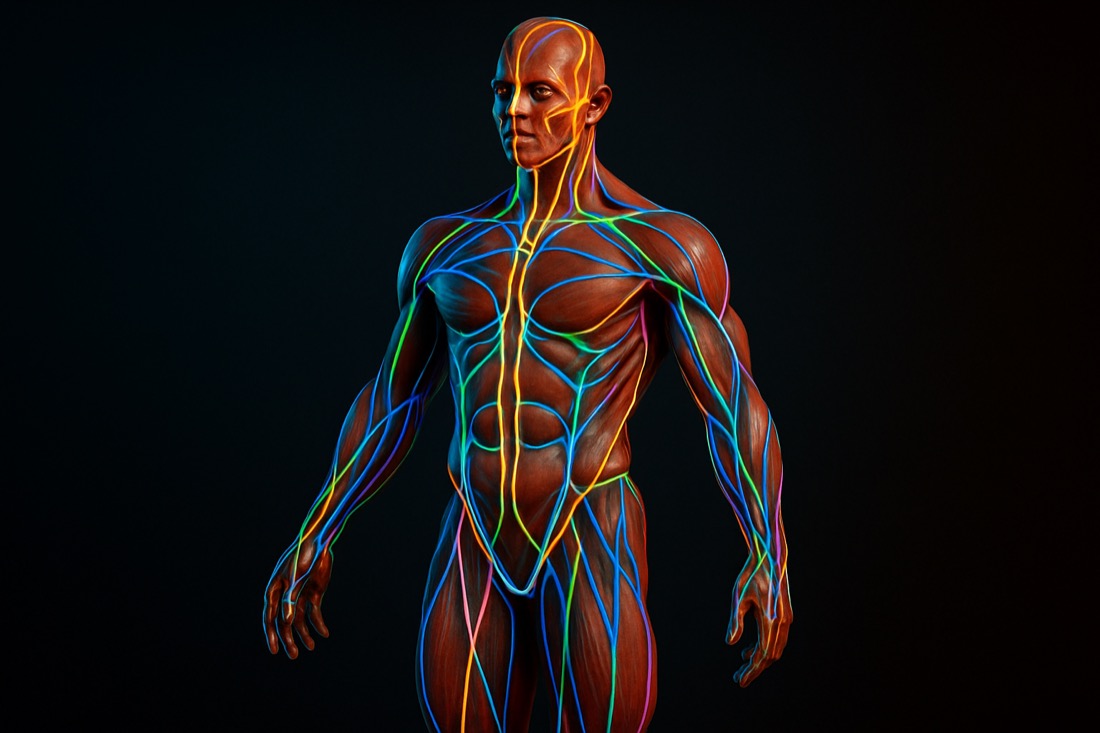
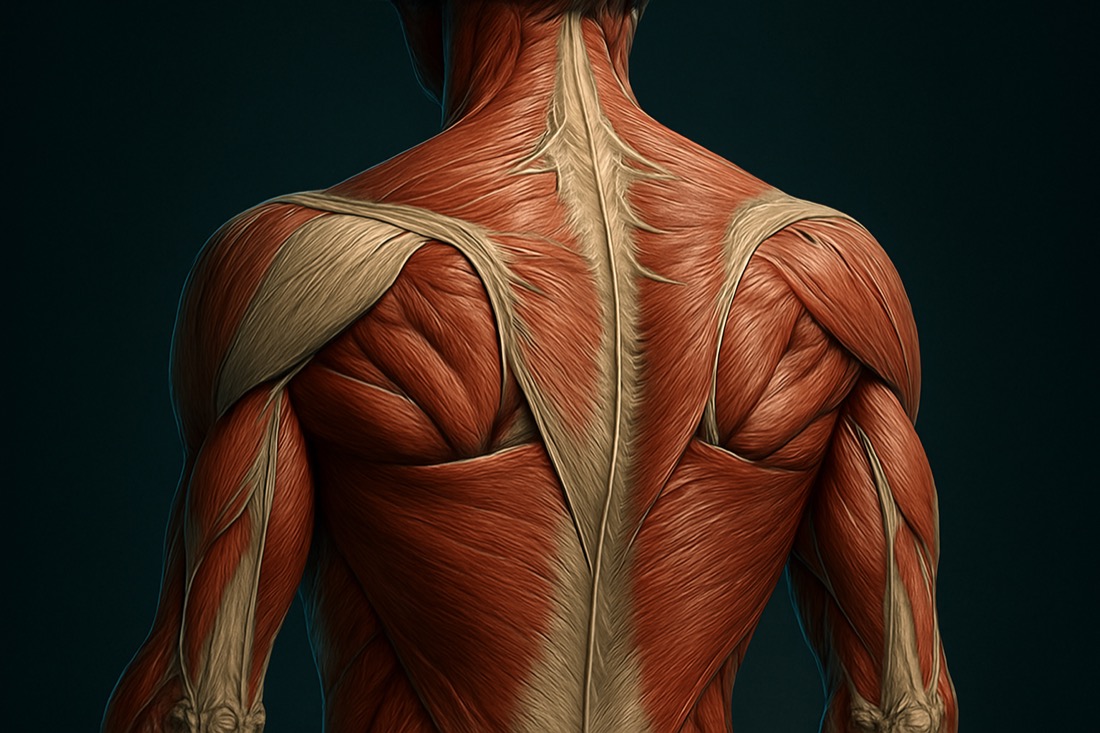
Lower back pain can stem from various sources, including muscle tension, poor posture, and fascia tightness. The fascia, a connective tissue surrounding muscles and organs, can become restricted and contribute to discomfort. Addressing these restrictions through targeted release can be an effective way to alleviate pain and improve flexibility.
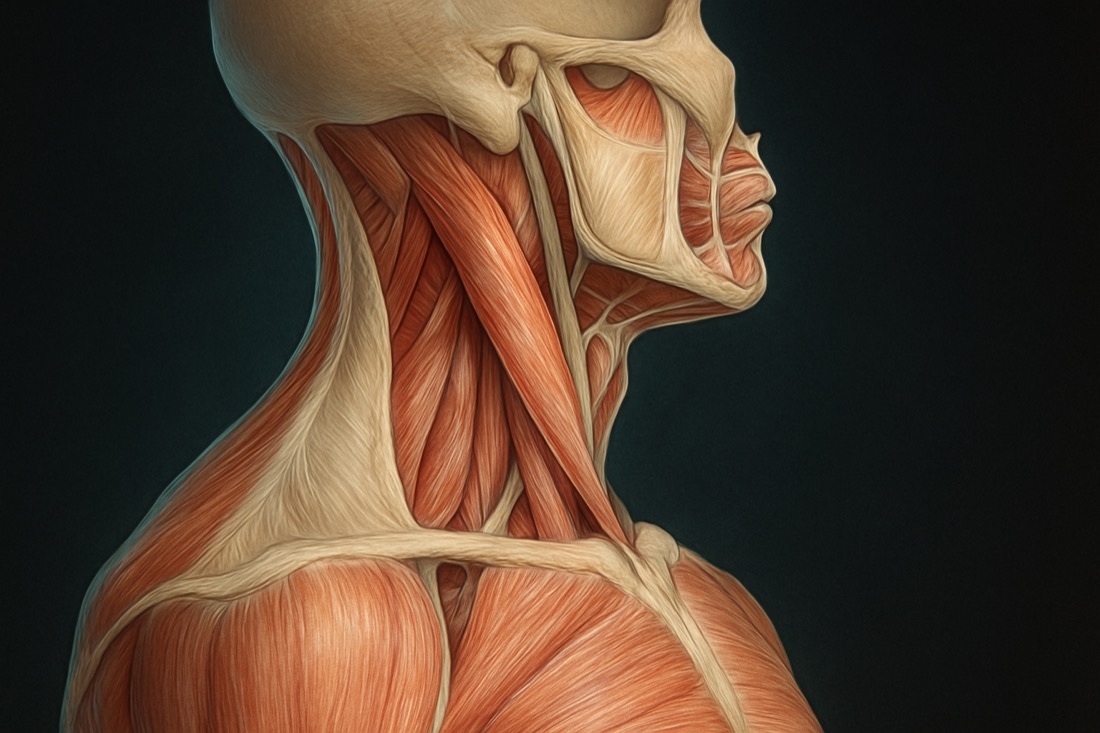
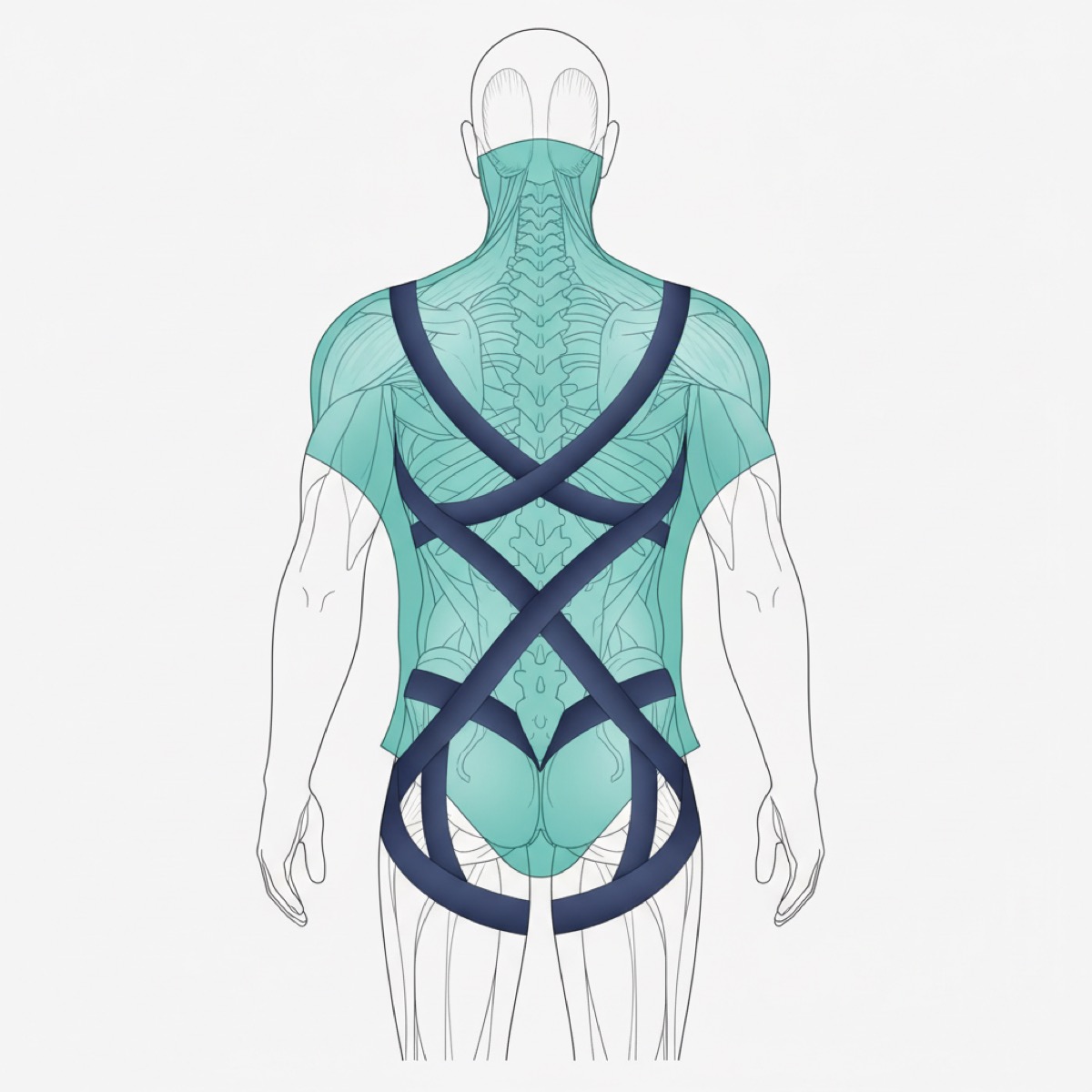
One often-overlooked area is the pectoralis minor, a small muscle in the chest that can influence the entire upper body's alignment. When the pectoralis minor is tight, it may lead to compensatory patterns affecting the lower back. Releasing this muscle can thus have a beneficial impact on lower back pain.
How does pectoralis minor release help?
The pectoralis minor release focuses on alleviating tension in the chest area, which indirectly affects the neck, shoulders, and lower back. By gently manipulating the fascia around this muscle, therapists can help reduce pain and improve movement. This approach is essential for addressing the interconnectedness of the body's musculature.
Through careful palpation and pressure, therapists can identify tight spots in the fascia that may be contributing to pain. Once these areas are released, patients often report a noticeable improvement in their range of motion and a reduction in discomfort.
What to expect during a fascia release session
During a fascia release session, the therapist will assess your posture and movement patterns to identify areas of tension. The session may involve applying pressure and stretching techniques to the pectoralis minor and surrounding fascia. This process can be uncomfortable but should not be painful.
Patients can expect a gradual release of tension and improved mobility. It's important to communicate with your therapist about any discomfort you experience to ensure the session is effective and safe. Regular sessions may be necessary to maintain the benefits and prevent recurrence of pain.

Benefits of fascia release for low back pain
Fascia release offers several benefits for those experiencing low back pain. By targeting the pectoralis minor, patients often experience improved posture, reduced pain, and enhanced mobility. This technique can also help prevent future episodes of pain by addressing underlying fascial restrictions.
Additionally, fascia release can contribute to overall well-being by reducing stress and tension throughout the body. As the fascia becomes more pliable, the body's natural movement patterns are restored, leading to a more balanced and pain-free state.
Frequently asked questions
Is fascia release safe? — Fascia release is generally considered safe when performed by a trained professional. It is important to ensure that your therapist is certified and experienced in this technique to minimize any risks.
How long does it take to see results? — Results can vary, but many patients notice improvements after just a few sessions. Consistency and proper technique are key to achieving long-lasting benefits.
Can I do fascia release at home? — While some techniques can be done at home with guidance, it is recommended to seek professional help for more complex areas like the pectoralis minor to ensure effectiveness and safety.
References
- [1]Wilke J, Krause F, Vogt L, Banzer W. What Is Evidence-Based About Myofascial Chains? A Systematic Review. Arch Phys Med Rehabil. 2016;97(3):454–461.
- [2]Krause F, Wilke J, Vogt L, Banzer W. Intermuscular force transmission along myofascial chains: a systematic review. J Anat. 2016;228(6):910–918.
- [3]Stecco C, Stern R, Porzionato A, et al. Hyaluronan within fascia in the etiology of myofascial pain. Surg Radiol Anat. 2011;33(10):891–896.
- [4]Ajimsha MS, Al-Mudahka NR, Al-Madzhar JA. Effectiveness of myofascial release: a systematic review of randomized controlled trials. J Bodyw Mov Ther. 2015;19(1):102–112.
- [5]Tozzi P, Bongiorno D, Vitturini C. Fascial release effects on patients with non-specific cervical or lumbar pain. J Bodyw Mov Ther. 2011;15(4):405–416.
- [6]Zügel M, Maganaris CN, Wilke J, et al. Fascial tissue research in sports medicine: from molecules to tissue adaptation, injury and diagnostics: consensus statement. Br J Sports Med. 2018;52(23):1497.