Instant Relief for Ankle Pain: Expert Techniques
Original title (JP): 足首の痛みを一発で治す神技 #筋膜 #藤井翔悟 #腰痛

Supervised by
Shogo Fujii
Physiotherapist (PT) · Founder of the SHOGO FUJII® FASCIA METHOD
View profile →Clinical Article · 5 min read
If you're struggling with persistent low back pain, fascia release techniques might offer the relief you need. Expert methods focus on reducing tension and improving mobility, providing a non-invasive option for managing discomfort. In this article, we explore how these techniques can help alleviate low back pain and enhance your quality of life.
How does fascia release help with low back pain?
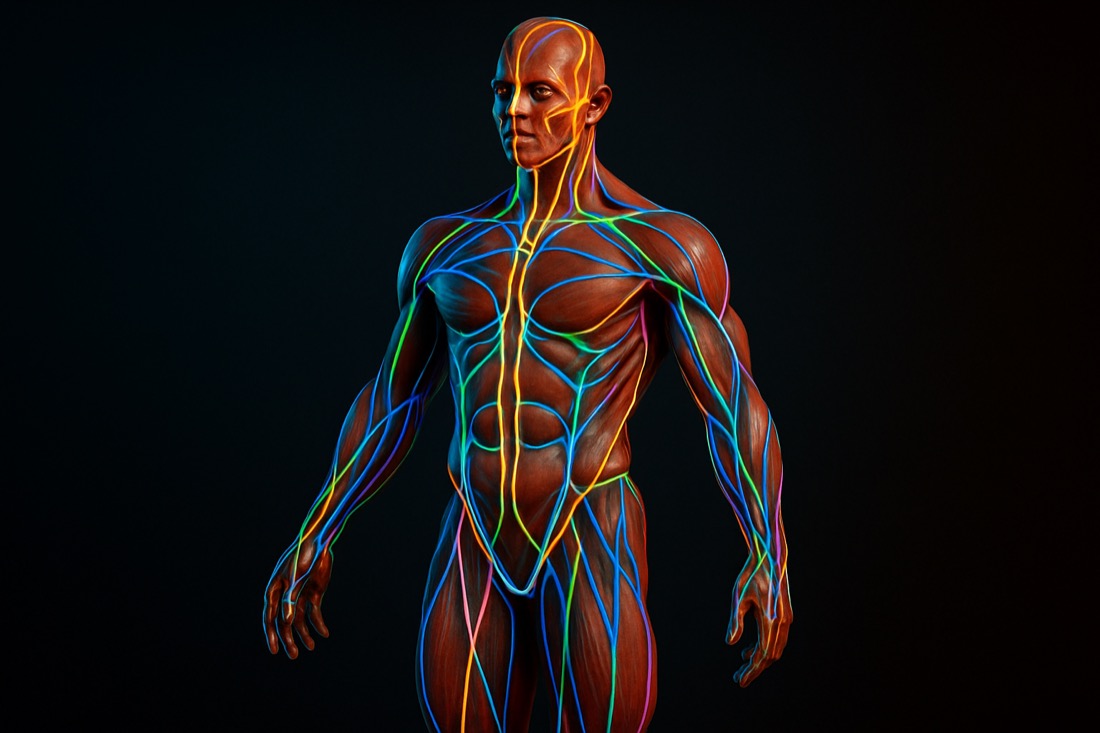
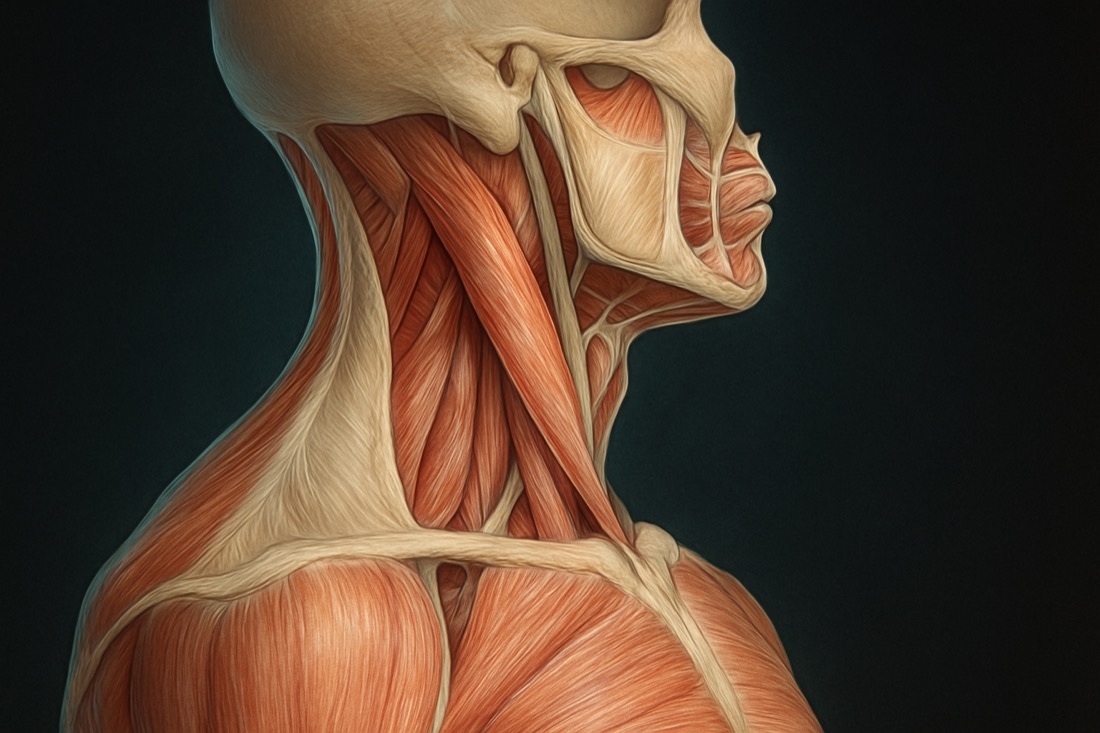
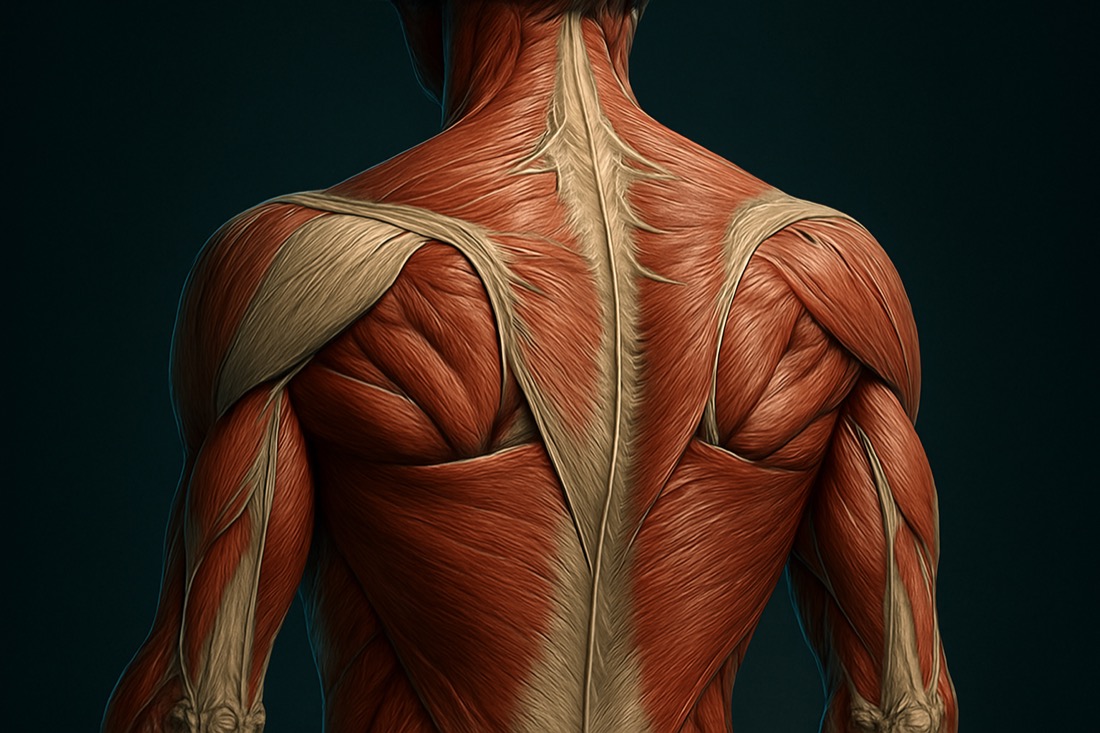
Fascia release can significantly impact low back pain by addressing tension and restrictions in the fascia, the connective tissue surrounding muscles and organs. When the fascia becomes tight or stiff, it can contribute to discomfort and limited range of motion. By applying specific techniques, such as gentle stretching and manipulation, fascia release aims to restore flexibility and reduce pain [1][2].
In the video by Shogo Fujii, he demonstrates how targeting specific areas can alleviate pain. The process involves identifying tender spots and applying pressure to release tension. This method can lead to noticeable relief, as shown by the reduction in pain during movement tests [3].
Why does low back pain occur?
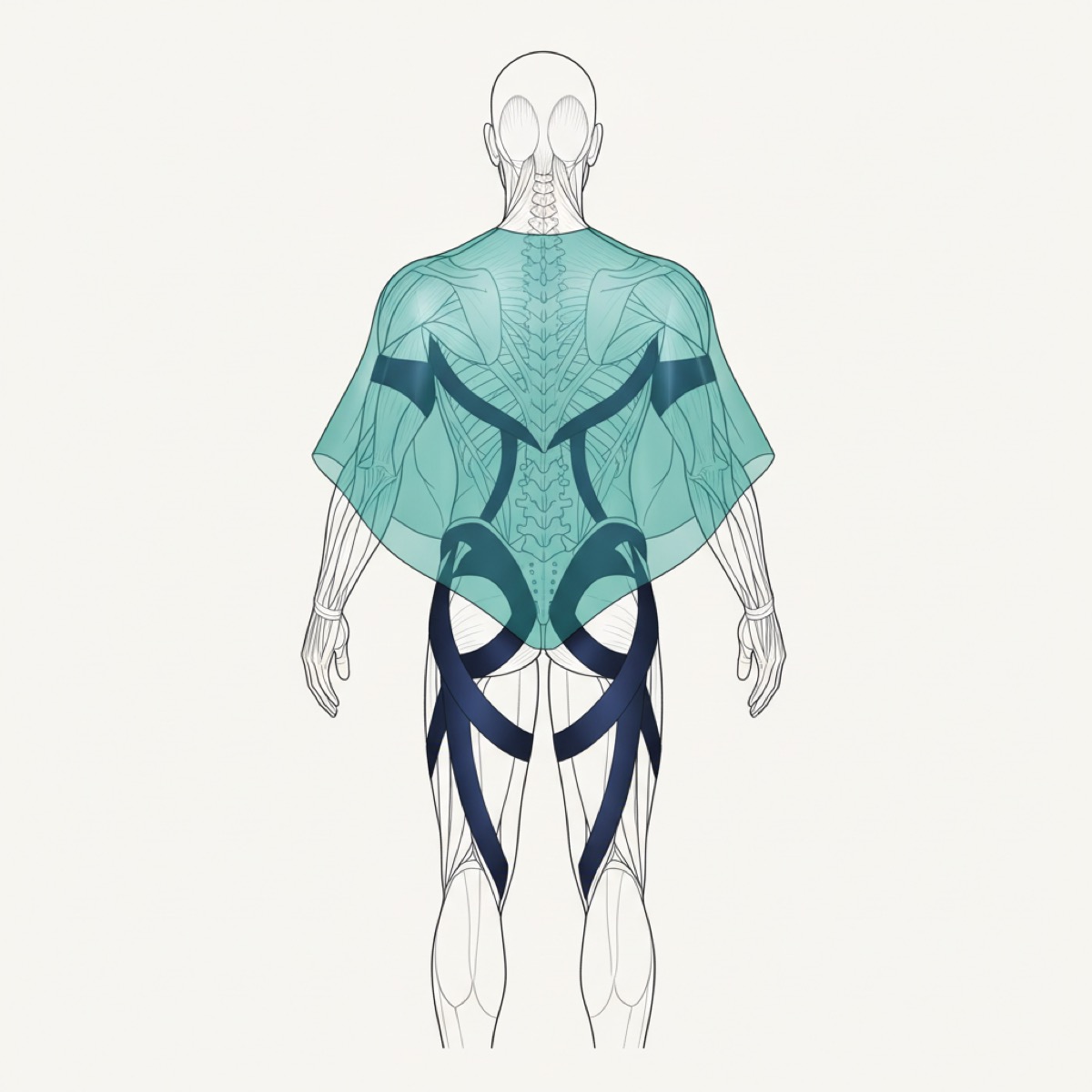
Low back pain can result from a variety of factors, including muscle strain, poor posture, and fascia tension. The fascia can become tight due to repetitive movements, injury, or prolonged sitting, contributing to discomfort in the lower back area [4].
Understanding the underlying causes of low back pain is crucial for effective treatment. Fascia release focuses on the connective tissue, offering an approach that addresses one of the potential contributors to low back discomfort. This holistic method can complement other treatments for a comprehensive pain management strategy.
What to expect from a fascia release session
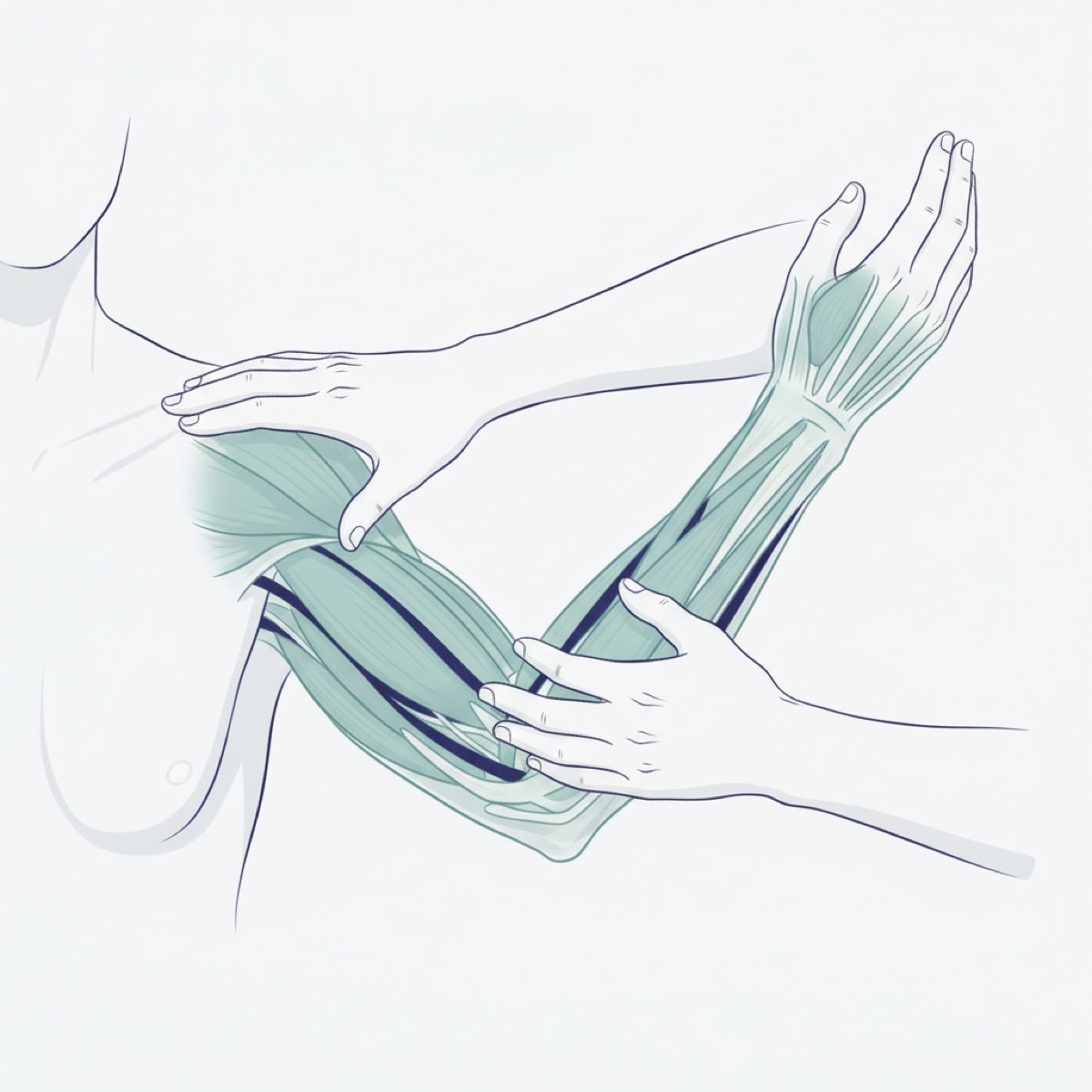
During a fascia release session, a practitioner will assess your condition and identify areas of tension. Techniques may include applying pressure with hands or using tools to manipulate the fascia gently. The aim is to release restrictions and improve mobility [5].
Patients often report feeling immediate relief after a session, as demonstrated in the video where the subject experienced decreased pain during movement tests. While results can vary, many find this approach beneficial for managing low back pain without invasive procedures.
How to incorporate fascia release into your routine
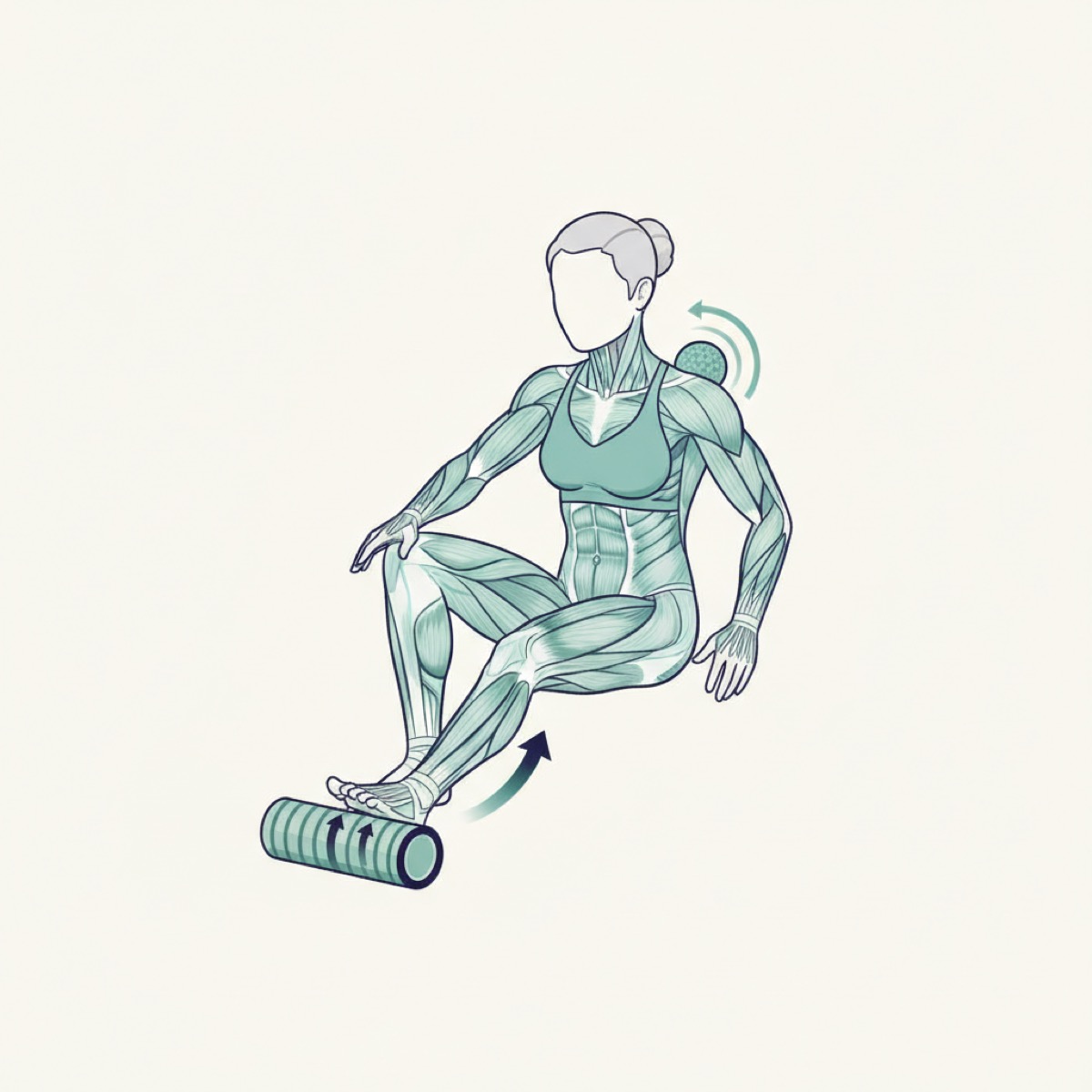
Incorporating fascia release into your routine can be done through self-care techniques or with the help of a trained therapist. Simple exercises like stretching and foam rolling can be effective in maintaining fascia health and reducing tension [6].
It's important to listen to your body and avoid pushing beyond your comfort level. Regular practice can help keep your fascia flexible and prevent the buildup of tension that contributes to low back pain. Consulting with a professional can provide guidance tailored to your specific needs.
Frequently asked questions
Is fascia release safe? — Yes, fascia release is generally considered safe when performed by a trained professional or when following proper self-care techniques. It is important to ensure that any discomfort experienced is mild and not causing further pain.
Can fascia release cure low back pain? — Fascia release can help alleviate low back pain by addressing one of its potential causes, but it is not a guaranteed cure. It is often used in conjunction with other treatments for a comprehensive approach to pain management.
How often should I perform fascia release? — The frequency of fascia release sessions can vary based on individual needs and the severity of the condition. It is advisable to start with a few sessions and adjust based on your response and professional guidance.
References
- [1]Wilke J, Vogt L, Niederer D, Banzer W. Is remote stretching based on myofascial chains as effective as local exercise? A randomised-controlled trial. J Sports Sci. 2017;35(20):2021–2027.
- [2]Palomeque-del-Cerro L, Arráez-Aybar LA, Rodríguez-Blanco C, et al. A systematic review of the soft-tissue connections between neck muscles and dura mater: the myodural bridge. Spine. 2017;42(1):49–54.
- [3]Woolf CJ. Central sensitization: implications for the diagnosis and treatment of pain. Pain. 2011;152(3 Suppl):S2–S15.
- [4]Tracey KJ. The inflammatory reflex. Nature. 2002;420(6917):853–859.
- [5]Mayer EA. Gut feelings: the emerging biology of gut–brain communication. Nat Rev Neurosci. 2011;12(8):453–466.
- [6]Cryan JF, Dinan TG. Mind-altering microorganisms: the impact of the gut microbiota on brain and behaviour. Nat Rev Neurosci. 2012;13(10):701–712.