Cure Hand Numbness in One Session: A Breakthrough Technique
Original title (JP): 10年間改善しなかった、手のしびれを1回で治す

Supervised by
Shogo Fujii
Physiotherapist (PT) · Founder of the SHOGO FUJII® FASCIA METHOD
View profile →Clinical Article · 5 min read
Fascia release for low back pain could be a game-changer for those suffering from symptoms like hand numbness. This innovative technique aims to address the underlying fascia-related issues that often contribute to discomfort and restricted movement. Learn how targeted fascia release may offer relief and improve your quality of life.
Why does low back pain affect hand sensation?
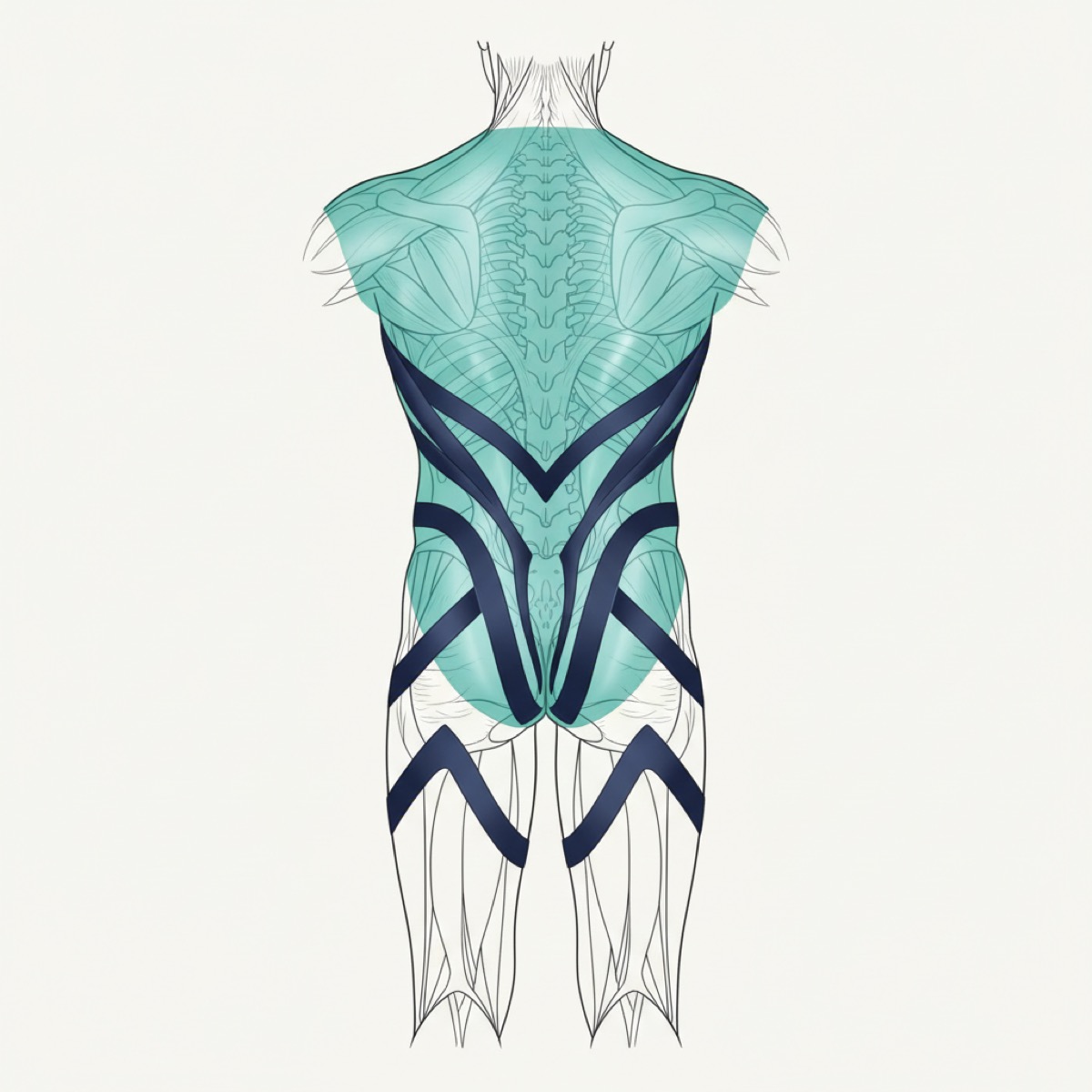
Many people are unaware that low back pain can be linked to symptoms like hand numbness. This connection often arises from fascia, a network of connective tissue that can become restricted and lead to referred pain or numbness in distant areas of the body.[1] Understanding the role of fascia in the body can help identify the root causes of these symptoms.
In some cases, trauma such as a car accident can exacerbate fascia-related issues, leading to chronic conditions like whiplash. This can manifest as increased sensitivity or numbness when certain movements are made, such as external rotation of the arm.[2] Identifying and addressing these issues through targeted fascia release can be beneficial.
How does fascia release work for low back pain?
Fascia release involves applying pressure to specific points in the body to alleviate tension and improve blood flow. This technique can help reduce symptoms like numbness by addressing the fascia's state, which influences nerve function and circulation.[3]
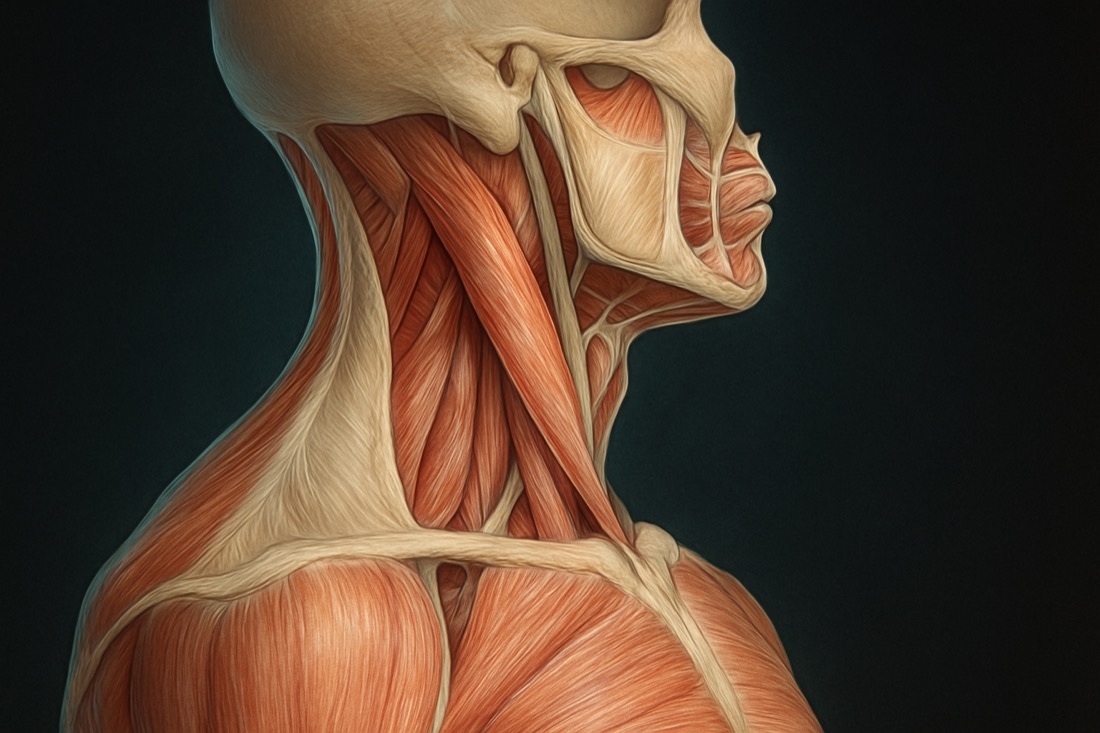
During a session, practitioners may focus on areas like the teres minor and pectoralis minor muscles. By releasing tension here, it may be possible to decrease numbness and improve overall mobility. This holistic approach considers the body's interconnected systems, aiming to restore balance and function.
What to expect during a fascia release session
A typical fascia release session might involve a series of assessments and targeted pressure applications. Patients often report sensations of warmth and a flowing feeling as circulation improves.[4] Techniques may include manipulating muscles like the teres minor and pectoralis minor while encouraging the patient to breathe deeply.
It's common for patients to experience some immediate relief, with a reduction in numbness and increased range of motion. However, results can vary, and multiple sessions might be needed to achieve optimal outcomes. The process is tailored to each individual's unique needs and circumstances.

Benefits of fascia release for chronic symptoms
Fascia release can offer several benefits for those dealing with chronic pain and numbness. By improving fascia health, patients might experience enhanced mobility, reduced pain, and less frequent headaches, which are often linked to tension in fascia and muscles.[5]
This approach also emphasizes the importance of posture and alignment, which can further contribute to long-term relief. Patients often find that as fascia restrictions are alleviated, there's a notable improvement in quality of life, with less reliance on pain medications and a greater ability to engage in daily activities.

Frequently asked questions
Is fascia release safe? — Fascia release is generally considered safe when performed by a trained practitioner. It is important to consult with a healthcare provider to ensure it is appropriate for your condition.[6]
How long does it take to see results? — Results can vary, but some patients report improvement after just one session. However, a series of treatments may be necessary for sustained benefits.
Can fascia release cure numbness permanently? — While fascia release can significantly reduce symptoms, it is not a guaranteed cure. It should be part of a comprehensive treatment plan tailored to individual needs.
References
- [1]Langevin HM. Connective tissue: a body-wide signaling network? Med Hypotheses. 2006;66(6):1074–1077.
- [2]Schleip R. Fascial plasticity — a new neurobiological explanation. J Bodyw Mov Ther. 2003;7(1):11–19.
- [3]Wilke J, Krause F, Vogt L, Banzer W. What Is Evidence-Based About Myofascial Chains? A Systematic Review. Arch Phys Med Rehabil. 2016;97(3):454–461.
- [4]Krause F, Wilke J, Vogt L, Banzer W. Intermuscular force transmission along myofascial chains: a systematic review. J Anat. 2016;228(6):910–918.
- [5]Stecco C, Stern R, Porzionato A, et al. Hyaluronan within fascia in the etiology of myofascial pain. Surg Radiol Anat. 2011;33(10):891–896.
- [6]Ajimsha MS, Al-Mudahka NR, Al-Madzhar JA. Effectiveness of myofascial release: a systematic review of randomized controlled trials. J Bodyw Mov Ther. 2015;19(1):102–112.