Instant Relief from Low Back Pain: Shogo Fujii's Fascia Release Technique
Original title (JP): 腰痛を1回で改善できる藤井翔悟の自費筋膜リリース100万円

Supervised by
Shogo Fujii
Physiotherapist (PT) · Founder of the SHOGO FUJII® FASCIA METHOD
View profile →Clinical Article · 5 min read
Fascia release for low back pain is an innovative approach that addresses discomfort by targeting connective tissue tensions. Developed by Shogo Fujii, this method focuses on releasing fascia restrictions that often contribute to pain. Whether you're a clinician or an informed patient, understanding fascia's role in pain management can transform your therapeutic approach.
Why does low back pain occur?
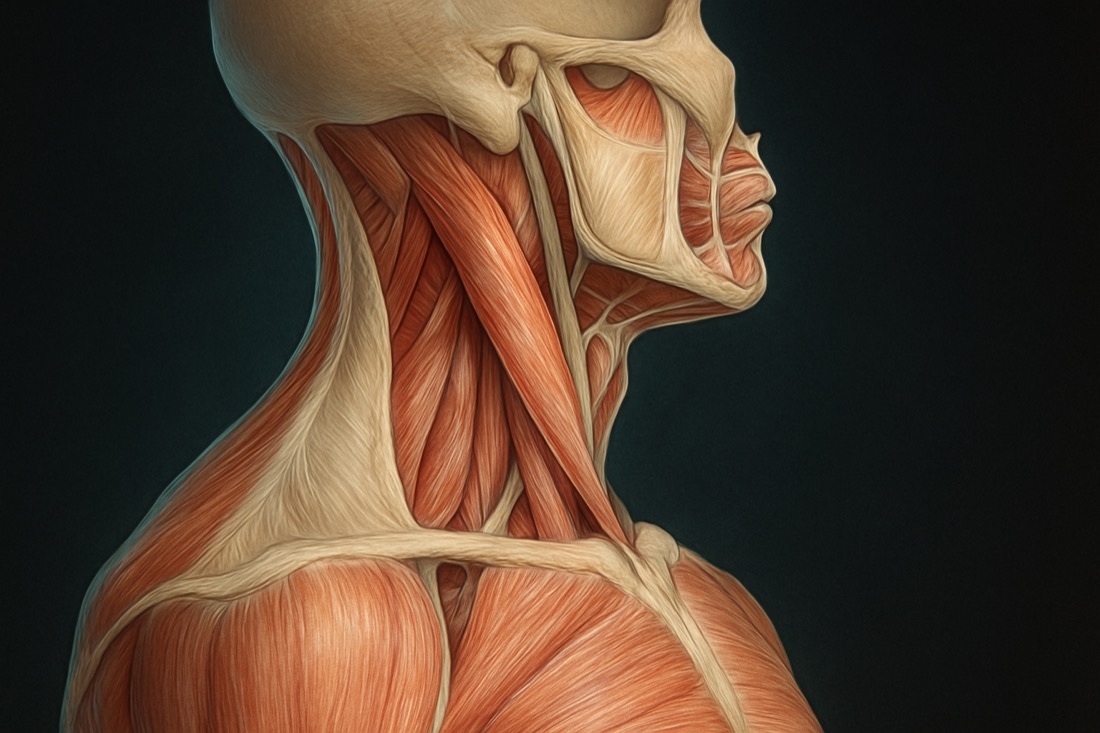
Low back pain is a common ailment often linked to various muscular and fascial imbalances. According to Shogo Fujii, pain can originate from unexpected areas such as the pectoralis minor or intercostal muscles. These muscles, when tense, can affect surrounding tissues and lead to discomfort in the lower back [1].
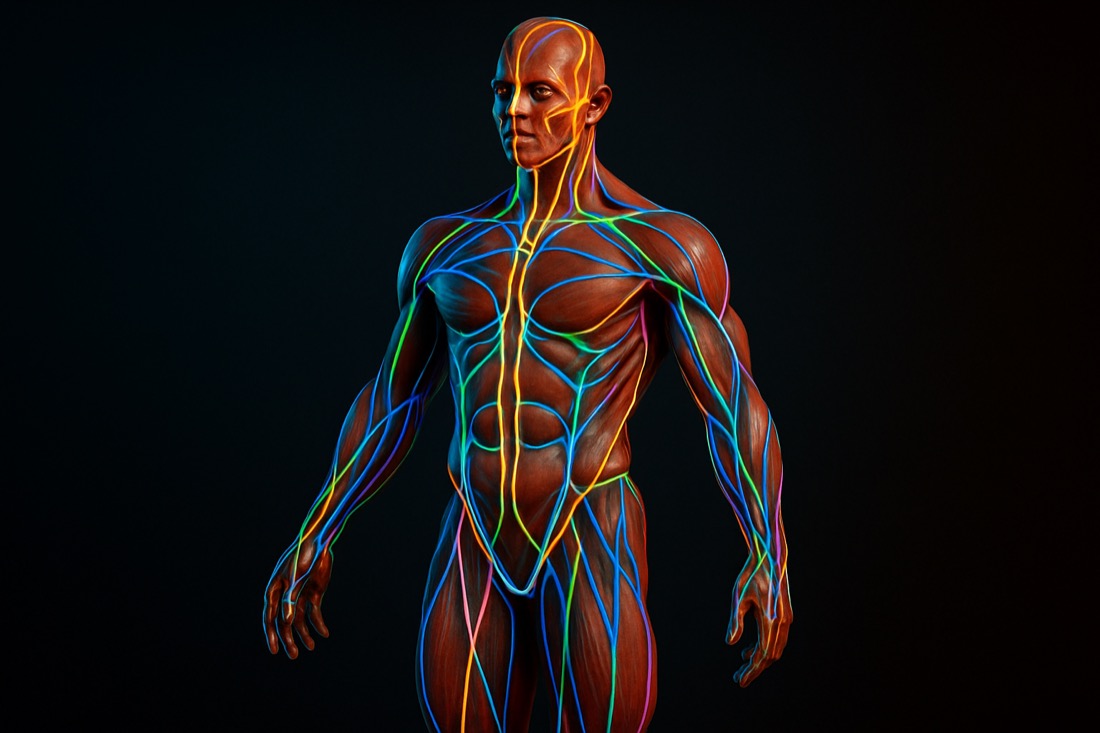
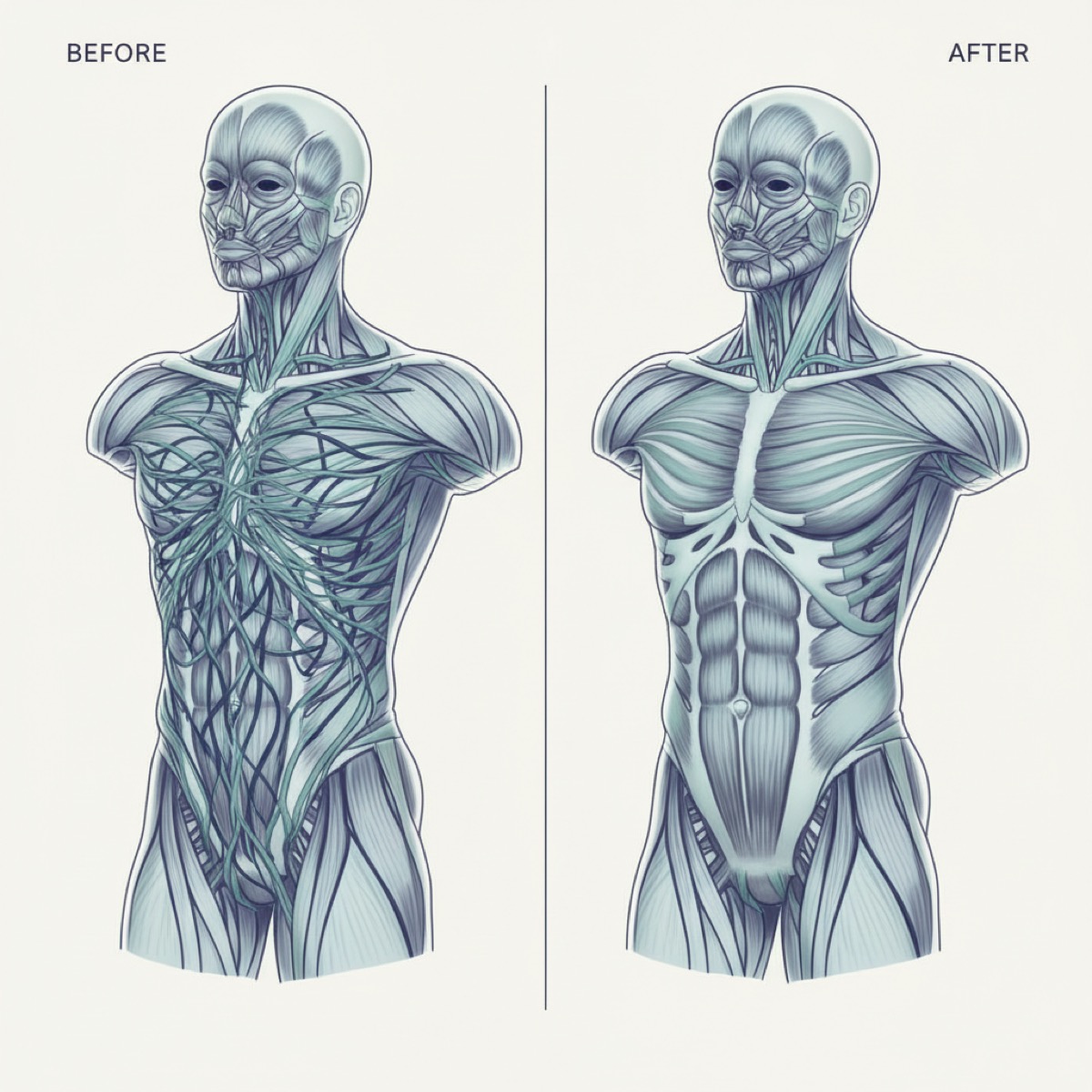
Understanding the anatomical connections in the body helps identify the root causes of pain. Fascia, the connective tissue surrounding muscles, plays a crucial role in maintaining posture and facilitating movement. When fascia becomes tight or restricted, it can lead to pain and reduced mobility [2].
How does fascia release work?
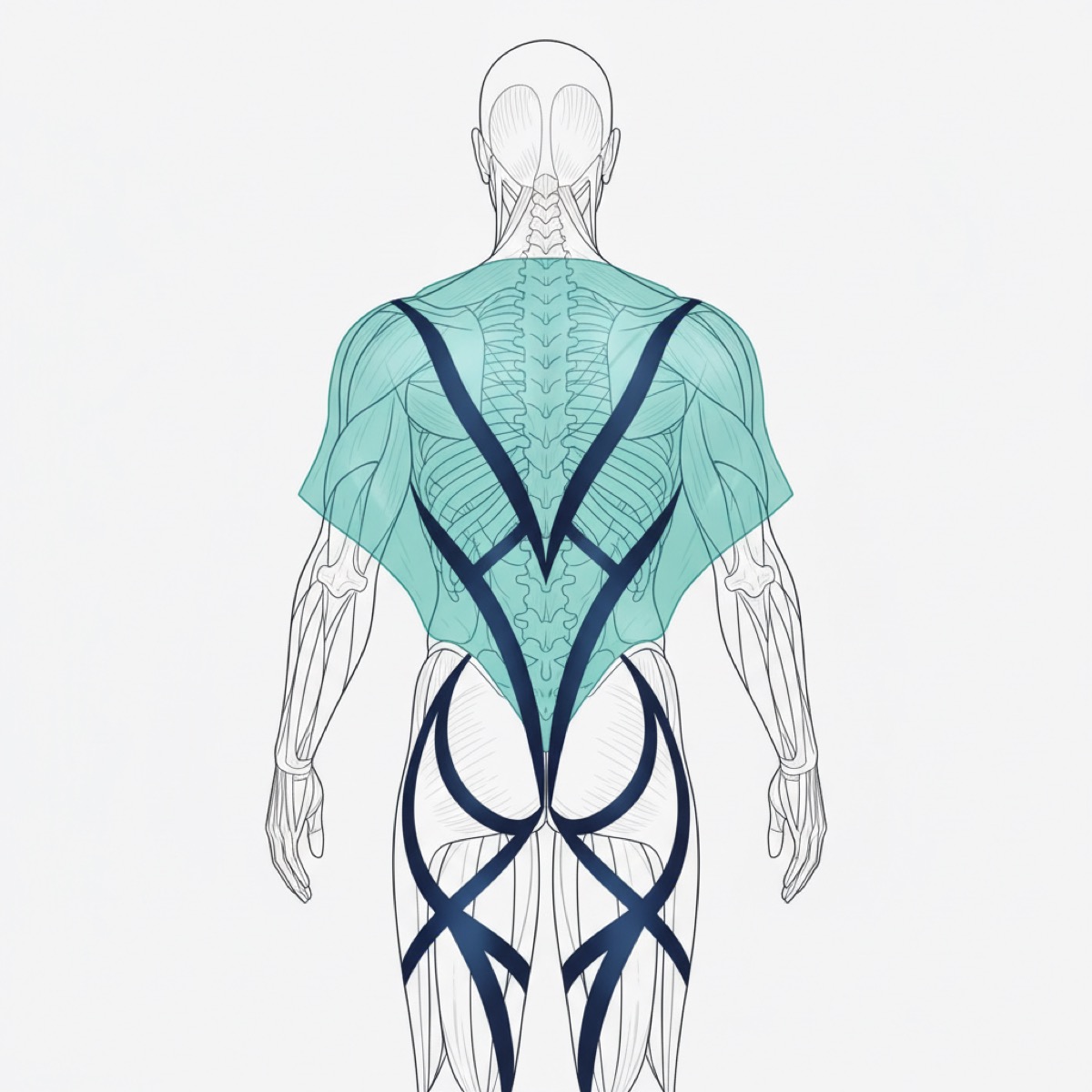
Fascia release works by applying targeted pressure to specific areas of the body to loosen tight connective tissues. Shogo Fujii's technique involves assessing the body's posture and identifying fascial restrictions that contribute to pain. By releasing these restrictions, patients can experience an increase in their range of motion and a decrease in pain [3].
The process involves gentle manipulation and stretching of the fascia, which can be performed by a trained therapist. This approach not only alleviates pain but also addresses the underlying causes, providing longer-lasting relief compared to traditional methods [4].
What to expect from a fascia release session?
During a fascia release session, the therapist will first assess your posture and movement to pinpoint areas of tension. The session may involve direct manipulation of the fascia under the arms, along the spine, or other tension-prone areas. Patients often report a sensation of release and relaxation as the fascia is gently manipulated [5].
It's important to stay hydrated, as fascia requires adequate hydration to release effectively. Post-session, patients may feel immediate relief, but ongoing sessions might be necessary to maintain results and prevent recurrence of pain. The technique is generally safe, with minimal discomfort during the procedure [6].

Benefits of fascia release for low back pain
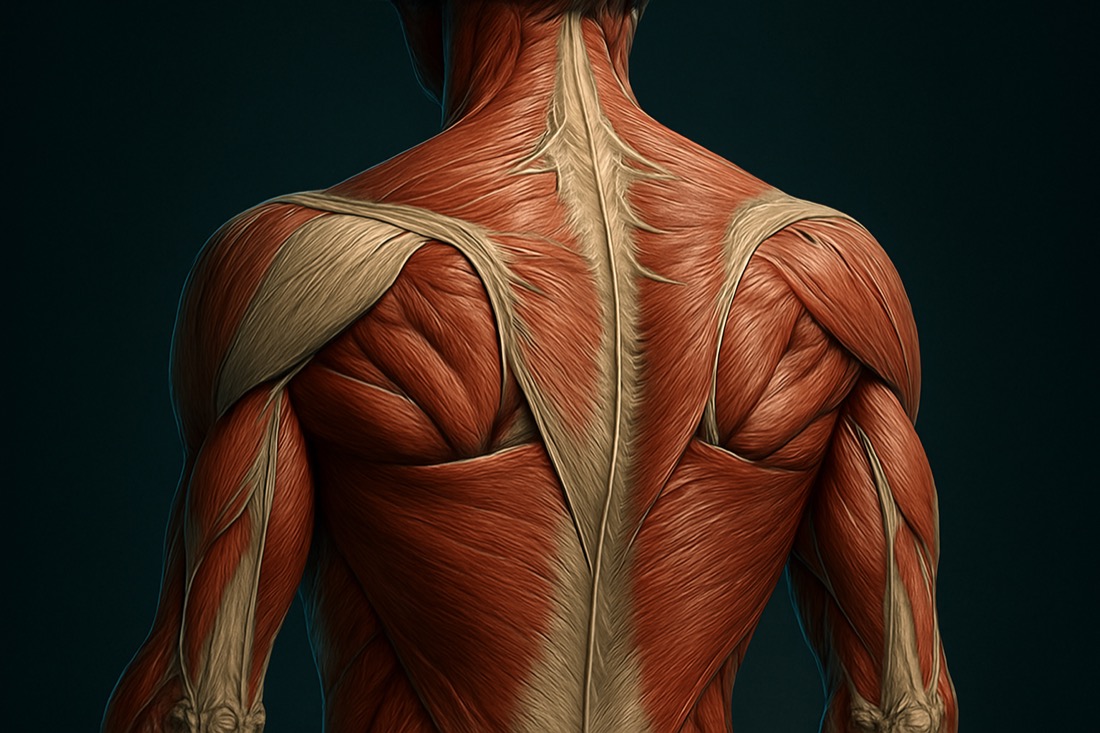
Fascia release offers several benefits for individuals suffering from low back pain. It addresses not only the symptoms but also the root causes of pain by improving fascial elasticity and reducing tension throughout the body. This can lead to improved posture, enhanced mobility, and reduced pain levels.
Additionally, fascia release can be a valuable tool for clinicians looking to provide holistic care. By integrating this technique into their practice, therapists can offer a non-invasive and effective method for pain management that complements other therapeutic approaches.
Frequently asked questions
Is fascia release safe? — Yes, fascia release is generally safe when performed by a trained therapist. It involves gentle pressure and manipulation, making it a low-risk therapy.
Can fascia release help with other types of pain? — While commonly used for low back pain, fascia release can also be effective for other musculoskeletal issues like neck and shoulder pain.
How many sessions are needed for relief? — The number of sessions varies depending on the individual and the severity of the pain. Some may find relief after one session, while others may require ongoing treatment.
References
- [1]Tozzi P, Bongiorno D, Vitturini C. Fascial release effects on patients with non-specific cervical or lumbar pain. J Bodyw Mov Ther. 2011;15(4):405–416.
- [2]Zügel M, Maganaris CN, Wilke J, et al. Fascial tissue research in sports medicine: from molecules to tissue adaptation, injury and diagnostics: consensus statement. Br J Sports Med. 2018;52(23):1497.
- [3]Klingler W, Velders M, Hoppe K, Pedro M, Schleip R. Clinical relevance of fascial tissue and dysfunctions. Curr Pain Headache Rep. 2014;18(8):439.
- [4]Wilke J, Vogt L, Niederer D, Banzer W. Is remote stretching based on myofascial chains as effective as local exercise? A randomised-controlled trial. J Sports Sci. 2017;35(20):2021–2027.
- [5]Palomeque-del-Cerro L, Arráez-Aybar LA, Rodríguez-Blanco C, et al. A systematic review of the soft-tissue connections between neck muscles and dura mater: the myodural bridge. Spine. 2017;42(1):49–54.
- [6]Woolf CJ. Central sensitization: implications for the diagnosis and treatment of pain. Pain. 2011;152(3 Suppl):S2–S15.