Shogo Fujii's Miracle Hands — Why 10 Years of Pain Disappeared in a Single Session
Original title (JP): 【藤井翔悟・神の手】10年苦しんだ痛みが、たった1回で消えた理由とは?

Supervised by
Shogo Fujii
Physiotherapist (PT) · Founder of the SHOGO FUJII® FASCIA METHOD
View profile →Clinical Article · 6 min read
Chronic low back pain affects millions, often leading to a frustrating search for effective solutions. While many therapies focus directly on the site of discomfort, emerging approaches highlight the body's intricate connectivity. This article explores how a targeted fascia release for low back pain, specifically addressing pelvic alignment, can lead to surprising and lasting relief, embodying what many describe as a "miracle of pain relief" [1].
Why Does My Neck Hurt When My Pelvis Is the Problem? Understanding Fascia Release for Low Back Pain
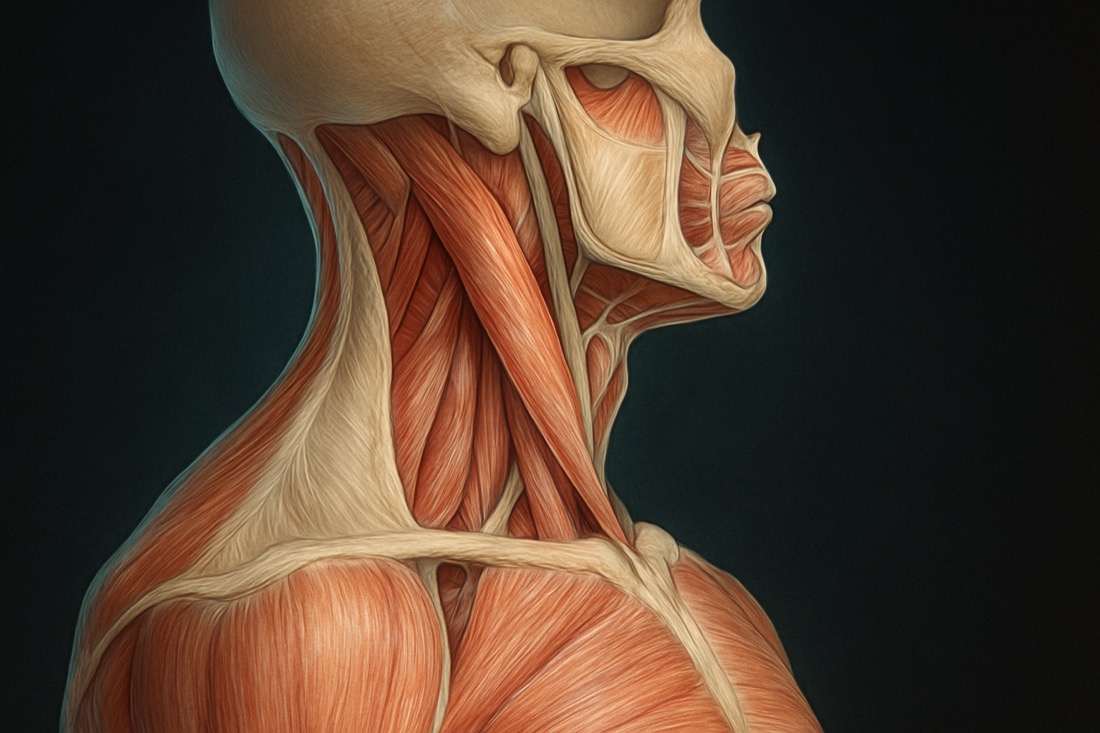
It might seem counterintuitive, but the body's fascial network means that pain in one area can originate from dysfunction elsewhere. One patient, who had suffered from persistent neck discomfort for over a decade, found no relief from conventional neck treatments. Yet, during a session focusing on their pelvis, they reported a profound warming and softening sensation in their neck, as if long-held "lumps" were dissolving. This immediate, palpable change underscored the deep, often overlooked, connections within the fascial system [2].
This experience highlights a core principle of effective fascia release for low back pain: symptoms often manifest far from their root cause. Addressing the underlying fascial distortions, such as those in the pelvis, can unlock widespread relief, influencing areas like the neck, shoulders, and even facial tension, demonstrating the holistic impact of proper myofascial alignment.
The Interconnected Web: How Myofascial Pain Manifests
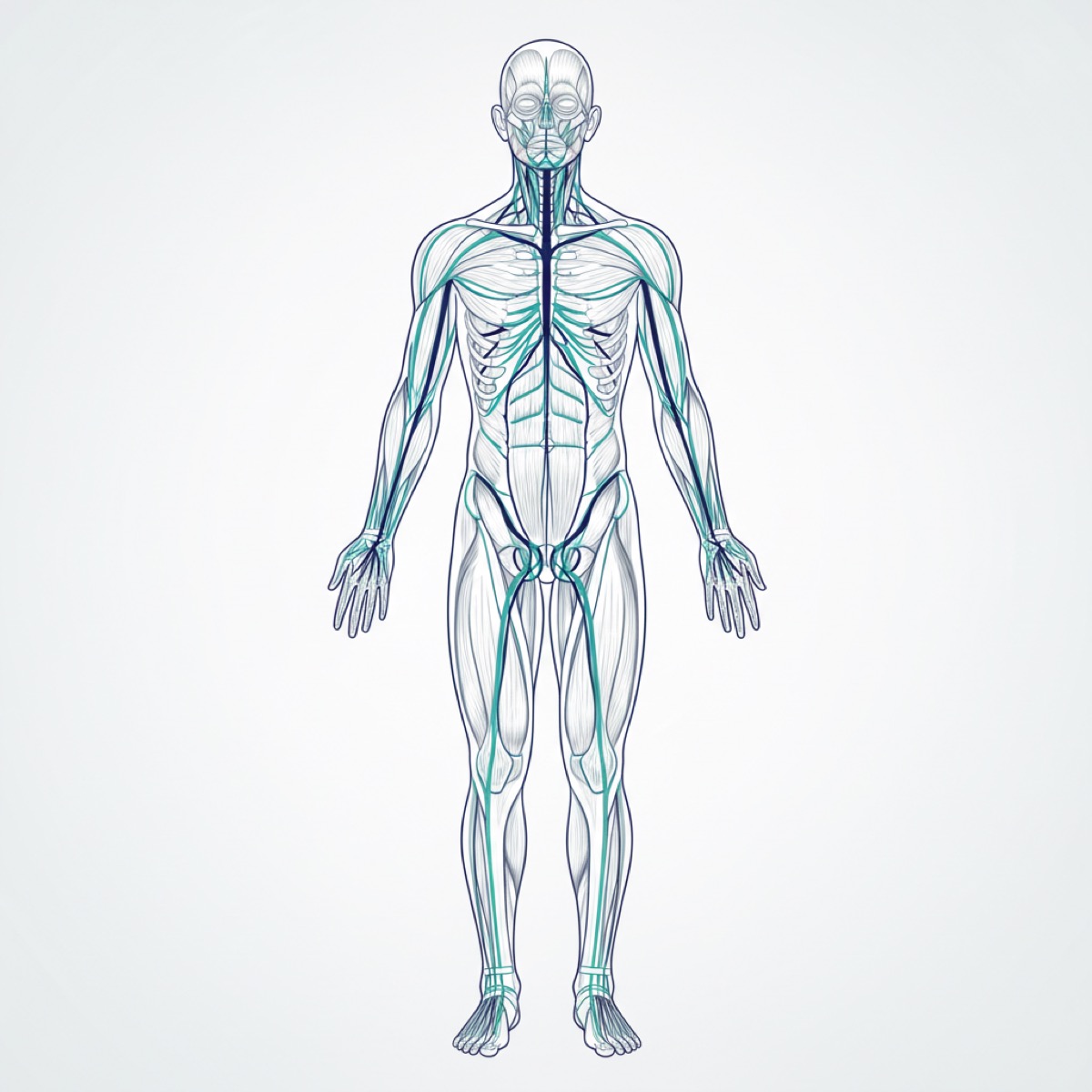
The fascia is a continuous web of connective tissue that wraps around muscles, bones, organs, and nerves throughout your entire body. When this tissue becomes tight, restricted, or distorted in one area, it can create tension and pull on distant structures, leading to referred pain or limited mobility. This explains why a pelvic misalignment could contribute to chronic neck pain or low back stiffness [3].
Another individual, previously resigned to their spinal curvature and limited mobility, experienced significant improvements in leg elevation and spinal extension after pelvic work. They noted that previous attempts at self-massage or other treatments hadn't yielded such comprehensive results, emphasizing the unique efficacy of precisely targeted connective tissue therapy. Even subtle changes in facial appearance, such as improved complexion and reduced sagging, were observed, attributed to enhanced blood circulation and structural balance [4].
Experiencing the "Miracle": Tangible Benefits of Targeted Fascia Therapy
The impact of a single, focused session can be remarkable. Patients reported immediate and tangible improvements that often eluded them for years. One participant, who could never lift their leg beyond 90 degrees without assistance, found they could suddenly raise it significantly higher, unassisted. Another, who struggled with spinal extension, was astonished to be able to look at the ceiling with ease, a movement previously impossible due to low back stiffness.
Beyond mobility, the relief extended to a general sense of lightness and improved bodily awareness. An athlete noted an immediate feeling of enhanced performance potential and a profound sense of balance, realizing that previously unnoticed muscle imbalances had been pulling on their system. Even a chronic pulling sensation in the inner arm during gripping movements vanished, demonstrating the far-reaching effects of restoring fascial equilibrium [5].

Precision Touch: The Science Behind Effective Fascia Therapy for Low Back Pain
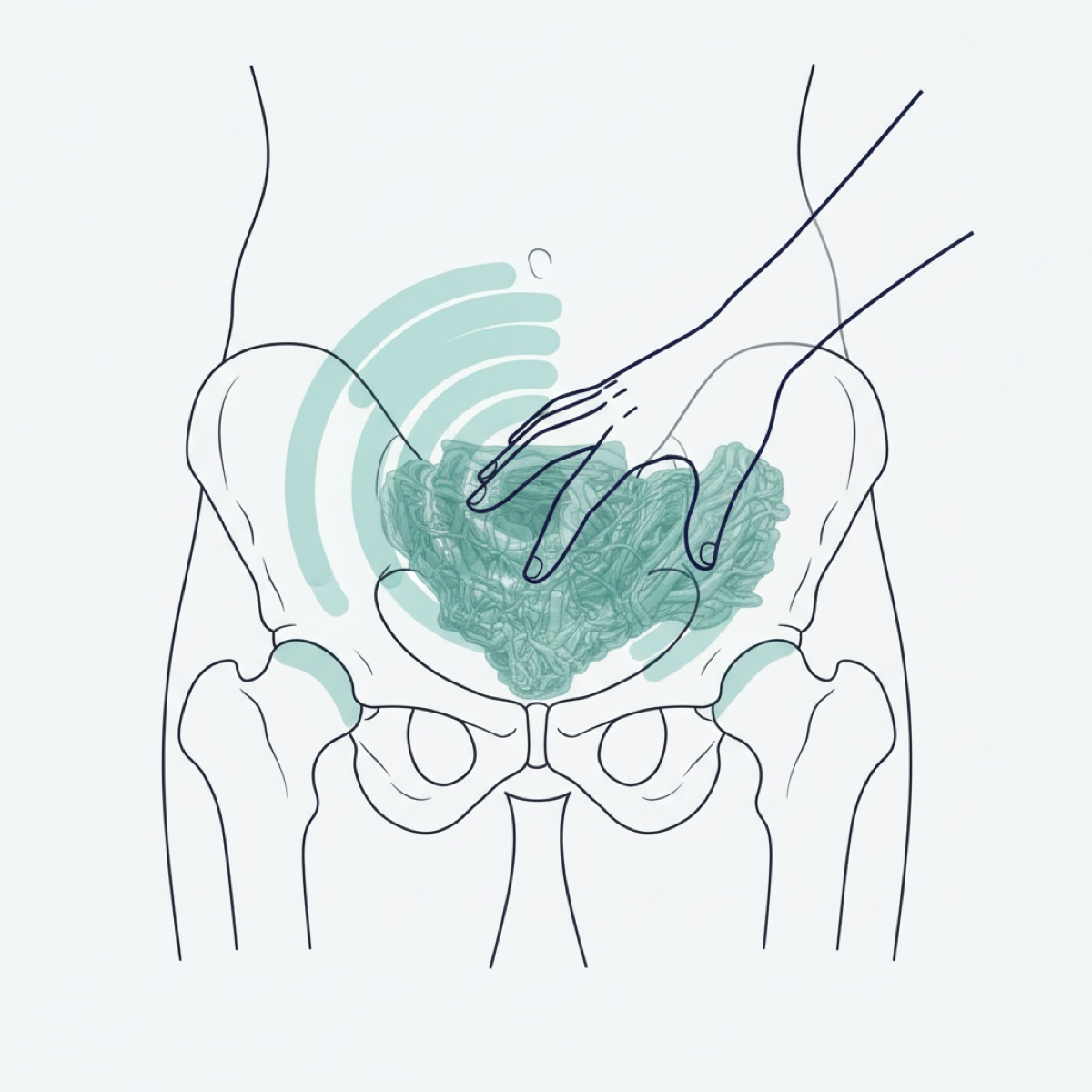
The core of this approach lies in identifying and gently addressing specific fascial distortions, often in areas like the pelvis, which act as central hubs for various fascial lines. Unlike deep tissue massage that aims to "break up" knots, this method involves a delicate, precise touch combined with light vibration. This subtle intervention encourages the fascial tissue to release its restrictions, allowing it to return to a more fluid and pliable state [6].
Clinical observations and ongoing research support the efficacy of this method. Patients frequently report a significant reduction in pain scores, with average improvements of 3-4 points on a pain scale (e.g., from 7 down to 3) after just one session. The philosophy is that the body has specific, predictable patterns of fascial distortion. By correctly identifying and gently treating these key areas, profound and lasting changes can be achieved, not just for low back pain, but for a wide range of somatic discomforts.
Frequently asked questions
Is fascia release safe? — Yes, when performed by a trained and qualified practitioner, fascia release is generally considered safe. The techniques often involve gentle, sustained pressure rather than aggressive manipulation, making it suitable for many individuals, though a thorough assessment is always recommended.
How quickly can I expect results for low back pain? — Many individuals, as highlighted by testimonials, report immediate and significant relief, including improved mobility and reduced pain, after just one session. However, individual responses vary, and long-term benefits often require consistent application or follow-up sessions to reinforce the changes.
What makes this approach different from traditional massage or physiotherapy? — While traditional therapies are valuable, this specific fascia release approach focuses on identifying and treating the root cause of fascial distortion, which may be distant from the symptomatic area. It emphasizes the body's interconnectedness and uses precise, gentle techniques to encourage the fascial system to rebalance itself, often yielding results where other methods have fallen short.
References
- [1]Ricciotti E, FitzGerald GA. Prostaglandins and inflammation. Arterioscler Thromb Vasc Biol. 2011;31(5):986–1000.
- [2]Salehi B, Venditti A, Sharifi-Rad M, et al. The therapeutic potential of apigenin. Int J Mol Sci. 2019;20(6):1305.
- [3]Field R, Pourkazemi F, Turton J, Rooney K. Dietary interventions are beneficial for patients with chronic pain: a systematic review with meta-analysis. Pain Med. 2021;22(3):694–714.
- [4]Taljanovic MS, Gimber LH, Becker GW, et al. Shear-wave elastography: basic physics and musculoskeletal applications. RadioGraphics. 2017;37(3):855–870.
- [5]Langevin HM. Connective tissue: a body-wide signaling network? Med Hypotheses. 2006;66(6):1074–1077.
- [6]Schleip R. Fascial plasticity — a new neurobiological explanation. J Bodyw Mov Ther. 2003;7(1):11–19.
Related videos
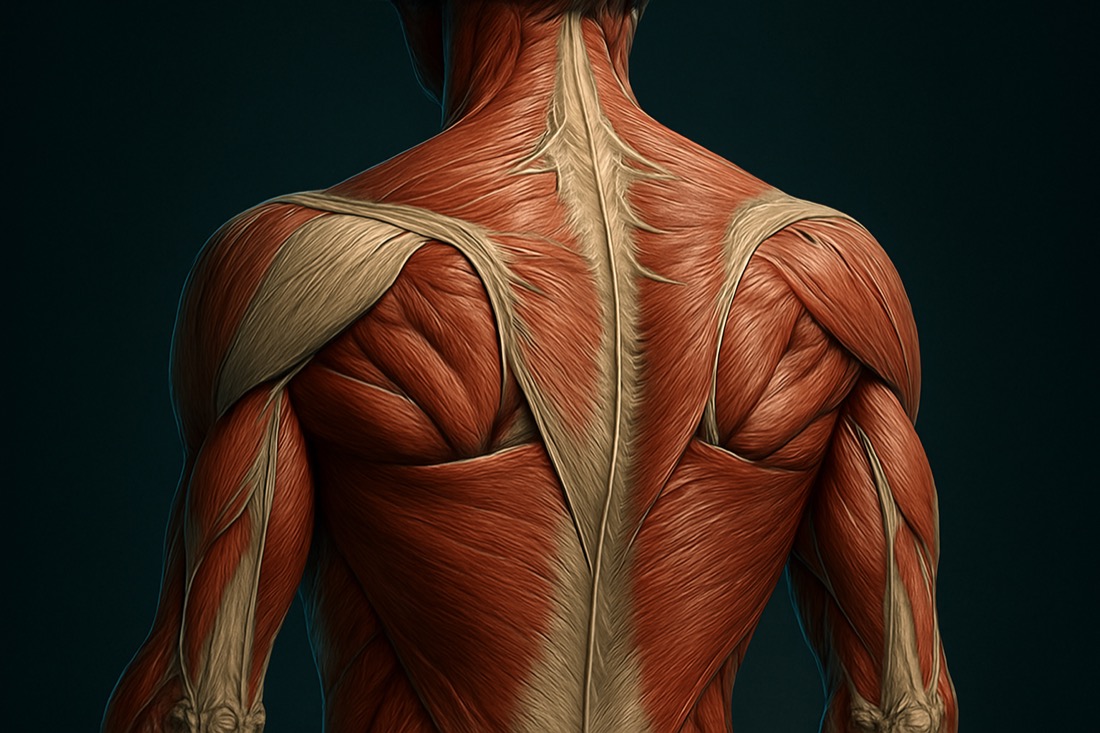
Palpation X-Ray #84 | Is the Sacrum Really a Flat Plate? It's a Wedge, Wide at the Top and Narrowing Downward — Trace Down from the Lumbar Spine and Confirm at Gluteus Maximus
0:56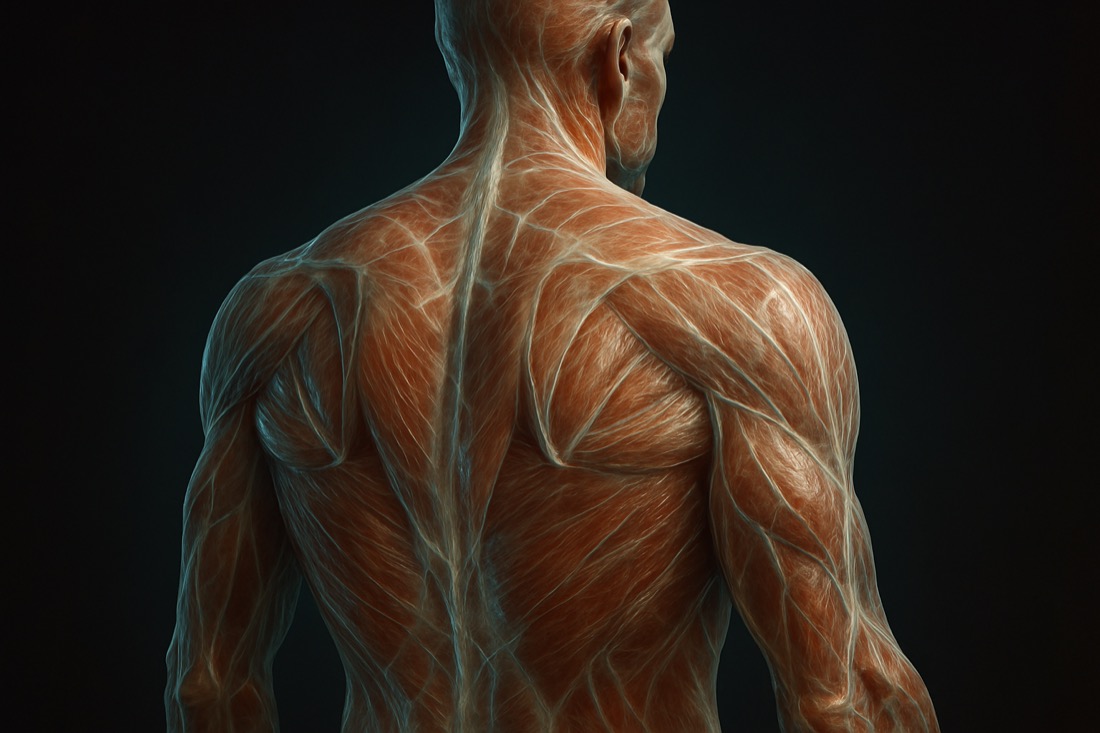
Dramatic Improvement in One Session: Manual Approach to the Pelvic Girdle, with Palpation of Anatomical Landmarks and Movement Assessment Before and After (Hands-On Demo)
5:48