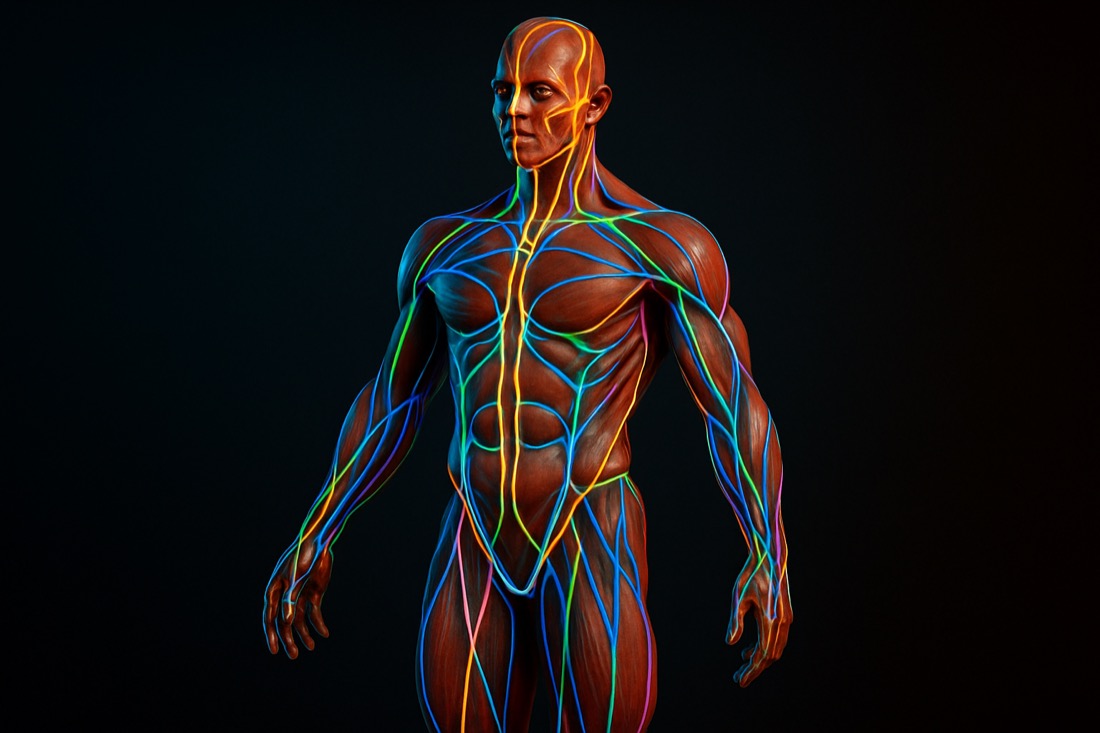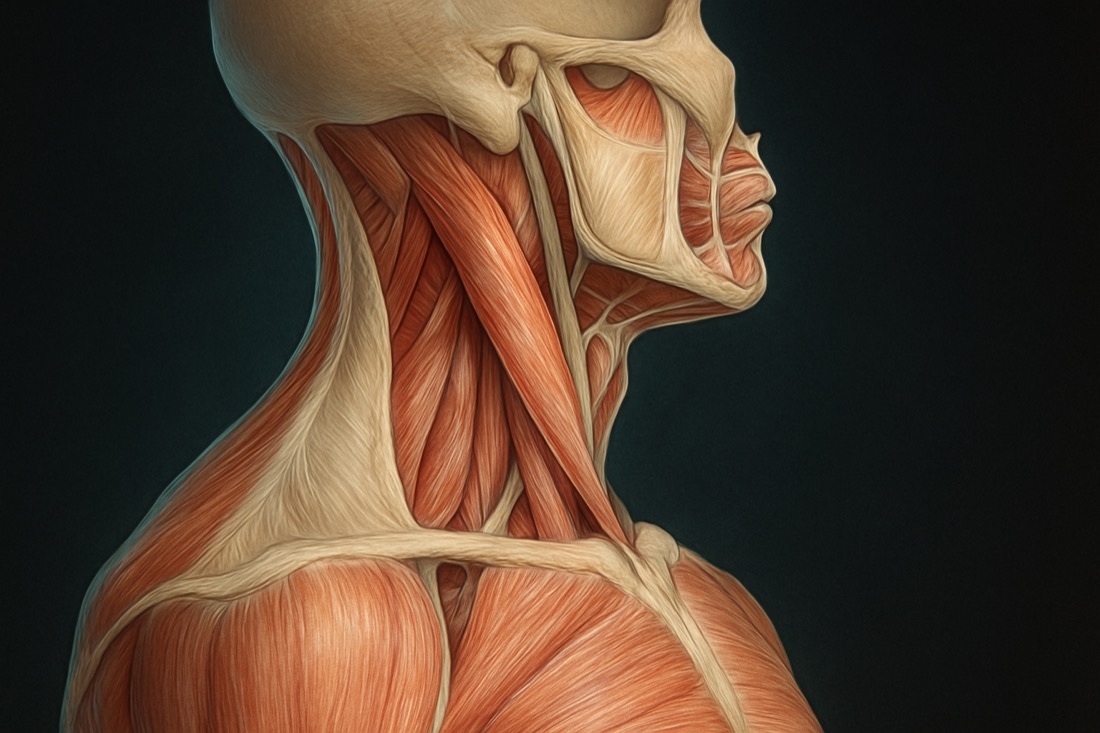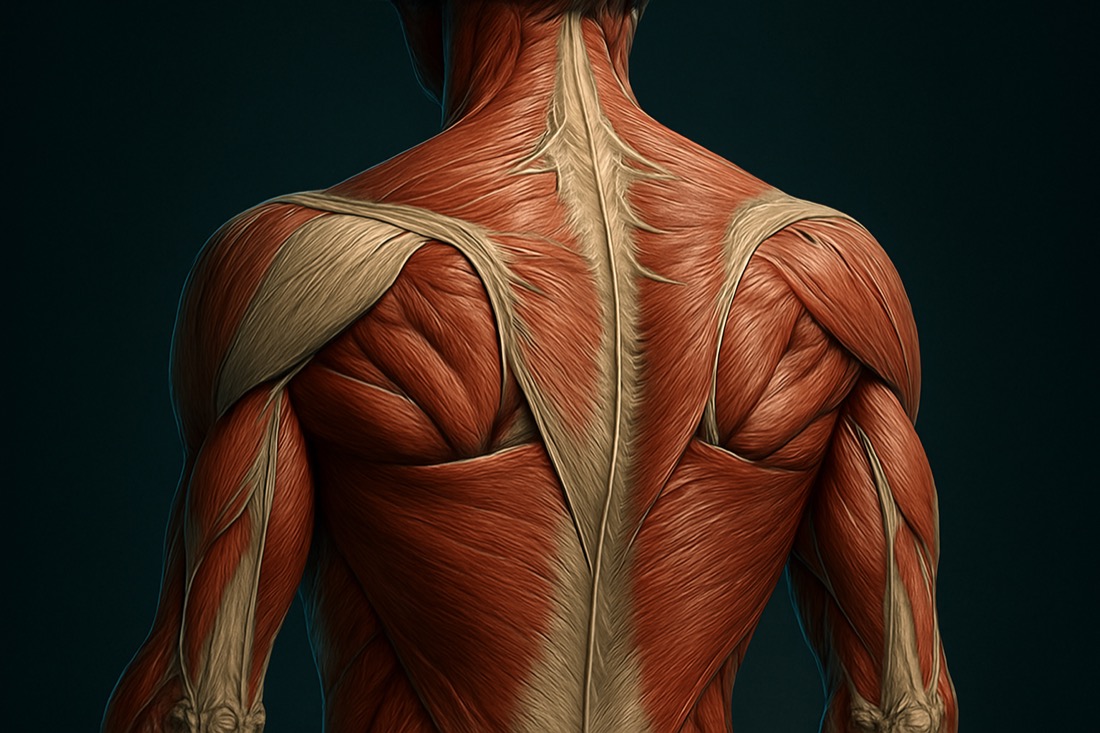
Revealing the Divine Technique: Line Axis Release Method
Original title (JP): 神業センター ライン軸リリースメソッドを初公開

Supervised by
Shogo Fujii
Physiotherapist (PT) · Founder of the SHOGO FUJII® FASCIA METHOD
View profile →Clinical Article · 5 min read
Are you struggling with persistent low back pain? Discover how the Line Axis Release Method, a unique fascia release technique developed by Shogo Fujii, can help alleviate discomfort and improve mobility. This innovative approach focuses on aligning the body's central axis, potentially transforming your physical performance and quality of life.
How does fascia release alleviate low back pain?
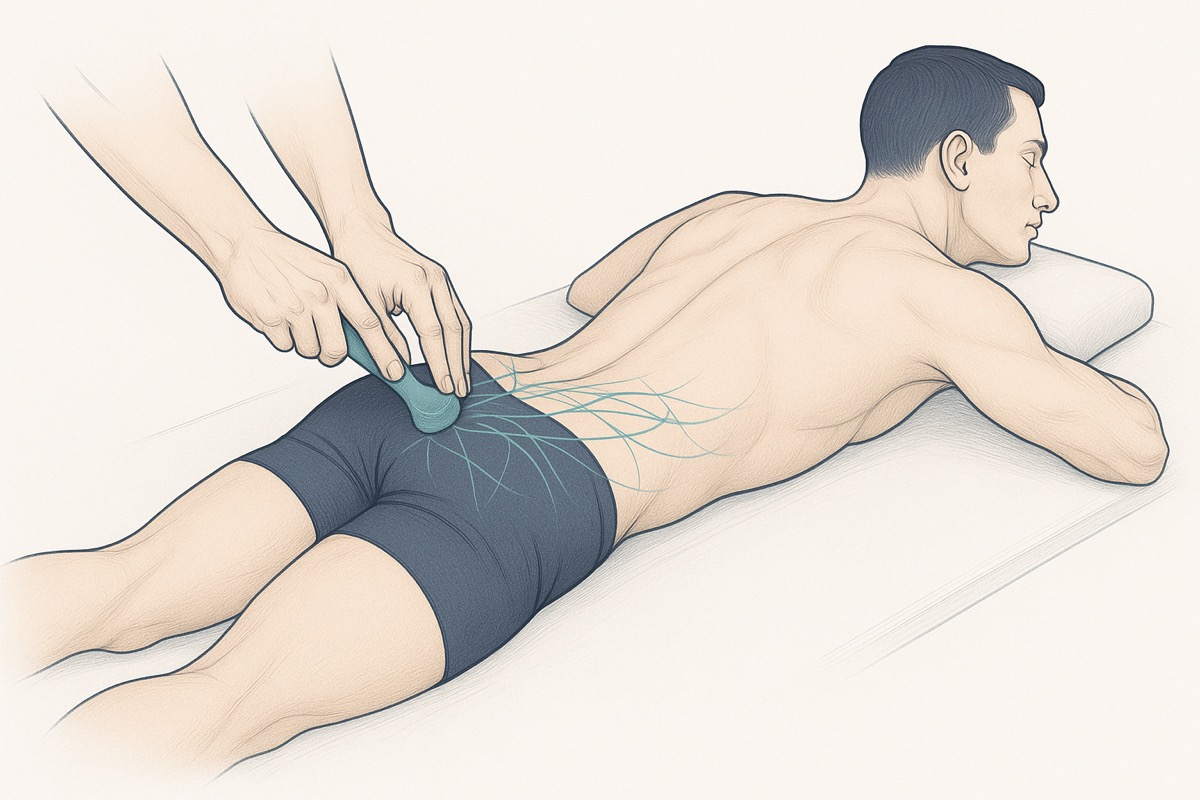
Fascia release can be a game-changer for those enduring low back pain. The Line Axis Release Method targets the body's central line, from the head to the tailbone, to promote balance and relieve tension. By adjusting the spine and pelvis, this technique can help reduce pain and enhance mobility [1][2].
Fascia, a connective tissue, can become tight due to various factors, leading to pain and restricted movement. The Line Axis Release Method addresses these issues by realigning the body's structure, thereby reducing strain on muscles and joints. This method is particularly beneficial for athletes or individuals with active lifestyles seeking to optimize their performance [3].
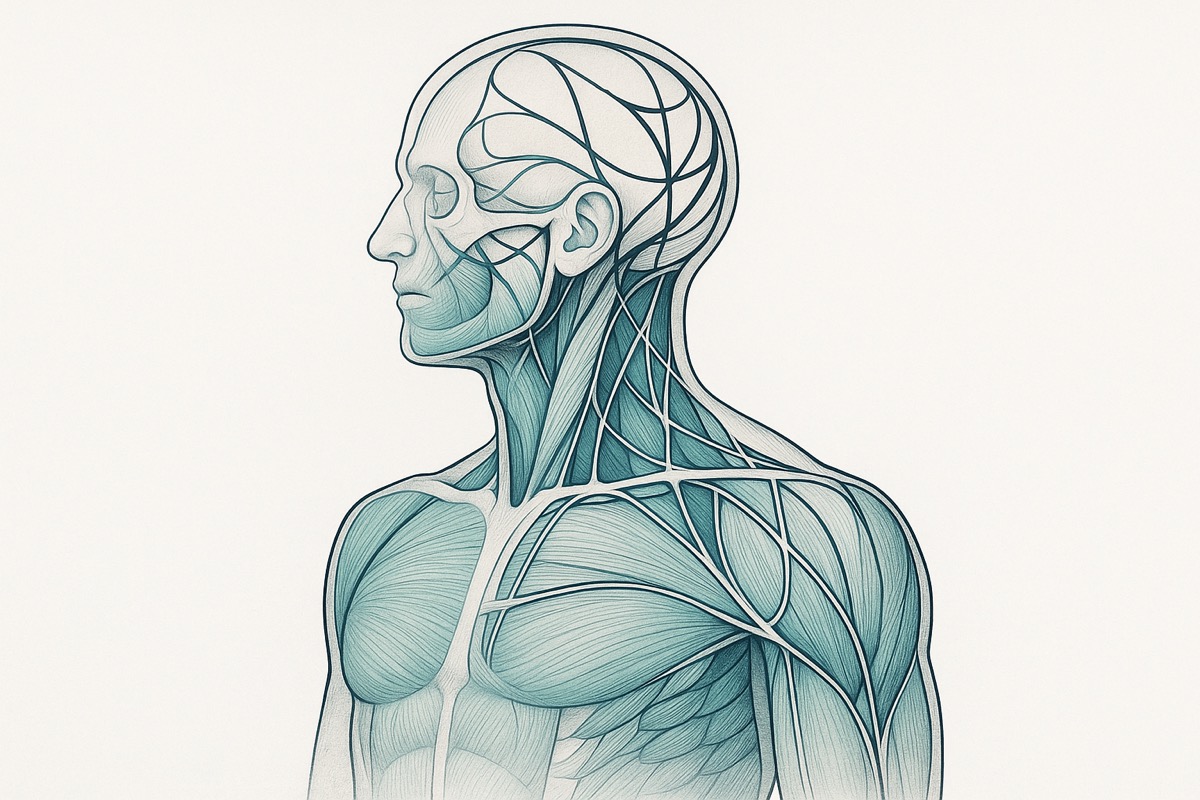
What makes the Line Axis Release Method unique?
Developed by Shogo Fujii, the Line Axis Release Method is a distinctive approach that integrates the entire body's anatomy into the treatment process. Unlike typical fascia therapies that may focus only on the affected area, this method considers the interconnectedness of the body's structures, aiming for a holistic improvement in function [4].
This technique is not easily replicated, as it requires a deep understanding of human anatomy and skilled manual manipulation. Fujii emphasizes the importance of aligning the body's central axis, which is a principle not commonly addressed in other fascia therapies. By doing so, it aims to not only alleviate pain but also improve overall body mechanics and performance.
What can you expect from a fascia release session?
During a session using the Line Axis Release Method, practitioners focus on realigning the spine and pelvis, which may involve gentle manipulations and stretches. The goal is to relieve tension along the central axis, potentially reducing pain and enhancing movement. Patients often report feeling lighter and more flexible after a session [5].
It's important to approach these sessions with an open mind and communicate any discomfort to the practitioner. While results can vary, many find that regular sessions contribute to long-term improvements in posture and pain management. As with any therapeutic approach, consistency and proper technique are key to achieving the best outcomes.
How does fascia release enhance athletic performance?
Fascia release is not just for pain relief; it can also significantly enhance athletic performance. By ensuring the body's central axis is aligned, athletes may experience improved coordination, balance, and power. This is particularly beneficial for sports involving complex movements, such as gymnastics or martial arts [6].
The method helps athletes by releasing fascial restrictions that could impede movement, thereby allowing for greater flexibility and range of motion. This can lead to more efficient movements and reduced risk of injury, making it an invaluable tool for those looking to optimize their physical capabilities.

Frequently asked questions
Is fascia release safe? — Yes, when performed by a trained professional, fascia release is generally safe. It is important to communicate with your therapist about any discomfort during the session.
How often should I have fascia release sessions? — The frequency of sessions depends on individual needs and goals. Some may benefit from weekly sessions, while others might find monthly visits sufficient.
Can fascia release help with other types of pain? — Fascia release can be beneficial for various types of musculoskeletal pain, not just low back pain. It is often used to address neck, shoulder, and hip discomfort as well.
References
- [1]Krause F, Wilke J, Vogt L, Banzer W. Intermuscular force transmission along myofascial chains: a systematic review. J Anat. 2016;228(6):910–918.
- [2]Stecco C, Stern R, Porzionato A, et al. Hyaluronan within fascia in the etiology of myofascial pain. Surg Radiol Anat. 2011;33(10):891–896.
- [3]Ajimsha MS, Al-Mudahka NR, Al-Madzhar JA. Effectiveness of myofascial release: a systematic review of randomized controlled trials. J Bodyw Mov Ther. 2015;19(1):102–112.
- [4]Tozzi P, Bongiorno D, Vitturini C. Fascial release effects on patients with non-specific cervical or lumbar pain. J Bodyw Mov Ther. 2011;15(4):405–416.
- [5]Zügel M, Maganaris CN, Wilke J, et al. Fascial tissue research in sports medicine: from molecules to tissue adaptation, injury and diagnostics: consensus statement. Br J Sports Med. 2018;52(23):1497.
- [6]Klingler W, Velders M, Hoppe K, Pedro M, Schleip R. Clinical relevance of fascial tissue and dysfunctions. Curr Pain Headache Rep. 2014;18(8):439.