
Treatment Demo: Instantly Fixing Ankle Pain with a Tibialis Posterior Technique
Original title (JP): 後脛骨筋テクニックで、足首の痛みを一瞬で治す治療デモンストレーション

Supervised by
Shogo Fujii
Physiotherapist (PT) · Founder of the SHOGO FUJII® FASCIA METHOD
View profile →Clinical Article · 7 min read
Persistent ankle pain, especially following a sprain, can significantly impact daily life and athletic performance. While rest and traditional rehabilitation are crucial, some individuals experience lingering discomfort, often due to underlying muscular and fascial restrictions. This article explores how a targeted approach, specifically **Posterior Tibialis Fascia Release**, can offer significant relief by addressing the deep-seated tension in this vital ankle muscle [1].
Understanding Posterior Tibialis Dysfunction and Ankle Pain
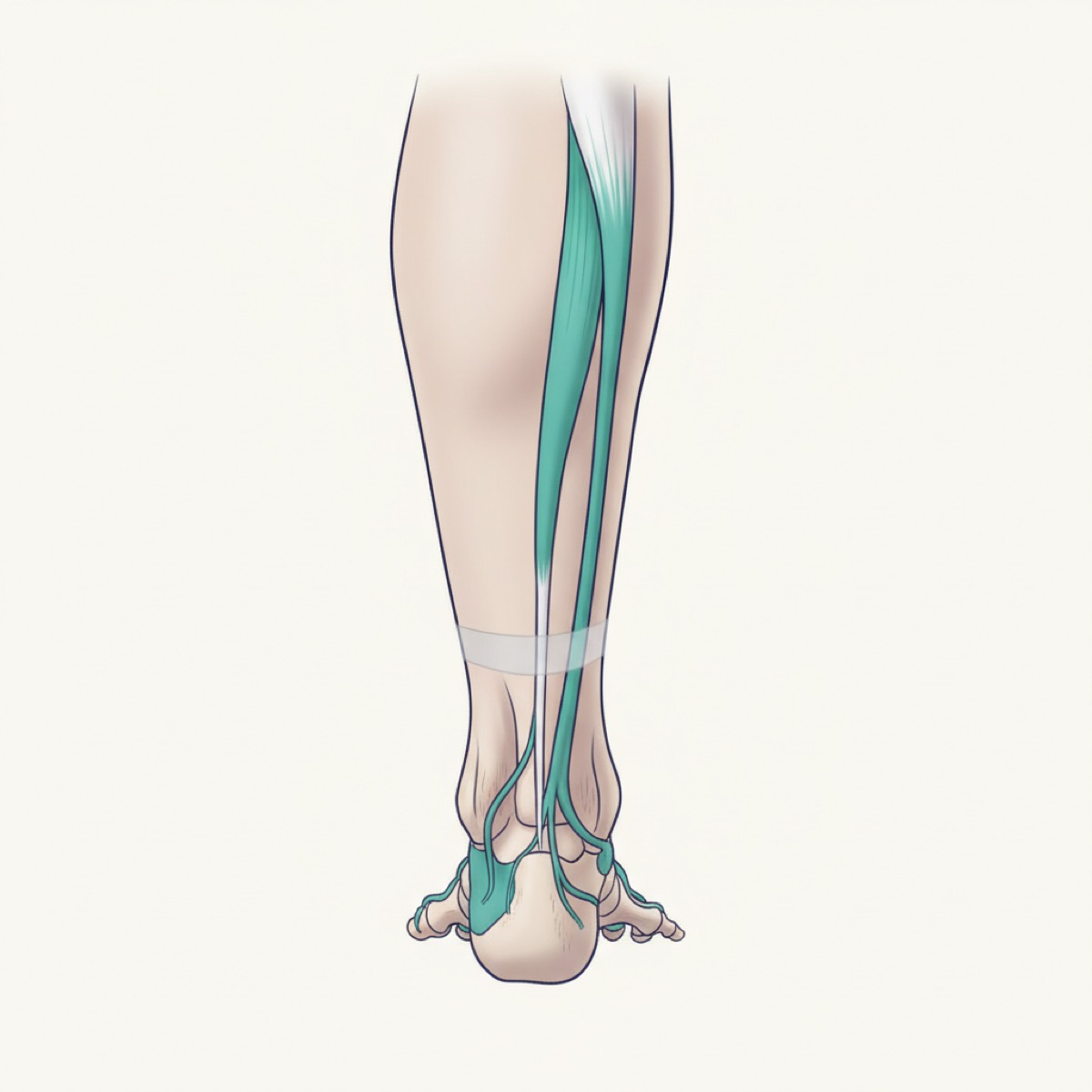
The posterior tibialis muscle plays a critical role in supporting the arch of the foot and stabilizing the ankle, particularly during inversion and plantarflexion. When this muscle or its surrounding fascia becomes tight or dysfunctional, it can contribute to a range of symptoms, including medial ankle pain, difficulty with certain movements, and even a feeling of instability. A common scenario involves individuals who have experienced an ankle sprain, often involving an inversion injury, leading to persistent symptoms long after the initial trauma [2].
In many cases, patients report pain when performing movements that stress the affected area, such as dorsiflexion with eversion, or even simple actions like walking or squatting. Clinical assessment often reveals increased laxity in the affected ankle compared to the uninjured side, along with tenderness around the medial malleolus and the posterior tibialis tendon. This persistent pain, even without significant swelling, suggests a deeper issue beyond acute ligament damage.
Why Does Ankle Pain Persist After a Sprain?
Ankle sprains, particularly inversion sprains, can stretch or tear ligaments on the outside of the ankle. While these ligaments heal, the body's protective mechanisms can lead to compensatory tightening in surrounding muscles, including the posterior tibialis [3]. This muscle, which runs along the back of the shin and inserts into the foot, can become a source of chronic pain if left unaddressed. Even if the initial swelling subsides, the fascial layers surrounding the muscle can restrict its normal gliding, leading to ongoing discomfort and limited range of motion.
Furthermore, repeated ankle sprains can lead to chronic ankle instability, where the joint feels loose or gives way easily. This instability can exacerbate the strain on muscles like the posterior tibialis as they try to compensate for weakened ligaments. Over time, this cycle can result in a 'sprain-prone' ankle, where even minor stresses can trigger pain or re-injury. Identifying and releasing tension in key stabilizing muscles is crucial for breaking this cycle and restoring proper ankle mechanics.
How Does Fascia Release Target Ankle Pain?
Fascia release techniques aim to restore the normal flexibility and glide of fascial tissues, which can become stiff or adhered due to injury, overuse, or poor posture. For ankle pain linked to the posterior tibialis, the technique involves specific palpation and manipulation of the muscle belly and its tendon. By applying direct pressure and gentle movement to the restricted areas, therapists can help release adhesions and improve tissue mobility [4].
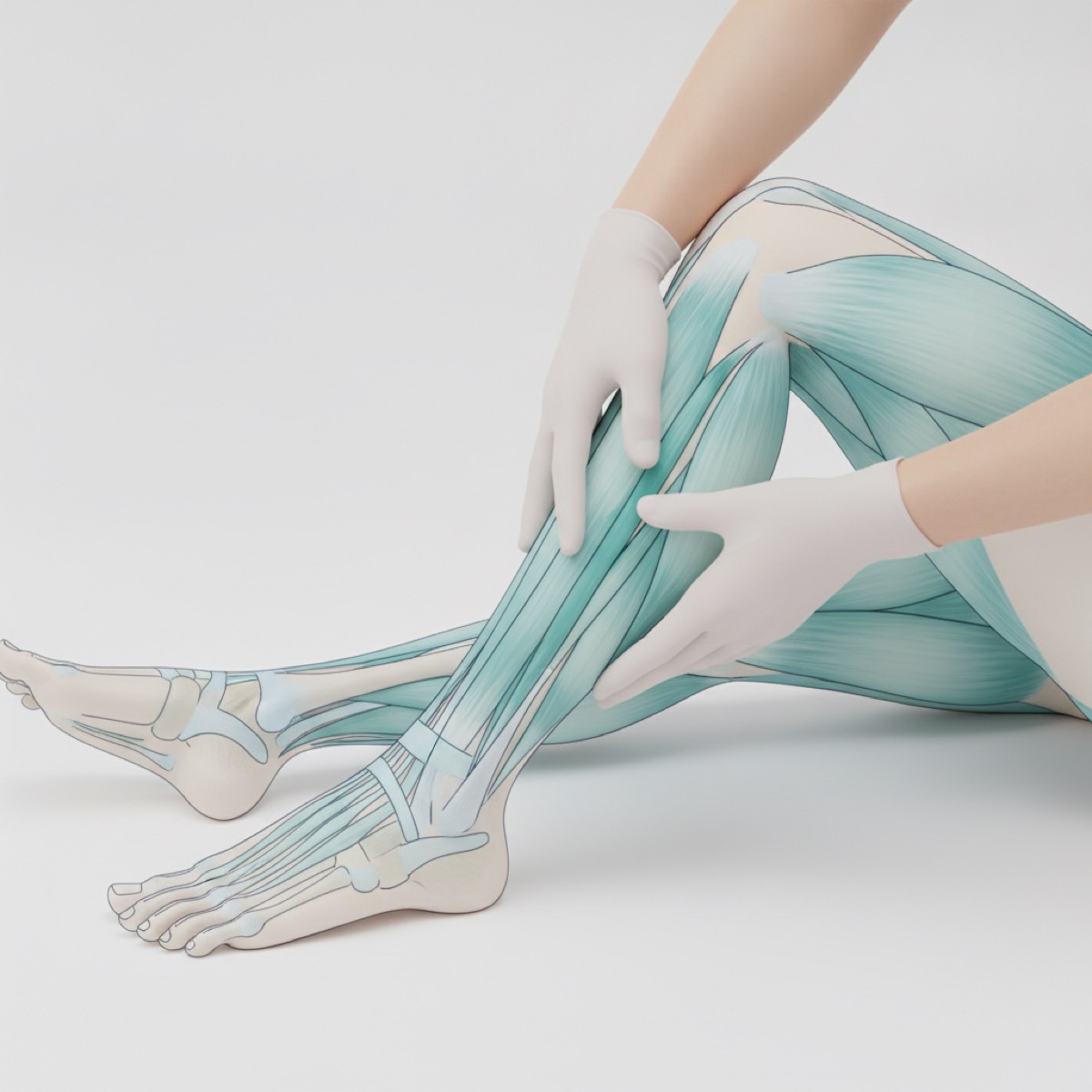
A key diagnostic step involves identifying a 'pain-provoking movement' – a specific action that reliably reproduces the patient's ankle pain. Once identified, the therapist applies firm pressure to the posterior tibialis muscle belly (located on the posteromedial aspect of the lower leg) or its tendon near the medial malleolus. The patient is then asked to repeat the pain-provoking movement. A significant reduction or elimination of pain during this re-test indicates that the posterior tibialis is a primary contributor to the symptoms, making it an ideal target for fascial intervention.
What to Expect During a Posterior Tibialis Fascia Release Session?
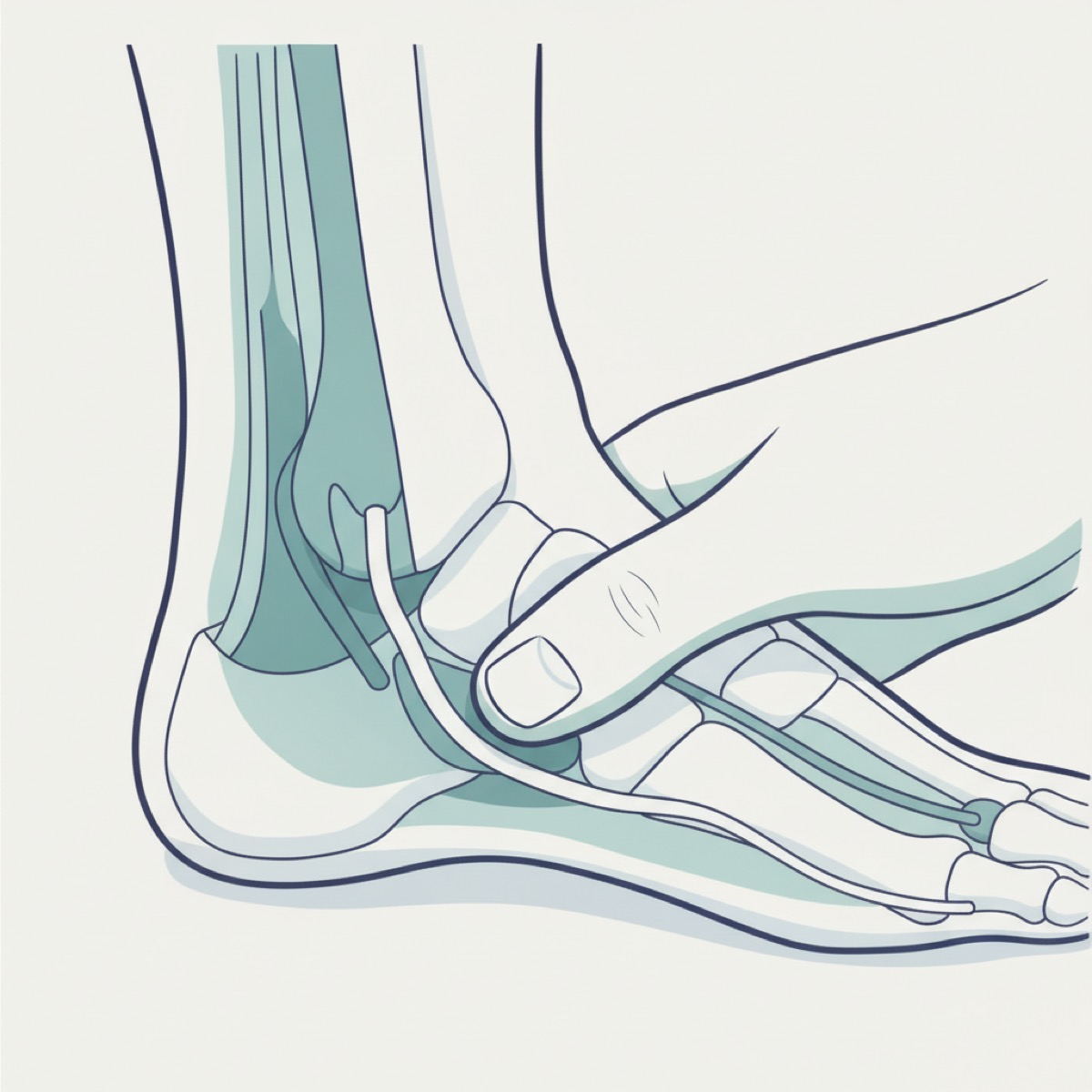
During a session focused on **Posterior Tibialis Fascia Release**, the patient typically lies supine (on their back) with the knee slightly bent to relax the calf muscles. The therapist carefully palpates the posterior tibialis tendon, located just behind the medial malleolus (the bony prominence on the inside of the ankle). Once the tendon is located, the therapist applies sustained, deep pressure, often combined with a gentle 'flicking' or sweeping motion across the tendon fibers [5].
The goal is to feel the tissue 'release' or soften under the fingers. This may involve holding the pressure for a minute or more, allowing the fascial restrictions to yield. Patients might experience mild discomfort during the release, but it should not be excruciating. After the release, the therapist re-evaluates the patient's ankle range of motion and the previously painful movements. Often, an immediate and noticeable improvement in pain and mobility is observed, sometimes even extending to other areas like knee pain that may have been compensatory [6]. This hands-on, direct approach allows for precise targeting of the affected tissues, promoting rapid relief and improved function.
Frequently asked questions
Is fascia release safe for ankle pain? — Fascia release, when performed by a trained and qualified practitioner, is generally considered safe for ankle pain. It involves manual techniques to address soft tissue restrictions. However, it's crucial to consult with a healthcare professional to ensure it's appropriate for your specific condition, especially if you have acute injuries, fractures, or certain medical conditions.
How long does it take for posterior tibialis release to work? — Many individuals experience immediate relief or a significant reduction in pain and improved mobility after a single session of posterior tibialis fascia release, as demonstrated in clinical practice. The duration of relief and the need for subsequent sessions can vary depending on the chronicity and severity of the condition, as well as individual healing responses.
Can chronic ankle sprains benefit from fascia therapy? — Yes, chronic ankle sprains are often associated with persistent soft tissue restrictions and compensatory muscle patterns, making them a suitable candidate for fascia therapy. By addressing the underlying fascial tension in muscles like the posterior tibialis, fascia release can help restore normal ankle mechanics, reduce pain, and improve long-term stability, even for injuries sustained years prior.
References
- [1]Krause F, Wilke J, Vogt L, Banzer W. Intermuscular force transmission along myofascial chains: a systematic review. J Anat. 2016;228(6):910–918.
- [2]Stecco C, Stern R, Porzionato A, et al. Hyaluronan within fascia in the etiology of myofascial pain. Surg Radiol Anat. 2011;33(10):891–896.
- [3]Ajimsha MS, Al-Mudahka NR, Al-Madzhar JA. Effectiveness of myofascial release: a systematic review of randomized controlled trials. J Bodyw Mov Ther. 2015;19(1):102–112.
- [4]Tozzi P, Bongiorno D, Vitturini C. Fascial release effects on patients with non-specific cervical or lumbar pain. J Bodyw Mov Ther. 2011;15(4):405–416.
- [5]Zügel M, Maganaris CN, Wilke J, et al. Fascial tissue research in sports medicine: from molecules to tissue adaptation, injury and diagnostics: consensus statement. Br J Sports Med. 2018;52(23):1497.
- [6]Klingler W, Velders M, Hoppe K, Pedro M, Schleip R. Clinical relevance of fascial tissue and dysfunctions. Curr Pain Headache Rep. 2014;18(8):439.
Related videos

Palpation X-Ray #84 | Is the Sacrum Really a Flat Plate? It's a Wedge, Wide at the Top and Narrowing Downward — Trace Down from the Lumbar Spine and Confirm at Gluteus Maximus
0:56
Dramatic Improvement in One Session: Manual Approach to the Pelvic Girdle, with Palpation of Anatomical Landmarks and Movement Assessment Before and After (Hands-On Demo)
5:48